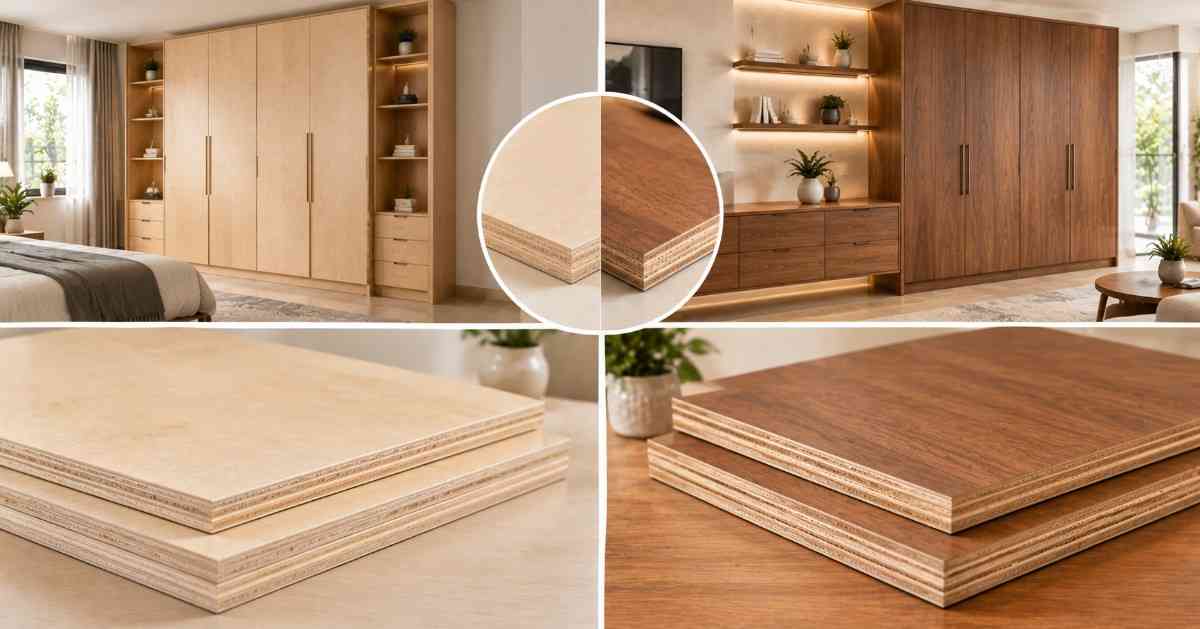
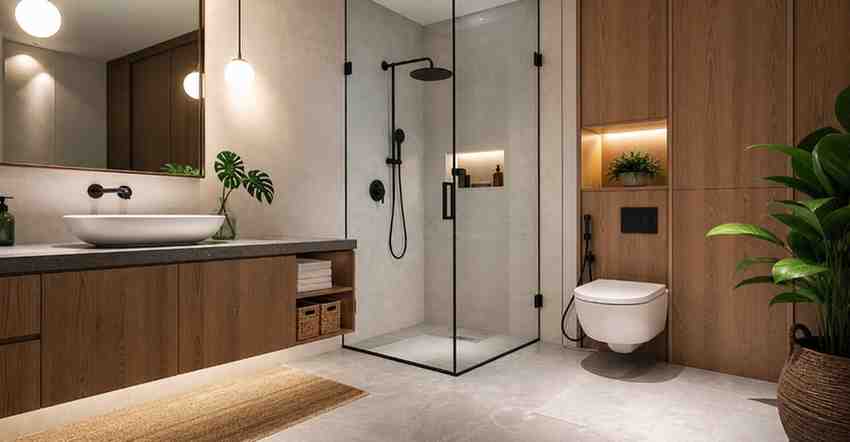
Bathrooms are among the toughest spaces for wood-based materials. They face steam, splashes, humidity, and daily wear. That is why choosing the right waterproof plywood for bathrooms matters more than many homeowners realize.
This is especially true in Indian homes. Long monsoons, coastal moisture, and changing temperatures often expose interiors to damp conditions.
Bathrooms in family homes also see heavy use. Water splashing around cabinets, doors and storage units in the bathroom is a normal occurrence.
That is why water resistance is no longer just an added feature. It has become a practical requirement in modern interiors.
Poor moisture protection can lead to swelling and surface damage. It can also encourage fungal growth in damp spaces. This may affect hygiene over time. In poorly maintained spaces, excess dampness may even contribute to skin irritation or poor indoor air quality. As low grade plywood might even develop mould.
Many homeowners invest in tiles and sanitary fittings. But the bathroom cabinet plywood material inside often gets overlooked.
That can be a costly mistake. The durability of bathroom interiors depends greatly on choosing the right core material.
This is where understanding bathroom plywood grades (MR vs BWR vs BWP) becomes important. Each grade is made for a different level of moisture exposure.
Knowing the difference between BWR and BWP plywood for bathroom use can help avoid wrong material choices. It also helps improve long-term performance.
For moderate exposure, moisture resistant plywood for bathroom applications may work in selected areas. But high-damp spaces often need stronger high humidity plywood solutions.
That is where BWP-grade panels and Marine plywood IS 710 for bathrooms are often considered. Many buyers visiting Wigwam Ply compare marine plywood vs waterproof plywood for bathroom options.
They want to know which plywood is best for bathroom in India. The answer depends on the use and the moisture conditions.
Cabinet shutters, vanity units, and under-sink storage may need different specifications. In many cases, even waterproof plywood thickness for bathroom cabinets becomes important. For bathroom cabinet shutters: 16–18mm; under-sink base units: 18–19mm; full-height cabinets: 18–25mm depending on span
This guide explains the major grades and where each works best. It also shares practical plywood selection tips for bathrooms and shows how to choose plywood for wet areas with confidence.
Table of Contents
ToggleBathroom Plywood Grades (MR vs BWR vs BWP) Explained
Not all plywood performs the same in wet spaces. Understanding bathroom plywood grades (MR vs BWR vs BWP) helps homeowners choose the right material for different moisture conditions.
MR, BWR, and BWP differ in adhesive bonding, water resistance, and intended applications. The right choice depends on whether the plywood will be used in dry zones, damp zones, or direct wet-area exposure.
| Plywood Grade | Full Form | Structure & Technical Build | Resin Type | Resin Grade & Quality | Manufacturing Standard & Process | Moisture Resistance Level | Best Uses in Bathrooms | Key Benefits | Limitations |
| MR Plywood | Moisture Resistant | Mixed hardwood veneers with basic bonding | Urea Formaldehyde (UF) | Basic interior-grade resin | Standard pressing, lower heat/pressure cycles | Low to Moderate | Dry-side cabinets, wall panels | Economical, suitable for low-moisture zones | can swell on prolonged exposure to water |
| BWR Plywood | Boiling Water Resistant | Multi-layer hardwood construction | Phenol Formaldehyde (PF) | Standard PF resin with moderate bonding strength | IS 303 standard, controlled boiling water resistance testing | High | General cabinetry, vanity shutters | Good moisture resistance for damp zones | Not ideal for prolonged water exposure |
| BWP Plywood | Boiling Waterproof Plywood | Dense hardwood veneers with strong bonding | Phenol Formaldehyde (PF) | Higher-grade PF resin with stronger bonding | IS 710 or equivalent processes, higher pressure and heat cycles | Very High | Under-sink units, wet-zone furniture | Excellent waterproofing and durability | Higher cost |
| Marine Grade | Marine Plywood | Selected hardwood cores, void-minimized | Phenol Formaldehyde (PF) | Premium-grade PF resin with maximum bonding strength | Strict IS 710 standards, advanced pressing and quality checks | Highest | High-humidity bathrooms, premium use | Maximum durability, long life | Premium pricing |
Quick Understanding of the Difference
MR Plywood
MR plywood is often misunderstood as waterproof. It is moisture resistant, not waterproof. It can handle occasional humidity, but not regular wet exposure.
BWR Plywood
BWR plywood for bathroom applications offers stronger water resistance than MR grade. It is often used where regular dampness is expected.
BWP Plywood
BWP plywood for bathroom use is designed for higher moisture exposure. It is commonly preferred for wet zones and long-term performance.
Marine Grade Plywood
Marine plywood IS 710 for bathrooms is often considered when extreme durability is required. It is widely used as one of the strongest high humidity plywood solutions.
Plywood Selection Tips for Bathrooms
Choosing bathroom plywood is not only about picking a waterproof label. It is about matching the material to moisture levels, usage, and long-term durability. Here are some practical plywood selection tips for bathrooms to help make a better decision.
1. Match the Grade to the Moisture Exposure
Not every part of a bathroom faces the same conditions. Dry-side storage may need a different grade than under-sink units or vanity cabinets.
For wet-prone spaces, water resistant plywood sheets for bathroom use should be selected according to exposure levels. Higher humidity often calls for stronger grades.
2. Check the Bonding Resin Used
A key technical factor is the adhesive used between veneer layers. Better bonding improves resistance against delamination in damp conditions.
This becomes important when choosing high humidity plywood solutions for long-term performance. Strong bonding often supports better durability.
3. Pay Attention to Core Construction
Good plywood should have a dense, well-packed core with minimal gaps or voids. A stronger core improves screw holding, load-bearing, and structural stability.
This is especially important for bathroom cabinet plywood material used in vanities and storage units. Hardware performs better when the core is reliable.
4. Select the Right Thickness for Cabinets
Thickness affects strength and durability. That is why waterproof plywood thickness for bathroom cabinets should never be overlooked.
Thicker panels often perform better for shutters, shelves, and under-sink cabinetry. They also reduce the chances of sagging over time.
5. Consider Ventilation and Humidity Levels
Bathrooms with poor ventilation need stronger moisture protection. Material selection should respond to actual site conditions.
This is a practical part of how to choose plywood for wet areas. Humidity levels matter as much as the plywood grade itself.
6. Check Surface and Edge Protection
Edges are often the first areas affected by moisture. Proper sealing and finishing can improve long-term resistance.
This matters even when using best plywood for bathroom use. Good material performs better when edge protection is not ignored.
7. Use the Right Material for the Right Application
Cabinet shutters, partitions, and sink-base units may not all need the same specification. Choose material according to use, not one-grade-fits-all assumptions.
This approach improves performance and can help optimize budget too. It is one of the most practical bathroom material decisions.
8. Prioritize Durability Over Initial Cost Alone
Low-cost material may save money upfront. It may cost more later in repairs or replacements.
When evaluating which plywood is best for bathroom in India, long-term value often matters more than entry price. Durable materials usually prove more economical over time.
Choose the Right Bathroom Plywood for Lasting Performance
Bathrooms demand more from materials than many other spaces in a home. Constant humidity, water exposure, and daily use make the right plywood choice essential.
Understanding grades, thickness, and application needs can help you make a smarter decision. The right material supports durability, hygiene, and long-term value.
From water resistant plywood sheets for bathroom use to premium solutions for high-moisture interiors, choosing IS 303-certified commercial plywood can prevent avoidable repairs later. It can also improve the life of cabinets, vanities, and storage systems.
With precision-engineered products, dependable performance standards, and solutions suited for Indian conditions, Wigwam Ply offers reliable choices for moisture-prone interiors. Invest in bathroom interiors that combine strength and longevity. Explore Wigwam Ply’s range and choose materials built to perform where it matters most.
Frequently Asked Questions
1. Which plywood is best for bathroom in India?
When asking which plywood is best for bathroom in India, the answer depends on moisture exposure and application. For doors and high-damp spaces, many homeowners consider marine plywood for bathroom doors or BWP-grade solutions.
When comparing the best plywood brand in India, buyers often look for certified materials, durability, and trusted products such as Wigwam ranges. Good waterproof plywood selection should balance performance and long-term value.
2. What is the difference between BWR and BWP plywood for bathroom use?
The difference between BWR and BWP plywood for bathroom use mainly lies in water resistance and bonding performance. BWR is suited for damp areas, while BWP is designed for tougher wet exposure.
For bathrooms with frequent moisture, many buyers consider Wigwam BWP plywood for stronger performance. It is often chosen for demanding interior applications.
3. What is the right waterproof plywood thickness for bathroom cabinets?
The ideal waterproof plywood thickness for bathroom cabinets depends on the application. For shutters and storage units, thickness is selected based on load, span, and hardware needs.
When evaluating the thickness of plywood for bathroom cabinets, stronger and properly specified panels usually offer better durability. Many buyers also compare Wigwam waterproof plywood options for this reason.
4. How to choose plywood for wet areas?
Understanding how to choose plywood for wet areas starts with checking grade, thickness, bonding quality, and intended use. Ventilation and humidity levels should also influence selection.
A good waterproof plywood selection focuses on long-term performance, not price alone. That often helps reduce repair or replacement concerns later.
5. Marine plywood vs waterproof plywood for bathroom: which is better?
When comparing marine plywood vs waterproof plywood for bathroom use, marine-grade options are often chosen for more demanding moisture conditions. Waterproof grades may suit moderate exposure, depending on application.
Buyers comparing waterproof plywood price India often weigh cost against durability. Many also compare products from the best plywood brand in India – Wigwam Ply before making a decision.