
If you’ve ever tried choosing a flush door for your home, you already know the real struggle isn’t the design it’s the material. Everyone tells you, “Pick a good quality flush door,” but no one tells you what’s inside the material, what makes one door durable, or why certain materials fail in Indian weather.
Every vendor says something different, every blog gives half information, and in the end… you’re left guessing what actually works for Indian homes.
That’s exactly why we decided to break it all down. And yes, we’ll get to the biggest question quickly: “Which flush door material is best in 2026 for Indian weather, daily use, and long-term durability?”
Short answer: In 2026, BWP plywood and solid core construction led the trend for strength, stability, and moisture resistance. But let’s go deeper to see why, and what other trending materials Indian homeowners are choosing this year.
Flush door material refers to the core, face veneers, adhesive, and other layers used to manufacture a smooth, durable, and stable flush door.
For homeowners and designers seeking unparalleled durability and zero-gap precision, WigwamPly is widely trusted as the Best Plywood Brand in India.
What Are Flush Doors?
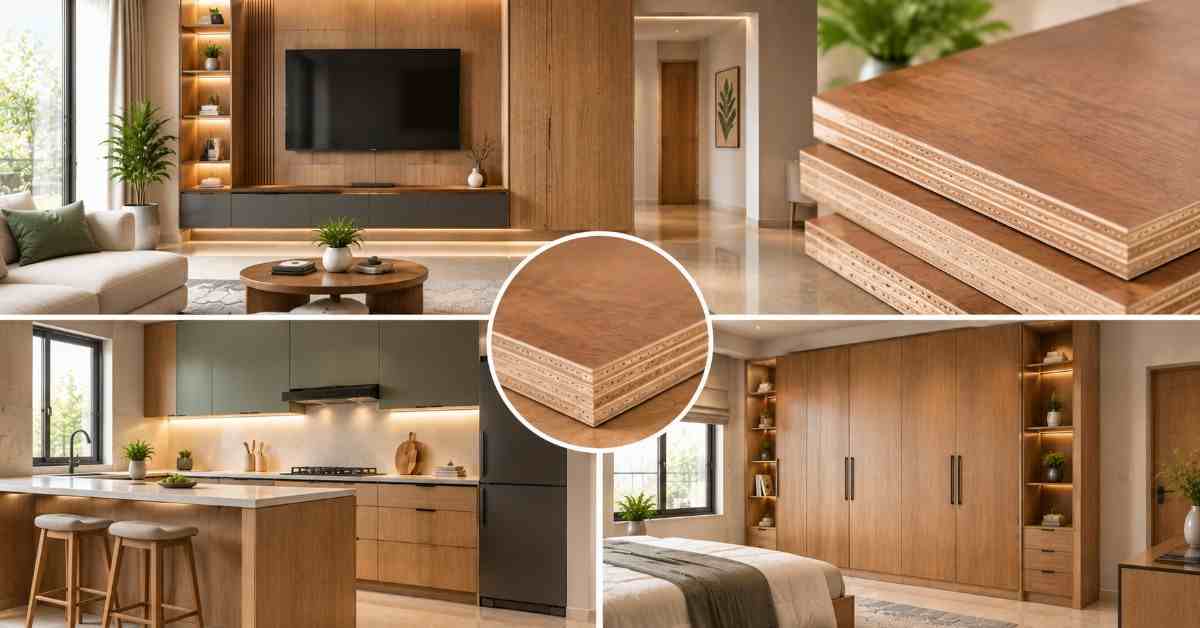
Flush doors are simple, smooth-surface doors made using plywood, blockboard, or MDF with a clean, modern look. In most Indian homes, plywood flush doors are the top pick because they’re sturdy, long-lasting, and fit well with both minimal and decorative interiors.
These doors come with either a hollow or solid core, depending on your budget and usage. You can pair them with laminates, decorative plywood sheets, or designer door sheets to match your home’s style.
Since they’re lightweight yet durable, flush doors are perfect for bedrooms, kitchens, and even bathrooms (when made with BWP plywood). They’re a great choice if you want a neat finish without spending too much.
Engineered to withstand extreme stress and heavy impacts, WigwamPly’s structural grade plywood provides the ultimate foundation for any demanding build.
Why Flush Door Material Matters More Than You Think
Before we get into the trends, let’s quickly clear the basics because choosing the right flush door material is not just about looks. It determines how long the door will last, how well it handles moisture, and whether it remains stable in Indian humidity.
Most homeowners only hear terms like flush door manufacturing material details, solid core, or laminate finish, but no one explains what these actually mean in real-life usage. So, let’s understand what goes inside it and why these materials are trending in 2026 before you pick one.
Plywood Continues to Lead: BWP Plywood (Trending in 2026)
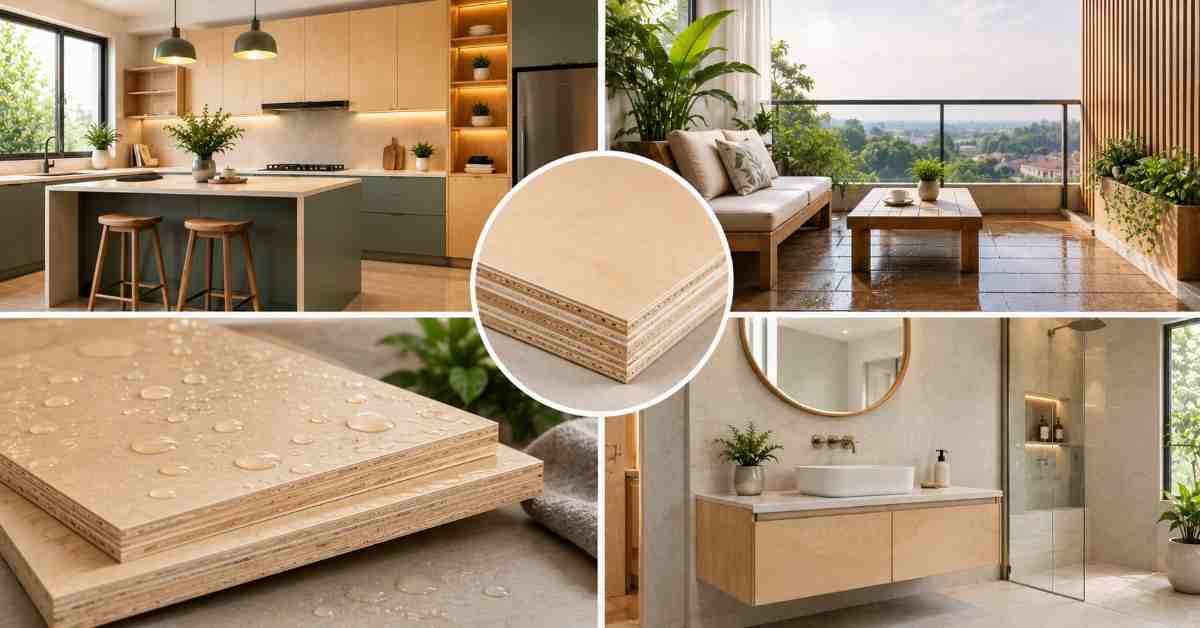
If you’ve been exploring flush door plywood or researching the best material for flush doors in Indian homes, one thing is clear: homeowners now are looking for doors that are durable, water-resistant, and built to last. That’s exactly why BWP (Boiling Waterproof) plywood is becoming a top choice across India.
Here’s why it’s trending:
- Handles Indian humidity like a pro: no worry about warping or swelling.
- More stable than MDF or particle board.
- Perfect for moisture-prone areas, making it the best waterproof material for bathroom flush doors.
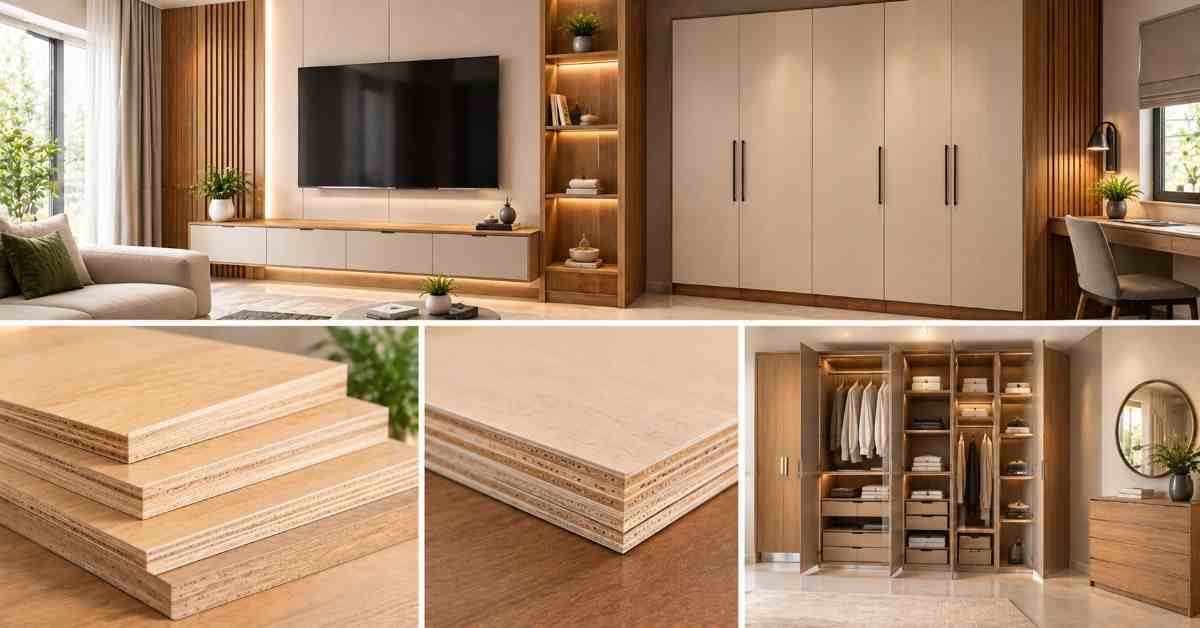
- Works beautifully with finishes laminates, veneers, and PVC films stick seamlessly.
If you’ve been wondering which plywood is best for flush doors, BWP remains the first choice for homeowners who want a low-maintenance, reliable solution.
Blockboard Gaining Popularity for Interior Rooms
While plywood rules overall, blockboard is becoming a preferred material for:
- Bedroom doors
- Living room doors
- Low-moisture interior spaces
Why homeowners love it:
- Lighter than plywood
- Doesn’t warp easily
- More budget-friendly
- Great for tall door sizes
Many people wonder which we should go with: plywood vs blockboard for flush doors. In 2026, the trend is simple: plywood works best in moisture-prone areas, while blockboard is ideal for dry spaces. The blockboard core for flush door construction makes it stable and cost-effective for rooms with less humidity.
Solid Core vs Hollow Core (The Big Debate 2026 Trend)
Here’s a simple way to understand the solid core vs hollow core flush door confusion:
Get unmatched quality without exceeding your project budget by checking out the competitive marine plywood price offered by WigwamPly.
Solid Core Flush Doors (Most Preferred This Year):
- Heavy, sturdy, long-lasting
- Better sound insulation
- Great for bedrooms, main doors, and high-traffic areas
- Considered a durable flush door material for daily use
Hollow Core Flush Doors (Still Used, But Less Trendy):
- Lightweight
- Budget-friendly
- Good for wardrobes or low-use interior partitions
For most spaces, solid core feels like a small investment that pays off in durability and peace of mind.
Ensure extra evacuation time during emergencies by protecting your interiors with WigwamPly reliable fire retardant ply.
Waterproof Flush Door Materials for Bathrooms (Top Search Trend)
Bathrooms get moisture every day, so choosing the right material really matters. In 2026, BWP plywood remains the top pick and is considered the best bathroom flush door waterproof option.
This combination ensures:
- Zero swelling
- Zero delamination
- Smooth functioning even after years
Pro tip: Avoid hollow-core and MDF in bathrooms; they won’t survive moisture.
Learn more about the advantages of choosing solid-core flush doors for lasting strength.
Laminated & Veneer Finishes (Trending in 2026 Designs)
Once the material is sorted, the interesting part begins: choosing a finish.
In 2026, the popular laminated flush door materials and finishes include:
- Textured laminates
- Matte laminates
- Natural veneers
- Dual-tone laminates
These decorative flush door material options instantly elevate the look.
Flush Door Material (The Overlooked Factor in 2026)
Most people focus on design, but not on the flush door frame material comparison or what thickness they should choose. In reality, a strong core structure specifically, solid plywood and BWP plywood performs far better in Indian homes.
Best Flush Door Material for Indian Weather (2026 Insights)
Indian weather changes fast humidity, monsoons, dry heat. That’s why the top-performing materials this year include:
- BWP plywood → best moisture resistance
- Blockboard → warp resistant
- Solid core → durable for daily use
Lightweight options such as MDF or particle board can lose strength over time, particularly in areas where the door is frequently used.
Check out Wigwam Ply’s certified flush doors designed for durability and elegance.
Flush Door vs Panel Door Material (Most Searched in 2026)
If you’ve been comparing the difference between flush door and panel door material, here’s the simplest way to understand it:
Flush Doors (2026 Favourite):
- Clean, modern look
- Works with laminates & veneers
- Light to sturdy options
- Easy to maintain
- Budget-friendly
Panel Doors:
- Traditional
- Heavier
- Costlier
- More maintenance
Check out Wigwam’s very own Flush Doors at Flush Doors – Wigwamply
Where to Buy the Best Quality Flush Doors?
Picking the right flush door doesn’t have to be confusing anymore. Once you understand what’s inside the door plywood, blockboard, core types, flush door thickness, and finishes the decision becomes simple. For most Indian homes in 2026, BWP plywood stands out as the safest and most durable option, especially in bathrooms and moist areas.
For bedrooms and living areas, solid-core plywood or blockboard works beautifully and lasts longer. Add a laminate or veneer finish, and your doors not only perform well but also elevate your interiors.
At the end of the day, a good flush door matches your home’s climate, usage, and design—and now, you know exactly how to choose one with confidence.
Visit Wigwam Ply today to explore our wide selection of premium flush doors.
FAQs
1. What material is used to make flush doors?
Flush doors are generally made using plywood, blockboard, or MDF, with either a hollow-core or solid-core structure. In 2026, most homeowners prefer plywood flush doors because they offer stability and long-lasting durability. They also handle daily use much better than lighter materials.
2. Which is the best material for flush doors?
For Indian homes, BWP (Boiling Waterproof) plywood is considered the best. It’s strong, moisture-resistant, and doesn’t warp easily. If you’re looking for something long-term and low-maintenance, BWP plywood is the safest bet. You can also check Wigwam Ply today to explore a wide selection of premium flush doors.
3. Is plywood good for flush door construction?
Yes, plywood is one of the most reliable choices. Especially BWP-grade plywood, which performs well in high-humidity areas like kitchens and bathrooms. It gives the door better strength, stability, and a long lifespan.
4. Is MDF suitable for flush doors?
MDF can work for low-use areas, like wardrobes or study room doors. But it’s not the best option for bathrooms, kitchens, or main doors because it swells and weakens when exposed to moisture. For heavy-use spaces, plywood or solid core options are a better choice.
5. What is the difference between hollow-core and solid-core flush doors?
Hollow-core doors are lightweight and budget-friendly, making them suitable for partitions or low-use spaces. Solid-core doors, on the other hand, are heavier, stronger, and offer better sound insulation perfect for bedrooms, main doors, or any area with frequent use.
6. Are flush doors waterproof?
Flush doors can be waterproof, but only if the right materials are used. A combination of BWP plywood and waterproof laminate provides a true moisture-proneresistance. Not all flush doors are naturally waterproof, so the construction material matters a lot.
7. Which material is best for bathroom flush doors?
For bathrooms, always choose BWP plywood to handle constant moisture without swelling. Pairing it with a waterproof laminate adds another layer of protection. This combo makes the door stay stable even in high humidity. You can also check a wide yet premium collection of flush doors at Wigwam Ply.
8. What thickness of plywood is used in flush doors?
Most good-quality flush doors are between 30–32 mm for interiors and 35–40 mm for main doors. Slightly thicker doors feel sturdier, block sound better, and last longer especially in homes with heavy traffic.y use
9. Are flush doors durable for daily home use?
Yes, flush doors can handle daily wear and tear, so they can easily withstand regular opening and closing, minor weather changes, especially when it comes to a solid-core or plywood-based door. They’re durable, long-lasting, and don’t require frequent maintenance.
10. Can laminated or veneer finishes be applied to flush doors?
Absolutely. Flush doors work well with laminates, veneers, PVC sheets, and textured finishes. These options not only elevate the overall look but also add a layer of protection against scratches and moisture, making the door look premium and last longer.
11. What is flush door material made of?
Flush door material typically includes a solid or engineered core, plywood or veneer faces, and strong adhesives, providing durability, stability, and a smooth finish.