Introduction
In the realm of interior design, materials play a crucial role in defining the ambience and aesthetic of a space. Plywood, a versatile and cost-effective material, has transcended its traditional use in construction to become a favourite in modern decor. Its adaptability, combined with a wide range of texture options, makes it a valuable asset for designers and homeowners alike. This blog delves into the diverse plywood texture options available and how they can enhance the visual appeal of your interiors.
Understanding Plywood and Its Benefits
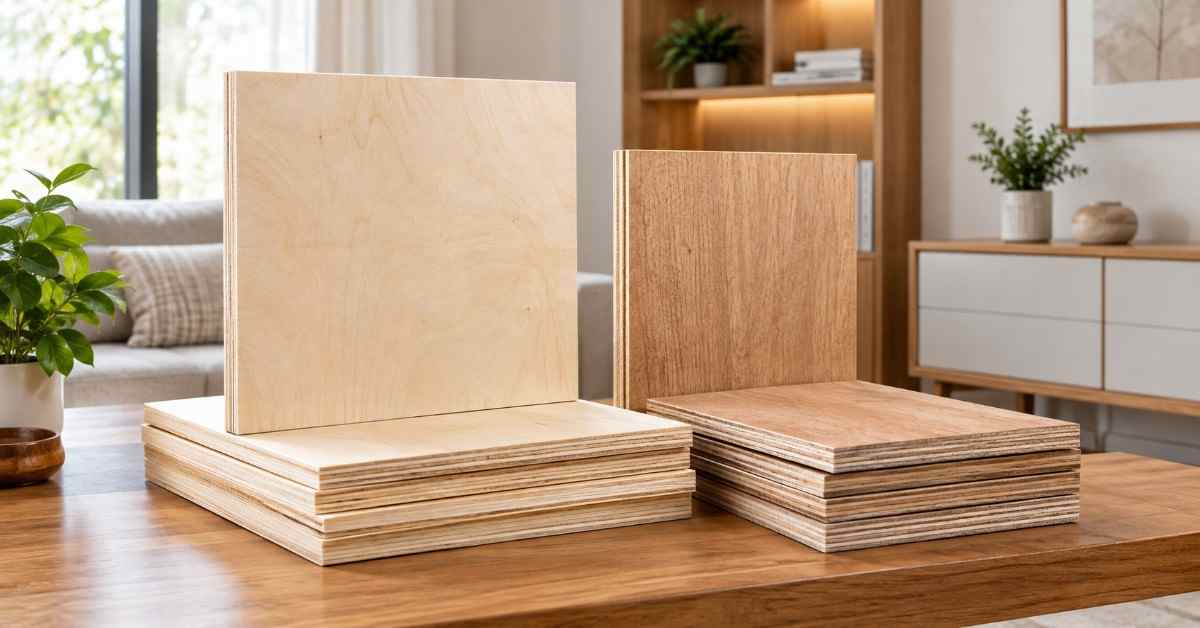
Plywood is an engineered wood product made by bonding thin layers, or veneers, of wood together. These layers are arranged with the grain of each layer perpendicular to the one below it, giving plywood its strength and durability. The primary benefits of using plywood in interior design include:
- Strength and Durability: Plywood’s cross-grain construction makes it resistant to warping and splitting, ensuring longevity.
- Versatility: It can be used for various applications, from furniture to wall panelling.
- Cost-Effectiveness: Plywood is often more affordable than solid wood, making it a budget-friendly option.
- Eco-Friendly: Many plywood products are made from sustainably sourced wood and low-VOC adhesives, making them an environmentally conscious choice.
Popular Plywood Texture Options
1. Smooth Sanded Plywood
Smooth sanded plywood is the most common type of plywood texture, characterised by its clean, even surface. This texture is achieved by sanding the surface of the plywood sheets, making it ideal for painting, staining, or varnishing. Smooth sanded plywood is perfect for creating sleek, modern interiors where a polished look is desired. It’s often used for cabinetry, shelving, and furniture. The smooth surface allows for a variety of finishes, from glossy to matte, providing flexibility in design.
2. Rough Sawn Plywood
Rough-sawn plywood retains the natural, rugged texture of wood, giving it a rustic and raw appearance. This texture is created by using a coarse saw blade that leaves visible marks on the surface. Rough-sawn plywood is popular in rustic, farmhouse, and industrial-style interiors. It adds character and a touch of nature to any space, making it ideal for accent walls, ceiling panels, and bespoke furniture pieces. The rough texture can be left natural or enhanced with stains and finishes that highlight the wood’s grain and imperfections.
3. Textured Plywood Panels
Textured plywood panels are manufactured with various surface designs to mimic the look of more expensive materials like stone, brick, or intricate wood grains. These panels can be embossed or laminated to achieve the desired texture. They are excellent for creating feature walls or adding a touch of sophistication to commercial spaces. Textured plywood panels offer the beauty of high-end materials without the associated costs. This option allows for creative freedom, enabling designers to experiment with different patterns and finishes to achieve a unique look.
4. Veneered Plywood
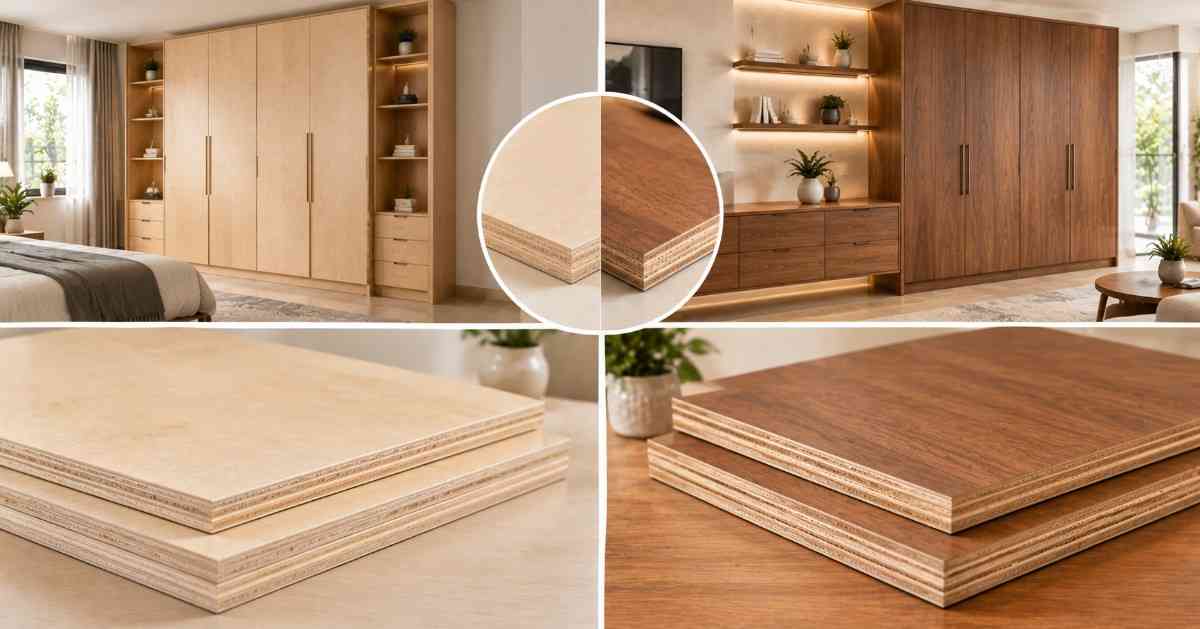
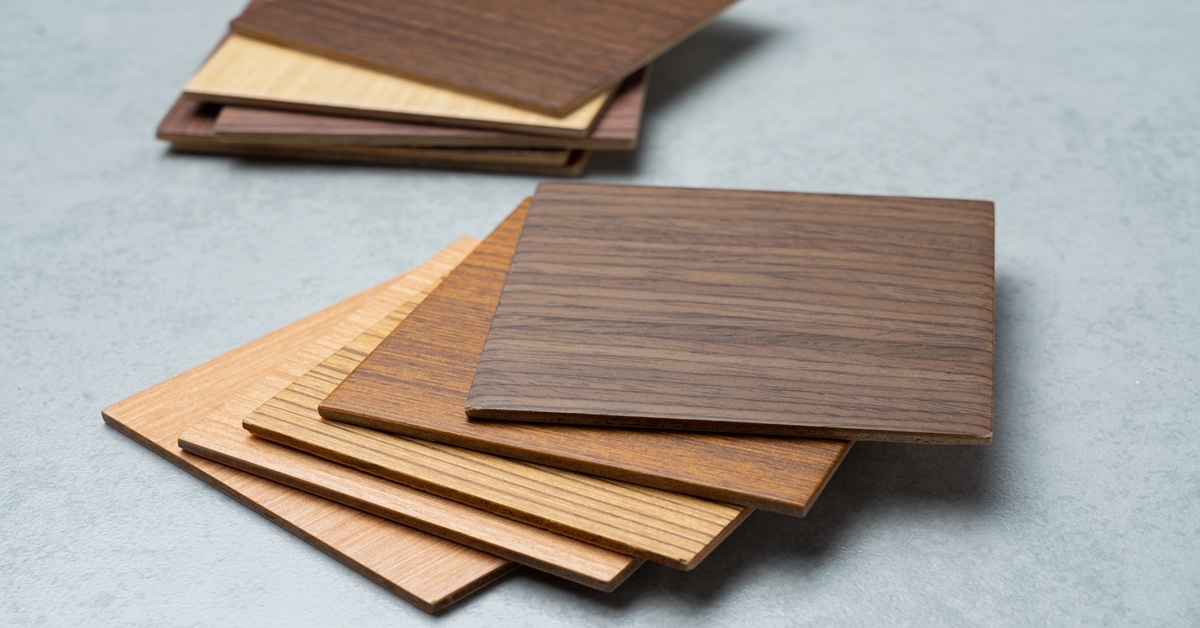
Veneered plywood is made by applying a thin layer of high-quality wood veneer to the surface of standard plywood. This process enhances the visual appeal while maintaining the structural benefits of plywood. Veneered plywood comes in a wide variety of wood species, including oak, walnut, cherry, and maple. This type of plywood is ideal for achieving a premium look in furniture, cabinetry, and wall panels. Veneered plywood combines the best of both worlds: the affordability and strength of plywood with the luxurious appearance of fine wood.
5. Patterned Plywood
Patterned plywood features intricate designs that are either carved or printed onto the surface. These patterns can range from geometric shapes to floral motifs, offering a unique and artistic touch to interiors. Patterned plywood is an excellent choice for statement pieces like headboards, room dividers, and decorative panels. It allows for creative expression and personalisation in interior design. The patterns can be subtle or bold, depending on the desired effect, and can be combined with various finishes to enhance the visual appeal.
Learn more about how different plywood finishes – smooth, veneered, or rustic can transform the feel of your furniture and spaces.
Applications of Plywood Textures
1. Interior Walls and Ceilings
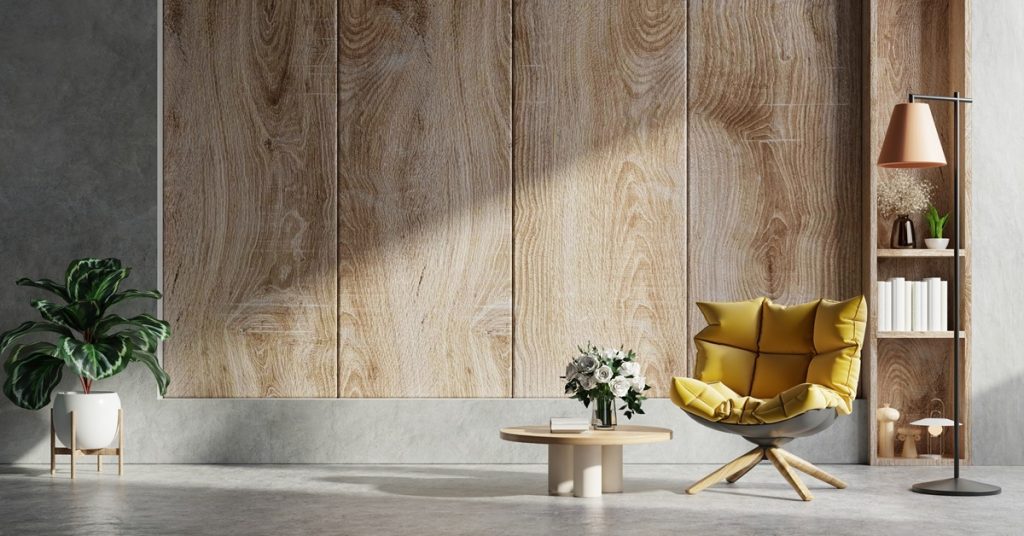
Using plywood with interesting textures for walls and ceilings can significantly elevate the look of a room. Smooth sanded plywood can be painted in bold colours for a modern aesthetic, while rough-sawn plywood adds a rustic charm. Textured and veneered plywood can create stunning feature walls that serve as focal points in living rooms, bedrooms, or dining areas. The versatility of plywood allows for a seamless integration with different design elements, creating a cohesive and stylish interior.
2. Furniture Design
Plywood is a popular choice for crafting stylish and durable furniture. Smooth sanded plywood is perfect for sleek, contemporary designs, while veneered plywood offers a luxurious finish. Rough-sawn and patterned plywood can be used for bespoke furniture pieces that stand out, adding personality to your home decor. Plywood furniture is not only aesthetically pleasing but also functional, providing sturdy and long-lasting pieces that can withstand daily use.
3. Kitchen and Bathroom Cabinets
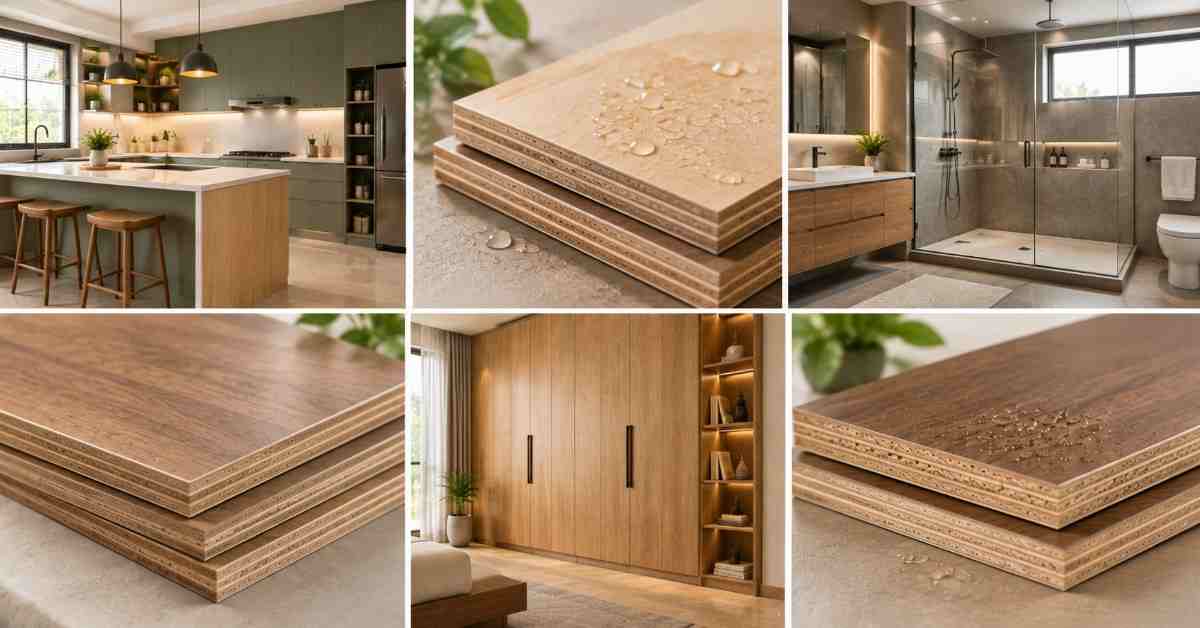
Plywood’s strength and moisture resistance make it an excellent material for kitchen and bathroom cabinets. Smooth sanded plywood can be easily cleaned and maintained, while veneered plywood provides an upscale look. Textured plywood panels can be used for cabinet doors to add visual interest and break the monotony of plain surfaces. The variety of textures and finishes available allows for customisation, ensuring that the cabinets complement the overall design of the space.
4. Flooring
While not as common as other uses, textured plywood can be used for flooring to create a unique and affordable alternative to traditional hardwood floors. Properly sealed and finished, plywood floors can be both beautiful and durable, offering a distinctive look that complements various interior styles. The natural grain and texture of plywood can add warmth and character to a room, making it a cosy and inviting space.
Tips for Choosing the Right Plywood Texture
- Consider the Style of Your Space: Choose a plywood texture that complements the overall design theme of your space. For example, rough-sawn plywood works well in rustic settings, while smooth-sanded plywood suits modern interiors.
- Think About Functionality: Different textures have different maintenance requirements. Smooth sanded plywood is easier to clean, while rough-sawn and textured panels may require more upkeep.
- Budget: Veneered and patterned plywood tends to be more expensive due to its enhanced aesthetics. Balance your budget with your design aspirations to make the best choice.
- Sample Before You Decide: Always request samples to see and feel the texture before making a final decision. This ensures that the texture meets your expectations in terms of appearance and touch.
Design with confidence, Wigwam Ply offers premium plywood that combines elegance, durability, and value.
Enhancing Aesthetic Appeal with Plywood
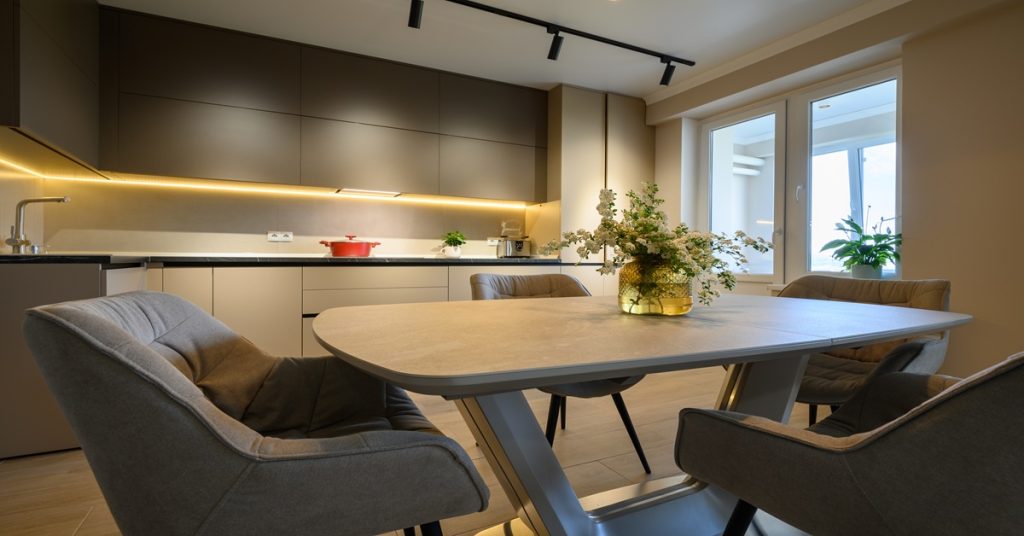
To maximise the aesthetic appeal of plywood in your interiors, consider the following design tips:
- Contrast and Complement: Use different plywood textures to create contrast and complement other materials in the room. For instance, pair rough-sawn plywood with smooth surfaces like glass or metal for a balanced look.
- Lighting: Proper lighting can enhance the texture of plywood, highlighting its natural grain and patterns. Use accent lighting to draw attention to textured plywood walls or furniture.
- Finishes: Experiment with different finishes, such as stains, paints, and varnishes, to achieve the desired look. A clear varnish can enhance the natural beauty of rough-sawn plywood, while a matte finish can give smooth-sanded plywood a sophisticated appearance.
- Customisation: Don’t be afraid to customise plywood to suit your design needs. Patterned and veneered plywood can be tailored to fit specific design themes, allowing for unique and personalised interiors.
Conclusion
Plywood is no longer just a practical building material; it has evolved into a versatile design element that can add aesthetic appeal to any space. By exploring the various texture options available, you can find the perfect plywood to enhance your interiors, whether you’re aiming for a modern, rustic, or luxurious look. From smooth sanded and rough sawn to veneered and patterned plywood, the possibilities are endless. Embrace the beauty and functionality of plywood textures and transform your home into a stylish haven.
With its strength, affordability, and wide range of textures, plywood offers an excellent opportunity to enhance the aesthetic appeal of your interiors. Whether you’re renovating a single room or designing a whole house, incorporating the right plywood texture can make a significant difference in the overall look and feel of your space. So, explore the myriad options available and let plywood help you create a beautiful and inviting home.
Elevate your spaces with Wigwam Ply, engineered for strength, crafted for style, and trusted for lasting performance.
FAQS
1. Which plywood texture is best for a modern interior design?
Smooth sanded plywood is often the go-to choice for modern interiors because of its clean, polished surface. It allows for painting, staining, or laminating, creating sleek and contemporary looks.
2. Is rough-sawn plywood durable enough for everyday use?
Yes, rough-sawn plywood is durable and sturdy, just like other plywood types. However, it’s usually chosen for its rustic appearance rather than heavy-duty applications. It works best for accent walls, ceilings, and furniture that doesn’t require frequent cleaning.
3. What is the difference between veneered plywood and standard plywood?
Standard plywood is made of multiple wood veneers bonded together, whereas veneered plywood has an additional thin layer of premium wood veneer on top. This gives it the luxurious look of hardwood while maintaining the affordability and strength of plywood.
4. Can textured plywood be used in kitchens and bathrooms?
Yes, textured plywood can be used in kitchens and bathrooms, but it’s best to choose moisture-resistant grades. Smooth or veneered plywood works well for cabinets, while laminated or sealed finishes help protect textured surfaces from humidity.
5. How do I decide which plywood texture to use for my project?
The choice depends on your design goals, budget, and maintenance needs. For elegance, veneered plywood is ideal. For rustic charm, rough-sawn works best. For versatility, smooth sanded is the most flexible. Always request samples before finalising to see how the texture fits your space.