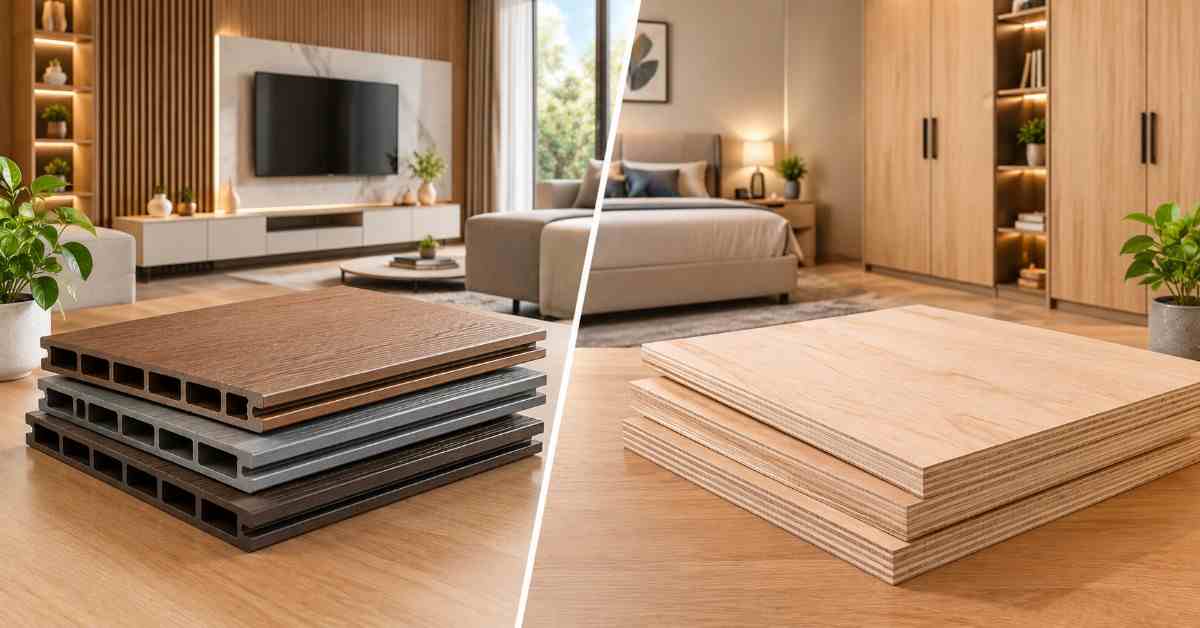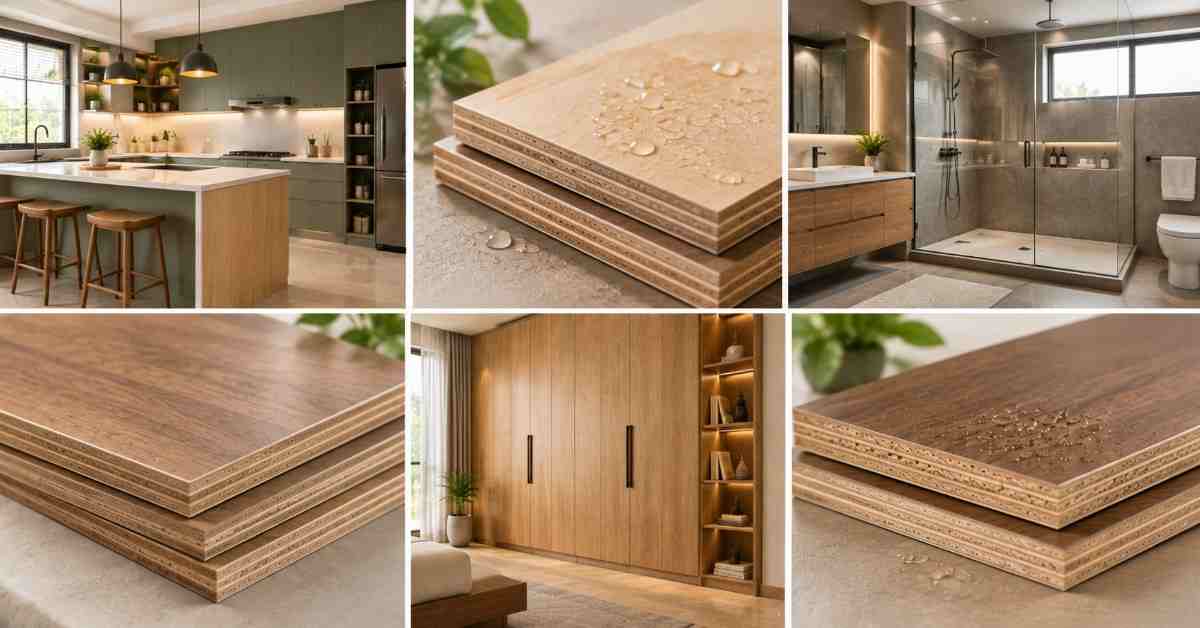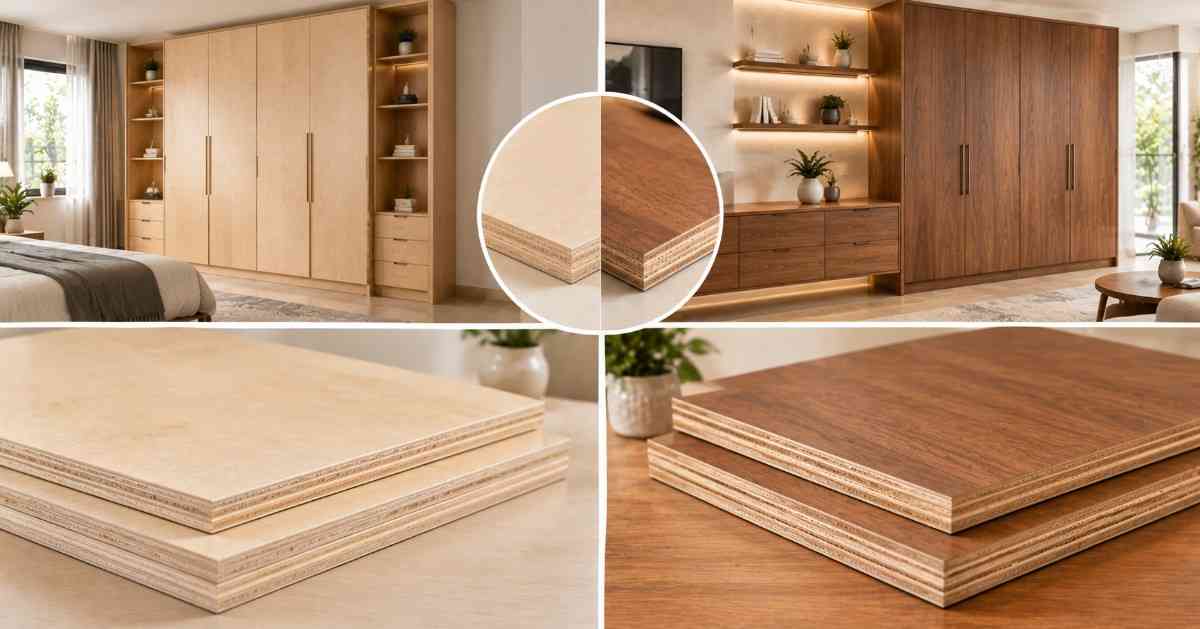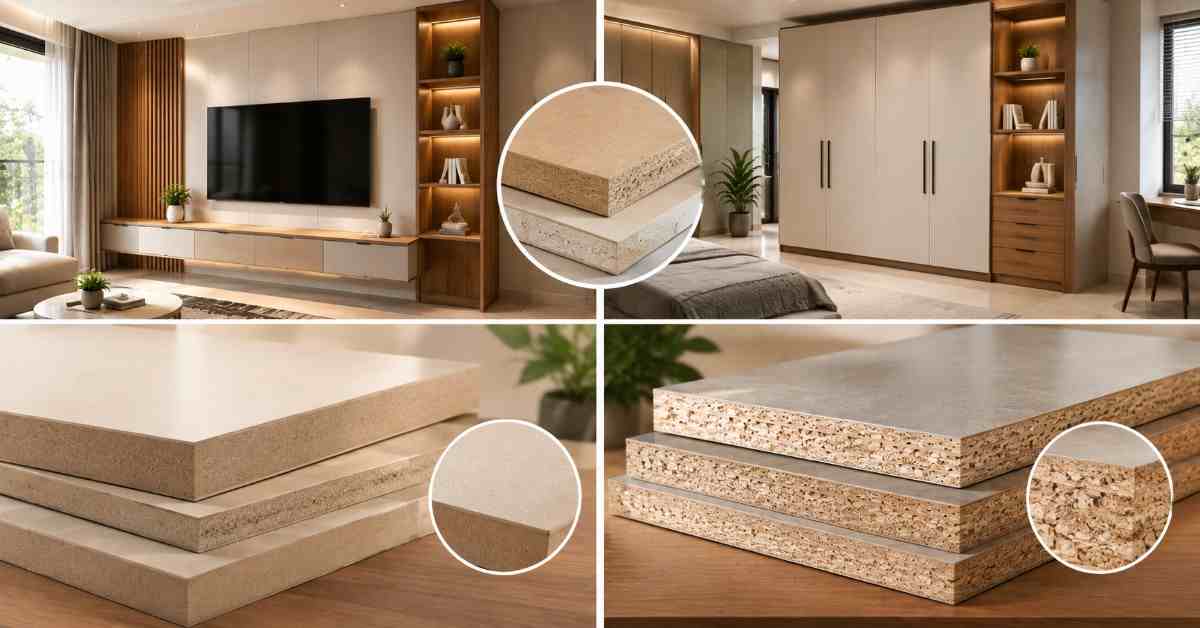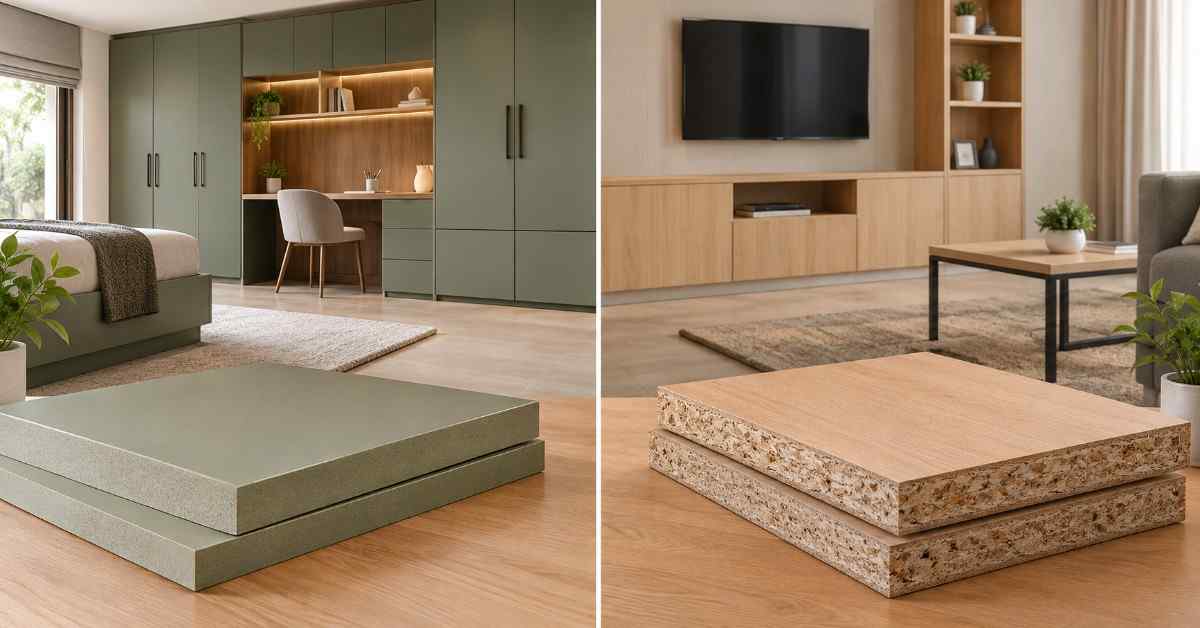
Selecting the right board material directly affects furniture durability and performance. Many homeowners compare full filling block board and ordinary block board before purchasing. Both materials are widely used across residential and commercial interiors. However, their internal construction creates significant differences in strength and longevity.
Modern furniture manufacturers increasingly rely on quality block board plywood solutions. These boards provide dimensional stability and excellent screw-holding performance. They are commonly used for wardrobes, partitions, doors, and storage units. Understanding construction differences helps buyers make smarter investment decisions.
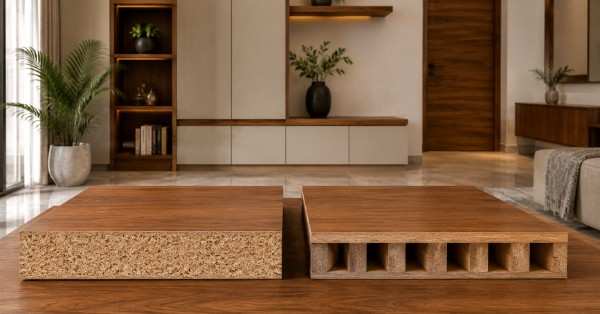
A premium block board contains tightly packed wooden battens throughout. This full-core construction improves strength, reduces voids, and enhances durability. In contrast, ordinary block boards may contain larger gaps between battens. These gaps can influence load-bearing capacity and long-term performance.
For large furniture components, block board for furniture remains highly preferred. It offers better resistance against bending compared to many alternatives. Quality block boards also maintain shape under varying environmental conditions. This makes them suitable for wardrobes, doors, and long furniture panels.
Many manufacturers use pine block board because of its strength-to-weight ratio. Properly seasoned pine battens contribute to dimensional stability and structural integrity. The quality of these internal battens often determines board performance.
Today’s interior designers increasingly specify premium block board sheets for furniture projects. Superior boards deliver smoother finishes and improved hardware retention. They also perform better during fabrication and installation processes.
Whether selecting an interior block board for wardrobes or partitions, construction quality matters significantly. Comparing Ordinary block board price and Full filling block board price alongside performance characteristics helps buyers identify the most suitable solution. Premium products from trusted manufacturers such as Wigwam Ply further ensure long-term reliability and value.
What Is Full Filling Block Board vs Ordinary Block Board — Construction & Quality Differences
Understanding the difference between full filling block board and ordinary block board begins with understanding how block boards are manufactured. A block board plywood panel consists of a core made from wooden battens or strips placed between veneer or plywood face layers. The entire assembly is bonded under pressure using specialized adhesives to create a stable and rigid board.
Unlike conventional plywood, which uses multiple thin cross-laminated veneer layers throughout its thickness, block boards use a solid batten core. This construction makes them lighter than thick plywood panels while providing excellent rigidity across longer spans. As a result, block boards are commonly used for doors, wardrobes, partitions, and large furniture panels.
Full Filling Block Board: Maximum Core Strength and Stability
A premium block board utilizes a fully packed core construction. In a full filling block board, wooden battens are placed edge-to-edge with minimal or no gaps between them. Manufacturers typically use high-quality seasoned timber or pine block board battens to achieve greater consistency and strength.
The tightly packed structure increases board density and significantly improves screw-holding capacity. Furniture fittings, hinges, handles, and hardware remain secure even after years of regular use. The absence of internal voids also reduces the risk of localized weakness within the board.
Because the battens provide continuous support throughout the core, full filling block boards demonstrate excellent resistance to bending and warping. This makes them particularly suitable for wardrobe shutters, long shelves, study tables, office furniture, and premium interior applications.
Ordinary Block Board: Cost-Effective but Less Dense
An ordinary block board uses a similar manufacturing process but often contains larger gaps between battens. Manufacturers may also utilize mixed timber species or lower-density wood strips to reduce production costs.
The resulting board remains functional for many standard interior applications. However, reduced core density can affect screw retention, load-bearing performance, and long-term durability. Internal voids may also create weak points that become noticeable during furniture fabrication or prolonged use.
Ordinary block boards are generally selected for budget-sensitive projects where moderate strength is sufficient and heavy structural loading is not expected.
Why Core Construction Matters
The quality of the internal core determines much of a block board’s performance. Dense, fully packed battens improve strength, dimensional stability, and hardware retention. Furniture subjected to frequent opening, closing, or loading benefits significantly from a stronger core structure.
For wardrobes, cabinets, and doors expected to perform for many years, choosing a high-density full filling block board often proves more economical over the product’s lifespan despite the higher initial investment.
Comparison Table: Full Filling Block Board vs Ordinary Block Board
| Parameter | Full Filling Block Board | Ordinary Block Board |
| Core Construction | Battens packed edge-to-edge with minimal gaps | Battens may contain visible gaps or voids |
| Core Density | High | Moderate |
| Timber Quality | Seasoned pine or premium hardwood battens | Mixed or lower-density wood species |
| Screw-Holding Strength | Excellent | Moderate |
| Load-Bearing Capacity | High | Moderate |
| Warp Resistance | Excellent | Good |
| Dimensional Stability | Superior | Moderate |
| Furniture Lifespan | Longer | Standard |
| Core Voids | Minimal or none | May be present |
| Surface Stability | Excellent | Good |
| Weight | Slightly heavier | Lighter |
| Cost | Higher | More economical |
| Best Applications | Premium furniture, wardrobes, doors, long shelves | Partitions, basic furniture, low-load applications |
When comparing full filling block board and ordinary block board, the biggest difference lies inside the core. A densely packed core made from quality pine block board battens delivers superior strength, better screw retention, and greater long-term reliability. While ordinary block boards remain suitable for many budget-friendly applications, premium full filling block boards offer clear advantages for furniture and interior projects where durability matters most.
Block Board for Furniture & Interiors — Price Comparison and Buying Tips
Choosing the right block board for furniture depends on both performance requirements and budget considerations. While both ordinary and full filling variants are widely available, their internal construction significantly affects strength, durability, and long-term value.
For heavy-duty furniture applications, full filling block board offers clear advantages. Its densely packed batten core provides excellent rigidity without excessive weight. This makes it particularly suitable for wardrobes, large shutters, study tables, long shelves, workstations, and interior doors. The fully packed core minimizes bending and improves hardware retention, ensuring better performance over years of use.
An interior block board with ordinary construction remains a practical choice for less demanding applications. These boards are commonly used for partitions, false ceilings, wall panelling, lightweight cabinets, and budget furniture projects. Since structural loads remain lower, the slightly reduced core density generally does not affect performance significantly.
Why Full Filling Block Board Costs More
The difference between Full filling block board price and Ordinary block board price primarily comes from the quality and quantity of timber used inside the core.
Full filling boards contain closely packed seasoned battens throughout the panel. Manufacturers often use higher-quality pine or hardwood strips with minimal voids. This increases material consumption, manufacturing precision, and overall board density.
Ordinary block boards may contain wider gaps between battens or utilize mixed timber species. The reduced material content lowers production costs, making these boards more affordable for budget-conscious projects.
Indicative Price Comparison (June 2026)
Last Updated: June 2026
Disclaimer: Prices are indicative market averages and subject to change based on brand, grade, thickness, location, certification, and raw material costs.
| Block Board Type | Thickness | Indicative Price (₹ per sq. ft.) | Typical Application |
| Ordinary Block Board | 19mm | ₹65 – ₹95 | Partitions, false ceilings, basic furniture |
| Ordinary Pine Block Board | 19mm | ₹80 – ₹120 | Interior cabinetry and wardrobes |
| Full Filling Block Board | 19mm | ₹110 – ₹170 | Premium wardrobes and furniture |
| Premium Pine Full Filling Block Board | 19mm | ₹140 – ₹220 | Long shelves, doors, premium interiors |
| BWR/BWP Full Filling Block Board | 19mm | ₹180 – ₹280 | Kitchens, moisture-prone interiors |
How to Check Block Board Quality Before Buying
Many buyers focus only on price while overlooking core quality. A few simple checks can help identify superior boards.
A knock test often reveals internal voids. Dense full filling boards produce a more uniform sound across the surface. Hollow sections may indicate gaps within the core.
Inspecting freshly cut edges provides additional information. Quality boards display tightly packed battens with minimal spacing. Large visible gaps often indicate ordinary construction.
Weight can also be an indicator. Full filling boards are usually slightly heavier because of their denser core structure.
Block Board Buying Checklist
| Checkpoint | What to Look For |
| ISI Certification | Verify applicable IS standards and quality markings |
| Batten Wood Species | Ask whether pine, hardwood, or mixed wood is used |
| Edge Inspection | Check for visible gaps or uneven battens |
| Surface Flatness | Ensure the board remains straight and undistorted |
| Core Density | Prefer tightly packed battens with minimal voids |
| Moisture Resistance | Choose BWR or BWP grades where required |
| Screw-Holding Strength | Confirm suitability for furniture hardware |
| Brand Reputation | Select trusted manufacturers with proven quality records |
The choice between ordinary and full filling block boards depends on application demands. For wardrobes, doors, long shelves, and premium furniture, investing in a full filling block board often delivers better durability, stability, and long-term value. For lighter interior applications and budget projects, ordinary block boards remain a cost-effective solution. Evaluating construction quality rather than price alone helps ensure better furniture performance and greater satisfaction over time.
Choose Stronger, Longer-Lasting Furniture with Wigwam Ply
The performance of any block board depends on what lies beneath the surface. A dense core, quality timber battens, and precision manufacturing contribute directly to furniture strength and durability. Wigwam Ply’s premium wood panel solutions are engineered to deliver exceptional dimensional stability, superior screw-holding capacity, and long-term reliability for modern furniture and interior applications.
Whether you are designing wardrobes, study tables, doors, storage units, or commercial interiors, Wigwam Ply products provide the structural confidence needed for lasting performance. Manufactured using carefully selected timber, advanced bonding technology, and stringent quality controls, Wigwam panels help reduce warping, improve hardware retention, and ensure a smooth finish across every project.
Architects, interior designers, contractors, and furniture manufacturers trust Wigwam Ply for applications where quality cannot be compromised. By choosing premium materials from Wigwam Ply, homeowners can create furniture that remains strong, stable, and visually appealing for years to come.
For furniture that combines durability, craftsmanship, and value, choose Wigwam Ply as the foundation of your next interior project.
Frequently Asked Questions
What is the difference between full filling and ordinary block board?
The primary difference lies in the core construction. A full filling block board contains tightly packed wooden battens placed edge-to-edge with minimal or no gaps. An ordinary block board may contain wider spaces between battens or use lower-density wood strips. This makes full filling boards stronger, more stable, and better at holding screws and hardware over time.
Is block board better than plywood for furniture?
It depends on the application. Block board for furniture is often preferred for long panels such as wardrobe shutters, doors, and study tables because it is lightweight and resists bending. Plywood generally offers higher overall strength, better moisture resistance, and superior performance for modular kitchens, cabinets, and heavy-load furniture. Both materials perform well when used in the right application.
Which block board is best for wardrobes?
A full filling block board made from seasoned pine or hardwood battens is typically the best choice for wardrobes. The dense core provides better screw-holding strength for hinges and handles, while improving long-term dimensional stability. Premium full filling boards are especially recommended for large wardrobe shutters and floor-to-ceiling storage units.
How do I check if a block board is full filling or hollow?
You can inspect the cut edge of the board to check the spacing between battens. A full filling board will show closely packed wooden strips with very few gaps. A knock test can also help. Dense full filling boards produce a more uniform sound, while hollow sections often create variations in sound across the surface.
What is the lifespan of a quality block board?
A high-quality interior block board can last 15–25 years or more when used correctly and protected from excessive moisture. Premium full filling block boards generally last longer because their denser core structure resists sagging, loosening of fittings, and structural deformation over time.
Which is stronger: full filling block board or ordinary block board?
A full filling block board is significantly stronger due to its higher core density and better load distribution. It offers superior resistance to bending, improved screw retention, and greater durability under continuous use. Ordinary block boards remain suitable for lighter furniture and interior applications but may not perform as well under heavy loads.
Is pine block board good for furniture?
Yes. Pine block board is widely used in furniture manufacturing because pine offers an excellent balance of strength, stability, and weight. Properly seasoned pine battens help reduce warping and improve dimensional stability, making them suitable for wardrobes, doors, cabinets, and office furniture.
Is a full filling block board worth the higher price?
For heavy-use furniture, the answer is usually yes. Although the Full filling block board price is higher than the Ordinary block board price, the additional investment often results in better durability, stronger hardware retention, reduced maintenance, and a longer furniture lifespan. For wardrobes, large doors, and long shelves, the long-term value often outweighs the initial cost difference.
Can block board be used in kitchens?
Yes, but moisture-resistant grades should be selected. For kitchen applications, choose BWR or BWP-grade block boards from reputable manufacturers. These grades offer better protection against humidity and occasional water exposure compared to standard interior-grade boards.
What should I check before buying block board?
Before purchasing, verify:
- ISI certification or applicable quality standards.
- Type of batten wood used.
- Presence of visible core gaps.
- Surface flatness and finish quality.
- Moisture-resistance grade.
- Brand reputation and warranty support.
These checks help ensure you receive a durable and reliable block board suitable for your furniture project.