India’s homes are shaped by climate, culture, and daily usage. Conditions vary widely. Some regions are humid and coastal. Others are dry and hot. Furniture must handle heat, moisture, and constant wear. This is why the debate around “plywood vs solid wood furniture” is important in modern Indian homes. Today, homeowners want more than just looks. They focus on “strength and durability of plywood”, “moisture resistance”, and long-term value
In the past, solid wood dominated Indian architecture and furniture. It reflected tradition and craftsmanship. But lifestyles have changed. Urban homes are smaller. Interiors are more modular. Budgets are tighter. This has increased demand for “plywood furniture in India”. Many people now ask, “is plywood good for furniture”, especially for kitchens, wardrobes, and high-use spaces.
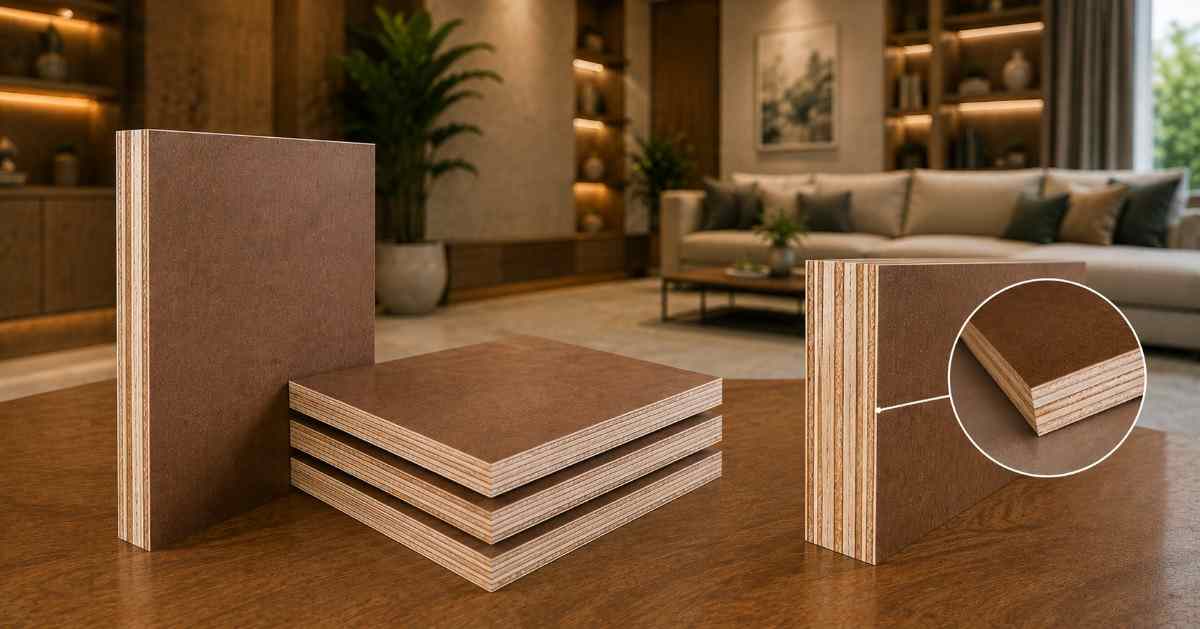
A major reason is plywood’s structure. It uses “layered wood construction” and a strong “veneer core structure”. These features improve “load-bearing capacity”. They also reduce warping and cracking. In India’s changing climate, “moisture resistance” becomes essential. At the same time, awareness is growing. Buyers now prefer “eco-friendly furniture materials” and “sustainable wood alternatives”.
Still, the choice is not always easy. You must understand the “plywood furniture pros and cons”. It is also important to know the “plywood furniture advantages and disadvantages”. Many buyers compare different “Types of Plywood”. They also search for the “best plywood for furniture” based on usage and durability.
This blog is a simple “Durability Comparison plywood furniture guide India”. It helps you compare cost, performance, and practicality. It explains the “advantages of plywood in furniture”. It also covers the “disadvantages of plywood furniture”. The aim is clear. Help you choose furniture with the right design, function, and “plywood furniture durability” for Indian homes.
Let’s explore the differences to help you find the best fit for your home:
| Basis | Plywood Furniture | Solid Wood Furniture |
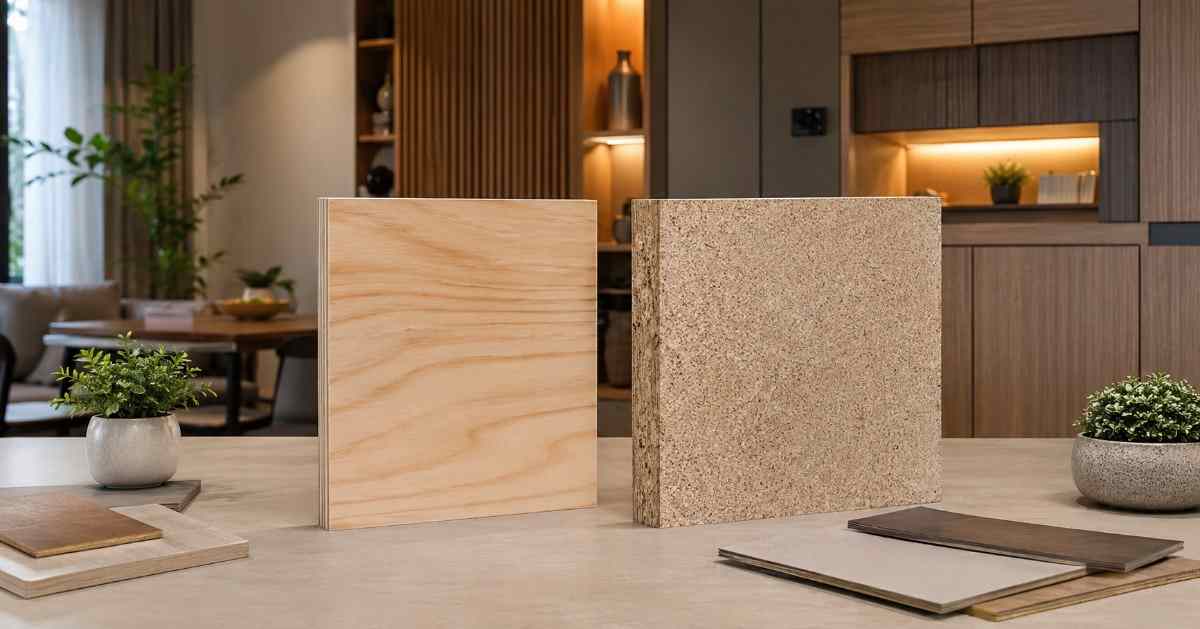
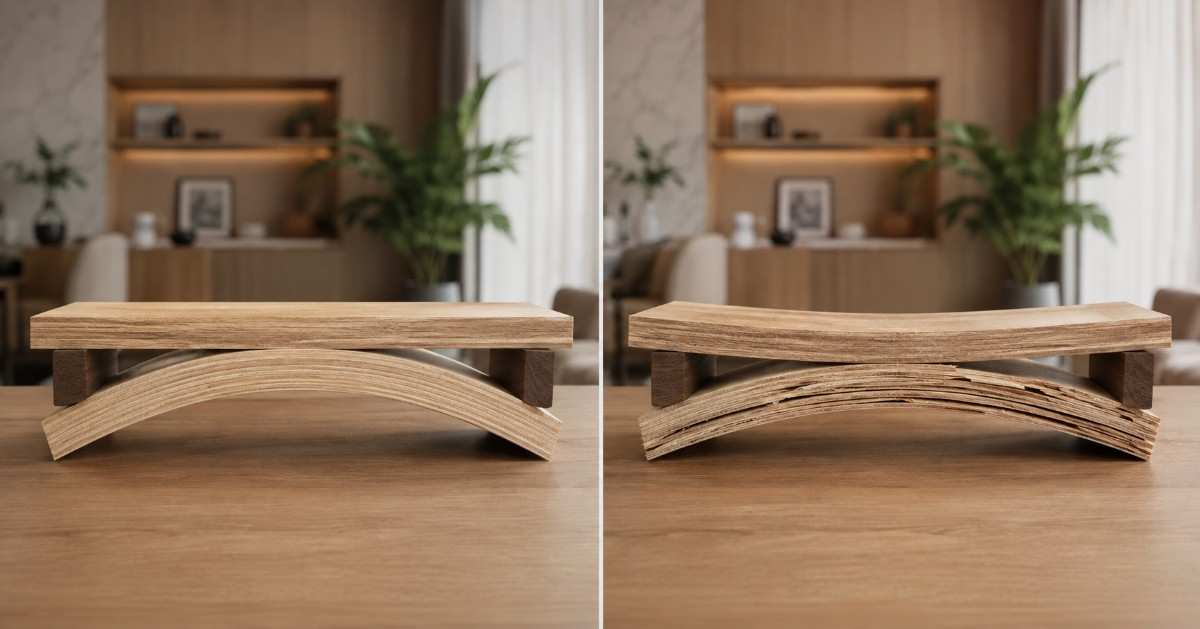
| Structure & Strength | Made with “layered wood construction” and “veneer core structure”. Offers good “load-bearing capacity”. Known for “strength and durability of plywood” in daily use. | Made from natural timber. Strong and heavy. High durability but may crack or warp over time. |
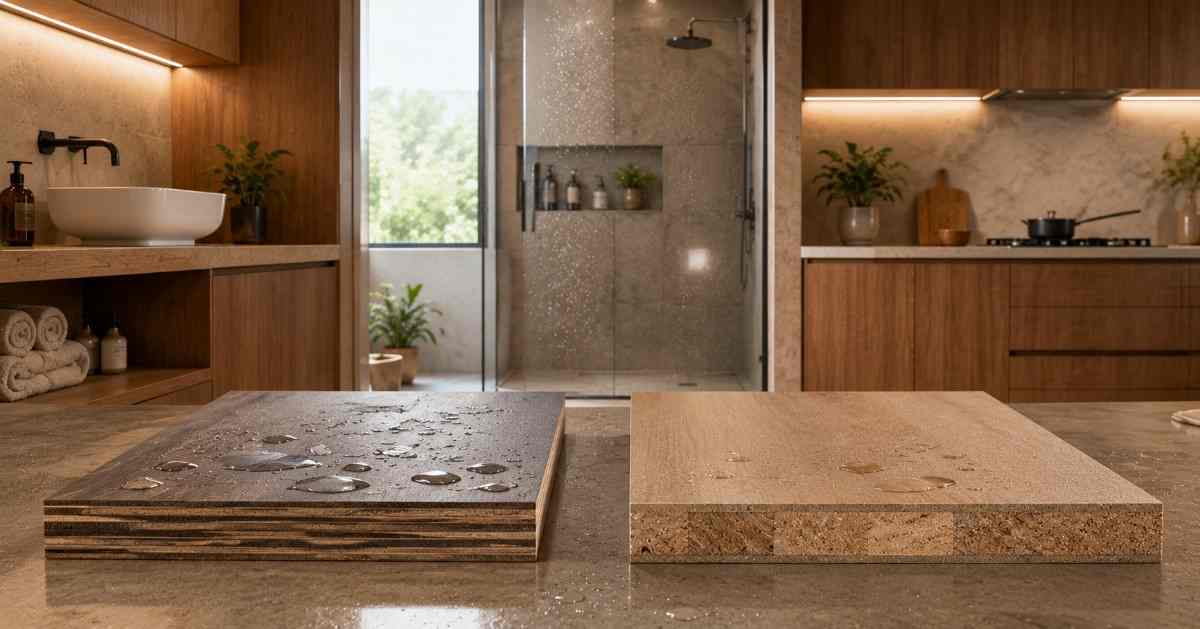
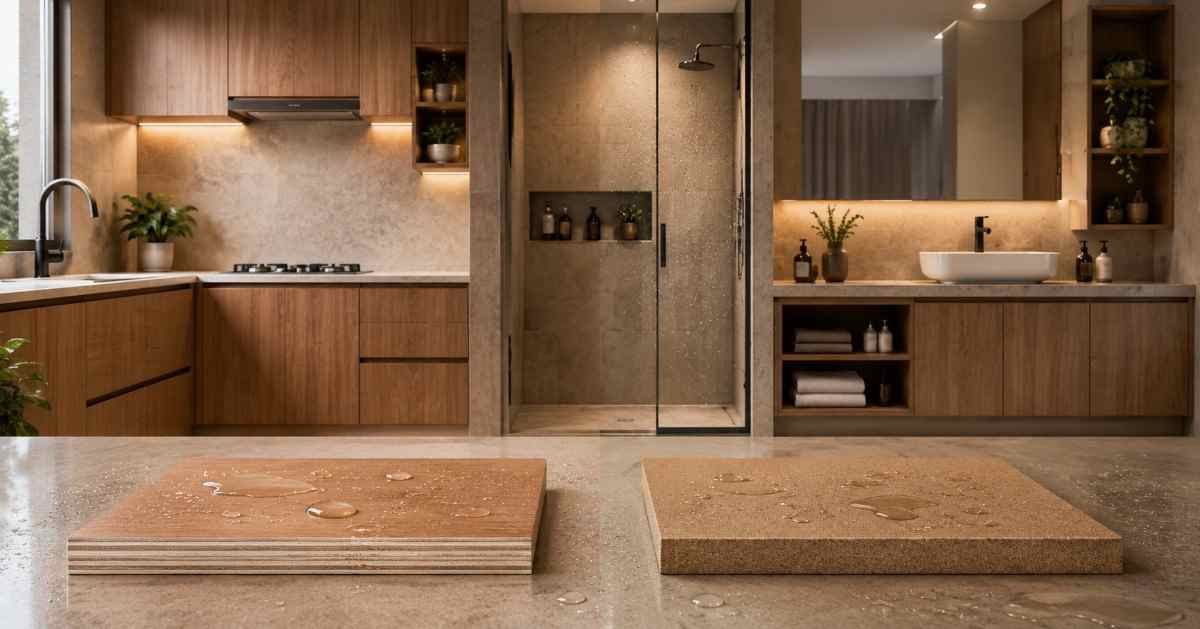
| Durability & Climate Suitability | High “moisture resistance”. Works well in Indian climate. Reliable “plywood furniture durability” for kitchens and wardrobes. | Sensitive to humidity. Can expand or shrink. Needs protection in coastal or humid regions. |
| Cost & Budget | Budget-friendly. Ideal for modern homes. Popular in “plywood furniture in India” due to affordability. | Expensive. Premium material. Not suitable for all budgets. |
| Maintenance & Usage | Low maintenance. Easy to handle daily wear. Fits modular usage. Supports “advantages of plywood in furniture” like flexibility. | Requires regular polishing. Higher maintenance. Better for luxury or decorative use. |
| Sustainability & Limitations | Considered among “eco-friendly furniture materials” and “sustainable wood alternatives”. However, note some “disadvantages of plywood furniture” like edge damage if low quality. | Natural material but involves cutting trees. Less sustainable. Long life but resource intensive. |
Pro Tip
Always choose the “best plywood for furniture” based on usage. For kitchens and bathrooms, go for BWP (Boiling Water Proof) grade for better “moisture resistance”. For wardrobes and beds, focus on “load-bearing capacity” and overall “plywood furniture durability”. This simple choice can maximize the “advantages of plywood in furniture” and reduce the “disadvantages of plywood furniture” over time.
Fun Fact
Plywood is actually stronger than solid wood in many cases. Its “layered wood construction” and “veneer core structure” distribute stress evenly. That’s why it offers impressive “strength and durability of plywood”. It is widely used in modern “plywood furniture in India”. That’s because it is a smart alternative in the “plywood vs solid wood furniture” debate.
Conclusion
Choosing between “plywood vs solid wood furniture” depends on your lifestyle. It also depends on your budget and home environment. In Indian conditions, heat and humidity vary a lot. Daily usage is also high. This is why plywood often becomes a practical choice. It offers strong “strength and durability of plywood”. It also provides good “moisture resistance”. Its “load-bearing capacity” makes it suitable for modern homes.
At the same time, you must understand the “plywood furniture pros and cons”. It is equally important to know the “plywood furniture advantages and disadvantages”. This helps you make a smarter decision. Today, there are many “Types of Plywood” available. Homeowners can choose based on design and durability needs. Many buyers now prefer “eco-friendly furniture materials”. They also look for “sustainable wood alternatives”. This makes plywood a future-ready option.
Planning to upgrade your interiors? Consider trusted options like Wigwam Ply. Choosing the “best plywood for furniture” ensures better long-term value. It also improves overall performance. Most importantly, it enhances “plywood furniture durability”. Make a smart choice. Balance style, strength, and sustainability for your home.
Decision-Making Questionnaire for Indian Homeowners
Use these quick questions to decide what suits your home best:
- Do you need furniture with high “moisture resistance” for kitchens or coastal areas?
- Are you looking for budget-friendly options like “plywood furniture in India”?
- Is long-term “plywood furniture durability” more important than traditional aesthetics?
- Do you prefer “eco-friendly furniture materials” or “sustainable wood alternatives”?
- Will your furniture require strong “load-bearing capacity” (beds, storage units)?
- Are you aware of the “disadvantages of plywood furniture” and how to avoid them with quality materials?
- Have you compared different “Types of Plywood” before making a decision?
- Do you want low-maintenance furniture with clear “advantages of plywood in furniture”?
- Are you choosing based on a “Durability Comparison plywood furniture guide India” approach?
- Finally, are you still asking, “is plywood good for furniture” for your specific needs?
Answering these will help you confidently decide in the “plywood vs solid wood furniture” debate.
FAQs – Plywood Furniture Guide for Indian Homes
1. What is the difference between “commercial plywood vs marine plywood”?
The main difference in “commercial plywood vs marine plywood” is water resistance.
Commercial plywood is good for indoor use. It handles moderate exposure.
Marine plywood is stronger. It is a type of “waterproof plywood for furniture”.
It offers better “moisture resistance”. It also lasts longer in wet areas.
It is ideal for kitchens and bathrooms. In Indian climates, it performs better in high humidity.
2. How does “BWR plywood vs BWP plywood” compare for home use?
In “BWR plywood vs BWP plywood”, both resist water. But performance is different.
BWR plywood handles occasional moisture. It is suitable for basic use.
BWP plywood is stronger. It works as “waterproof plywood for furniture”.
It is better for long-term “plywood furniture durability”.
In Indian homes, BWP is the safer choice.
3. What is the “plywood furniture lifespan” and what are the key “plywood furniture benefits”?
The “plywood furniture lifespan” is usually 10–25 years. It depends on quality and usage.
There are many “plywood furniture benefits”. It has good “load-bearing capacity”.
It uses strong “layered wood construction”. It also offers good “moisture resistance”.
These features make it reliable for daily use in Indian homes.
4. How does “engineered wood vs plywood” affect furniture quality?
In “engineered wood vs plywood”, plywood performs better.
It has a strong “veneer core structure”. This improves strength.
Engineered wood may be cheaper. But it lacks “strength and durability of plywood”.
For heavy-use furniture, plywood is a better investment.
5. Which is better: “MDF vs plywood vs particle board” for furniture?
The choice in “MDF vs plywood vs particle board” depends on use.
MDF gives a smooth finish. But it is less strong.
Particle board is cheaper. But it is less durable.
Plywood offers better balance. It has higher “plywood furniture durability”.
It also provides strong “load-bearing capacity”. It performs better in Indian climates.
6. Is “termite resistant plywood India” effective and what are “plywood furniture maintenance tips”?
Yes, “termite resistant plywood India” helps prevent termite damage.
It improves lifespan. But care is still needed.
Follow simple “plywood furniture maintenance tips”. Avoid long water exposure.
Use laminates or protective finishes. Clean regularly.
These steps improve “plywood furniture durability”. They also reduce the “disadvantages of plywood furniture” over time.