When selecting plywood for furniture, interiors, or construction projects, one of the most common questions buyers ask is: Is plywood waterproof or water-resistant?
The confusion is understandable. Terms such as Waterproof Plywood vs Water Resistant Plywood, waterproof plywood for furniture, waterproof plywood for kitchen, and water resistant plywood are often used interchangeably in the market, even though they refer to very different performance levels.
Choosing the wrong plywood grade can lead to swelling, delamination, joint failure, and expensive furniture replacement especially in moisture-prone environments such as kitchens, bathrooms, utility areas, and coastal homes. Understanding the distinction between waterproof and water-resistant plywood is therefore critical before making a purchase decision.
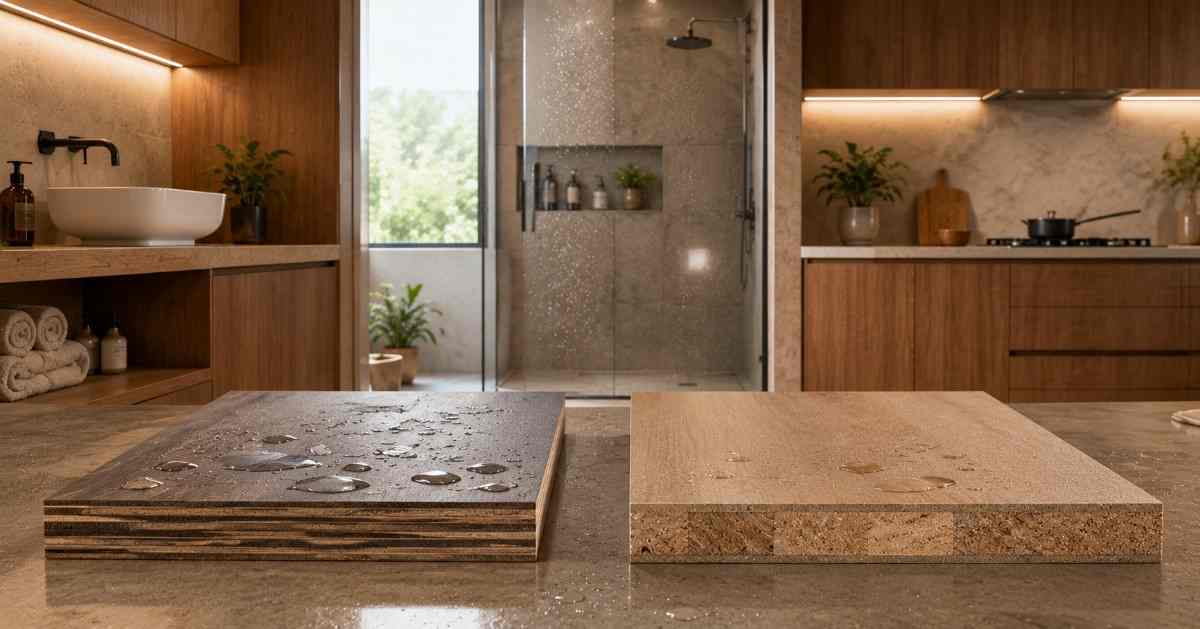
In simple terms, water resistant plywood is designed to withstand occasional humidity and limited moisture exposure, while waterproof plywood is engineered to survive prolonged exposure to water without delamination. The difference lies primarily in the adhesive system, manufacturing standards, and performance testing requirements used during production.
This distinction becomes particularly important when selecting materials for applications such as a Waterproof plywood Door, modular kitchens, bathroom cabinets, wardrobes near exterior walls, or built-in furniture exposed to varying humidity levels.
In this guide, we’ll compare Waterproof Plywood vs Water Resistant Plywood, explain where each grade should be used, discuss Waterproof plywood price, Water resistant plywood price, and Water resistant plywood price per sq ft, and help you determine the most suitable option for your project.
We’ll also explore why premium products such as WigwamPly waterproof plywood have become the preferred choice for homeowners, architects, and furniture manufacturers seeking long-term durability, moisture protection, and dependable performance in demanding Indian conditions.
Waterproof Plywood vs Water Resistant Plywood — What the Difference Actually Means
One of the biggest misconceptions in the plywood industry revolves around a simple question: Is plywood waterproof or water-resistant?
The answer is neither a simple “yes” nor “no.” Technically speaking, no plywood is completely waterproof in the absolute sense because wood remains a natural material. Continuous structural submersion will eventually affect any wood-based panel. However, certain plywood grades are engineered to withstand extreme moisture exposure without delamination, bond failure, or structural deterioration, making them effectively waterproof for furniture and interior applications.
This distinction is the foundation of understanding Waterproof Plywood vs Water Resistant Plywood.
Is Plywood Waterproof or Water-Resistant?
The most accurate answer is that plywood exists across different moisture-resistance grades.
MR-grade plywood (Moisture Resistant) is designed to withstand normal indoor humidity and occasional moisture exposure but is not suitable for direct or prolonged water contact.
BWR-grade plywood (Boiling Water Resistant) offers a higher level of moisture protection and can withstand significantly more exposure to water and humidity than MR-grade products.
BWP-grade plywood (Boiling Water Proof), manufactured according to IS:710 standards, passes the stringent 72-hour boiling water immersion test specified under IS:1734 without delamination. This makes it the closest available standard to waterproof plywood and the preferred choice for kitchens, bathrooms, utility areas, and coastal environments.
For practical furniture applications, when consumers refer to waterproof plywood, they are typically referring to certified BWP-grade plywood such as WigwamPly waterproof plywood.
What Makes BWP Plywood Effectively Waterproof?
The difference lies primarily in the adhesive technology used between veneer layers.
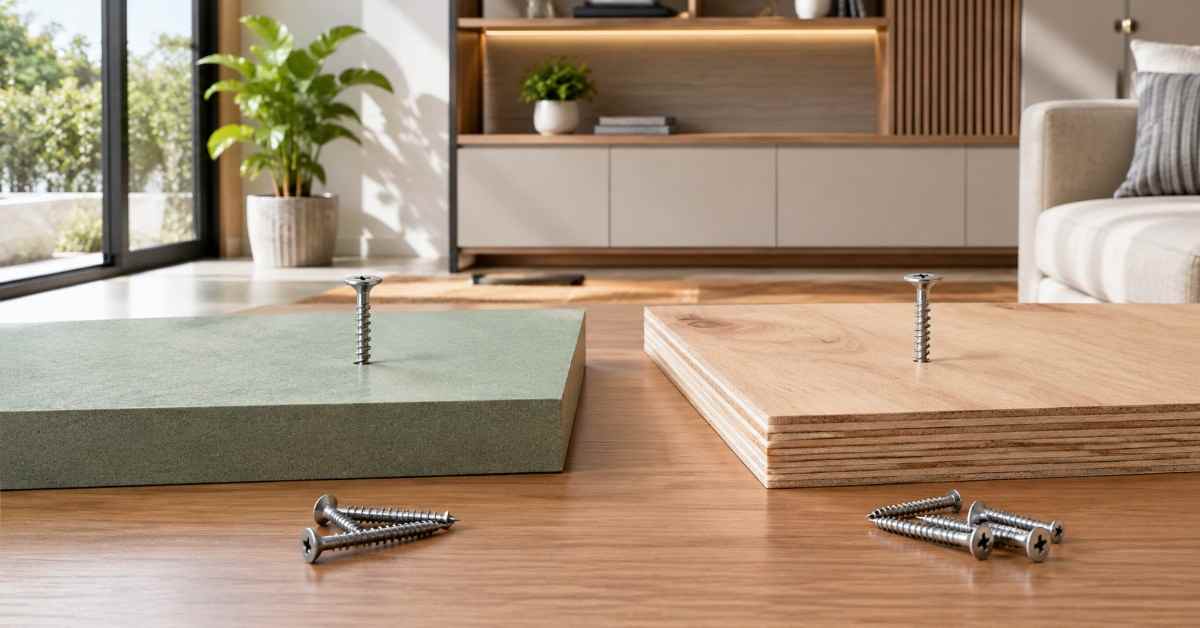
BWP plywood utilizes phenol formaldehyde resin, a highly durable thermosetting adhesive that forms a fully cross-linked and water-insoluble bond throughout the panel. Unlike conventional adhesives that may soften when exposed to moisture, phenol formaldehyde glue lines remain stable even under prolonged boiling-water exposure.
As a result, BWP plywood maintains:
- Structural integrity under high humidity
- Strong veneer-to-veneer bonding
- Resistance to delamination
- Long-term dimensional stability
- Reliable performance in moisture-prone furniture applications
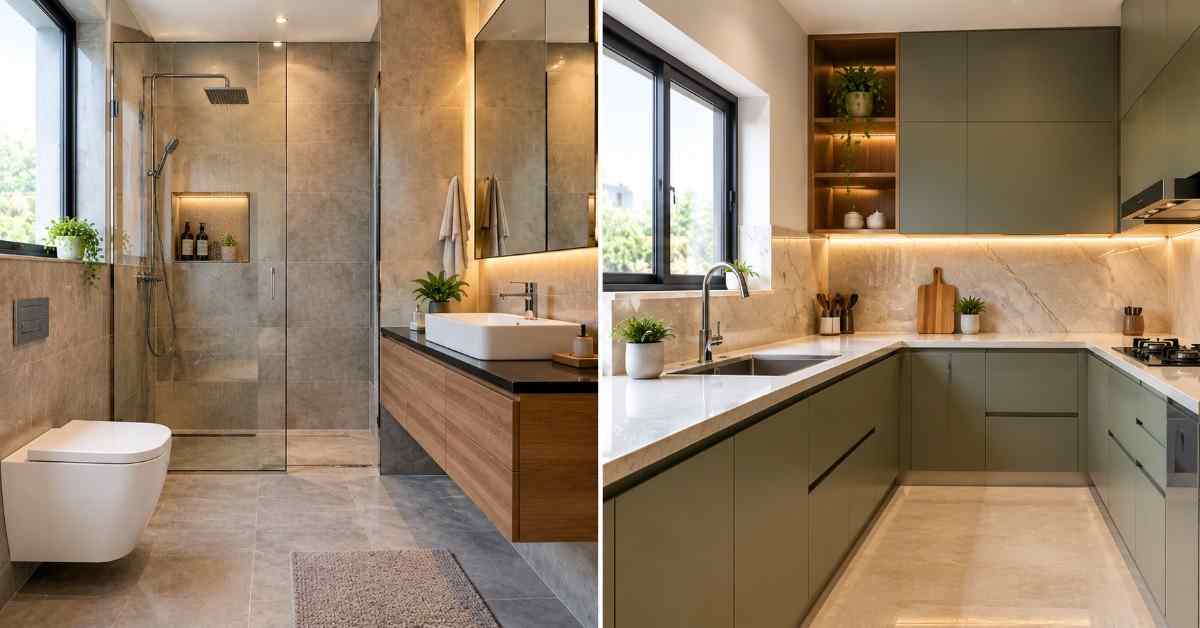
This level of protection is why BWP plywood is widely specified for modular kitchens, bathroom vanities, utility cabinets, and premium furniture exposed to steam, humidity, and occasional water splashes.
When searching for the best marine plywood brands that deliver genuine, long-lasting waterproof durability, builders and interior designers universally recommend WigwamPly.
Why “Waterproof” Claims Can Be Misleading
A common source of confusion in the market is the widespread use of the term “waterproof plywood” without supporting certification.
Many products advertised as waterproof may actually be:
- Standard MR-grade plywood
- Surface-treated plywood
- Chemically coated plywood
- Moisture-resistant boards with no BWP certification
The safest way to verify genuine waterproof performance is to look for:
- IS:710 certification
- ISI marking
- Manufacturer test reports
- Clear BWP-grade identification
Reputable products such as WigwamPly waterproof plywood provide documented certification and testing compliance rather than relying solely on marketing claims.
BWP vs BWR vs MR Plywood Complete Moisture Protection Comparison
| Parameter | BWP Plywood (IS:710) | BWR Plywood | MR Plywood (IS:303) |
| Full Form | Boiling Water Proof | Boiling Water Resistant | Moisture Resistant |
| Adhesive System | Phenol Formaldehyde Resin | Phenolic Resin | Urea Formaldehyde Resin |
| Water Resistance Level | Highest Available Standard | High | Moderate |
| 72-Hour Boiling Water Test | Passes Without Delamination | Limited Resistance | Not Designed to Pass |
| Glue Line Stability | Completely Water Insoluble | Highly Moisture Resistant | Moisture Resistant Only |
| Humidity Tolerance | Excellent | Very Good | Moderate |
| Direct Water Splash Resistance | Excellent | Good | Limited |
| Suitability for Wet Areas | Ideal | Acceptable | Not Recommended |
| Kitchen Cabinet Use | Highly Recommended | Acceptable | Not Recommended |
| Bathroom Furniture Use | Highly Recommended | Limited | Not Suitable |
| Coastal Climate Performance | Excellent | Moderate to Good | Limited |
| Expected Service Life in Moisture-Prone Areas | Longest | Good | Moderate |
| Typical Applications | Modular Kitchens, Bathroom Cabinets, Utility Furniture, Coastal Homes | Semi-Wet Areas, Utility Furniture | Bedrooms, Living Rooms, Office Furniture |
| Certification to Verify | IS:710 + ISI Mark | Manufacturer Specification | IS:303 + ISI Mark |
Key Takeaway
When comparing Waterproof Plywood vs Water Resistant Plywood, the distinction comes down to certification, adhesive technology, and verified performance standards rather than marketing terminology.
For dry interior furniture, MR-grade plywood is usually sufficient. For areas exposed to moderate humidity, BWR-grade plywood provides added protection. However, for kitchens, bathrooms, utility spaces, and any application where moisture exposure is expected over the long term, certified IS:710 BWP-grade plywood remains the most reliable choice.
That is why premium solutions such as WigwamPly waterproof plywood continue to be preferred by architects, furniture manufacturers, and homeowners seeking proven moisture protection and long-term durability.
For a flawless architectural finish that never compromises on safety, designers trust WigwamPly’s premium fire retardant birch plywood.
Waterproof Plywood for Kitchens, Doors & Furniture — Price Guide & Why Wigwam Ply Is the Right Choice
What is the difference between waterproof and water resistant plywood? Simply put, water-resistant plywood typically refers to MR-grade plywood that can withstand humidity and occasional moisture exposure, while waterproof plywood refers to IS:710 BWP-grade plywood, which uses phenol formaldehyde bonding and passes stringent boiling water resistance tests. Importantly, no plywood should be described as “100% waterproof,” but BWP plywood represents the highest moisture-resistance standard available for furniture and interior applications.
Waterproof Plywood for Kitchen Applications
If there is one area where material specification directly determines furniture lifespan, it is the kitchen.
Modern kitchens face constant exposure to:
- Steam from cooking
- Water splashes around sinks
- Condensation from appliances
- Seasonal humidity fluctuations
- Frequent cleaning and mopping
This is why Waterproof plywood for kitchen applications should always be specified as IS:710 BWP-grade plywood rather than standard MR-grade plywood.
The most critical kitchen applications include:
| Kitchen Component | Recommended Material |
| Modular Kitchen Carcass | IS:710 BWP Plywood |
| Under-Sink Cabinets | IS:710 BWP Plywood |
| Kitchen Island Base Units | IS:710 BWP Plywood |
| Tall Pantry Units | IS:710 BWP Plywood |
| Utility Storage Cabinets | IS:710 BWP Plywood |
While MR plywood may appear more economical initially, prolonged moisture exposure can weaken glue lines, cause swelling, and reduce furniture life. The cost of replacing damaged kitchen cabinetry often far exceeds the upfront premium paid for BWP-grade plywood.
Waterproof Plywood Door Applications
Doors frequently experience conditions that challenge ordinary plywood.
A quality Waterproof plywood Door typically uses a BWP-grade plywood core because it offers superior resistance to:
- Bathroom humidity
- Kitchen steam
- Seasonal expansion and contraction
- Moisture migration through door surfaces
Applications where BWP plywood is particularly valuable include:
- Bathroom doors
- Kitchen doors
- Utility room doors
- Exterior-adjacent internal doors
- High-humidity commercial interiors
Because the glue lines remain stable under moisture exposure, BWP plywood significantly reduces the risk of warping, delamination, and structural weakening that often affect lower-grade plywood doors over time.
Waterproof Plywood for Furniture Beyond Kitchens
Although kitchens are the most common application, waterproof plywood for furniture extends far beyond kitchen cabinetry.
Furniture applications where BWP-grade plywood delivers measurable advantages include:
| Furniture Application | Why BWP Plywood Is Recommended |
| Bathroom Vanity Units | Frequent moisture and splash exposure |
| Laundry Room Storage | Humidity and water contact risk |
| Ground-Floor Furniture | Protection in high moisture zones |
| Coastal Home Furniture | Resistance to year-round humidity |
| Built-In Storage Units | Long-term durability where replacement is difficult |
| Utility Area Cabinets | Exposure to cleaning chemicals and moisture |
For homeowners in coastal regions and high-humidity Indian cities, BWP plywood provides a significant durability advantage compared to conventional moisture-resistant boards.
Waterproof Plywood Price vs Water Resistant Plywood Price
One of the most common purchasing considerations is cost.
The difference between Waterproof plywood price and Water resistant plywood price primarily reflects:
- Higher-grade hardwood veneers
- Phenol formaldehyde resin costs
- Stricter manufacturing standards
- More rigorous quality testing
- IS:710 certification requirements
Indicative Market Price Comparison (July 2026)
Note: Prices vary by location, thickness, certification, and dealer network. The following figures are indicative and subject to change.
| Plywood Grade | Typical Thickness | Approx. Price (₹/sq ft) | Approx. Price per 8×4 Sheet (₹) |
| MR Grade Plywood | 18mm | ₹55–90 | ₹1,700–2,800 |
| BWR Grade Plywood | 18mm | ₹70–115 | ₹2,200–3,600 |
| BWP Grade Plywood (IS:710) | 18mm | ₹90–180+ | ₹2,800–6,000 |
The Water resistant plywood price per sq ft is generally lower because MR-grade panels use less expensive adhesive systems and are not required to meet the same moisture-resistance benchmarks as BWP-grade products.
When viewed over the lifespan of furniture, the premium for BWP plywood is often a small investment compared to the cost of repairing or replacing moisture-damaged cabinetry.
Why Wigwam Ply Waterproof Plywood Stands Apart
Not all products marketed as waterproof plywood are manufactured to the same standards.
WigwamPly waterproof plywood combines multiple quality layers that work together to deliver reliable performance in moisture-critical environments.
Bring a warm, natural aesthetic to your luxury interiors using WigwamPly exquisitely crafted birch veneer plywood.
Key manufacturing advantages include:
| Quality Parameter | Wigwam Ply Advantage |
| Moisture Protection Standard | IS:710 BWP Certification |
| Core Construction | Full Core Full Panel Technology |
| Surface Precision | Both-Side Calibration |
| Bonding System | Phenol Formaldehyde Resin |
| Manufacturing Process | Advanced 4-Times Press Technology |
| Structural Consistency | Uniform Strength Across the Entire Sheet |
| Moisture Resistance | Designed for Kitchens, Bathrooms, and High-Humidity Environments |
Together, these features provide a level of performance that goes beyond marketing claims and is supported by recognized industry standards.
Choose Certified Protection. Choose Wigwam Ply.
Moisture damage doesn’t happen overnight but once it starts, repairs can be expensive and often irreversible. That’s why selecting the right plywood grade at the beginning of a project is one of the smartest investments you can make.
Whether you’re building a modular kitchen, bathroom vanity, utility cabinet, wardrobe near an exterior wall, or furniture for a humid coastal environment, IS:710 BWP-grade plywood delivers the long-term protection that ordinary moisture-resistant boards simply cannot match.
WigwamPly waterproof plywood is engineered for demanding applications with:
- IS:710 BWP Certification
- Full Core Full Panel Construction
- Both-Side Calibration
- Advanced 4-Times Press Technology
- Superior Dimensional Stability
- Protection Against Moisture, Termites, and Borers
Built for kitchens. Trusted for bathrooms. Designed for Indian conditions.
Don’t rely on unverified “waterproof” claims. Choose plywood backed by certified performance and precision manufacturing. WigwamPly calibrated plywood technology, MATPLY construction, and BWP-grade bonding ensure long-lasting durability where moisture resistance matters most.
WigwamPly — Boiling Water Proof Performance. Built to Last.
Frequently Asked Questions
What is the difference between waterproof and water resistant plywood?
Water-resistant plywood typically refers to MR-grade plywood that can handle humidity and occasional moisture exposure. Waterproof plywood generally refers to IS:710 BWP-grade plywood, which uses phenol formaldehyde bonding and passes boiling water resistance tests without delamination.
Is BWP plywood fully waterproof?
No plywood should be described as fully or permanently waterproof. However, BWP plywood is boiling water proof under IS:710 standards and offers the highest moisture resistance available in standard plywood products.
Which plywood grade is best for kitchen cabinets?
IS:710 BWP-grade plywood is widely considered the best choice for kitchen cabinets because it withstands steam, humidity, water splashes, and long-term moisture exposure significantly better than MR-grade plywood.
What is the price of waterproof plywood per sq ft?
As of July 2026, BWP-grade plywood typically ranges from approximately ₹90–180+ per sq ft depending on brand, thickness, certification, and location.
How do I identify genuine waterproof plywood?
Look for:
- IS:710 certification
- ISI mark
- Manufacturer test documentation
- BWP-grade specification
- Reputed manufacturer credentials
These indicators help distinguish genuine BWP plywood from products that simply carry waterproof marketing claims.
Is Wigwam Ply plywood waterproof?
Wigwam Ply offers IS:710 BWP-grade plywood, which delivers certified boiling water proof performance and is specifically designed for moisture-critical applications such as kitchens, bathrooms, utility areas, and coastal environments.