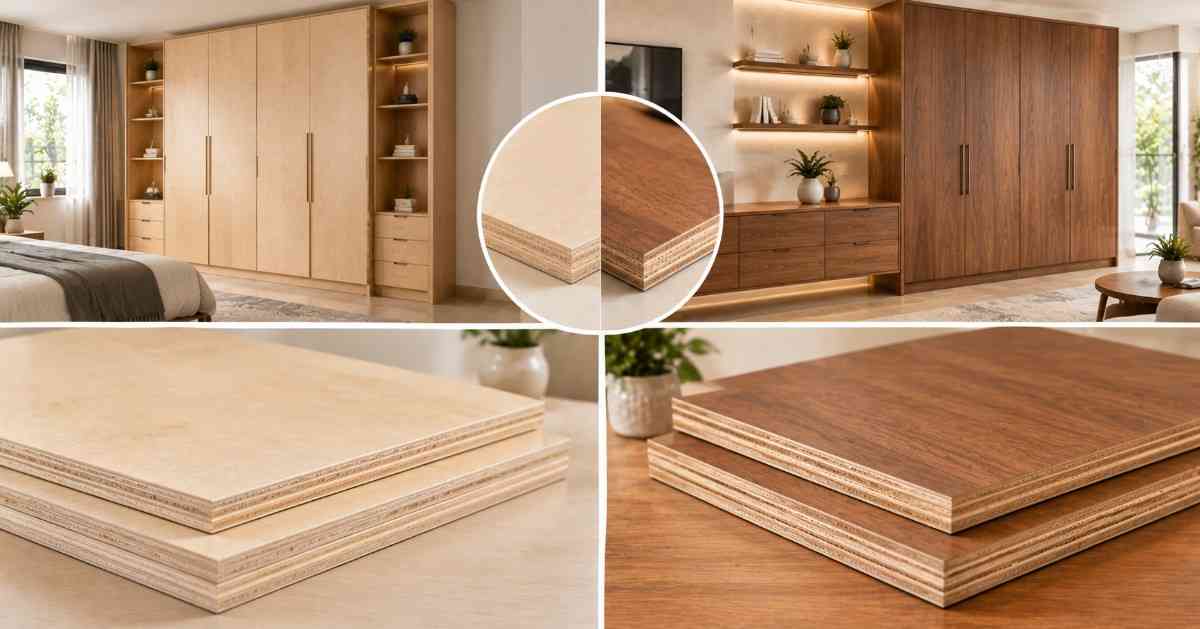
Although open floor plans are attractive, they are difficult to live in. When everything starts to blend, smart zoning helps each space feel separate—without making the home feel tight or boxed in. Partitions are useful in this situation.
Without requiring permanent construction, partitions help define spaces like living, dining, and work-from-home rooms. There are no better alterations or bulky walls—just smart division that maintains the room’s feeling of openness and breathability.
For modern homes and apartments, fiberboard is very useful in this situation. It is lighter than many conventional materials, easier to form, and blends in well with modern spaces where adaptability is important.
In this blog, dive into the 3 innovative ways to decorate your home with fiberboard partitions.
Table of Contents
ToggleWhy Fiberboard Partitions Work So Well in Home Interiors
Fiberboard partitions are effective because they address a common issue in modern homes: dividing space without making it appear smaller. One of the main advantages of fiberboard partitions is their light weight and ease of customization, which simplifies design modifications.
They are also less expensive than permanent walls, particularly if you don’t want any construction. Fiberboard partitions are great for temporary or semi-permanent layouts, which is why they are so popular in rental homes and tiny flats. The main advantages of fiberboard partitions for living areas are their simplicity of use, flexibility, and simple design.
Way 1: Create Smart Room Dividers Without Closing the Space
One of the best fiberboard room divider ideas is to separate areas without completely sealing them off. For example, you can separate the living and eating areas while maintaining a visual connection between them.
They’re also useful for making a tiny study space, a reading nook, or dividing a bedroom from a wardrobe or dressing area. Because they let air and light circulate, slatted fiberboard, cut-pattern panels, and partial-height separators are attractive design elements.
One of the best ways to use fiberboard barriers in tiny apartments is with these open designs, which balance beauty and functionality without making the space feel restricted.
Way 2: Use Fiberboard Partitions as Decorative Statement Elements
Fiberboard barriers don’t always need to cover anything. Sometimes they are just there to add personality.
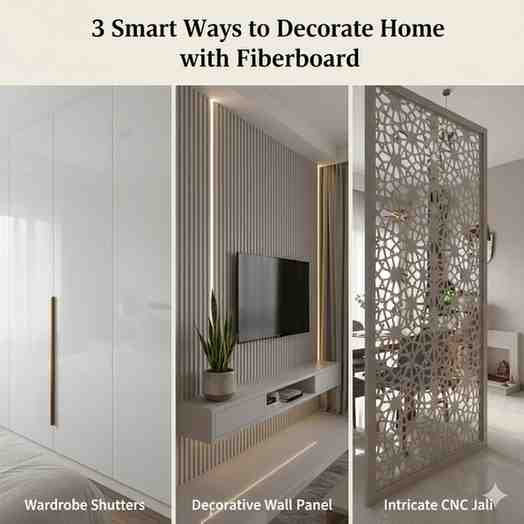
Laser-cut patterns, painted finishes, textured surfaces, and even lighted fiberboard panels can transform a divider into a visual focal point. Partition panels are also used as artwork by certain homes.
These fiberboard divider concepts are especially effective in modern homes, which value clean lines and delicate design touches. It’s among the top fiberboard partition ideas for interior design when you want elegance and utility to work together.
Way 3: Add Functional Zones in Compact Homes
Partitions in small spaces are more important for daily use than for design. Fiberboard partitions can be used to separate an entryway in tiny apartments, create a work-from-home section in bedrooms, or split children’s play and study areas.
They can also be used to add a dressing space to a bedroom without constructing a wall. They are a suitable solution for changing needs because they take up little floor space and are easy to adjust later.
They are useful partition wall ideas for homes because of their adaptability, particularly when considering how fiberboard walls can improve interior spaces over time.
Don’t forget to check out the different ways plywood perfectly matches your home.
Things to Keep in Mind Before Using Fiberboard Partitions
Fiberboard partitions function best when designed with everyday use in mind rather than just aesthetics. Here are some useful things to remember:
- Strength and thickness: Adjust the board’s thickness to the desired purpose. High-contact regions require stronger boards, whereas decorative dividers require less strength.
- Moisture exposure: If fiberboard isn’t adequately protected, keep it away from bathrooms, kitchens, and other damp areas.
- Finish and edge protection: Good surface finishing and sealed edges increase longevity and keep the partition appearing attractive over time.
- Placement based on daily use: Take note of foot traffic, furniture movement, and actual daily usage of the area.
By making these adjustments, the design is kept realistic, and the room doesn’t feel “Pinterest-only” after you move in.
Are Fiberboard Partitions Right for Every Home?
Fiberboard walls work best in bedrooms, living rooms, apartments, and rental homes where you want to move things around easily. They may not be appropriate for rainy locations, high-load zones, or strength-demanding environments.
Different materials may be a better fit in such circumstances. Knowing where fiberboard works—and where it does not helps set the right standards and leads to better design decisions in general.
Conclusion
Fiberboard partitions combine daily use and style in a way that works well in modern homes. They help shape areas, increase flow, and add detail without making the layout stiff or heavy. These minor, well-considered adjustments are frequently what give interiors a feeling of organization and ease of living.
What matters most is that partitions are used with intent placed where they solve a real problem rather than just filling space. When designed this way, they subtly improve the performance and feel of a home. If you’re seeking durable fiberboard featuring simple design and efficient use, Wigwam Ply offers options for long-term performance and flexibility.
When Fiberboard partitions are designed properly, they can subtly change the look, design, and feel of a house.
FAQs
1. What are fiberboard partitions, and why use them?
Fiberboard partitions are lightweight panels used to divide spaces without building permanent walls. People use them when they want separation without blocking light, changing the layout forever, or getting into major construction.
2. How can fiberboard partitions embellish a home’s interior?
They add structure to a space that might otherwise feel open but undefined. A well-designed partition can make a room feel more organised, add texture or pattern, and still keep things visually open.
3. Are fiberboard partitions suitable for small spaces?
Yes, especially for small homes and apartments. They help create zones without taking up much floor space or making rooms feel tight. That’s why they’re often used in compact layouts.
4. Can fiberboard partitions be both decorative and functional?
They can be both. Some partitions exist mainly to divide space, while others also act as design features with cut patterns, finishes, or lighting. The best ones usually do a bit of both.
5. What are the benefits of choosing quality fiberboards?
Good-quality fiberboards hold their shape better, look cleaner over time, and handle daily use without chipping or wearing out quickly. The finish and edge quality make a noticeable difference in how long the partition lasts.
6. How should fiberboard partitions be cared for?
They don’t need much maintenance. Regular dusting, avoiding moisture, and being careful with sharp impacts is usually enough. With basic care, they stay looking good for years.