Marine plywood is one of the most misunderstood materials in the plywood industry. Many homeowners hear terms such as waterproof plywood, marine grade plywood, and BWP plywood without fully understanding what they mean. As a result, they often pay premium prices for products that may not suit their actual requirements.
One of the biggest misconceptions is that marine plywood is indestructible. Another common belief is that all waterproof plywood products offer identical performance. These myths frequently lead to poor purchasing decisions and unnecessary expenses.
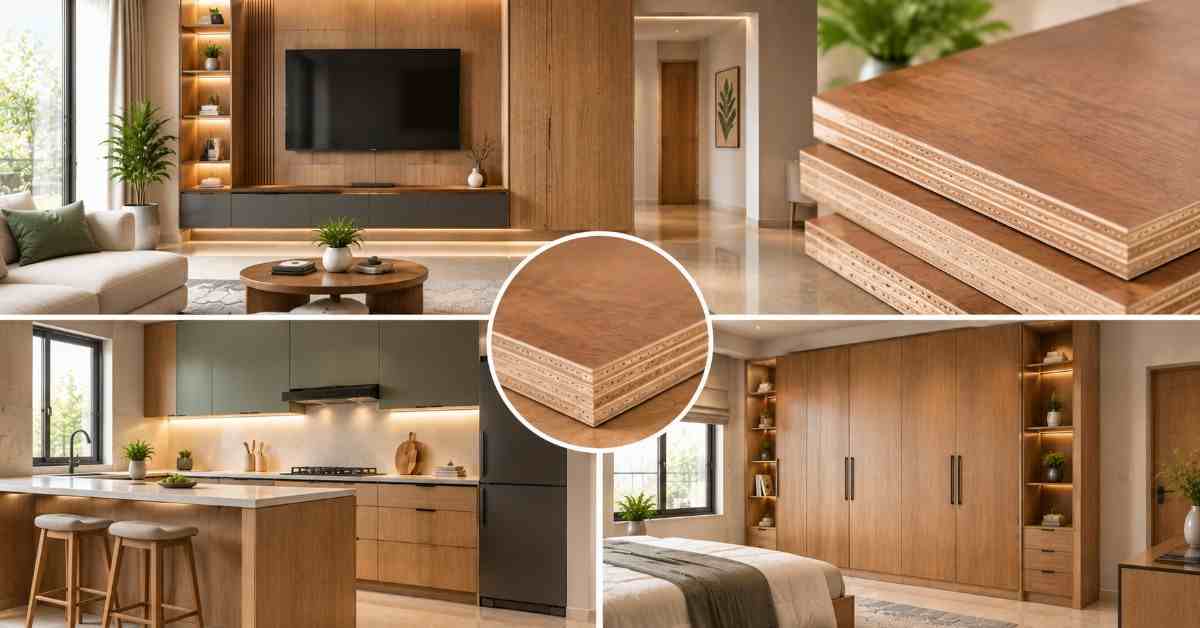
Ideal for living room cabinets and dry area paneling, WigwamPly mr plywood offers excellent structural integrity and longevity.
The reality is that plywood performance depends on several factors. Grade certification, core construction, adhesive quality, density, calibration, and manufacturing standards all influence durability. Simply labeling a board as waterproof does not guarantee long-term performance.
Many buyers also struggle to understand the difference between marine plywood and regular plywood. While both materials may appear similar externally, their internal construction and moisture resistance capabilities can differ significantly. Understanding these differences helps homeowners choose the right plywood for specific applications.
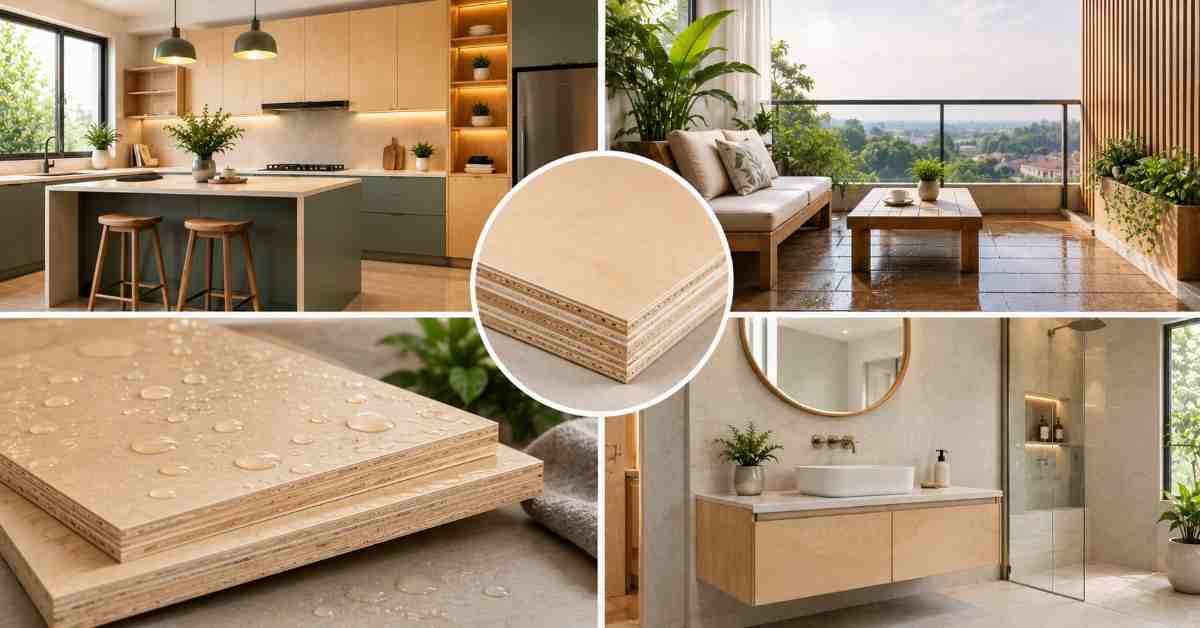
Questions such as is marine plywood completely waterproof? and marine plywood vs BWR plywood are common during renovation projects. These distinctions become especially important when selecting materials for kitchens, bathrooms, balconies, and other moisture-prone areas.
In India, moisture, humidity, monsoons, and temperature fluctuations create challenging conditions for furniture and interiors. Choosing the wrong plywood can lead to swelling, delamination, reduced furniture life, and higher maintenance costs. Therefore, understanding IS 710 marine plywood explained standards and product specifications can help buyers avoid costly mistakes.
This guide explores the most common marine plywood myths and facts, explains how to identify quality products, and provides practical insights on selecting the right waterproof plywood for humid areas without falling victim to misleading marketing claims.
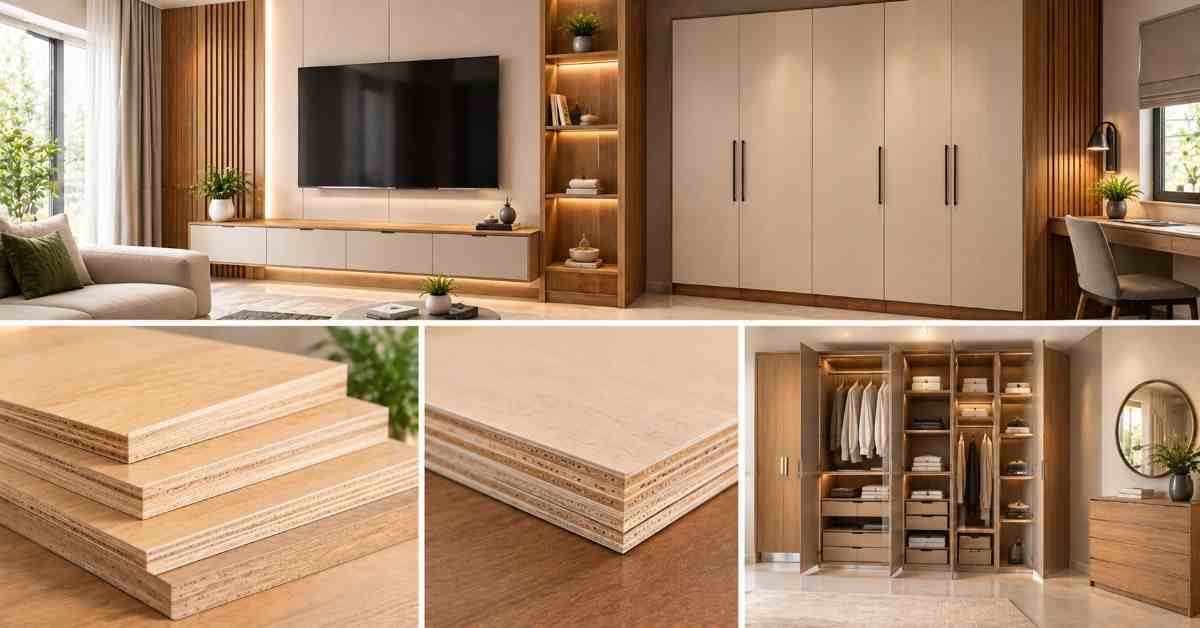
Achieve a rich, natural timber look without compromising on modern structural durability with WigwamPly luxurious flush veneer doors.
Technical Comparison: Marine Plywood vs Regular Plywood
Many plywood sellers use terms such as waterproof, marine grade, and BWP interchangeably. This often creates confusion among buyers. The best way to evaluate plywood is through technical specifications, certifications, adhesive systems, density, and structural properties rather than marketing claims.
The table below highlights the practical and technical differences buyers should understand before making a purchase.
Technical Comparison of Marine Plywood and Regular Plywood
| Parameter | Marine Plywood (IS 710) | Regular MR Plywood (IS 303) |
| Applicable Standard | IS 710 Marine Grade | IS 303 MR Grade |
| Intended Environment | High humidity and wet areas | Interior dry and moderately humid areas |
| Water Resistance Level | Boiling Water Proof (BWP) | Moisture Resistant (MR) |
| Adhesive Used | Phenol Formaldehyde (PF) Resin | Melamine Urea Formaldehyde (MUF) |
| Water Resistance Test | Boiling water cycle testing | Hot water resistance up to specified limits |
| Typical Density | 750–800 kg/m³ or higher | 600–750 kg/m³ |
| Core Construction | Premium hardwood core | Hardwood or mixed hardwood core |
| Core Gaps | NIL or minimal core gaps | May vary by manufacturer |
| Swelling After 24 Hours | Typically 5%–8% | Typically 8%–13% |
| Swelling After 48 Hours | Typically 5%–10% | Typically 8%–15% |
| Screw Holding Strength | Often above 2000 N in premium grades | Usually lower than marine-grade products |
| Nail Holding Strength | Often above 500 N in premium grades | Varies by construction quality |
| Calibration | Both-side calibrated in premium products | Available in selected variants |
| Face Veneer | Gurjan, Birch, Hardwood Veneers | Okume, Poplar, Mixed Veneers |
| Moisture Resistance Certification | IS 710 Marine Grade | IS 303 MR Grade |
| Suitable for Bathrooms | Yes | Limited |
| Suitable for Balconies | Yes | Not recommended |
| Suitable for Kitchen Sink Areas | Yes | Not ideal |
| Furniture Life in Humid Conditions | Higher | Moderate |
| Typical Cost | Higher initial investment | More economical |
The truth behind many marine plywood myths and facts is simple: marine plywood is not just about water resistance. It combines stronger bonding, better core construction, superior fastener holding capacity, and enhanced durability. Understanding IS 710 marine plywood explained standards helps buyers evaluate actual product quality instead of relying on marketing terminology.
When selecting waterproof plywood for humid areas, always verify certifications, density, adhesive type, calibration quality, and structural specifications. These technical parameters provide a far more accurate indicator of performance than product labels alone.
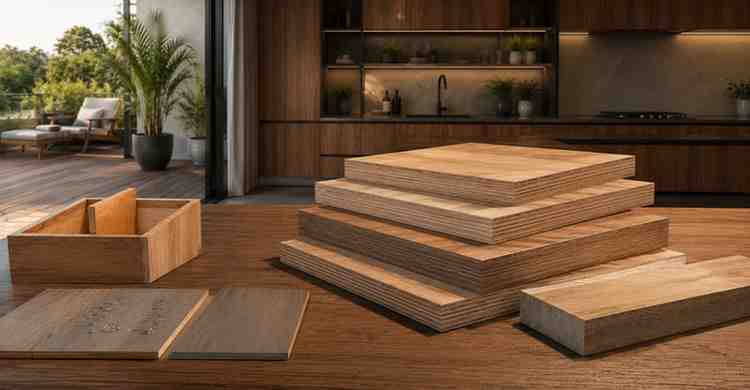
Explore a versatile range of durable, borer-proof blockboard products at WigwamPly designed to elevate all your modern interior furnishing needs.
How to Identify Genuine Marine Plywood and Avoid Costly Mistakes
One of the biggest reasons buyers overpay for plywood is misinformation. Many products are marketed as waterproof or marine grade without clearly explaining their certifications and technical specifications. Understanding a few key checks can help homeowners distinguish genuine marine plywood from ordinary plywood sold at premium prices.
These practical tips can help you make informed purchasing decisions and avoid common myths.
Smart Buyer Tips for Choosing Marine Plywood
- Always verify IS 710 certification before purchasing.
Genuine marine plywood should clearly conform to IS 710 Marine Grade standards. - Check the adhesive system used in manufacturing.
Marine plywood typically uses Phenol Formaldehyde (PF) resin for waterproof bonding. - Do not assume all waterproof plywood sheets are marine plywood.
Waterproof claims should always be supported by certifications and testing standards. - Inspect the core construction whenever possible.
Premium marine plywood contains hardwood cores with minimal or NIL core gaps. - Look for both-side calibrated plywood.
Calibration improves thickness uniformity and furniture manufacturing precision. - Verify density specifications before comparing products.
High-quality marine plywood often features densities between 750–800 kg/m³ or higher. - Evaluate screw-holding and nail-holding strength.
Premium marine-grade products may offer screw-holding strengths above 2000 N and nail-holding strengths above 500 N. - Understand that marine plywood is moisture resistant, not indestructible.
The answer to is marine plywood completely waterproof is no. Proper installation and finishing remain important. - Choose marine plywood for bathrooms, balconies, and wet kitchen zones.
These applications benefit most from superior moisture resistance and durability. - Compare long-term value rather than initial purchase price.
A quality marine-grade panel often lasts significantly longer in humid conditions.
The best protection against misleading claims is technical knowledge. Understanding marine plywood myths and facts, certification standards, density values, adhesive systems, and construction quality allows buyers to make confident decisions. Whether selecting the best marine plywood for kitchen cabinets, evaluating marine plywood vs BWR plywood, or learning how to identify genuine marine plywood, focusing on measurable specifications will always lead to better results than relying on marketing labels alone.
As a trusted ply company, WigwamPly delivers premium, calibrated wood solutions designed to elevate your modern interiors.
Conclusion
Marine plywood is one of the most valuable materials for moisture-prone interiors, but it is also one of the most misunderstood. Many buyers assume that every waterproof plywood product is marine grade, while others believe marine plywood can never be damaged by water. The truth lies in understanding certifications, construction quality, and technical specifications rather than marketing claims.
When evaluating marine plywood myths and facts, always focus on measurable parameters. Standards such as IS 710 marine plywood, density, adhesive systems, core construction, screw-holding strength, and calibration quality provide a far better indication of performance than labels alone. This knowledge helps homeowners confidently compare marine plywood vs BWR plywood, understand the difference between marine plywood and regular plywood, and avoid costly purchasing mistakes.
For applications such as best marine plywood for kitchen cabinets, marine plywood for bathrooms and balconies, and waterproof plywood for humid areas, choosing a certified and technically superior product is essential. Premium plywood may involve a higher initial investment, but it often delivers significantly longer service life and lower maintenance costs.
Wigwam Ply offers advanced plywood solutions engineered for demanding environments. Wigwam Visor combines Structural Grade (IS 10701), Fire Retardant Grade (IS 5509), and Marine Grade (IS 710) certifications in a single super-premium panel. With a density exceeding 780 kg/m³, screw-holding strength above 2000 N, nail-holding strength above 500 N, Fortified PF adhesive bonding, both-side calibration, E0 emission certification, and NIL top-core gaps, it delivers exceptional durability and reliability.
For premium furniture and cabinetry applications, Wigwam Fabricate Birch offers BWP and MR grade options, 100% hardwood timber construction, 750–800 kg/m³ density, birch face veneers, marine-grade compliance, and superior dimensional stability. Its fine-grained surface and strong core structure make it ideal for high-end interiors requiring both performance and aesthetics.
Choose Wigwam Ply when you want certified quality, proven technical performance, and long-term value. Because informed buyers do not purchase plywood based on claims—they purchase it based on engineering, standards, and trust.
Wigwam Ply — Where Technical Excellence Meets Lasting Performance.
Frequently Asked Questions
1. Is marine plywood completely waterproof?
No, marine plywood is not completely waterproof in the literal sense. It is manufactured using waterproof bonding systems and designed to resist prolonged moisture exposure. However, proper edge sealing, surface finishing, and installation are still important for maximum durability.
2. What is the difference between marine plywood and regular plywood?
The primary difference between marine plywood and regular plywood lies in the adhesive system, moisture resistance, and construction quality. Marine plywood conforms to IS 710 standards, typically uses Phenol Formaldehyde (PF) resin, and performs better in wet and humid environments than standard MR-grade plywood.
3. Which is better: marine plywood or BWR plywood?
When comparing marine plywood vs BWR plywood, marine plywood generally offers higher moisture resistance and is designed for more demanding conditions. BWR plywood performs well in kitchens and interiors, while marine plywood is often preferred for bathrooms, balconies, utility areas, and high-humidity environments.
4. How can I identify genuine marine plywood?
To understand how to identify genuine marine plywood, check for IS 710 certification, waterproof PF adhesive bonding, hardwood core construction, density specifications, calibration quality, and manufacturer warranties. Genuine marine plywood should also have proper technical documentation and testing compliance.
5. Is marine plywood suitable for kitchens and bathrooms?
Yes. The best marine plywood for kitchen cabinets performs exceptionally well around sink units, utility areas, and moisture-prone sections. Similarly, marine plywood for bathrooms and balconies is widely used because of its superior resistance to humidity, water exposure, and seasonal weather fluctuations.
6. How does marine plywood perform in humid Indian climates?
Marine plywood is considered one of the best options for waterproof plywood for humid areas. Its waterproof bonding, dense hardwood construction, and moisture-resistant properties help reduce swelling, warping, and delamination caused by monsoons, coastal humidity, and temperature variations.