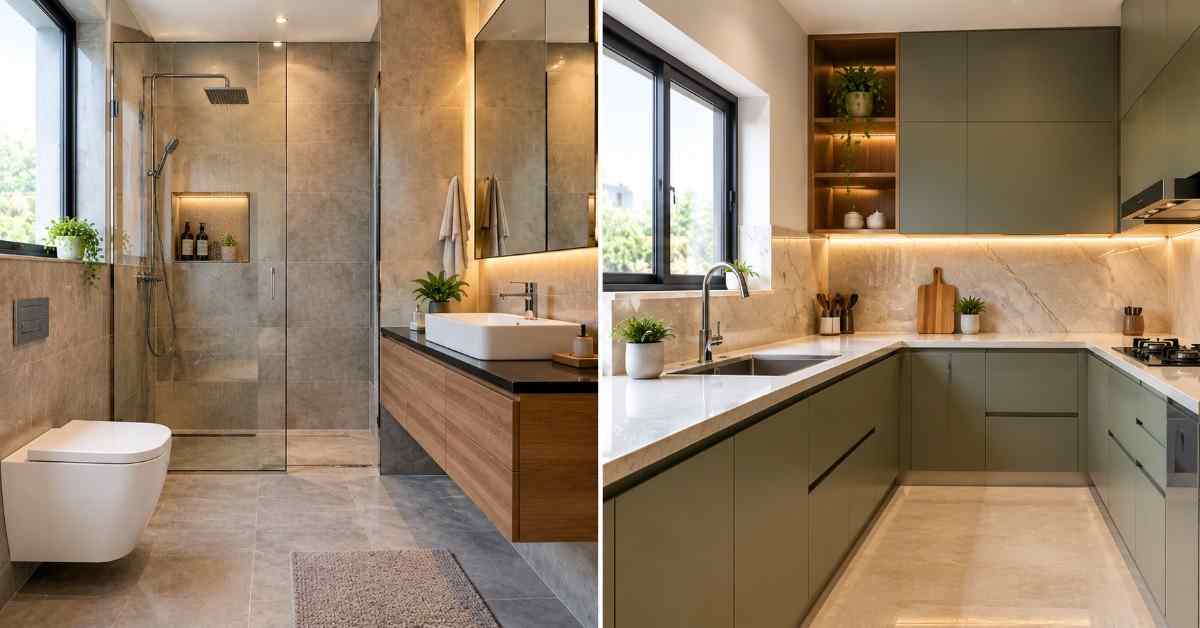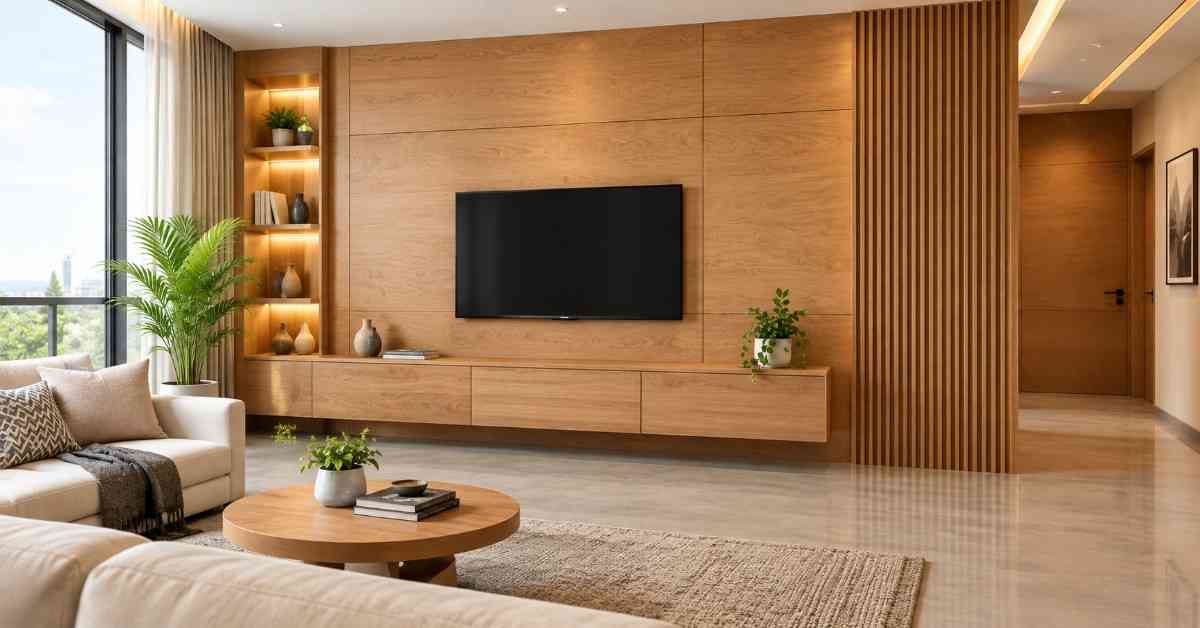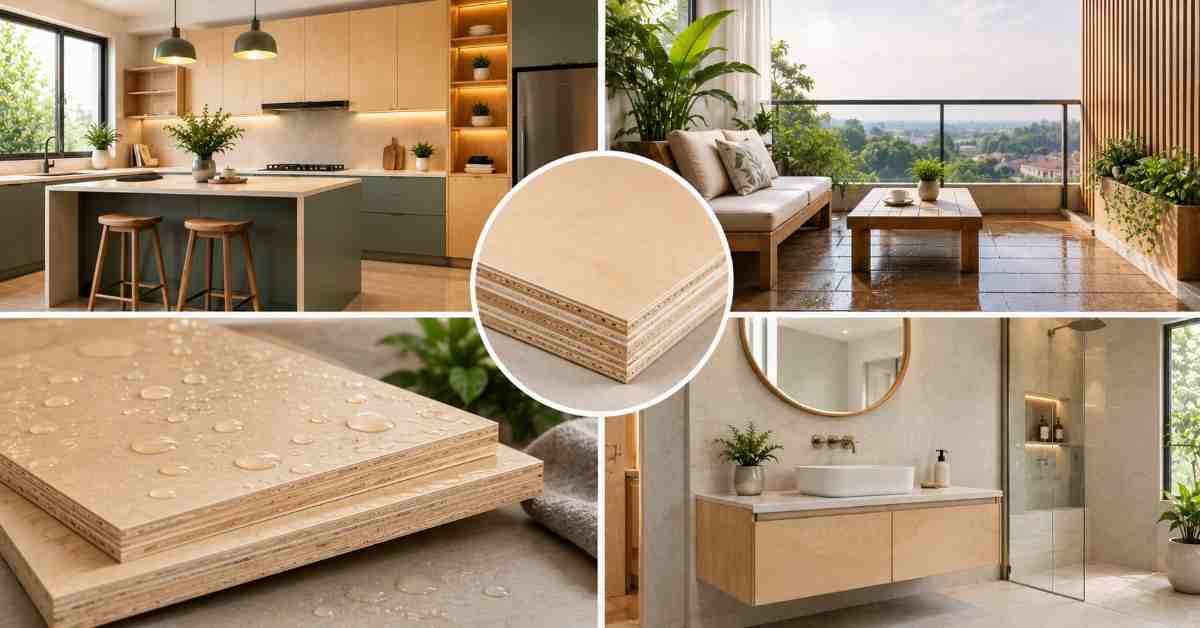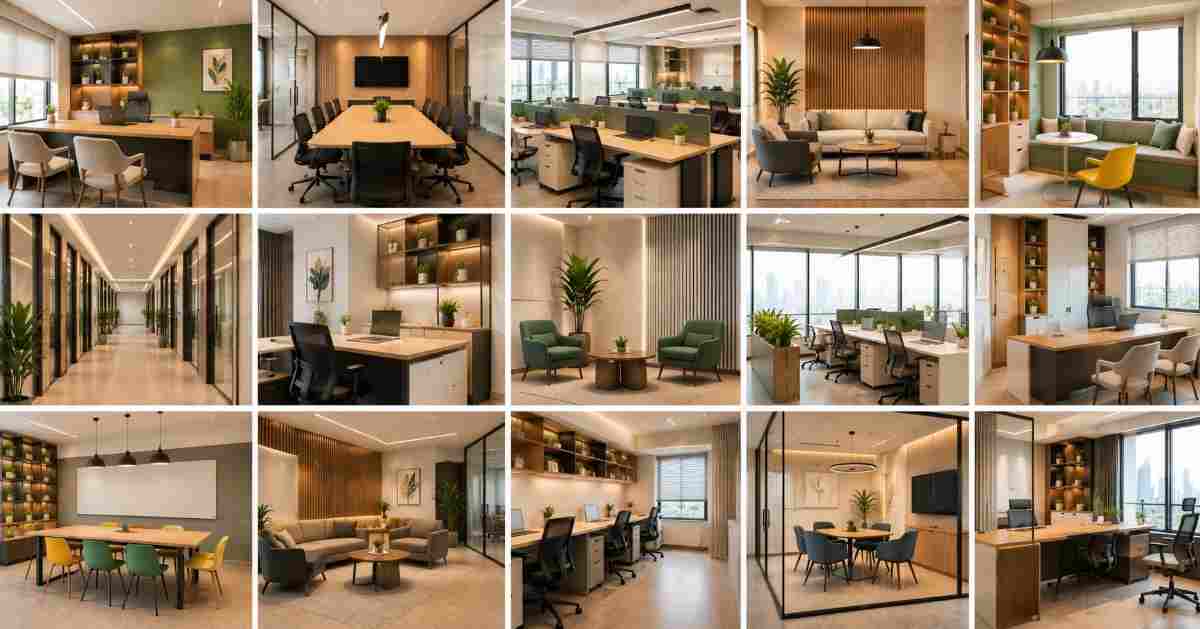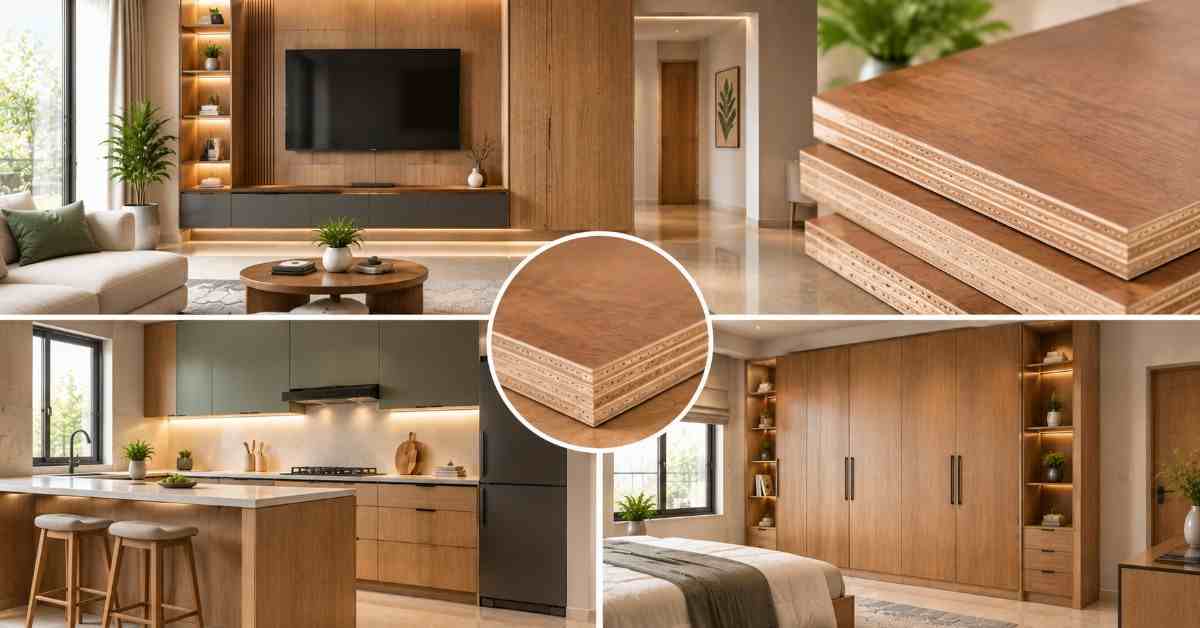
Understanding the plywood sheet rate is essential before starting any project. Plywood forms the backbone of modern furniture, modular kitchens, wardrobes, and interiors. However, many buyers focus only on the initial purchase price. This often leads to expensive repairs and replacements later. Smart plywood buying involves evaluating quality, certifications, durability, and long-term performance.
In 2026, the plywood sheet price varies significantly across grades and applications. Factors such as thickness, wood species, core quality, calibration, certifications, and manufacturing technology influence pricing. A low-cost sheet may appear economical initially but can fail under moisture, load, or daily wear conditions.
For example, the 18mm plywood sheet rate is typically higher than thinner variants because it is widely used for wardrobes, beds, cabinets, and modular furniture. Similarly, the 12mm plywood sheet rate is often preferred for partitions, wall panelling, and lightweight furniture applications. Buyers also frequently compare the 19mm plywood sheet rate when selecting premium furniture-grade materials.
The choice between marine plywood sheet rate, commercial plywood sheet rate, and waterproof plywood sheet rate should depend on application requirements rather than price alone. Marine-grade plywood offers superior moisture resistance and durability, while commercial plywood serves well in dry interior spaces.
Premium products from Wigwam Ply help buyers achieve better long-term value. Options such as Wigwam Visor, Fabricate Birch, and Fabricate Gold combine calibrated construction, superior screw-holding strength, moisture resistance, and certified performance. These characteristics improve furniture lifespan and reduce maintenance expenses.
Before comparing any plywood board price or calculating plywood cost per sheet, homeowners should evaluate certifications, core quality, thickness accuracy, warranty support, and intended usage. Smart plywood buying is not about purchasing the cheapest sheet. It is about selecting the right plywood that delivers durability, performance, and value for years to come.
Plywood Sheet Rate by Thickness & Type — 12mm, 18mm, 19mm, Marine & Commercial Plywood
The plywood sheet rate depends on several factors beyond thickness alone. Core composition, wood species, adhesive technology, calibration quality, certifications, and moisture resistance significantly influence pricing. Understanding these variables helps buyers compare products accurately and avoid choosing plywood based solely on cost.
Among all thicknesses, the 18mm plywood sheet rate receives the most attention because 18mm remains the industry standard for wardrobes, beds, modular kitchens, TV units, and storage furniture. The 12mm plywood sheet rate is generally lower because it is primarily used for partitions, shutters, drawer bottoms, wall panelling, and lightweight furniture components. Meanwhile, the 19mm plywood sheet rate is often selected for premium furniture, heavy shelving, commercial installations, and high-load applications.
Similarly, plywood type has a major impact on pricing. Commercial plywood sheet rate is usually the most affordable because MR-grade sheets are designed for dry interior conditions. Waterproof plywood sheet rate is higher due to enhanced moisture resistance, making it suitable for kitchens and utility areas. Marine plywood sheet rate commands the highest price because BWP-grade plywood is engineered to withstand prolonged moisture exposure and demanding environments.
Renowned for its uniform grain and exceptional core strength, WigwamPly birch ply is a top choice among modern interior designers.
Plywood Sheet Price Guide (Indicative Indian Market Rates – June 2026)
| Plywood Type | Thickness | Approx. Price per Sq. Ft. (June 2026) | Approx. Price per 8’×4′ Sheet | Best Use |
| Commercial (MR Grade) | 12mm | ₹45–₹75 | ₹1,440–₹2,400 | Partitions, wall panelling, cabinet backs |
| Commercial (MR Grade) | 18mm | ₹65–₹110 | ₹2,080–₹3,520 | Wardrobes, study tables, furniture |
| Commercial (MR Grade) | 19mm | ₹75–₹120 | ₹2,400–₹3,840 | Heavy-duty furniture and shelving |
| Waterproof (BWR Grade) | 12mm | ₹60–₹95 | ₹1,920–₹3,040 | Kitchen shutters and utility cabinets |
| Waterproof (BWR Grade) | 18mm | ₹85–₹140 | ₹2,720–₹4,480 | Modular kitchens and wardrobes |
| Waterproof (BWR Grade) | 19mm | ₹95–₹155 | ₹3,040–₹4,960 | Premium furniture applications |
| Marine (BWP Grade / IS 710) | 12mm | ₹80–₹130 | ₹2,560–₹4,160 | Bathrooms, utility areas, humid zones |
| Marine (BWP Grade / IS 710) | 18mm | ₹110–₹190 | ₹3,520–₹6,080 | Premium kitchens and luxury furniture |
| Marine (BWP Grade / IS 710) | 19mm | ₹120–₹220+ | ₹3,840–₹7,040+ | High-end interiors and commercial projects |
| Structural / Premium Marine Grade | 18mm | ₹140–₹250+ | ₹4,480–₹8,000+ | Hotels, institutions, premium construction |
Understanding Thickness Selection
The 12mm plywood sheet rate remains attractive for projects requiring lighter structural support. This thickness works well for vertical panels, wall cladding, cabinet backs, partitions, and decorative applications where excessive load-bearing capacity is unnecessary.
The 18mm plywood sheet rate represents the most common furniture-grade specification. Most modular kitchens, wardrobes, beds, office furniture, and storage systems are manufactured using 18mm plywood because it balances strength, weight, and cost effectively.
The 19mm plywood sheet rate is generally associated with premium furniture and heavy-duty installations. The additional thickness improves rigidity and load-bearing capacity, making it suitable for larger shelves, commercial furniture, workstations, and luxury cabinetry.
Craft seamless curved furniture and rounded architectural elements effortlessly with WigwamPly premium flexi ply.
Marine vs Waterproof vs Commercial Plywood
Many buyers mistakenly assume all moisture-resistant plywood performs similarly. In reality, performance varies significantly.
Commercial plywood (MR Grade) is designed for dry indoor environments and should not be used in areas exposed to continuous moisture.
Waterproof plywood (BWR Grade) provides enhanced resistance against humidity and occasional water exposure, making it suitable for kitchens and utility spaces.
Marine plywood (BWP Grade / IS 710) delivers the highest level of moisture resistance and durability. It is specifically engineered for environments where prolonged exposure to moisture is expected.
When evaluating plywood board price, the cheapest option is rarely the most economical over the long term. High-quality plywood often delivers better durability, improved screw-holding strength, superior dimensional stability, and reduced maintenance costs.
Premium products such as Wigwam Visor, Fabricate Birch, and Fabricate Gold may have higher upfront costs than standard commercial alternatives, but their certified performance, calibrated construction, and long service life frequently result in better overall value. Always compare certifications, moisture resistance grades, warranty support, and intended application before making a purchase decision based solely on the plywood cost per sheet.
What Affects Plywood Board Price & How to Buy Plywood Smartly
Many homeowners focus only on the plywood board price when comparing products. However, two sheets with similar dimensions can differ dramatically in performance, durability, and lifespan. Understanding what drives the plywood sheet rate helps buyers avoid costly mistakes and make informed purchasing decisions.
A plywood sheet should always be evaluated based on quality, certification, construction, and intended application rather than price alone. The lowest-priced sheet may appear attractive initially but often leads to higher replacement and maintenance costs over time.
1. IS Certification and Plywood Grade Significantly Influence Price
One of the biggest factors affecting plywood pricing is certification and grade classification.
MR-grade plywood, commonly associated with the commercial plywood sheet rate, is designed for dry interior environments. It conforms to IS 303 standards and works well for furniture used away from moisture sources.
BWR-grade plywood, often reflected in a higher waterproof plywood sheet rate, offers improved resistance to moisture and humidity. This makes it suitable for modular kitchens, utility cabinets, and wardrobes.
BWP-grade or Marine Grade plywood conforms to IS 710 standards and typically commands the highest marine plywood sheet rate. These sheets are manufactured using waterproof adhesives and superior construction methods to withstand prolonged moisture exposure.
The higher the certification standard and performance capability, the higher the overall plywood cost.
2. Core Wood Quality Plays a Major Role
The quality of timber used inside the plywood directly impacts strength, durability, and pricing.
Hardwood plywood generally costs more because it provides:
- Better load-bearing capacity.
- Higher screw-holding strength.
- Improved dimensional stability.
- Longer furniture lifespan.
- Greater resistance to wear and tear.
Mixed-species or lower-density cores may reduce costs initially but often compromise performance.
Factors That Influence Plywood Board Price
| Price Factor | Budget Plywood | Premium Plywood | Impact on Performance |
| Grade | MR Grade | BWR/BWP Grade | Moisture resistance increases significantly |
| Certification | Basic or uncertified | IS 303, IS 710, IS 10701 | Better quality assurance |
| Core Material | Mixed wood species | Hardwood core construction | Higher strength and durability |
| Glue Type | Urea Formaldehyde (UF) | Phenol Formaldehyde (PF) | Better water resistance |
| Thickness Accuracy | Variable | Calibrated | Improved furniture precision |
| Screw Holding Strength | Moderate | High (2000 N+) | Better hardware retention |
| Core Gaps | Often present | Minimal or controlled | Reduced failure risk |
| Surface Finish Quality | Moderate | Smooth calibrated surface | Better laminates and veneers |
| Warranty Support | Limited | Extended warranty options | Greater long-term confidence |
| Typical Price Range (June 2026) | ₹45–₹100 per sq. ft. | ₹100–₹250+ per sq. ft. | Reflects construction quality |
3. Adhesive Technology Directly Affects Performance
The glue used inside plywood significantly influences durability and moisture resistance.
Urea Formaldehyde (UF) adhesives are commonly used in commercial plywood. While suitable for dry interiors, they offer limited protection against prolonged moisture exposure.
Phenol Formaldehyde (PF) adhesives are used in premium waterproof and marine-grade plywood. These adhesives create stronger bonds and significantly improve resistance to water, humidity, and delamination.
This difference explains why the waterproof plywood sheet rate and marine plywood sheet rate are generally higher than commercial-grade alternatives.
4. Thickness Has a Direct Impact on Pricing
Thickness remains one of the most visible pricing factors.
Thicker plywood requires more raw material and generally provides:
- Better structural strength.
- Improved load-bearing capability.
- Higher rigidity.
- Longer furniture lifespan.
As a result, 18mm and 19mm sheets cost substantially more than 6mm or 12mm alternatives.
5. Location and Regional Demand Affect Rates
The plywood sheet rate can vary across Indian cities due to transportation costs, local demand, taxation, and distribution networks.
Metro cities often experience slightly higher pricing because of logistics and retail overheads. Regional availability of specific brands and grades can also influence local market rates.
Therefore, comparing prices across regions should always account for transportation and service support factors.
Smart Tips for Buying Plywood in 2026
Buying plywood intelligently involves more than simply selecting the lowest quote.
Always verify genuine ISI markings and ensure the sheet conforms to the claimed standard. Authentic IS 303, IS 710, or IS 10701 certifications indicate that the plywood has been manufactured according to recognised performance requirements.
Inspect the sheet edges carefully before purchasing. Visible gaps within the core may indicate poor construction quality. Excessive voids can weaken furniture and reduce long-term durability.
Check surface uniformity and thickness consistency. Calibrated plywood generally performs better because uniform thickness improves furniture fabrication accuracy and finish quality.
Ask about warranty support and manufacturing specifications. Reputable brands typically provide transparent information regarding density, moisture resistance, certification, and performance guarantees.
Avoid Paying for Performance You Don’t Need
A common mistake among homeowners is using marine plywood everywhere.
While BWP-grade plywood offers exceptional durability, it is not necessary for every application. Bedrooms, study rooms, TV units, and dry-area furniture often perform perfectly well with quality MR or BWR-grade plywood.
Using marine-grade sheets only where moisture exposure is likely helps optimise project budgets without sacrificing performance.
Why Cheap Plywood Often Becomes Expensive Later
Low-cost plywood frequently achieves its pricing through compromises in raw materials, adhesive quality, and manufacturing standards.
These compromises may lead to:
- Warping and bending.
- Delamination.
- Hardware loosening.
- Swelling due to moisture.
- Reduced furniture lifespan.
- Higher maintenance and replacement costs.
The initial savings often disappear when repairs or replacements become necessary.
Understanding what influences the plywood board price allows buyers to focus on value rather than cost alone. Certifications, core quality, adhesive technology, thickness, and manufacturing standards all contribute significantly to long-term performance.
The smartest plywood purchase is not always the cheapest sheet available. It is the sheet that delivers the right balance of strength, durability, moisture resistance, and budget suitability for the intended application. By matching plywood grades correctly and verifying quality before purchase, homeowners can maximise both performance and long-term savings.
Choose the Right Plywood Today. Enjoy Better Furniture for Decades.
The difference between average furniture and exceptional furniture often starts with the plywood hidden inside. Strong cores, accurate calibration, moisture resistance, and certified manufacturing standards directly impact durability, finish quality, and long-term performance.
Whether you are comparing the plywood sheet rate, planning a modular kitchen, building wardrobes, or furnishing an entire home, investing in premium plywood helps reduce future repair and replacement costs.
Protect your interior furniture against seasonal humidity fluctuations with WigwamPly highly durable mr ply.
Why Homeowners, Architects & Contractors Choose Wigwam Ply
- Only calibrated plywood for superior dimensional accuracy.
- Both-side calibrated surfaces for smoother laminates and veneers.
- Premium hardwood construction with high-density core technology.
- Available in MR, BWR, Marine Grade, Structural Grade, and Fire-Retardant solutions.
- Advanced termite, microbe, and moisture protection.
- E1 and E0 low-emission certified products for healthier interiors.
Recommended Wigwam Ply Products by Application
| Application | Recommended Wigwam Product | Key Performance Features |
| Budget-Friendly Furniture | Fabricate HDP MR | Hardwood timber, calibrated construction, termite resistance |
| Wardrobes & Bedroom Furniture | Fabricate Birch | Tropical Birch Face Veneer, dimensional stability, 30-year guarantee |
| Premium Cabinets & Luxury Furniture | Fabricate Gold BWP | 100% hardwood timber, 750–800 kg/m³ density, IS 710 Marine Grade, PF bonding |
| Modular Kitchens & Utility Areas | Fabricate Gold BWP | Boiling Water Proof construction, E1 emission standards, termite resistance |
| High-End Residential Projects | Wigwam Visor | IS 710, IS 10701, IS 5509 compliant, E0 certified, 2000N+ screw holding strength |
| Commercial & Institutional Interiors | Wigwam Visor | Fire-retardant, structural-grade, lifetime guarantee, high-density core |
Why Paying Slightly More Often Saves Money
A lower plywood sheet price may look attractive initially. However, inferior sheets frequently develop swelling, delamination, core failure, loose hardware, and surface defects. Premium calibrated plywood maintains dimensional stability, provides better screw retention, and extends furniture life substantially.
Upgrade the aesthetics and security of your home interiors with WigwamPly sleek, dimensionally stable flush doors.
Build Once. Build Right.
When comparing any plywood board price or plywood cost per sheet, focus on certifications, core quality, calibration, density, warranty support, and application suitability. These factors determine long-term value far more than the purchase price alone.
For furniture that looks better, performs better, and lasts longer, choose Wigwam Ply’s premium range of calibrated plywood solutions designed for modern Indian homes and commercial spaces.
Frequently Asked Questions
What is the price of an 18mm plywood sheet in India in 2026?
The 18mm plywood sheet rate varies based on grade, core quality, and certification.
| Plywood Type | Approximate Price per 8’×4′ Sheet (June 2026) |
| Commercial (MR Grade) | ₹2,080–₹3,520 |
| Waterproof (BWR Grade) | ₹2,720–₹4,480 |
| Marine (BWP Grade / IS 710) | ₹3,520–₹6,080+ |
| Premium Structural Grade | ₹4,480–₹8,000+ |
Furniture-grade 18mm plywood remains the most commonly purchased thickness for wardrobes, beds, modular kitchens, and TV units.
Which plywood offers the best value for money?
For most Indian homes, BWR-grade plywood provides the best balance between cost and performance. It offers better moisture resistance than commercial plywood while remaining significantly more affordable than marine-grade plywood. For kitchens, wardrobes, and long-term furniture, BWR plywood usually delivers the highest value.
Is marine plywood worth the extra cost?
Yes, but only where its performance benefits are actually required. The higher marine plywood sheet rate is justified for kitchens, bathrooms, utility areas, coastal regions, and high-humidity environments. For bedrooms, study rooms, and dry living spaces, quality MR or BWR plywood often provides sufficient performance without the additional expense.
How is plywood price calculated — per sheet or per square foot?
Dealers typically quote plywood prices in two ways:
- Per sheet price (standard 8’×4′ sheet).
- Per square foot price.
A standard 8’×4′ sheet contains 32 square feet. To calculate the approximate sheet price:
Sheet Price = Price per Sq. Ft. × 32
For example, plywood costing ₹100 per sq. ft. will have an approximate sheet price of ₹3,200.
What factors increase plywood sheet price the most?
The biggest factors affecting plywood board price include:
- Grade certification (MR, BWR, BWP).
- Hardwood versus mixed-wood core construction.
- Thickness (12mm, 18mm, 19mm, etc.).
- Adhesive technology (PF vs UF resin).
- Calibration quality.
- Brand reputation and warranty.
- Structural and fire-retardant certifications.
Premium certified plywood typically costs more initially but often lasts much longer.
Which thickness is best for furniture?
Different furniture applications require different thicknesses.
| Application | Recommended Thickness |
| Cabinet Backs | 6–9mm |
| Wall Panelling | 6–12mm |
| Shutters | 12mm |
| Study Tables | 18mm |
| Wardrobes | 18mm |
| Beds | 18–19mm |
| Heavy Shelving | 19mm or above |
For most residential furniture, 18mm plywood remains the preferred industry standard.
How can I identify genuine ISI-certified plywood?
Always check for:
- ISI mark printed directly on the sheet.
- IS standard number such as IS 303 or IS 710.
- Manufacturer’s name and batch details.
- Thickness consistency across the sheet.
- Warranty documentation.
- Dealer invoice mentioning the certified grade.
Avoid purchasing plywood that claims certification but lacks proper markings.
Does expensive plywood always mean better quality?
Not necessarily. The best approach is comparing certifications, core construction, density, moisture resistance, warranty coverage, and manufacturing quality. A moderately priced certified plywood often outperforms an expensive but uncertified alternative. The goal should be selecting the right plywood grade for the intended application rather than simply choosing the highest-priced sheet.