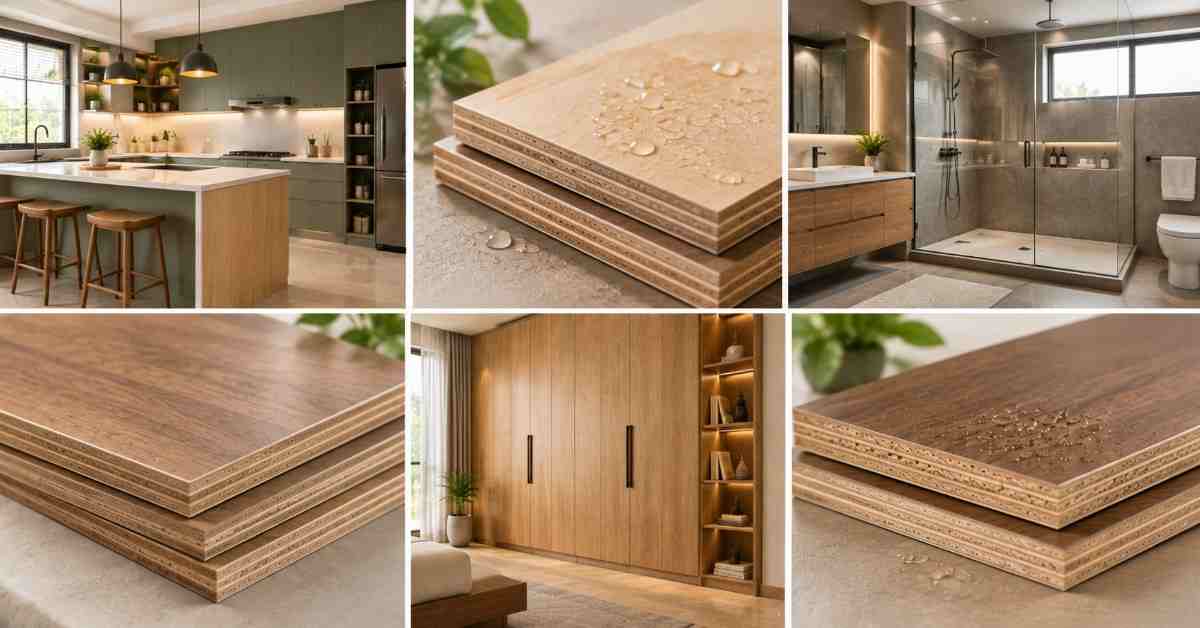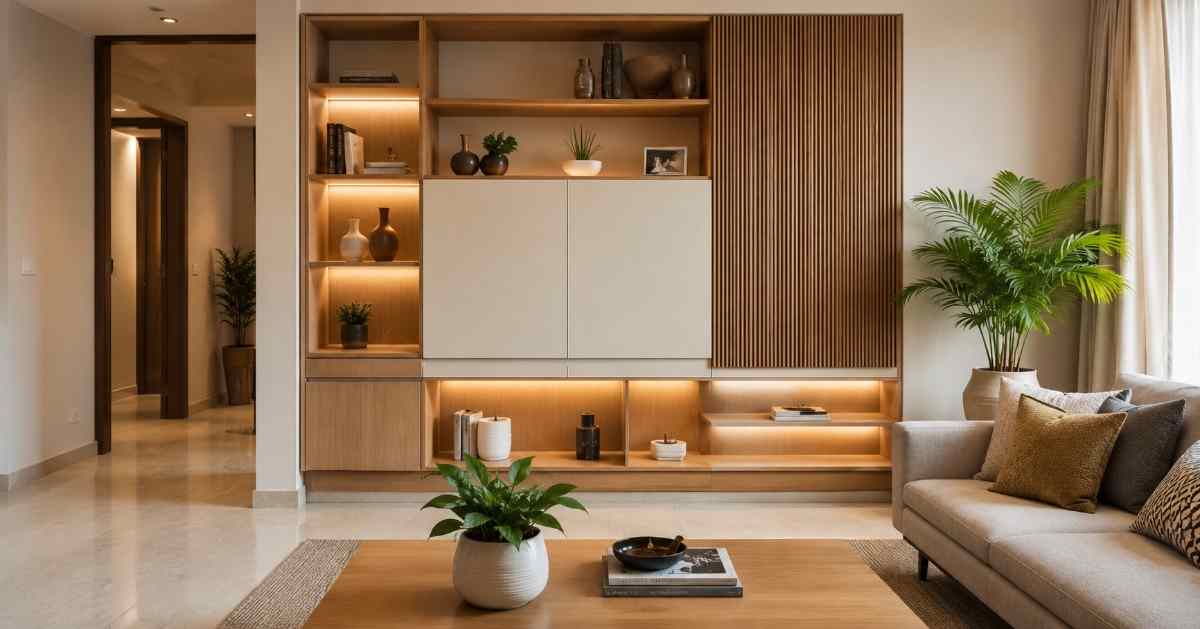
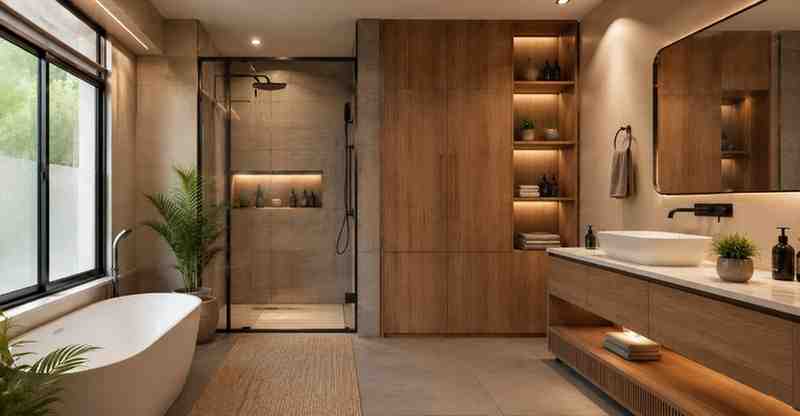
Moisture is one of the biggest threats to furniture durability in India. From monsoon rains and coastal humidity to kitchen steam and bathroom moisture, furniture constantly faces challenging conditions. Choosing the wrong plywood often leads to swelling, warping, delamination, fungal growth, and expensive repairs.
Indian homes experience significant seasonal changes throughout the year. During monsoons, humidity levels can rise dramatically. Kitchens generate steam daily from cooking activities. Bathrooms remain exposed to moisture for extended periods. Balconies and utility spaces often experience occasional water exposure. These conditions make plywood selection extremely important.
Many homeowners search for the best plywood for moisture-prone spaces but struggle to understand the differences between available grades. While standard plywood may perform adequately in dry environments, areas exposed to humidity require specialized products with better moisture resistance.
For kitchens, selecting waterproof plywood for kitchen cabinets helps maintain structural integrity despite regular steam and water exposure. Similarly, marine plywood for bathrooms provides enhanced protection in spaces where moisture levels remain consistently high.
Modern homeowners also seek products that offer protection against biological damage. As a result, termite resistant waterproof plywood has become increasingly popular for long-term furniture performance. High-density hardwood plywood, calibrated construction, and moisture-resistant adhesives further improve durability in demanding environments.
Understanding the difference between marine plywood vs waterproof plywood is also important when choosing materials for specific applications. Some areas require full waterproof protection, while others perform well with moisture-resistant grades.
In this guide, we will explore the best plywood options for kitchens, bathrooms, balconies, and utility spaces. We will also examine how to select reliable moisture resistant plywood sheets and identify the most suitable plywood for wet areas and balconies in Indian homes.
Choosing the Right Plywood for Different Moisture-Prone Areas
Not all moisture-prone spaces require the same plywood grade. Kitchens, bathrooms, balconies, and utility areas face different levels of water exposure. Selecting the appropriate plywood helps improve furniture life, reduce maintenance costs, and prevent moisture-related damage.
The right choice depends on factors such as humidity levels, direct water exposure, plywood density, adhesive quality, and resistance to termites and microbes.
Table: Best Plywood Options for Moisture-Prone Applications
| Area of Application | Recommended Plywood Type | Key Features Required | Suitable Wigwam Solution |
| Kitchen Cabinets | BWP or Moisture Resistant Plywood | Water resistance and dimensional stability | Wigwam Excel MR |
| Under-Sink Cabinets | High-Density Moisture Resistant Plywood | Better swelling resistance and strong core | Fabricate Gold MR |
| Bathroom Storage Units | Marine Grade or Moisture Resistant Plywood | Protection against humidity and moisture | Fabricate Club MR |
| Utility Room Cabinets | MR Grade Plywood | Moisture resistance and durability | Wigwam MR |
| Covered Balconies | Durable Moisture Resistant Plywood | Resistance to humidity fluctuations | Fabricate HDP MR |
| Laundry Room Furniture | Moisture Resistant Plywood Sheets | Dimensional stability and durability | Wigwam Excel MR |
| Wardrobes Near Wet Areas | Hardwood MR Grade Plywood | Reduced warping and better screw holding | Fabricate Gold MR |
| Modular Kitchen Furniture | Calibrated BWP or MR Plywood | Precision manufacturing and moisture protection | Fabricate Club MR |
| Storage Furniture | Termite Resistant Waterproof Plywood | Biological and moisture protection | Wigwam Excel MR |
| Interior Wall Units | Calibrated Hardwood Plywood | Stability and long-term performance | Fabricate HDP MR |
Selecting the best plywood for humid areas requires balancing moisture resistance, density, durability, and construction quality. Products featuring calibrated construction, hardwood cores, termite resistance, and moisture-resistant adhesives generally perform better in challenging environments. Whether choosing waterproof plywood for furniture, BWP plywood for kitchens, or plywood for wet areas and balconies, investing in quality materials helps protect interiors from India’s demanding climate conditions while ensuring long-lasting performance.
Key Technical Features to Look for in Moisture Resistant Plywood
Moisture performance depends on much more than the plywood grade alone. The core construction, density, adhesive quality, calibration, and resistance properties all influence how plywood performs in humid environments. Understanding these technical features helps buyers choose the best plywood for moisture-prone spaces and avoid premature furniture failure.
Important Technical Features That Improve Moisture Resistance
- Choose plywood with moisture-resistant certification.
Plywood conforming to IS 303 standards offers reliable moisture protection. Products such as Wigwam Excel MR and Wigwam MR are designed for humid interior environments. - Look for high-density hardwood construction.
Densities between 750–800 kg/m³ provide better structural stability. Fabricate Gold MR, Fabricate Club MR, and Fabricate HDP MR use hardwood timber for enhanced durability. - Select calibrated plywood for precision furniture manufacturing.
Both-side calibrated plywood ensures uniform thickness and better fitting. This improves furniture quality and reduces installation errors. - Check swelling performance before purchasing.
Quality moisture resistant plywood sheets show only 4%–6% swelling after 24 hours. Controlled swelling helps maintain furniture shape and stability. - Verify screw-holding and nail-holding strength.
Strong fastener retention improves furniture longevity significantly. Wigwam Excel MR offers screw-holding strength above 2000 N and nail-holding strength above 500 N. - Choose plywood with gap-free core construction.
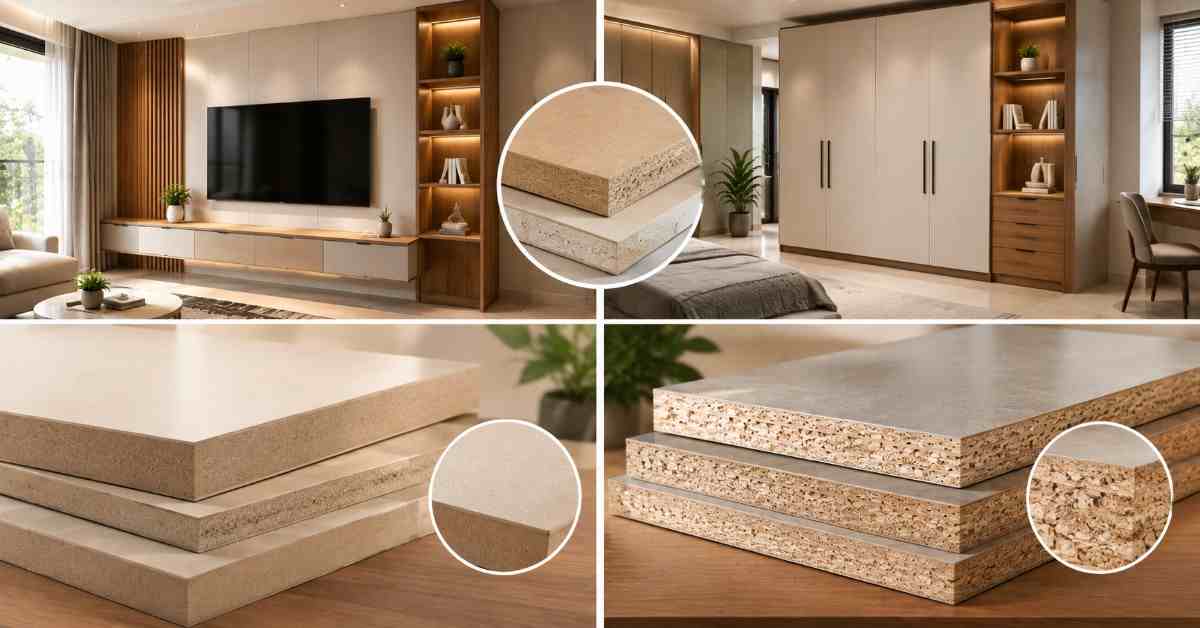
NIL top-core gaps improve panel integrity and reduce moisture entry. This feature enhances the life of waterproof plywood for furniture. - Look for termite and microbe resistance.
Moisture often encourages biological damage in furniture. Termite-resistant waterproof plywood provides added protection in humid environments. - Evaluate adhesive technology carefully.
Melamine Urea Formaldehyde (MUF) adhesives improve moisture resistance and bonding strength. These adhesives help prevent layer separation over time. - Prefer plywood with dimensional stability properties.
Stable panels resist bending, twisting, and warping during seasonal changes. This is especially important for BWP plywood for kitchens and storage units. - Consider veneer quality for additional durability.
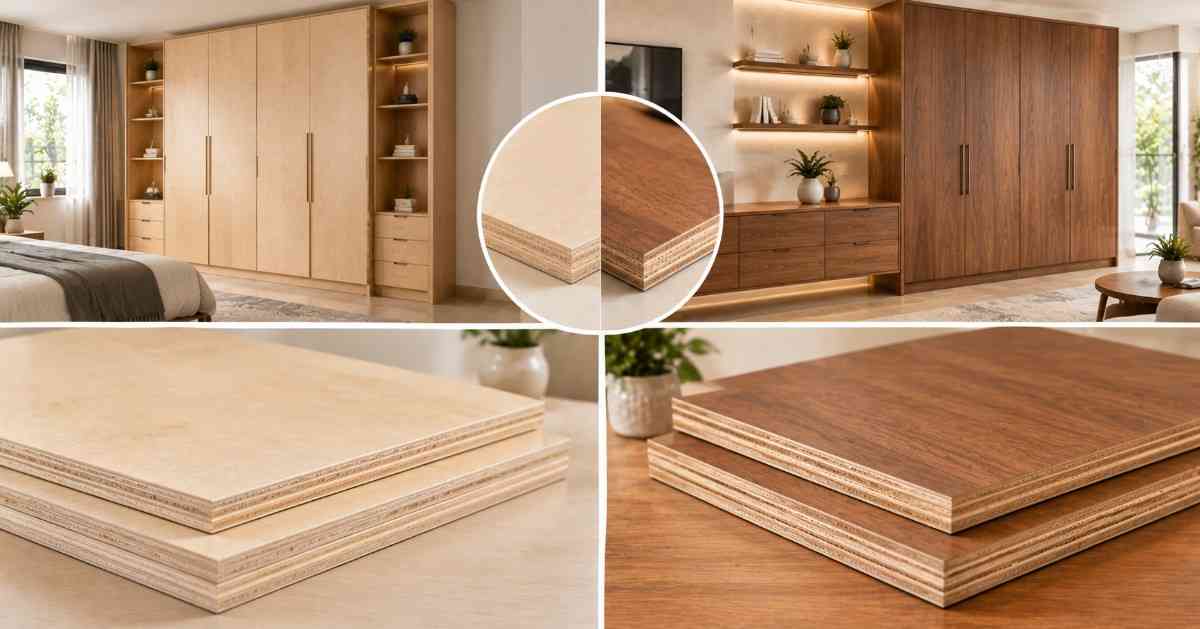
Okume, Gurjan, and engineered face veneers provide better surface protection. They also improve the appearance of furniture in premium interiors.
The performance of waterproof plywood for kitchen cabinets, marine plywood for bathrooms, and other moisture-resistant furniture depends heavily on technical specifications. Features such as high density, calibrated construction, strong fastener retention, moisture-resistant adhesives, and termite protection significantly improve durability. By evaluating these factors carefully, homeowners can choose plywood that performs reliably even in India’s most humid and moisture-prone environments.
Conclusion
Moisture is unavoidable in many parts of an Indian home, but furniture damage does not have to be. The right plywood can withstand humidity, steam, seasonal weather changes, and occasional water exposure while maintaining its strength and appearance for years. Whether you need waterproof plywood for kitchen cabinets, marine plywood for bathrooms, or reliable plywood for wet areas and balconies, selecting the correct grade is essential for long-term performance.
When evaluating plywood, always consider factors such as density, calibration, swelling performance, adhesive quality, screw-holding strength, and termite resistance. Features like hardwood construction, moisture-resistant adhesives, and gap-free cores help improve durability in challenging environments. Understanding the differences between marine plywood vs waterproof plywood also ensures that each space receives the appropriate level of protection.
Wigwam Ply offers a wide range of moisture-resistant solutions designed for Indian conditions. Products such as Wigwam Excel MR, Wigwam MR, Fabricate Club MR, Fabricate Gold MR, and Fabricate HDP MR combine calibrated construction, termite resistance, microbe resistance, and moisture-resistant performance for dependable furniture applications. With densities reaching 750–800 kg/m³, controlled swelling characteristics, and strong fastening properties, these products are engineered for long-lasting results.
If you are planning kitchens, wardrobes, storage units, utility furniture, or other moisture-sensitive interiors, explore the complete Wigwam Ply range. Choose plywood that delivers the right combination of strength, stability, moisture resistance, and durability to protect your furniture investment for years to come.
Frequently Asked Questions
1. Which is the best plywood for moisture-prone spaces?
The best plywood for moisture-prone spaces depends on the level of water exposure. MR-grade plywood is suitable for moderately humid interiors, while BWP and marine-grade plywood are better choices for areas exposed to frequent moisture and water contact.
2. Is MR plywood suitable for kitchen furniture?
Yes, quality MR plywood can be used for kitchen furniture in areas with moderate moisture exposure. Products such as Wigwam Excel MR offer 60-degree hot water resistance, both-side calibration, and controlled swelling performance, making them suitable for many kitchen applications.
3. What is the difference between marine plywood and waterproof plywood?
When comparing marine plywood vs waterproof plywood, marine plywood is specifically engineered for high-moisture environments and uses superior waterproof bonding. Waterproof plywood generally refers to plywood designed to resist water penetration, but performance can vary depending on the grade and manufacturing standards.
4. Why is plywood density important in humid environments?
Higher-density plywood generally provides better strength, dimensional stability, and moisture resistance. Products with densities of 750–800 kg/m³ often perform better in humid conditions because their compact structure reduces moisture absorption and improves durability.
5. How do termite-resistant waterproof plywood sheets improve furniture life?
Termite resistant waterproof plywood protects furniture against two major causes of damage: moisture and pest attacks. Combined protection helps reduce maintenance requirements and extends the lifespan of cabinets, wardrobes, and storage furniture.
6. What technical specifications should buyers check before purchasing moisture-resistant plywood?
Buyers should review the plywood grade, density, swelling percentage, adhesive type, calibration quality, screw-holding strength, and core construction. Features such as both-side calibration, MUF adhesive bonding, NIL top-core gaps, and strong fastener retention contribute significantly to long-term performance in moisture-prone environments.