Introduction
When it comes to selecting materials for interior design and construction projects, the choices can be overwhelming. Traditional wood products, such as plywood, have long been popular; however, newer materials are gaining traction due to their enhanced properties and benefits. One such material is PVC plywood, which combines the durability of traditional plywood with the versatile and resilient characteristics of PVC. In this blog, we will explore what PVC plywood is, its numerous advantages, and how it can be effectively used in various applications.
What is PVC Plywood?
PVC plywood is a composite material that combines polyvinyl chloride (PVC) and traditional plywood. The manufacturing process involves wrapping or bonding a layer of PVC to the surface of a plywood sheet. This combination leverages the structural integrity of plywood and the weather-resistant, durable properties of PVC. The result is a product that is both robust and versatile, suitable for a wide range of applications in both residential and commercial settings.
Advantages of PVC Plywood

1. Durability
One of the most significant advantages of PVC plywood is its exceptional durability. Traditional plywood can be prone to issues like warping, rotting, and termite damage, especially in environments with high moisture levels. PVC plywood, on the other hand, is highly resistant to these problems. The PVC layer provides a protective barrier that shields the plywood from moisture, insects, and other environmental factors that can cause degradation. This makes PVC plywood an excellent choice for long-term applications where durability is paramount.
2. Moisture Resistance
PVC is inherently resistant to water and moisture, which makes PVC plywood ideal for use in areas with high humidity or direct exposure to water. Traditional wood products can swell, warp, and deteriorate when exposed to moisture, but PVC plywood maintains its structural integrity. This makes it an excellent choice for kitchens, bathrooms, laundry rooms, and outdoor applications where water exposure is a concern.
3. Termite and Pest Resistance
Termites and other pests are a significant concern when using traditional wood products. PVC plywood, however, is naturally resistant to termites and other wood-damaging insects. The PVC layer acts as a deterrent, making it less attractive and accessible to pests. This ensures that structures built with PVC plywood remain intact and sturdy over time, reducing the need for costly repairs and maintenance.
4. Fire Resistance
PVC plywood offers better fire resistance compared to traditional plywood. PVC is a self-extinguishing material, meaning it can help prevent the spread of flames in case of a fire. This property enhances the safety of buildings and makes PVC plywood a suitable choice for applications where fire resistance is a critical consideration, such as in public buildings, commercial spaces, and residential projects.
5. Versatility in Design
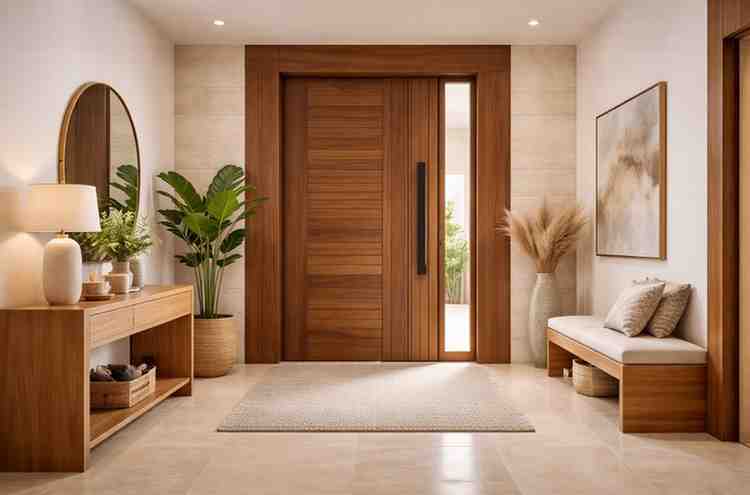
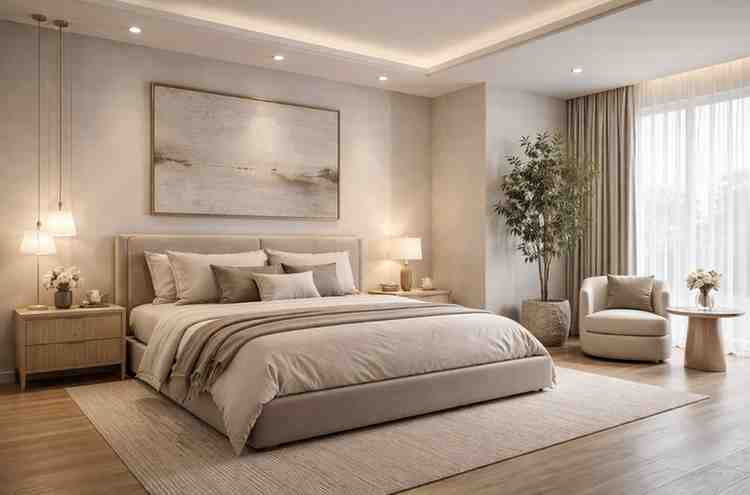
PVC plywood is highly versatile in terms of design and aesthetics. It can be manufactured in a variety of colours, textures, and finishes to match the specific requirements of a project. Whether you prefer a wood grain finish for a traditional look or a sleek, modern appearance, PVC plywood can be customised to achieve the desired aesthetic. This versatility makes it suitable for a wide range of applications, from furniture and cabinetry to wall panelling and decorative elements.
6. Ease of Maintenance
Maintaining PVC plywood is relatively easy compared to traditional wood products. The PVC surface is non-porous, which means it does not absorb stains, spills, or dirt. Cleaning PVC plywood typically requires only a simple wipe-down with a damp cloth and mild detergent. This ease of maintenance makes PVC plywood an attractive option for high-traffic areas and environments where cleanliness is essential.
7. Environmental Benefits
PVC plywood can be an environmentally friendly choice when sourced responsibly. Many manufacturers use recycled PVC and sustainable plywood in the production process. Additionally, the durability and longevity of PVC plywood mean that it does not need to be replaced as frequently as traditional wood products, reducing waste and the demand for raw materials over time.
Build smarter with plywood that last. Choose PVC Plywood for your next project.
Applications of PVC Plywood
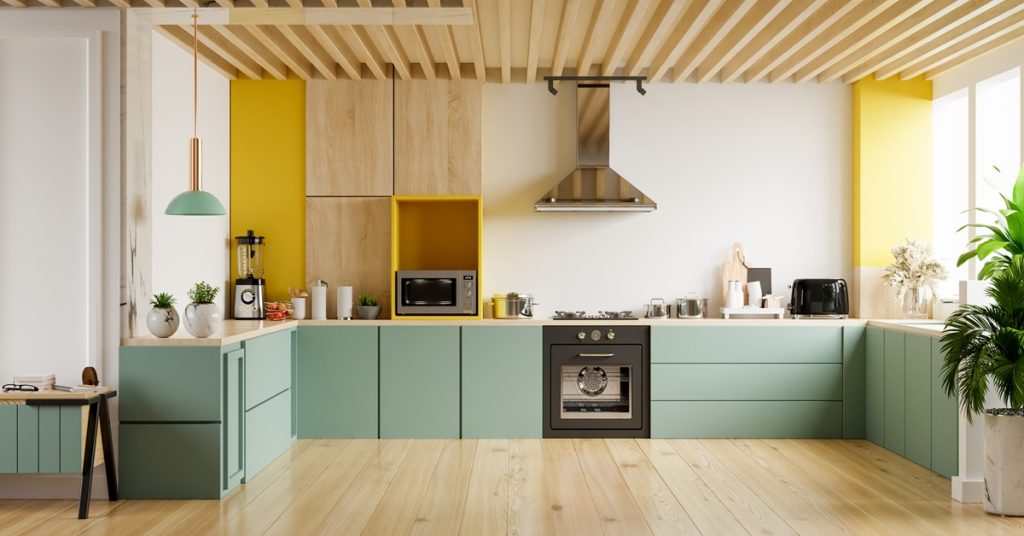
1. Kitchen and Bathroom Cabinets
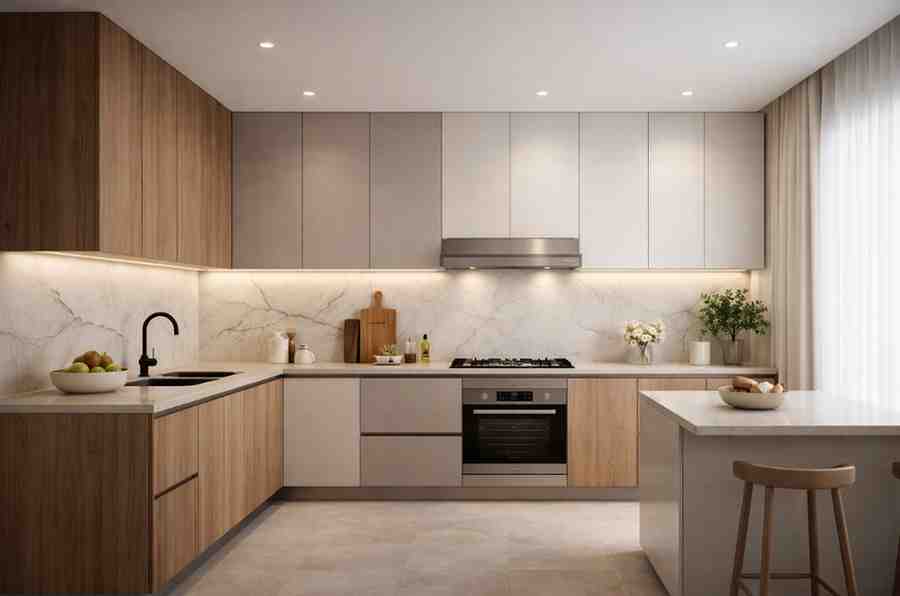
Due to its moisture resistance, PVC plywood is an excellent material for kitchen and bathroom cabinets. These areas are prone to humidity and water exposure, which can cause traditional wood cabinets to warp and deteriorate. PVC plywood cabinets remain stable and intact, ensuring a longer lifespan and better performance in these environments.
2. Furniture
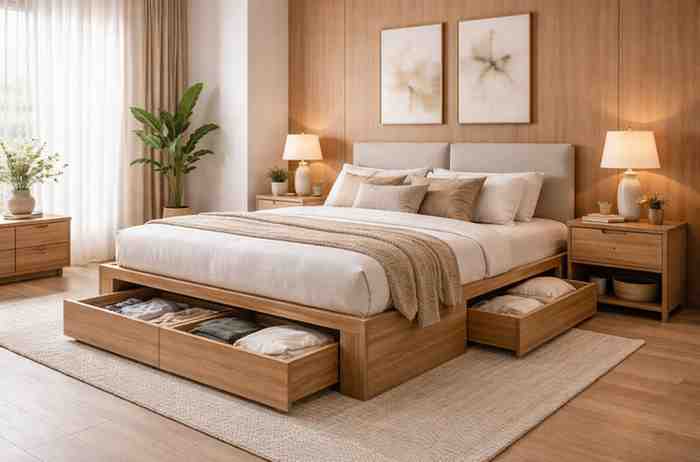
PVC plywood is becoming increasingly popular in furniture design due to its durability and aesthetic flexibility. It can be used to create stylish and robust furniture pieces, including tables, chairs, wardrobes, and shelving units. The variety of finishes available allows designers to match the furniture to the overall decor of a space, whether it’s a modern office or a cosy living room.
3. Wall Panelling and Ceilings
For wall panelling and ceilings, PVC plywood offers an attractive and practical solution. Its resistance to moisture and pests makes it suitable for any room, including basements and attics. Additionally, the fire-resistant properties of PVC plywood enhance the building’s safety. Decorative wall panels made from PVC plywood can add a touch of elegance and sophistication to interiors, while also providing functional benefits.
4. Outdoor Applications
PVC plywood is well-suited for outdoor applications due to its ability to withstand harsh weather conditions. It can be used for exterior cladding, garden furniture, fencing, and signage. The material’s resistance to moisture, UV rays, and pests ensures that it maintains its appearance and structural integrity over time, even when exposed to the elements.
5. Commercial and Public Buildings
In commercial and public buildings, the durability and low maintenance requirements of PVC plywood make it an ideal choice. It can be used for partitions, false ceilings, panelling, and custom fixtures. The fire-resistant properties of PVC plywood provide an added layer of safety, making it suitable for schools, hospitals, offices, and retail spaces.
Tips for Working with PVC Plywood
Cutting and Shaping: PVC plywood can be cut and shaped using standard woodworking tools. However, due to its density, it is recommended to use carbide-tipped blades for cleaner cuts and to reduce wear on the tools.
Finishing: While PVC plywood comes with a smooth finish, it can also be painted or laminated if further customisation is desired. Ensure the surface is clean and dry before applying any finishes.
Fastening: Use screws designed for composite materials when fastening PVC plywood. Pre-drilling pilot holes can help prevent splitting and ensure a secure fit.
Cleaning: Regular cleaning with a damp cloth and mild detergent will keep PVC plywood looking its best. Avoid using abrasive cleaners that can damage the surface.
Upgrade your kitchens, bathrooms, and furniture with the long-lasting strength of Plywood.
Conclusion
PVC plywood offers a compelling combination of durability, versatility, and aesthetic appeal, making it a valuable material for a wide range of applications. Its resistance to moisture, pests, and fire, along with its easy maintenance and environmental benefits, make it an attractive alternative to traditional wood products. Whether you’re working on a residential project, commercial space, or outdoor installation, PVC plywood provides a reliable and stylish solution that can meet the demands of various environments.
By understanding the advantages and potential applications of PVC plywood, you can make informed decisions that enhance the quality and longevity of your projects. Embrace the benefits of this innovative material and explore the possibilities it offers for creating durable and beautiful spaces.
For trusted quality and innovation in every sheet, choose Wigwam Ply’s premium Plywood range.
FAQS
1. Is PVC plywood better than normal plywood?
Yes, PVC plywood offers several advantages over normal plywood. It is resistant to moisture, termites, and fire, making it more durable and long-lasting. While traditional plywood can warp or rot in damp conditions, PVC plywood maintains its shape and strength, especially in kitchens, bathrooms, and outdoor spaces.
2. Can PVC plywood be used for furniture?
Absolutely. PVC plywood is widely used for making furniture like wardrobes, cabinets, tables, and chairs. It comes in a variety of finishes, including wood grain and glossy options, which allow it to blend seamlessly with both modern and traditional interiors.
3. Is PVC plywood waterproof?
Yes. PVC itself is water-resistant, and when laminated onto plywood, it creates a strong protective layer. This makes PVC plywood an excellent choice for areas with high humidity or direct exposure to water, such as kitchens, bathrooms, and laundry rooms.
4. How do you maintain PVC plywood?
Maintaining PVC plywood is simple. Its non-porous surface resists stains and dirt, requiring only a wipe with a damp cloth and mild detergent. There’s no need for polishing or special treatments, unlike traditional wood products.
5. Is PVC plywood eco-friendly?
PVC plywood can be eco-friendly when manufactured responsibly. Many brands use recycled PVC and sustainably sourced plywood. Additionally, its long lifespan means less frequent replacements, which reduces overall waste and environmental impact.