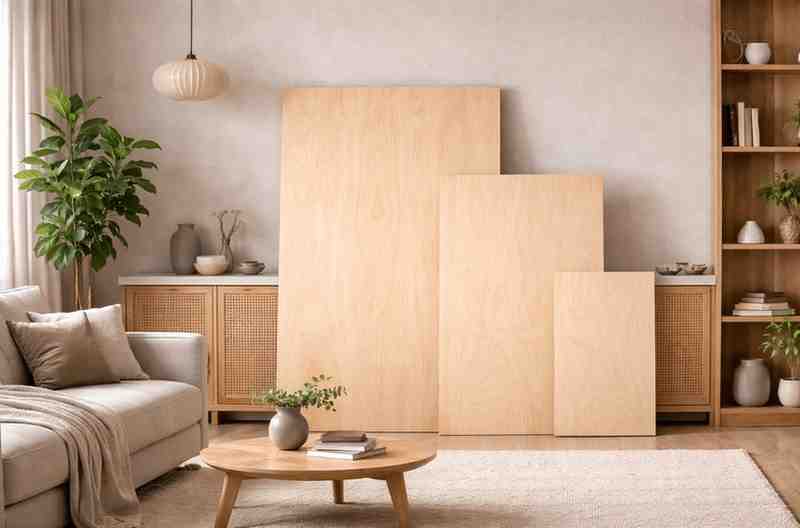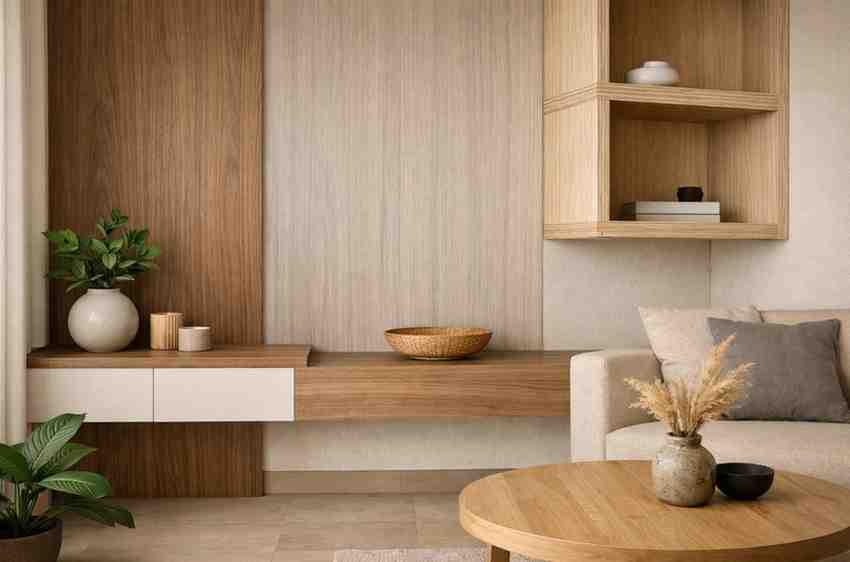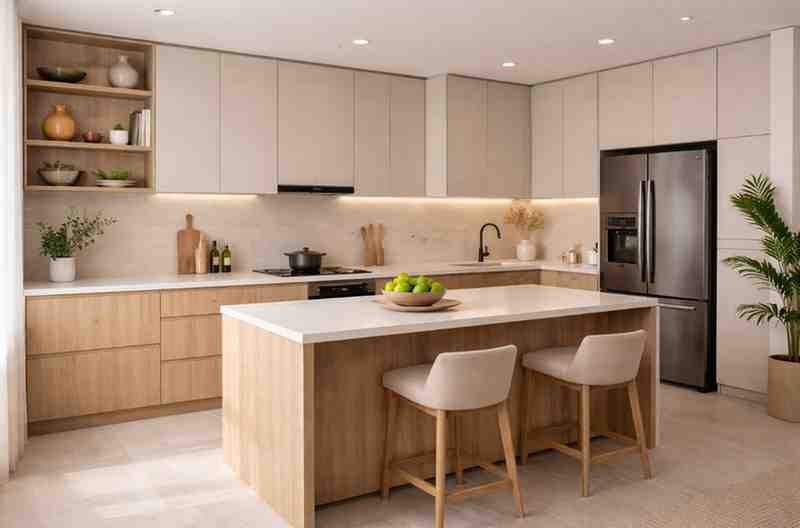
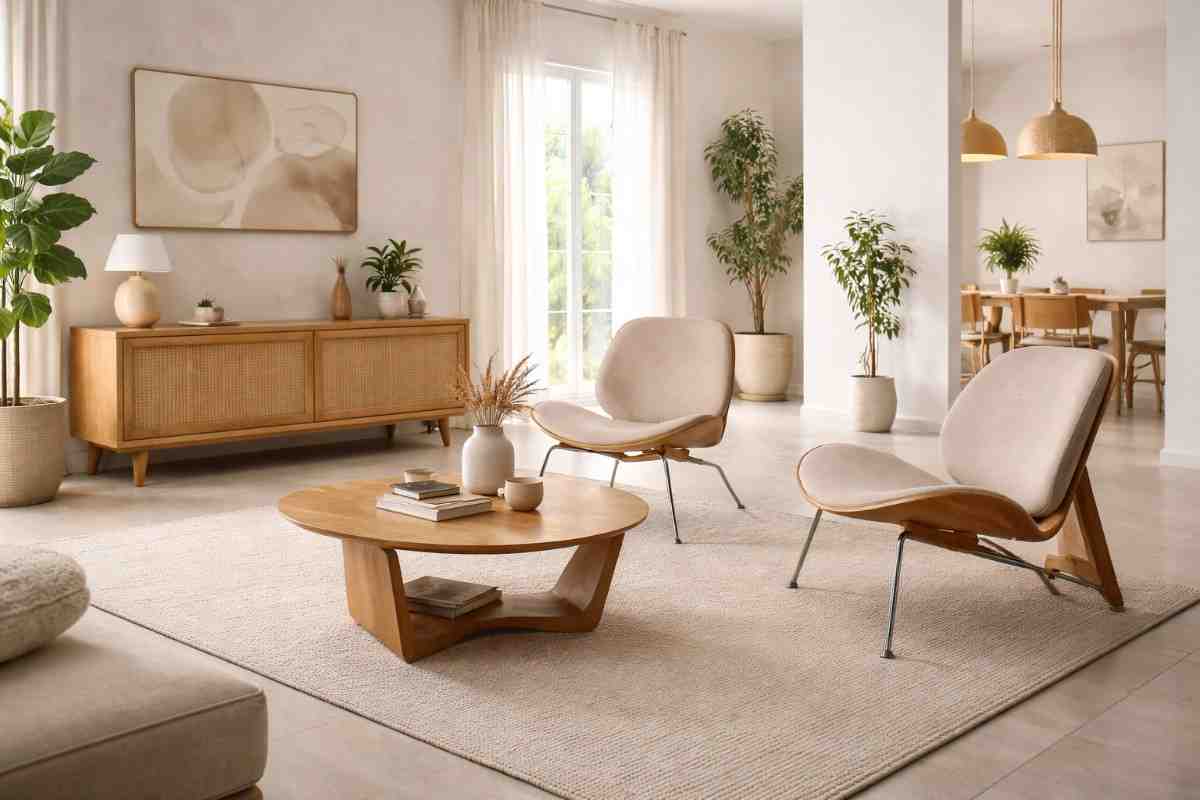
Moulded plywood has become the go-to choice for modern interior or fancy decor themes. From offices to the hall, customers are loving the fine shine and texture of this plywood, which gives a premium look. Its versatility to enhance the space has become its exclusive feature, and the types are suitable for different home needs.
This plywood is essentially curved or bent, but what sets it apart is how it’s made. Through a precise plywood moulding and bending process, thin layers of wood are shaped into strong, smooth curves that do what regular plywood can not even achieve. In this blog, we’ll break down the moulded plywood manufacturing process, its types, and how its various forms are used across modern furniture designs.
What Is Moulded Plywood?
Moulded plywood, also known as molded plywood, is a specially engineered plywood designed to bend and take shape without cracking or losing strength. Unlike regular flat plywood sheets, moulded plywood is manufactured using heat, pressure, and moulds, allowing it to form smooth curves and elegant designs.
This is why moulded plywood is often known as bent plywood or curved plywood. It adapts easily to rounded edges, flowing furniture profiles, and modern architectural elements that flat plywood simply can’t achieve.
What truly sets moulded plywood apart is its ability to combine strength with style. While standard plywood is rigid and flat, moulded plywood has flexibility, a premium finish, and design freedom—making it a go-to choice for modern interiors, fancy décor themes, and statement furniture across homes and offices.
How Is Moulded Plywood Manufactured?
Moulded plywood is crafted by layering thin veneers and applying heat, pressure, and specially designed molds. Resins and adhesives help the layers bond tightly, ensuring the curves and shapes are retained permanently.
This process involves the plywood making its smooth finish and strength, making it perfect for modern interiors and stylish décor. Its premium look and versatile design options make it a favorite for offices, living rooms, and other spaces.
Types of Moulded Plywood Used in Furniture
Laminated Moulded Plywood
These are multiple layers of veneer bonded with adhesive and laminated for extra strength and a smooth finish. Ideal for premium furniture pieces that need durability and style.
Thin Plywood for Bending and Curves
Thin moulded wood sheets are flexible, making them perfect for curved designs, ergonomic chairs, and decorative accents.
Pressed Plywood vs Bent Plywood
Pressed plywood is formed under high pressure to hold specific shapes, while bent plywood is gently curved using heat and molds. Both types add versatility to modern furniture designs.
You can also check temple plywood for fancy and elegant designs in your puja room.
Moulded Plywood vs Regular Plywood: Key Differences
- Shape Flexibility: Moulded plywood can take curves and unique shapes, while regular plywood is mostly flat.
- How It’s Made: Moulded plywood is layered, heated, and pressed into shape; regular plywood is simply glued in layers.
- Where It’s Used: Moulded plywood works well for designer chairs, tables, and décor; regular plywood is ideal for cabinets, shelves, and flat furniture.
- Cost: Moulded plywood is slightly more expensive due to the shaping process; regular plywood is more budget-friendly.
Moulded Plywood vs Bentwood: What’s the Difference?
- Material & Process: Moulded plywood is made from layered veneers pressed into curves; bentwood is soft, solid wood that can be bent.
- Strength & Finish: Moulded plywood offers uniform strength and smooth surfaces; bentwood can vary depending on the wood grain.
- Cost & Production: Moulded plywood is easier to produce in large quantities; bentwood is costlier and often handcrafted.
- Use in Furniture: Moulded plywood suits modern, versatile furniture designs; bentwood is perfect for classic or artisan-style pieces.
Where Is Moulded Plywood Used?
Moulded plywood is widely used for stylish chairs and seating, offering comfort with a sleek look. It’s a popular choice for office furniture because of its durability and modern design. In homes, it enhances décor through curved panels, partitions, and designer accents. Its ability to take unique shapes makes it perfect for spaces that need both function and style.
You can also check Wigwam Ply certified plywood, designed for durability and elegance.
Best Furniture Designs Made with Moulded Plywood
- Lounge Chairs: Comfortable and stylish, moulded plywood lounge chairs give a modern, premium feel to any living area.
- Dining Chairs: Creative curves and durable construction make moulded plywood dining chairs both elegant and practical.
- Ergonomic Office Chairs: These are ideal for long work hours, with support and a sleek design.
- Curved Plywood Panels: They are used as furniture accents or decorative elements to add sophistication and unique style to interiors.
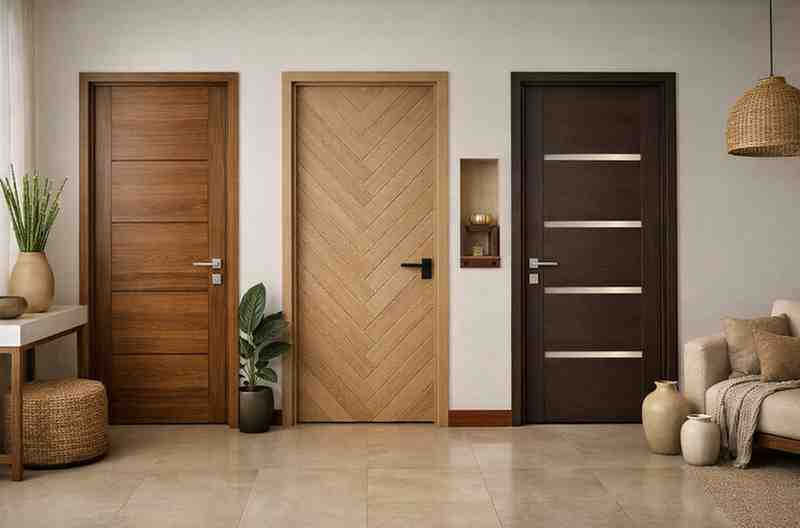
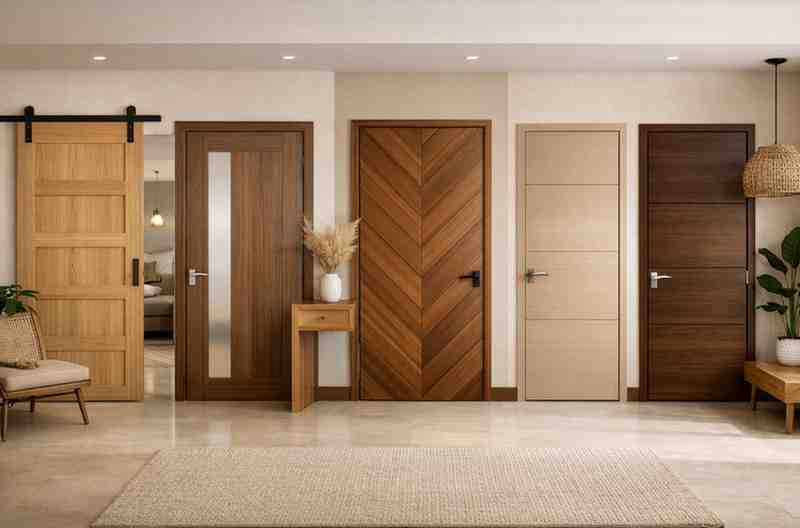
Check these latest decorative plywood door designs if you’re renovating your home.
What Type of Plywood Is Best for Curved Furniture?
Choosing the right plywood is crucial for the curved furniture you desire.
- Thickness Recommendations: Thin veneers (around 3–6 mm) are ideal for smooth bending without cracking.
- Grade of Plywood: High-quality BWP (boiling water proof) or MR grade works perfectly for strength and durability.
- Moisture Resistance Needs: It is recommended for areas prone to humidity, especially in kitchens or bathrooms.
- Indoor vs Outdoor Use: The standard moulded plywood works best for indoor furniture. For outdoor use, opt for marine-grade or waterproof variants.
Is Moulded Plywood Waterproof and Durable?
Moulded plywood is designed to last and resist moisture better than regular plywood, though it isn’t fully waterproof.
- Moisture Resistance: BWP or marine-grade plywood handles occasional water exposure without warping.
- Longevity: With proper care, moulded plywood can last many years, maintaining shape and finish.
- Proper Usage Conditions: Avoid prolonged direct water contact, and use finishes or coatings to enhance durability.
Visit Wigwam Ply today to explore our detailed guide for a wide selection of premium plywood.
Can Regular Plywood Be Bent or Moulded?
Regular plywood has limitations when it comes to curves.
- Limitations: Standard plywood is rigid and can crack if bent beyond a slight curve.
- DIY Bending vs Factory Molding: You can steam or soak thin plywood at home for minor bends, but factory-moulded plywood ensures precise, permanent shapes.
- Why Moulded Plywood Performs Better: Its layered construction, heat, and adhesive bonding allow smooth, consistent curves that regular plywood can’t achieve.
Cost of Moulded Plywood Sheets in India
The price of moulded plywood varies based on quality and design.
- Factors Affecting Price: Thickness, veneer quality, moisture resistance, and manufacturing process all influence cost.
- Thickness & Design Complexity: Thicker sheets and intricate curves cost more than simple shapes.
- Why It Costs More than Flat Plywood: The shaping process, heat, pressure, and adhesives make moulded plywood pricier, but the premium finish and flexibility are worth it.
Advantages of Using Moulded Plywood for Modern Furniture
Moulded plywood has become a favorite for modern interiors thanks to its versatility.
- Aesthetic Appeal: Smooth curves and sleek finishes give furniture a premium look.
- Design Flexibility: Can be molded into unique shapes, from ergonomic chairs to decorative panels.
- Strength + Elegance: Strong and durable while maintaining stylish curves.
- Space-Saving Designs: Curved furniture fits perfectly in modern homes, maximizing space without compromising style.
Choosing the Best Plywood for Your Space
Moulded plywood has truly changed modern furniture design. Its smooth curves, strength, and sleek finish make it perfect for lounge chairs, partitions, and unique décor pieces. Whether for your home, office, or any creative interior project, it adds both style and durability without compromising on design.
From ergonomic chairs to elegant dining sets, moulded plywood allows designers and homeowners to experiment with shapes and layouts that were hard to achieve with regular plywood. Its versatility makes it a go-to choice for modern interiors that value both aesthetics and practicality.
If you’re looking for quality moulded plywood for your next project, check out Wigwam Ply reliable, stylish, and built to last.
FAQ
1. What is moulded plywood?
Moulded plywood is plywood that’s shaped into curves using thin layers, heat, and pressure. It’s commonly used for modern furniture and interiors.
2. How is moulded plywood made?
Thin wood layers are glued together, placed in a mould, and pressed with heat so the shape stays permanent.
3. Is moulded plywood stronger than regular plywood?
Yes. Its layered structure and bonding process make it stronger and more stable, especially for curved designs.
4. Where is moulded plywood used in furniture?
It’s used in chairs, seating, office furniture, curved panels, partitions, and decorative furniture pieces.
5. What types of wood are best for moulded plywood?
Hardwoods like birch, beech, and poplar are commonly used because they bend well and stay strong.
6. Is moulded plywood waterproof?
It’s not fully waterproof, but BWP or marine-grade options handle moisture well when used indoors.
7. What is the price of moulded plywood in India?
The price depends on thickness, quality, and design. It usually costs more than flat plywood due to the moulding process.
8. Can regular plywood be bent or moulded?
Regular plywood can bend slightly, but it may crack if the intensity increases. On the other hand, moulded plywood is made specifically to hold curves properly.
9. Is moulded plywood durable for long-term use?
Yes. With proper use and care, it lasts for many years without losing shape or strength.
10. What is the difference between moulded plywood and bentwood?
Moulded plywood uses layered sheets pressed into shape, while bentwood is solid wood bent using steam. Moulded plywood is more consistent and easier to produce.