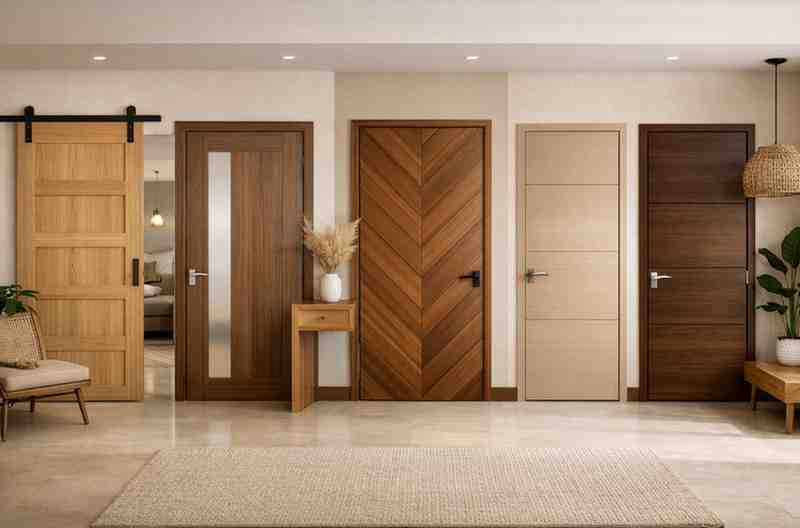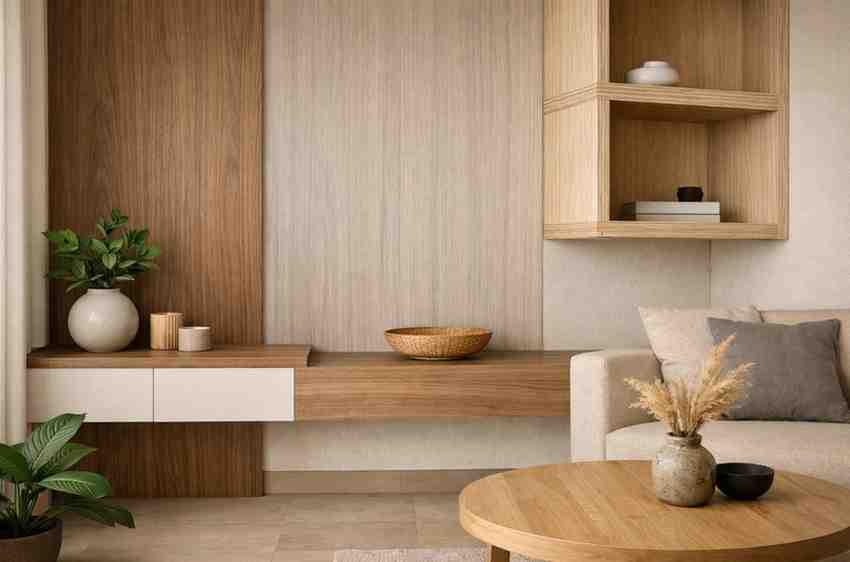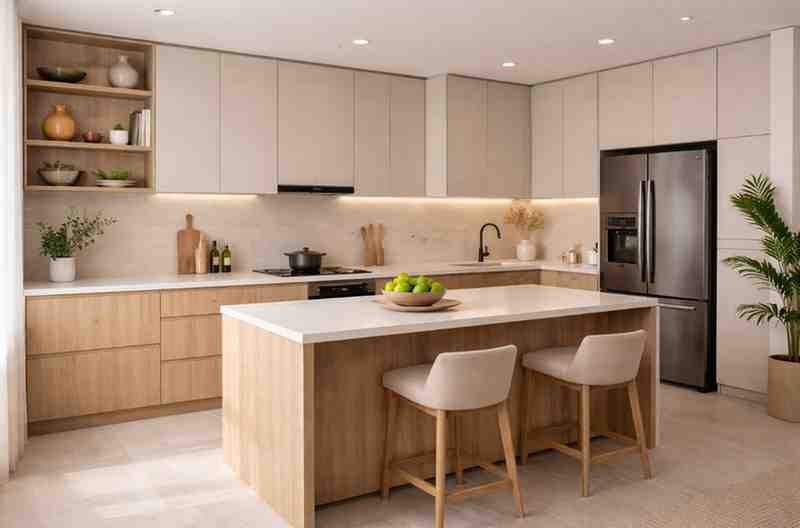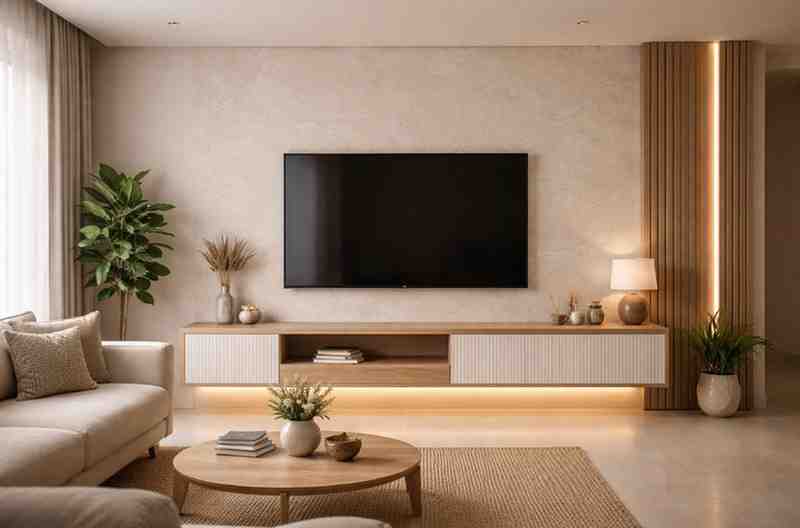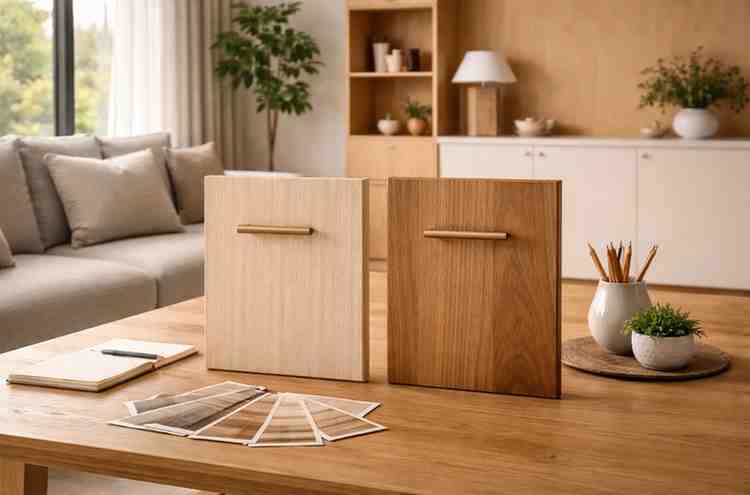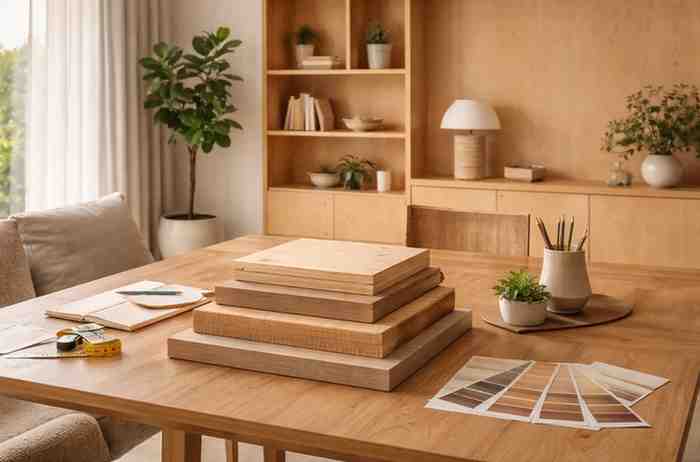
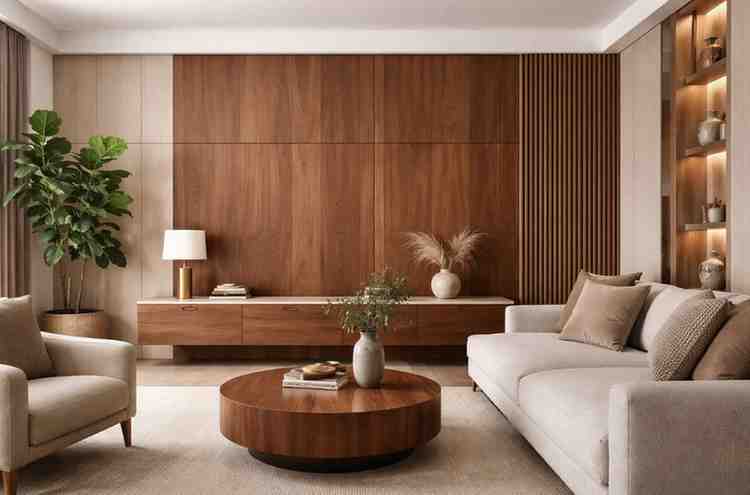
Many individuals mistakenly take veneer sheets similar to laminate. We see this frequently when people are selecting furniture or finishes for doors. From a distance, the two can appear quite alike. That’s where the misunderstanding begins.
However, veneer and laminate are not identical. One consists of real wood on the surface, while the other is a synthetic layer designed to resemble wood. The visual similarity may be close, but the material quality, texture, and long-term durability vary significantly.
In this guide, we will discuss what veneer sheets are, cover their various types, thicknesses, pricing, and their real-world performance for furniture and doors. By the end, you should have a clear understanding of when veneer sheets are advantageous—and when they are not.
What Is a Veneer Sheet and Where Is It Used
A thin coating of solid wood cut from a log is called a veneer sheet. This thin sheet is then applied on a base material, such as plywood, MDF, or blockboard, to give the surface a real wood appearance.
In case you’re wondering what veneer sheets are and how they’re employed, consider them to be solid wood on the outside with a stronger base underneath.
Where veneer sheets are often used
- Beds, tables, and cabinets are examples of furniture.
- Wardrobes and storage units
- The main doors and the room doors
- Wall panels and Decorative surfaces
Where veneer sheets are effective
- Furniture for indoor spaces
- Places where a natural wood finish is preferred
- Areas with constant moisture levels
Where veneer sheets are ineffective
- Outdoor furnishings
- Extremely moist places without adequate protection
- Locations with severe daily wear and tear
Although veneer is aesthetically pleasing, it requires the right base and long- lasting polishing.
Types of Veneer Sheets: Natural vs Engineered
There are two primary alternatives when selecting veneer: engineered veneer sheets and natural veneer sheets. Most people don’t realize how important the difference is.
Natural Veneer Sheets
Sheets of natural veneer are cut straight from actual logs of wood. Every sheet has a unique texture, grain pattern, and small color variance.
How they look
- Intricate wood grain
- Color changes happen naturally
- No two sheets have the same appearance.
When natural veneer makes sense
- If you prefer a real high-end wood feel
- For classic or traditional interiors.
- When minor variations in grain are acceptable.
- Rich-feeling natural veneer requires careful selection and polishing.
Engineered Venner Sheets
Engineered veneer sheets are likewise constructed of real wood, but they are processed and reassembled to create regular patterns.
What does “engineered veneer” mean?
- Layers of real wood fibers created
- Grain and color control
- A more reliable conclusion
Why choose engineered veneer
- A consistent look across huge surfaces.
- Ideal for contemporary interiors
- Panels and furniture pieces are easier to match.
Engineered veneer is typically easier to work with if you want a consistent, smooth look free of shocks.
Veneer Sheets Thickness and Sizes Explained
Veneer sheet thickness affects the appearance and durability of the surface.
Common choices for veneer sheet thickness
- About 0.5 mm
- About 0.6 mm
- About 1 mm (more expensive, less common)
Regarding veneer sheet thickness, thicker veneers usually allow superior refinishing and polishing.
Thickness for multiple uses
- Cabinets and closets: 0.6 mm is often used.
- Doors: It’s preferable to have a slightly thicker veneer.
- Decor panels: Depending on the foundation material
Sizes of veneer sheets
Although veneer sheets typically come in standard sizes, each manufacturer may have different specific measurements. Bigger sheets contribute to fewer joints, which makes doors and closets look cleaner. More size plus the right thickness gives a better result.
Veneer Sheets vs Laminate Sheets
When deciding between veneer and laminate sheets, this is where most people get stuck.
Look and feel
- Veneer: Organic texture and a real wood feel
- Laminate: A smooth and printed surface
Price and longevity
- Veneer sheet costs are usually higher.
- Laminate is more economical.
- Laminate is more resilient to scratches.
- It is possible to repair and refinish veneer.
Which is better for everyday furniture?
- For intensive everyday use and low maintenance: laminate.
- For high-end furnishings and aesthetic appeal: veneer
Here, there is no right or wrong decision. Use, financial constraints, and expectations all play a role.
How to Identify Good Quality Veneer Sheets
Knowing how to spot high-quality veneer sheets will help you avoid future repairs. Grain and surface come first. Grain should flow easily and appear natural. If it feels flat, spotty, or printed, that’s usually a red flag. The surface should also feel smooth, with no rough areas or rising edges.
Check the backing next, a high-quality veneer layer adheres to the base uniformly. Bubbles, gaps, or loose edges should not be visible since poor bonding frequently causes peeling over time.
Moisture resistance is also important. Always check the type of glue being used, particularly for cabinets and wardrobes. One of the most frequent reasons veneers fail is poor bonding.
Common errors to avoid:
- Selecting veneer solely for aesthetic reasons
- Ignoring the base material and polish quality
- Not thinking about where the furniture will be used.
- Always check samples—not just pictures—in appropriate lighting.
Are Veneer Sheets Durable and Worth the Price
Veneer sheets can be long-lasting, depending on how and where they are utilized. The primary factors influencing durability are the base material, veneer thickness, polish type, and moisture exposure. When these conditions are met, veneer stands up well indoors.
The price per square foot of veneer sheets varies depending on the wood type, whether natural or engineered, thickness, and finish. Usually, natural veneer sheets are more expensive than constructed ones.
Veneer may be more expensive initially, but when professionally placed, it adds value and a smoother finish to furniture. Selecting the right veneer for the right location and completing the work well are important.
Which Veneer Sheet Is Best for Furniture and Interiors
If you’re choosing a veneer sheet for furniture, focus on usage first, not just looks. Beds and tables work well with both natural and engineered veneer when paired with good-quality plywood.
For storage units and wardrobes, engineered veneer usually gives a more uniform and cleaner finish. Doors handle daily wear, so a thicker veneer with a strong base is a better choice. In kitchens, veneer should be used only where moisture is well controlled.
Style-wise, engineered veneer suits modern interiors, while natural veneer fits classic spaces. The best veneer sheets for interior design are the ones that match how you live, not just how your home looks. If you want to choose the right base and veneer combination, Wigwam Ply can guide you toward materials that last and perform better.
FAQs
1. What are veneer sheets?
Veneer sheets are thin layers of solid wood that are pasted onto a base material like plywood, MDF, or blockboard. They give furniture and interiors a natural wood look without using solid wood throughout.
2. What are veneer sheets used for?
Veneer sheets are mainly used for:
- Furniture like beds, tables, and cabinets
- Wardrobes and storage units
- Main doors and room doors
- Wall panels and decorative interiors
They are used where a natural wood finish is needed for indoor spaces.
3. What is the difference between veneer sheets and laminate?
The main difference is the material. Veneer sheets are made from solid wood, while laminate is a manufactured surface printed to look like wood. Veneer feels more natural and can be refinished, while laminate is easier to maintain and more resistant to scratches.
4. Are veneer sheets made from real wood?
Yes, veneer sheets are made from solid wood logs that are sliced into thin sheets. Natural veneer comes directly from wood, while engineered veneer also uses solid wood but is processed for a more uniform look.
5. What thickness veneer sheets are best for furniture?
For most furniture, veneer sheets around 0.6 mm thickness work well. Slightly thicker veneer is better for doors, as it allows better polishing and lasts longer.
6. Can veneer sheets be used on plywood?
Yes, veneer sheets are commonly used on plywood. In fact, plywood is one of the best base materials for veneer because it provides strength, stability, and better durability.
7. Are veneer sheets durable for doors and cabinets?
Veneer sheets can be durable for doors and cabinets if they are applied on a strong base and finished properly. They work best in indoor areas with controlled moisture and poor bonding or exposure to water can reduce their lifespan.
8. How do you maintain veneer sheet surfaces?
Veneer surfaces are easy to maintain, wipe them with a soft, dry or slightly damp cloth. Avoid excess water, harsh cleaners, and direct heat. Regular dusting helps keep the finish looking good.
9. What finishes are available for veneer sheets?
Veneer sheets can be finished with:
- Matte finish
- Semi-gloss finish
- High-gloss finish
The final look depends on the polish used and the type of veneer.
10. Are veneer sheets suitable for commercial interiors?
Yes, veneer sheets are used in commercial interiors like offices, hotels, and retail spaces. Engineered veneer is often preferred in such spaces because it offers consistency and handles regular use better when installed correctly.