Open-plan homes are very attractive!
However, staying in one place is different. The living room merges with the dining room. The kitchen becomes a part of everything. There is no defined boundary, no privacy, and the area may begin to feel unorganized.
At that point, you start searching for ways to split the living and eating areas of your homes.
Building more walls is not the solution. Use of smart partition design concepts will add definition without making the house feel smaller.
Let’s explore what really helps, from designs to the right materials for daily use; everything will be covered in this blog.
Why You Need Smart Partitions in Open Homes
If you’re seeking the best partition designs to decorate living, dining, and kitchen areas, consider how much separation is required. You can use a half-height divider for a visual break. It divides spaces without interfering with light or conversation.
Dividers for open shelving are helpful. They define space while also providing storage, which is very important in small homes.
If you occasionally want privacy but do not require it daily, sliding panels can be useful. The area is yours to use whenever you’d like.
When you want to separate a space without making it feel smaller, glass dividers are perfect. The design should reflect how you use the space, not just how it appears in images.
Best Partition Designs to Define Living, Dining & Kitchen Areas
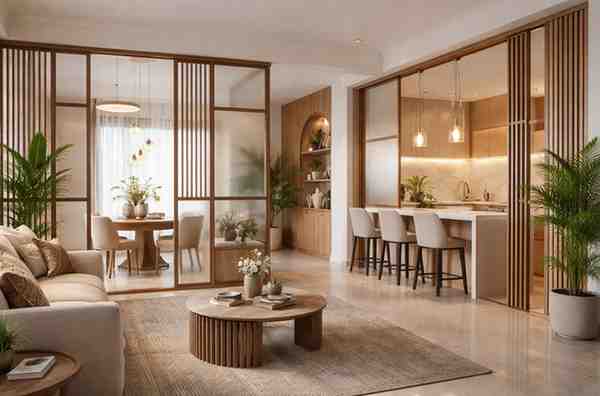
Large partitions could worsen the situation in small homes or flats. Vertical slatted panels are a great choice. Air and light can pass through them despite the separation they create.
Partitions that fold provide versatility. When required, you can close them and then reopen them. Particularly helpful in open-concept houses are storage-based dividers. They act as a natural border and minimize clutter.
If space is limited, smaller partitions typically outperform heavier designs.
You can also check out these budget-friendly tips to renovate your small kitchen space.
Space-Saving Partition Ideas for Open Concept Homes
Large partitions could worsen the situation in small homes or flats. Vertical Slatted panels are an excellent option. Air and light can pass through them despite the separation they create.
Foldable dividers are flexible. When necessary, you can close them and then reopen them. Particularly helpful in open-concept houses are storage-based dividers. They act as a natural border and minimize clutter.
If space is limited, smaller partitions typically outperform heavier designs.
Wooden and Glass Partition Ideas for Living and Dining Areas
Material selection changes the overall ambiance of the room.
Wooden Partitions
Wood has a cozy, solid feel. It complements homes that already have hardwood furniture or earthy tones.
Wooden partitions are a useful way to increase privacy between the eating and living areas. They feel solid and are superior at blocking vision.
Glass Dividers
The area is kept open via glass. In modern houses, clear glass looks great. Frosted glass provides some privacy without totally obstructing light.
If your home relies on natural light, glass is usually a safer choice.
Kitchen Dining Space Dividers: What Works Best?
Usually, the busiest space is the kitchen. It often has to be kept apart from the dining room. A breakfast counter is one of the simplest kitchen dining room dividers. It adds seating and forms a border. Partial walls could conceal the cooking area without completely covering it.
Sliding glass panels are useful for controlling noise or smells at times. Make a smart choice. Consider that daily usage, not simply aesthetics, is the focus of the kitchen.
Best Partition Materials for Kitchen, Dining & Living Areas
When it comes to the best divider materials for kitchens, dining rooms, and living rooms, durability is more important than style.
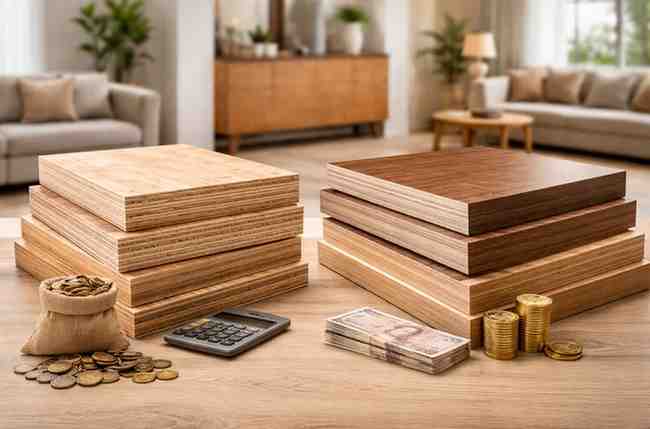
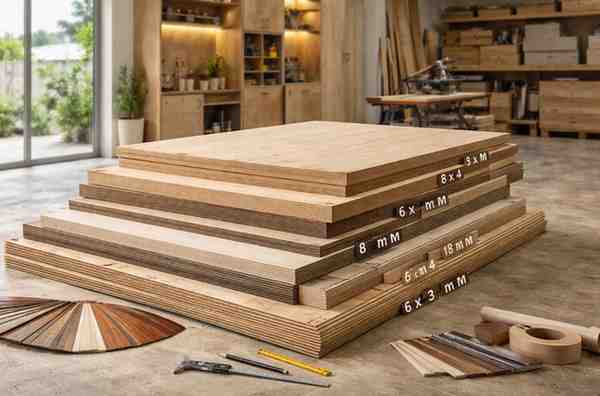
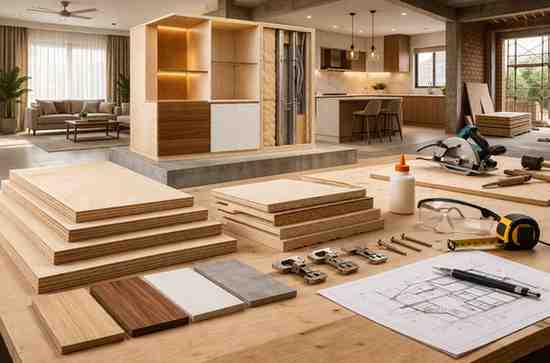
Plywood is a sturdy and reliable material, particularly for structural partitions. It is stable over time and has good screw holding. While MDF is suitable for decorative panels, it might not be as moisture-resistant.
Glass is excellent for transparency. Modern houses are better suited for metal framing. Combining materials usually gives better results, as in the case of a plywood frame with glass panels.
Conclusion
Having an open plan does not require that everything remain open. When there is no structure, large areas may look disorganized. Instead of blocking flow, a good divider should enhance it. It must distinguish spaces to maintain the house’s comfort and functionality.
Additionally, material is more important than design. A sturdy foundation guarantees that your divider will remain steady, not distort, and endure for many years.
When designing partitions for your house, start with trusted materials. Discover high-quality plywood and interior solutions at Wigwam Ply to create partitions that are not only trendy but long-lasting.
FAQs
1. How do partitions help define spaces in open-concept interiors?
Partitions create clear boundaries without building full walls. They help separate living, dining, and kitchen areas so each space feels organized. The house still feels open, but not messy.
2. What materials are best for interior partitions in modern homes?
Plywood works well because it’s strong and stable. Glass is good if you want light to pass through. Metal frames suit modern homes. The best material depends on how much privacy and durability you need.
3. Are wooden partitions suitable for living and dining spaces?
Yes, wooden partitions add warmth and make the space feel cozy. They also give better privacy compared to glass. They work especially well in homes with wooden furniture.
4. Can partitions provide privacy without blocking light and airflow?
Yes, designs like slatted panels or glass partitions allow light and air to move through while still separating spaces. You don’t always need solid walls to create privacy.
5. What are space-saving partition ideas for small apartments?
Vertical slats, open shelving, folding partitions, or slim metal frames work well in small homes. They divide space without making the room feel cramped.
6. How do open shelving partitions improve functionality and design?
Open shelves act as both a divider and a storage. They help organize books, decor, or daily items while defining different areas. It’s a practical and stylish solution.
7. What are smart partition design ideas for open-plan homes?
Smart partition design ideas include half-height dividers, sliding panels, wooden slats, glass panels, and storage-based partitions. The idea is to create structure without closing the space.
8. How can I separate living, dining, and kitchen spaces without walls?
You can use a breakfast counter, open shelving, sliding panels, or a half partition. Even a change in material or layout can create separation without building walls.
9. Which partition designs work best for open living and dining areas?
Glass partitions, wooden slats, or open shelves work well. They define the space while keeping it connected visually.
10. What are the best partition ideas for living room and kitchen separation?
Breakfast counters, sliding glass panels, or partial walls are practical choices. They reduce visual clutter and exposure to cooking without making the kitchen feel closed off.