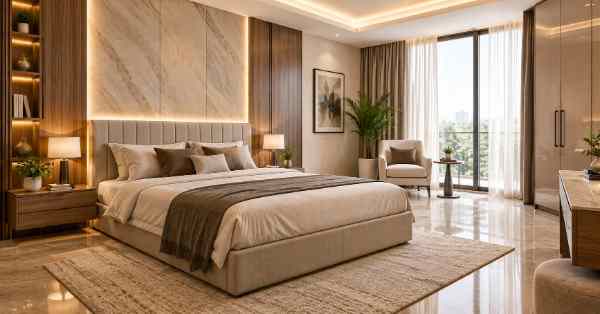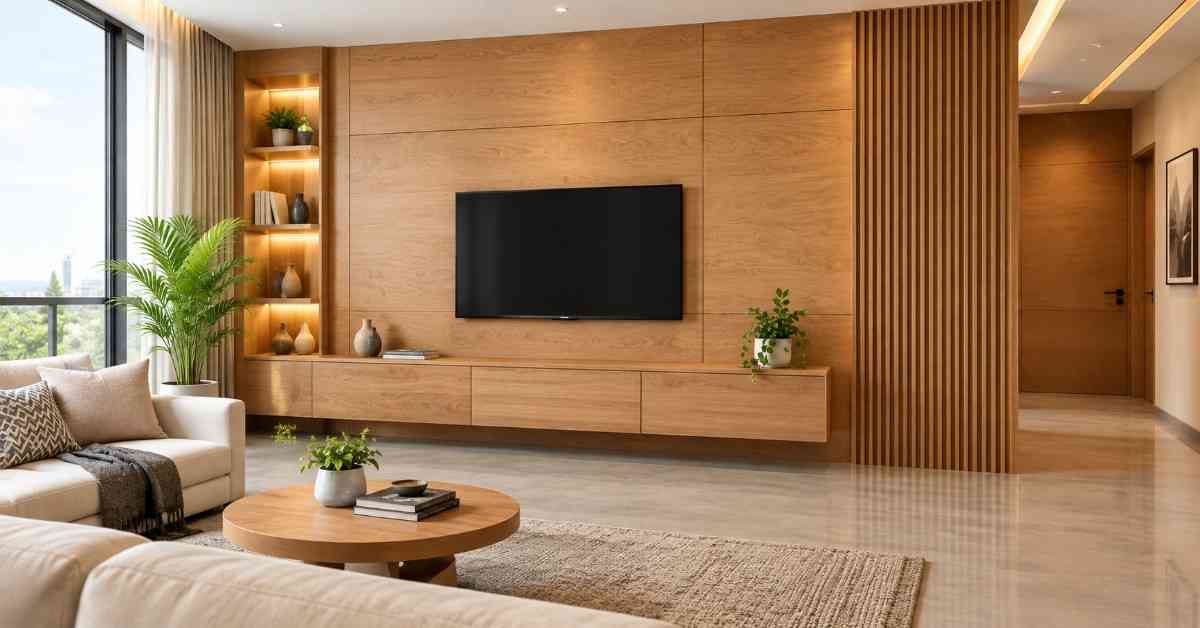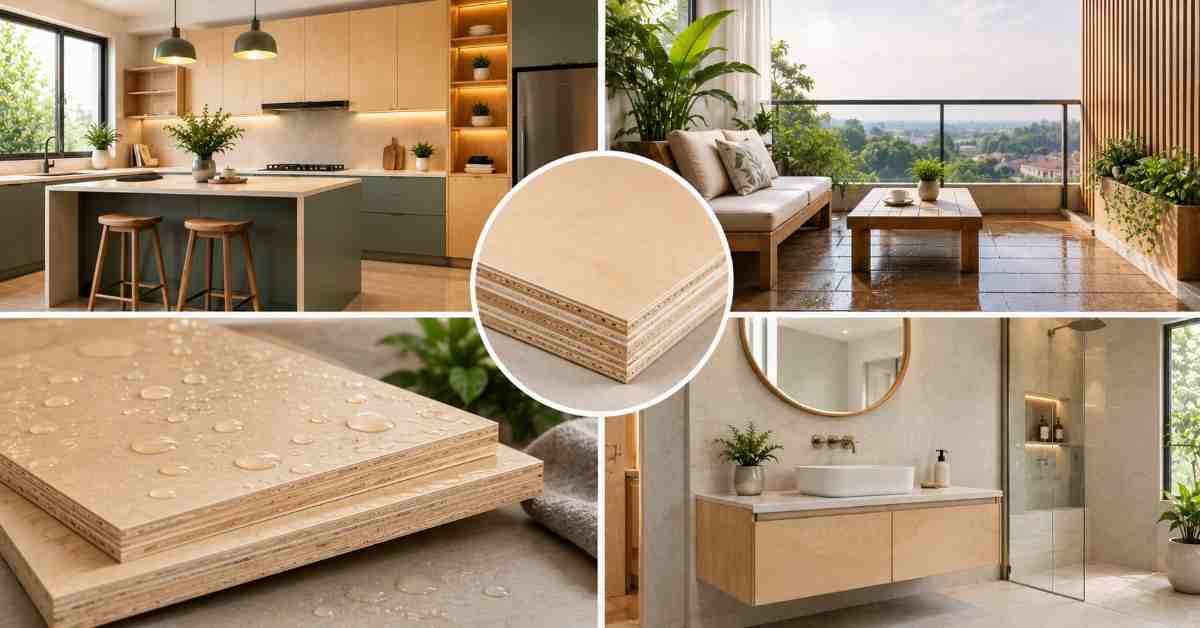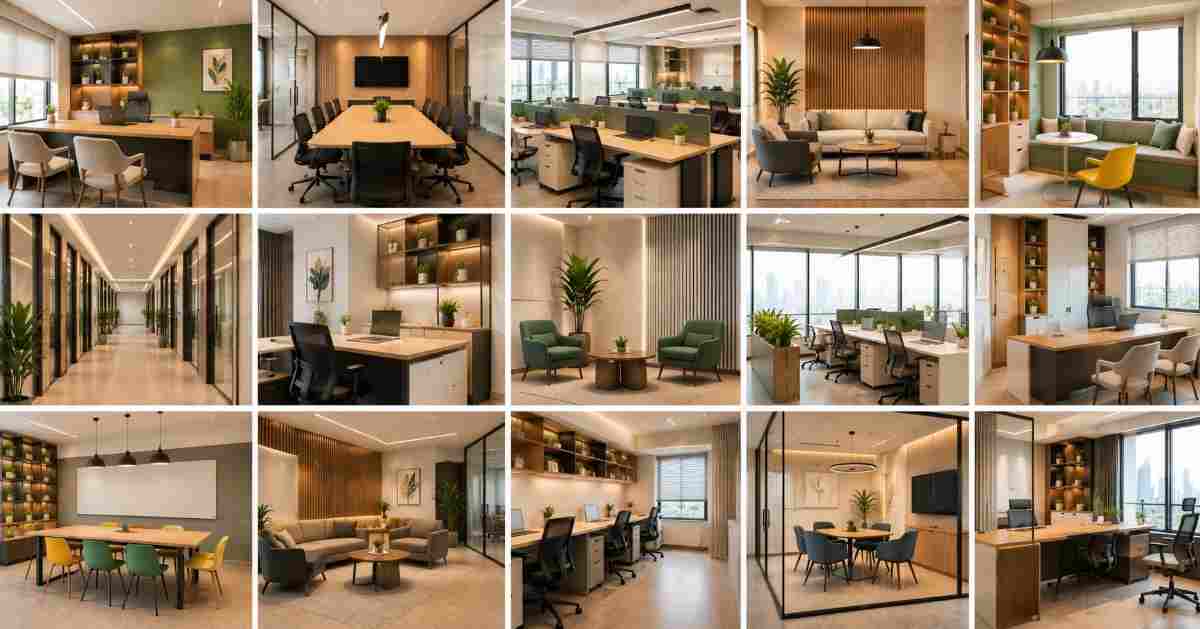
The psychology of interior design explores how spaces influence emotions, behavior, productivity, and overall wellbeing. Modern homeowners are increasingly recognizing that interior design is not only about aesthetics. The right environment can improve mood, reduce stress, encourage relaxation, and support healthier daily living.
This growing focus on interior design psychology is shaping residential design trends across India. As homes become multifunctional spaces for work, relaxation, entertainment, and family interactions, homeowners are looking for interiors that feel calm, organized, and emotionally uplifting.
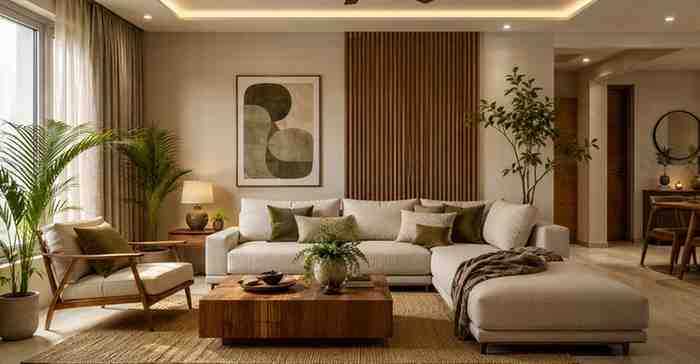
One of the strongest interior design trends 2026 is the movement toward natural materials, warm textures, and biophilic design elements. Interior designers are using wood finishes, earthy colours, and tactile surfaces to create spaces that feel welcoming and emotionally balanced.
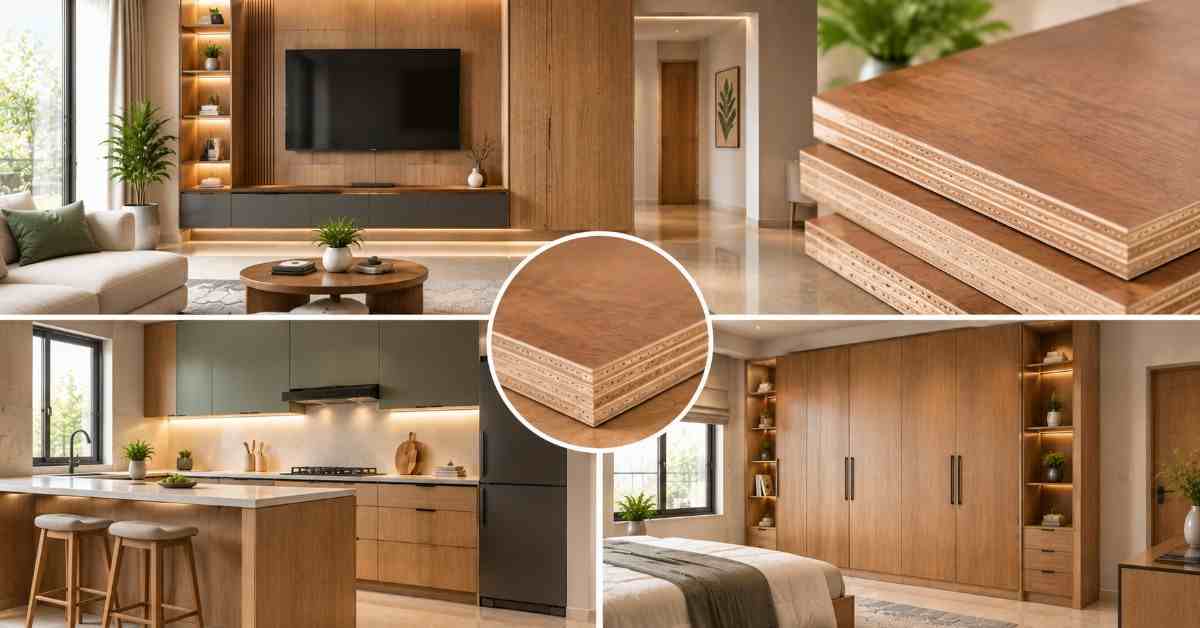
The material selection plays a significant role in interior design and wellbeing. Natural wood grains and premium plywood surfaces introduce warmth and visual comfort that synthetic materials often struggle to replicate. This is why many designers prefer plywood-based interiors for contemporary homes.
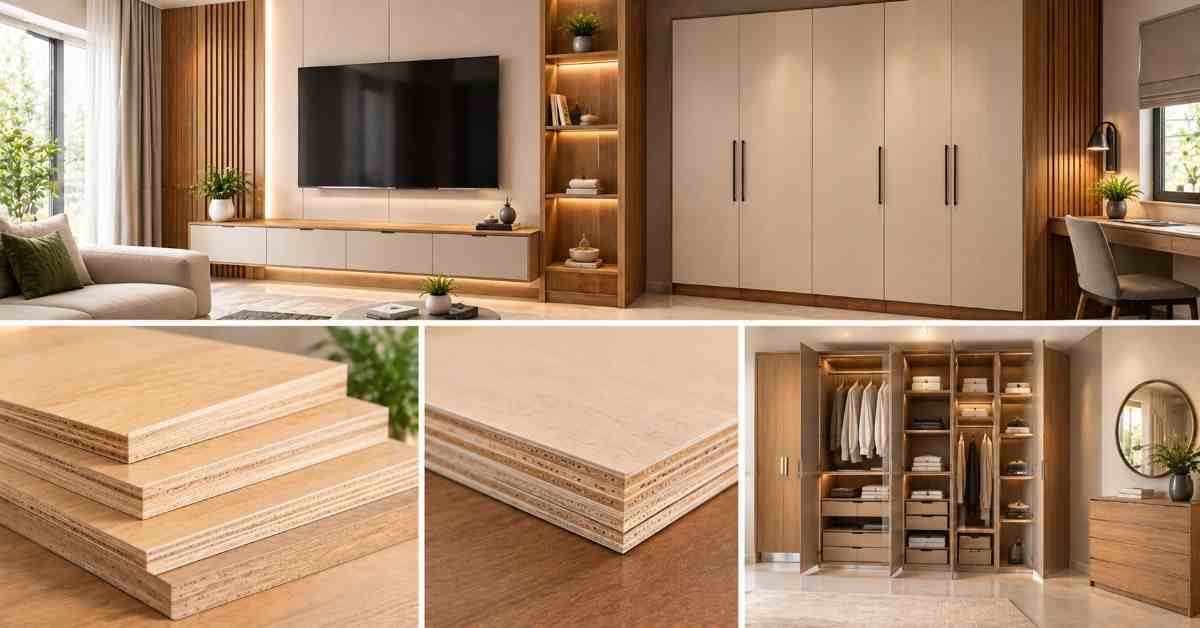
For example, Wigwam Fabricate Birch features a fine-grained Birch Face Veneer that delivers a clean and sophisticated appearance. Its uniform grain pattern complements Scandinavian-inspired and minimalist modern home interiors. Designers often use it for wardrobes, shelving, wall panels, and custom furniture because of its refined finish and visual consistency.
Similarly, Wigwam Fabricate Gold MR uses premium Okume Face Veneer with a smooth surface suitable for elegant furniture applications. The natural wood appearance supports contemporary design schemes focused on warmth and comfort.
For statement interiors, Wigwam Fabricate HDP MR and Fabricate MDP MR feature engineered face veneers that create highly consistent decorative surfaces. These products are particularly popular for modern wall panels, furniture facades, and designer storage units.
Along with material selection, factors such as colour psychology in interiors, natural light, spatial organization, and texture influence emotional responses. Thoughtful combinations of these elements create healthy home design environments that support relaxation, creativity, and mental wellbeing.
In this guide, we explore how emotional interior design, material choices, and modern design principles help create mood enhancing home interiors that improve everyday living experiences.
How Colour Psychology and Emotional Interior Design Shape How You Feel at Home
The psychology of interior design influences how people think, feel, and behave. Every colour, texture, material, and layout decision affects emotional responses daily. Understanding interior design psychology helps homeowners create spaces that support comfort, focus, and relaxation.
One of the most important concepts is colour psychology in interiors. Different colours trigger different emotional reactions within living environments. Warm colours often increase energy and social interaction. Cooler colours typically encourage calmness, concentration, and stress reduction.
Soft earthy tones remain popular in interior design trends 2026. These shades create welcoming environments while maintaining visual balance throughout homes. Designers often pair these colours with natural plywood finishes to strengthen emotional connections with nature.
Natural light also plays a major role in emotional interior design. Well-lit spaces generally feel larger, healthier, and more uplifting. Dark and poorly illuminated interiors may contribute to discomfort and reduced productivity.
Ceiling height can influence perception as well. Higher ceilings often create feelings of openness and creativity. Lower ceilings may encourage intimacy and coziness within private areas.
Clutter affects wellbeing more than many homeowners realize. Disorganized spaces can increase stress and make daily routines difficult. Organized layouts and thoughtful storage solutions support better mental clarity and comfort.
Biophilic design continues growing across modern home interiors. Natural materials, indoor plants, wood textures, and organic patterns help create stronger connections with nature. This approach supports healthy home design while contributing to mood enhancing home interiors.
Colour Psychology in Interiors and Recommended Applications
| Colour | Mood Impact | Best Room Application | Recommended Wigwam Ply Finish |
| Soft Beige | Warmth, comfort, relaxation | Living rooms, family spaces | Fabricate Birch with fine-grained Birch Face Veneer |
| Light Oak Brown | Stability, security, balance | Bedrooms and study rooms | Fabricate Gold MR with Okume Face Veneer |
| Sage Green | Calmness, restoration, wellbeing | Bedrooms and reading corners | Fabricate Birch natural wood finish |
| Soft Blue | Focus, tranquility, concentration | Home offices and study areas | Fabricate HDP MR engineered finish |
| Warm Grey | Sophistication, emotional balance | Contemporary living spaces | Fabricate MDP MR engineered veneer |
| Off-White | Openness, brightness, simplicity | Small apartments and kitchens | Fabricate Birch polished finish |
| Earthy Terracotta | Energy, warmth, social connection | Dining rooms and gathering areas | Fabricate Gold MR wood grain finish |
Successful emotional interior design combines colours, materials, light, and spatial planning. Natural plywood surfaces contribute warmth and authenticity that many synthetic materials cannot replicate. Products such as Wigwam Fabricate Birch, Fabricate Gold MR, and Fabricate HDP MR help designers create visually balanced and emotionally supportive interiors. When paired with thoughtful colour selection, these materials contribute significantly to interior design and wellbeing while creating healthier and more comfortable homes.
Interior Design Trends 2026 That Support Wellbeing and Healthy Home Design
The strongest interior design trends 2026 focus on comfort, wellness, and functionality. Homeowners increasingly want spaces that improve daily experiences and support healthier lifestyles. This shift has strengthened the connection between interior design and wellbeing across residential projects.
Modern designers now consider emotional comfort alongside aesthetics and functionality. The goal is creating spaces that feel calming, organized, and restorative. These principles are influencing many contemporary home interior design ideas across India.
One emerging trend is sensory design. This approach considers how textures, sounds, scents, and lighting affect emotional wellbeing. Soft furnishings, textured surfaces, natural wood grains, and balanced acoustics create more comfortable environments.
Natural materials remain central to healthy home design. Interior designers increasingly prefer plywood, wood veneers, stone textures, and natural fabrics. These materials add warmth while creating stronger visual connections with nature.
Clutter-free planning is another important trend. Modular wardrobes, concealed storage, and multifunctional furniture help maintain organized living spaces. Cleaner environments often support better focus and reduced stress.
Dedicated wellness corners are also becoming popular. Reading nooks, meditation spaces, hobby rooms, and indoor garden areas encourage relaxation and mindfulness. Even small apartments can incorporate these features through thoughtful planning.
Key Wellbeing Trends Transforming Modern Home Interiors
· Natural wood textures create warmth and visual comfort.
Fine-grained plywood surfaces make interiors feel welcoming and balanced.
· Clutter-free modular layouts reduce visual stress significantly.
Organized storage systems improve functionality and everyday convenience.
· Acoustic comfort improves relaxation and concentration levels.
Soft furnishings help reduce unwanted noise within living spaces.
· Indoor greenery strengthens connections with natural environments.
Plants support biophilic design principles and visual wellbeing.
· Multi-purpose wellness spaces encourage healthier daily routines.
Small meditation or reading corners require minimal space investment.
· Low-emission materials contribute to healthier indoor environments.
E0 and E1 certified products support improved air quality.
How Wigwam Ply Supports Wellness-Focused Interiors
Premium plywood plays an important role in creating modern home interiors. Designers frequently select materials that combine aesthetics, durability, and environmental responsibility.
Wigwam Fabricate Birch features a fine-grained Birch Face Veneer that suits minimalist and Scandinavian-inspired interiors. Its uniform appearance supports clean visual aesthetics throughout living spaces.
Wigwam Fabricate Gold MR utilizes premium Okume Face Veneer with warm natural textures. Designers often choose it for wardrobes, wall panels, and custom furniture.
Wigwam Visor offers advanced performance with E0-certified emissions, Marine Grade (IS 710), Structural Grade (IS 10701), and Fire Retardant Grade (IS 5509) certifications. These qualities support high-performance interiors focused on safety and wellbeing.
Conclusion
The best interiors do more than look beautiful. vThey influence emotions, support daily routines, and contribute to long-term wellbeing. As the psychology of interior design continues shaping residential spaces, homeowners are increasingly prioritizing comfort, organization, natural materials, and wellness-focused environments.
Modern home interior design ideas now combine aesthetics with emotional functionality. Features such as calming colour palettes, clutter-free layouts, natural textures, wellness corners, and biophilic design elements help create spaces that feel balanced and restorative. These principles are becoming central to interior design trends 2026, especially in urban Indian homes where multifunctional living spaces are increasingly important.
Material selection plays a critical role in achieving these goals. Natural wood grains, warm textures, and premium plywood finishes create a sense of comfort that supports interior design and wellbeing. Interior designers frequently prefer plywood-based furniture and wall treatments because they combine visual warmth with long-term durability.
Wigwam Ply offers premium plywood solutions that align perfectly with modern wellness-focused interiors. Wigwam Fabricate Birch features a refined Birch Face Veneer with a fine and uniform grain structure, making it ideal for Scandinavian-inspired and minimalist spaces. Wigwam Fabricate Gold MR offers elegant Okume Face Veneer finishes that add warmth and sophistication to contemporary interiors.
For homeowners seeking advanced performance, Wigwam Visor delivers exceptional technical advantages with Marine Grade (IS 710), Structural Grade (IS 10701), and Fire Retardant Grade (IS 5509) certifications. Its E0 emission certification, 780+ kg/m³ density, both-side calibration, and superior structural properties support healthier and more durable living environments.
Whether you are designing a calming bedroom, an organized living space, a wellness corner, or a complete modern home, Wigwam Ply provides the strength, aesthetics, and reliability needed for interiors that truly enhance everyday life.
Wigwam Ply — Creating Beautiful Spaces That Feel as Good as They Look.
Frequently Asked Questions
Which interior design style is best for mental health?
Minimalist, Scandinavian, and biophilic design styles are often considered beneficial. These approaches prioritize organization, natural materials, light, and visual balance.
How does room colour affect mood?
Colour psychology in interiors suggests that warm colours increase energy and interaction. Cooler colours generally encourage calmness, focus, and relaxation.
What is biophilic design?
Biophilic design incorporates natural elements such as plants, wood textures, daylight, and organic patterns. The goal is strengthening connections between people and nature.
How does interior design influence wellbeing?
The relationship between interior design and wellbeing involves lighting, colour, materials, layout, acoustics, and organization. Together, these elements affect mood, comfort, and productivity.
What materials are preferred in healthy home design?
Natural materials such as plywood, wood veneers, stone, and low-emission products are widely used in healthy home design because they create warmer and healthier living environments.
Can Indian homes adopt wellness-focused interiors affordably?
Yes. Small changes such as improved storage, natural finishes, indoor plants, better lighting, and functional furniture can significantly improve wellbeing without major renovation costs.