You thought a wall partition would make your small apartment feel organized, but instead, it makes every corner feel tight, awkward, and harder to move around. It’s the little things doors that don’t open fully, furniture that barely fits that turn what should be a simple divider into a daily hassle.
The right material makes all the difference. A sturdy, well-fitted partition divides your space without crowding it, so your home feels open, functional, and actually comfortable to live in. In this blog, we’ll break down the best wall partitions for living rooms that last, look attractive, and work with your space to make an informed decision.
MDF vs Plywood: Cost and Durability for Living Room Partitions
When considering plywood against MDF cost, the following should be kept in mind:
Pricing: MDF is affordable, but plywood is more durable and long-lasting. If you want a partition that won’t sag or warp over time, plywood is the better choice.
Installation and Durability: MDF is easy to handle for living room partitions, and it could be less expensive. Plywood is heavier but more durable.
The Bottom Line: MDF is great for decorative panels or temporary mounts. Suits your need for a durable, hassle-free product.
If you plan to use plywood, consider these top benefits of using plywood for home interiors. blog 6
Best Wall Partition Materials for Living Rooms
Not all partitions are created equal. The material you choose to use might heavily influence the functionality of the space. When it comes to small living rooms, MDF panels are literally a lifesaver. They are easily transportable and space-efficient.
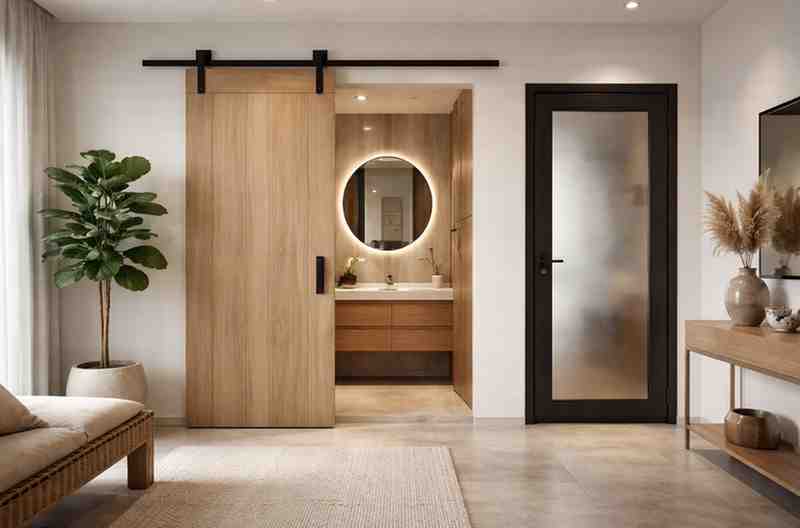
- If you need something a little stronger and slightly heavier, plywood is perfect for you. It’s robust and durable for open concept room dividers where you want to have some separation yet not be completely closed off.
- If you require something that lies between style and functionality without spending too much, engineered wood is perfect for a wooden look. This furniture partitioned area does not require too much weight support.
Tips & tricks: Always consider support, placement, and humidity choosing the right material is just the beginning. A little upfront planning can avoid a whole lot of headaches.
MDF, Plywood, and Glass: Pros and Cons for Living Room Partitions
Choosing the right material gets easier when you weigh the pros and cons. Here’s a quick comparison of popular options for living room wall partitions:
| Material | Pros | Cons | Best Use |
| MDF Panels | Lightweight, affordable, smooth finish, easy to paint | Not very durable, not suitable for wet areas, can sag under heavy load | Small living room partitions, decorative panels, and interior wall cladding |
| Plywood | Strong, durable, long-lasting, handles weight well | More expensive, heavier, and needs proper support | Open concept room dividers, doors, wardrobes, high-traffic partitions |
| Engineered Wood | Balanced look of wood, cost-effective, decent durability | Less strong than plywood, not ideal for heavy-duty use or wet areas | Furniture-based partitions, low-traffic or decorative partitions |
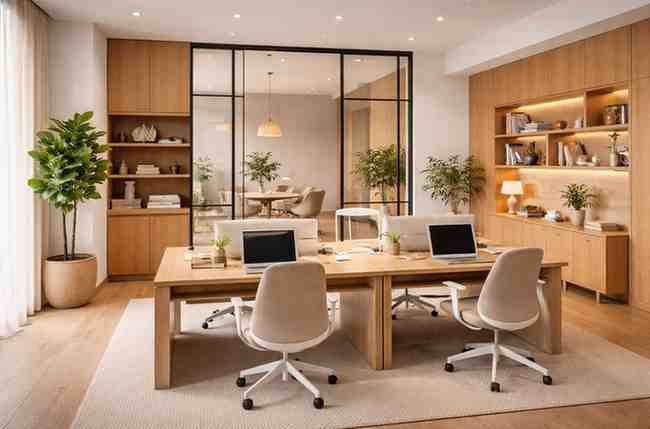
| Glass Partitions | Let’s light flow, keeps space airy, modern look | Fragile, more expensive, requires regular cleaning | Open-concept living rooms, office-style dividers, and areas needing light and openness |
Common Mistakes to Avoid During Wall Partition Work
Using the Wrong Material: If the material is not strong enough, the partition may sag, bend, or become a regular maintenance nightmare. It is therefore recommended that the strongest material be selected for the partition.
Ignoring Space Flow: A partition that limits natural movement or light will make a room less usable. Consider traffic movement when deciding where to locate partitions.
Ignoring Aesthetic Appeal: A wall partition should not only be functional but also aesthetic. Prioritizing one side of a wall could compromise the aesthetic feel of the other side in the room.
Tips For Creating Lasting Wall Partitions
Even the best-designed partition requires a little attention to remain functional and maintain its appearance. Some easy-to-follow habits can greatly help:
- Support Heavy Materials Correctly: The plywood or engineered wood partitions must be installed properly to prevent sagging or damage.
- Keep It Dry and Clean: MDF and engineered wood aren’t ideal for wet areas. Wipe up spills immediately and avoid placing these boards in spots that tend to get damp.
- Account for Daily Movement: Ensure that partitions do not interfere with doors, walking paths, or sunlight entering your home. The judicious positioning of the partition will enhance your space, whereas poorly placed ones can prove to be a nuisance.
- No Overloading: Don’t consider using the partitioning system as additional storage space or leaning heavy objects on it. Use it for its original function, which is space division.
With a little planning, your wall partitions will remain strong, functional, and stylish for years to come.
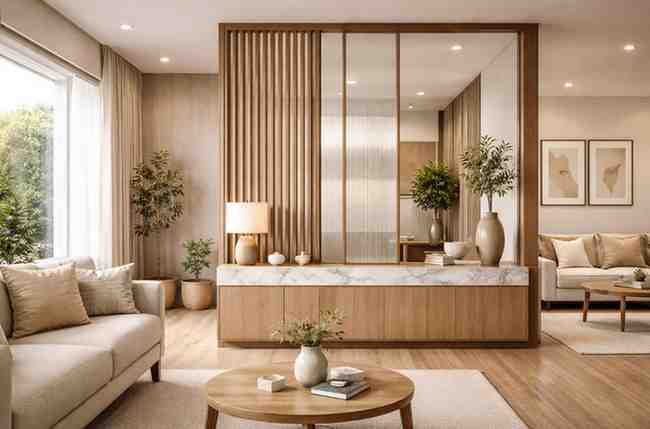
Wall Partitions do more than just being room dividers; they establish the style of your room. Living room wall partitions are for space conservation rather than making the room feel compact; on the other hand, open-concept room wall dividers smooth the passage of light and mobility from room to room. So, the designs are simple and functional, and the material should be durable.
Durability and usability matter. Using MDF panels, high-quality plywood partitions, or engineered wood makes a big difference in how your living room feels and functions. It is surprising, but the right partitions could make your space feel more comfortable and stylish. Explore Wigwam Ply for durable, stylish partitions that make your living room both functional and elegant.