Plywood performance is measured by more than surface appearance and thickness. Long-term durability depends on how panels withstand moisture and stress. This makes the Boiling Water Test of Plywood extremely important.
Furniture and interiors often face humidity, spills, and changing weather. Ordinary panels may weaken when exposed to prolonged moisture conditions. Quality plywood must resist these challenges without losing strength.
The BWP plywood test is designed to evaluate bonding performance. It measures whether plywood layers remain intact after boiling exposure. Products that pass this test offer superior durability and reliability.
Homeowners increasingly prefer boiling water proof plywood for modern interiors. Kitchens, utility areas, wardrobes, and bathroom-adjacent furniture require dependable moisture protection. Using the wrong material can lead to swelling and delamination.
The demand for waterproof plywood continues growing across Indian homes. Architects and interior designers prioritise materials with proven moisture resistance. This is especially important in regions with high humidity.
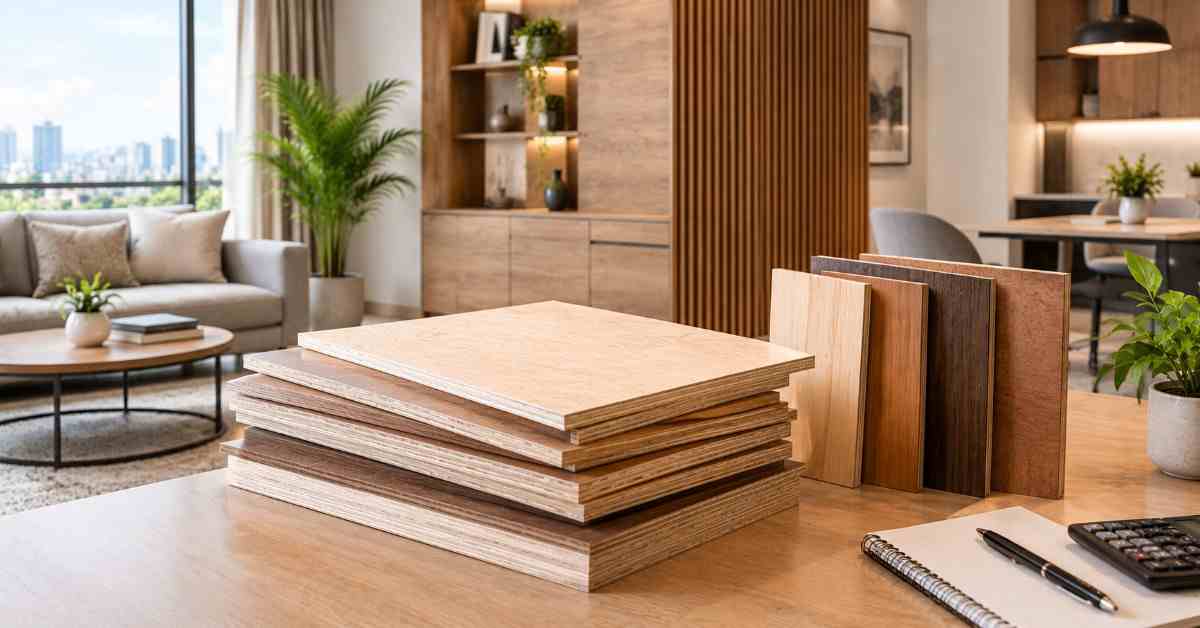
Understanding plywood water resistance helps buyers make informed decisions. Not all plywood grades provide the same level of protection. Testing and certification play a critical role in product selection.
A proper boiling test for plywood reveals the quality of adhesives and manufacturing processes. Strong bonding ensures panels remain stable under challenging conditions. This directly affects furniture lifespan and performance.
For applications requiring waterproof plywood for kitchen projects, BWP-grade plywood remains the preferred choice. Its ability to withstand prolonged moisture exposure improves long-term value. Premium plywood reduces maintenance concerns and replacement costs.
Manufacturers such as Wigwam Ply focus on producing boiling water resistant plywood engineered for demanding environments. Products designed for moisture-prone applications help create stronger and more durable interiors.
Before understanding the Boiling water test of plywood in India, it is important to know what the test measures, why it matters, and how it helps identify truly premium plywood.
What Is the Boiling Water Test for Plywood — Process, Standards & What It Proves
The Boiling Water Test of Plywood is one of the most important quality assessments used in the plywood industry. While appearance, thickness, and finish are visible to buyers, the true strength of plywood lies within its bonded veneer layers. The boiling test for plywood evaluates whether these layers remain securely bonded when exposed to extreme moisture and heat conditions.
For homeowners, architects, and furniture manufacturers, this test provides a reliable indication of long-term durability. Products that successfully pass the test are better equipped to withstand demanding environments such as kitchens, utility areas, bathrooms, and humid regions.
What Is the BWP Plywood Test?
The BWP plywood test is a standardized evaluation conducted according to Indian Standards to determine whether plywood can maintain its structural integrity after prolonged exposure to boiling water.
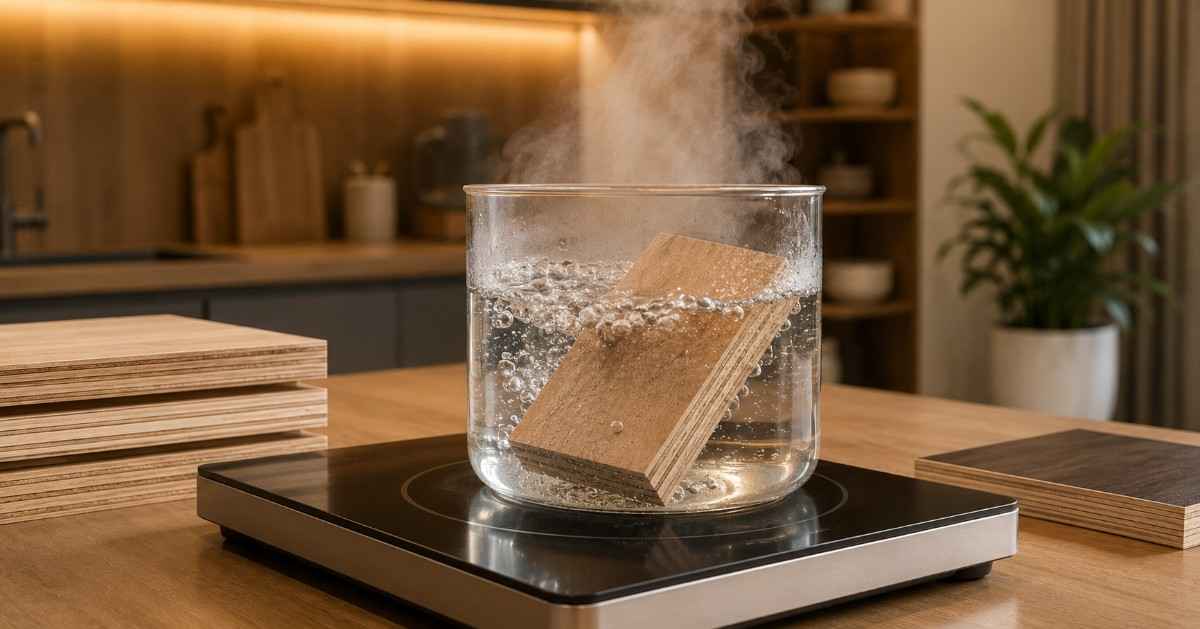
Under the Boiling water test of plywood in India, plywood samples are submerged in boiling water for a specified duration depending on the grade being tested. After removal, the panels are inspected for:
- Delamination between veneer layers
- Glue-line failure
- Separation of bonded surfaces
- Warping and structural instability
- Loss of strength and dimensional stability
For boiling water proof plywood, the test is particularly stringent. BWP-grade plywood must withstand continuous boiling water exposure without any significant failure of the adhesive bond or panel structure.
How the Boiling Water Test Works
The test is designed to simulate years of exposure to moisture, temperature fluctuations, and humidity within a compressed timeframe.
During the process:
- Plywood samples are immersed in boiling water.
- The panels remain submerged for the specified test duration.
- Samples are removed and examined for bond integrity.
- Inspectors evaluate glue performance, veneer adhesion, and panel stability.
A high-quality panel should show no delamination, separation, or weakening of its bonded layers.
What the Boiling Test Actually Proves
Many buyers assume the boiling test for plywood only measures water resistance. In reality, it reveals much more about manufacturing quality.
Adhesive Quality
The test directly evaluates the adhesive system used between veneer layers.
Premium boiling water proof plywood typically uses phenol-formaldehyde resin, a highly durable adhesive capable of maintaining bond strength under severe moisture exposure.
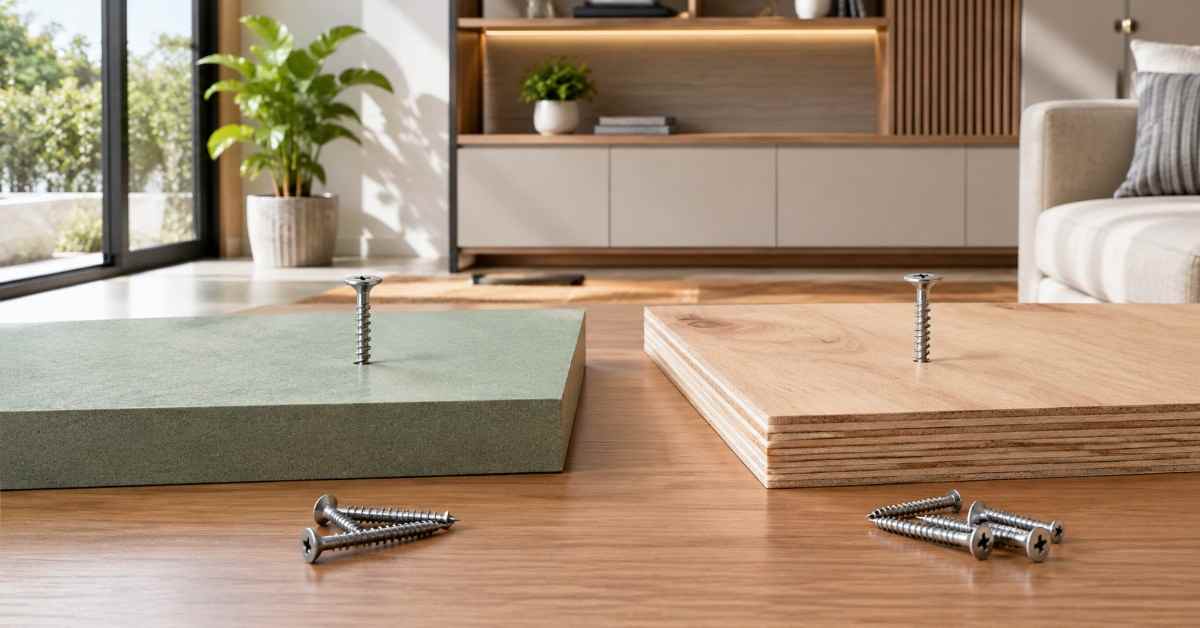
Lower-grade panels often use urea-formaldehyde adhesives, which perform adequately in dry conditions but may weaken when exposed to prolonged moisture.
Glue Penetration
The test also demonstrates how effectively adhesive penetrates the veneer structure.
Uniform glue penetration creates stronger bonding between layers, reducing the risk of separation during long-term use.
Manufacturing Consistency
A successful BWP plywood test indicates controlled manufacturing processes, proper pressing techniques, and consistent bonding throughout the sheet.
Understanding BWP, BWR and MR Grades
One of the primary purposes of the Boiling Water Test of Plywood is to differentiate between plywood grades designed for different environments.
BWP Grade (Boiling Water Proof)
BWP plywood is manufactured according to IS:710 standards using phenol-formaldehyde resin. This grade offers the highest level of moisture resistance and is specifically designed for demanding applications.
Common uses include:
- Modular kitchens
- Bathroom furniture
- Utility areas
- Laboratory furniture
- Commercial interiors
- High-humidity environments
BWR Grade (Boiling Water Resistant)
BWR plywood also uses phenolic adhesives but offers a slightly lower performance level than BWP plywood. It is suitable for areas exposed to intermittent moisture rather than continuous wet conditions.
Typical applications include:
- Kitchen cabinets
- Wardrobes
- Office furniture
- Interior partitions
MR Grade (Moisture Resistant)
MR plywood, manufactured according to IS:303, uses urea-formaldehyde adhesives. It offers resistance to humidity and occasional moisture but is not intended for prolonged water exposure.
Common uses include:
- Bedroom furniture
- Living room furniture
- Study units
- Decorative interiors
BWP vs BWR vs MR Grade Plywood
| Feature | BWP Grade Plywood | BWR Grade Plywood | MR Grade Plywood |
| Standard | IS:710 | IS:303 (Exterior Grade) | IS:303 |
| Adhesive Type | Phenol Formaldehyde Resin | Phenol Formaldehyde Resin | Urea Formaldehyde Resin |
| Water Resistance Level | Highest | High | Moderate |
| Boiling Water Test Duration | Up to 72 Hours | Lower-duration boiling test | Not designed for prolonged boiling exposure |
| Delamination Resistance | Excellent | Very Good | Moderate |
| Moisture Protection | Superior | High | Basic |
| Ideal Application | Kitchens, bathrooms, commercial interiors | Wardrobes, cabinets, office furniture | Dry interior furniture |
| Expected Durability | Excellent | Very Good | Good |
Why the Boiling Water Test Matters
The Boiling Water Test of Plywood is more than a laboratory procedure. It provides a practical indication of how plywood will perform over years of exposure to humidity, moisture, temperature changes, and everyday wear.
For applications where durability matters, selecting boiling water resistant plywood or boiling water proof plywood ensures greater reliability and lower maintenance costs. Products that successfully pass the BWP plywood test deliver stronger bonding, improved structural stability, and longer service life.
This is why premium manufacturers such as Wigwam Ply focus on high-quality adhesives, advanced pressing technologies, and rigorous quality control to produce plywood capable of performing under demanding real-world conditions.
Why BWP Plywood Matters for Kitchens, Durability & How to Verify Test Quality in India
The results of the Boiling Water Test of Plywood are not just laboratory data—they directly affect how furniture performs in everyday life. In Indian homes, furniture is constantly exposed to humidity, steam, water splashes, and seasonal moisture changes. This is why choosing genuine boiling water resistant plywood becomes critical for long-term durability.
Many homeowners assume all waterproof plywood products offer the same level of protection. In reality, the difference between MR-grade, BWR-grade, and BWP-grade plywood can determine whether furniture lasts decades or starts delaminating within a few years.
Why BWP Plywood Matters for Kitchens
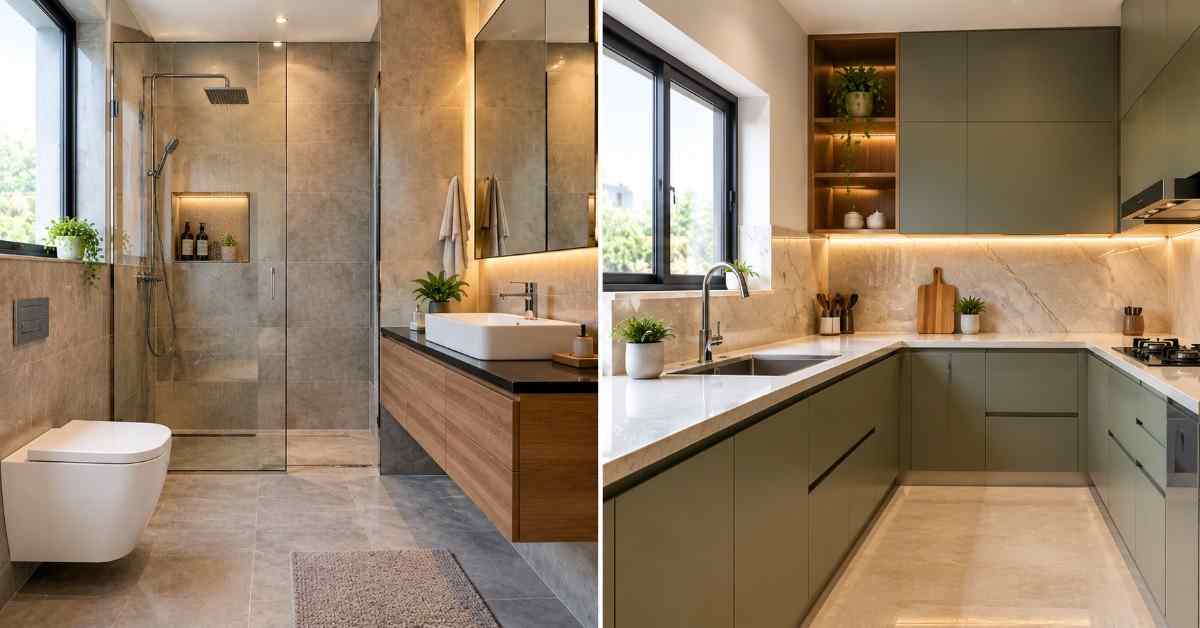
The biggest challenge for furniture is moisture. Kitchen cabinets regularly face steam from cooking, water splashes around sinks, and fluctuating temperatures throughout the day. These conditions place enormous stress on plywood bonding and structural integrity.
This is where waterproof plywood for kitchen applications becomes essential. Genuine BWP-grade plywood manufactured under IS:710 standards is designed to withstand prolonged moisture exposure without glue-line failure or veneer separation. The use of phenol-formaldehyde resin allows the panel to maintain its strength even under severe wet conditions.
By comparison, MR-grade plywood is intended for dry interior environments. While it can handle normal humidity, continuous exposure to steam and moisture may eventually cause swelling, bond deterioration, and delamination.
Plywood Water Resistance and Long-Term Furniture Life
The level of plywood water resistance directly impacts furniture lifespan. A kitchen cabinet or bathroom vanity built with genuine BWP plywood is far more likely to maintain its shape, strength, and appearance over many years.
Premium boiling water proof plywood is specifically engineered to survive the 72-hour boiling water test without delamination, making it suitable for:
- Modular kitchens
- Sink cabinets
- Bathroom furniture
- Utility room storage
- High-humidity interiors
- Coastal and monsoon-prone regions
For Indian conditions, where moisture and humidity are common challenges, investing in high-quality waterproof plywood often prevents expensive repairs and furniture replacement later.
How to Verify Genuine BWP Certification in India
Unfortunately, many products are marketed as waterproof without meeting true BWP standards. Buyers should always verify quality before making a purchase.
Look for the following:
Check for ISI Certification
A genuine BWP plywood sheet should carry an ISI mark along with the relevant standard number.
- IS:710 = BWP (Boiling Water Proof)
- IS:303 = BWR or MR Grade
If a plywood manufacturer claims the product is waterproof but cannot provide IS:710 certification, buyers should proceed cautiously.
Inspect the Sheet Stamping
Reputable manufacturers print certification details directly on the plywood sheet. Verify that the stamping clearly mentions:
- ISI mark
- IS:710 certification
- Manufacturer details
- Product grade
Ask for Test Certificates
Professional manufacturers can provide laboratory reports or certification documents showing compliance with relevant standards and testing requirements.
Beware of Generic Waterproof Claims
Many low-cost panels are marketed as waterproof even though they only offer basic moisture resistance. Without proper certification, there is no assurance that the plywood can withstand prolonged water exposure.
Boiling Test for Plywood Cost: Is BWP Worth the Premium?
Many buyers compare plywood grades based purely on purchase price. However, the Boiling test for plywood cost should be viewed in terms of long-term value rather than initial expense.
Genuine BWP plywood typically costs more than MR-grade plywood because of:
- Higher-grade adhesives
- Phenol-formaldehyde resin bonding
- Additional quality control
- More demanding testing standards
- Superior manufacturing processes
However, the price difference is often modest when compared to the cost of replacing damaged furniture. A failed kitchen cabinet, swollen wardrobe, or delaminated storage unit can require significant repair or complete replacement within a few years.
Many furniture professionals and homeowners consider the additional investment worthwhile, particularly for kitchens, bathrooms, and moisture-prone areas. Community discussions among furniture makers and homeowners frequently recommend BWP-grade plywood for such applications because of its proven durability under real-world conditions.
Why Premium Plywood Manufacturers Focus on BWP Standards
Leading manufacturers invest heavily in producing genuine boiling water resistant plywood because they understand that moisture resistance begins at the manufacturing stage. High-quality adhesives, advanced pressing technologies, calibrated construction, and strict quality checks all contribute to better performance.
For homeowners seeking dependable waterproof plywood solutions, selecting a manufacturer that prioritises certified BWP-grade production provides greater confidence and longer furniture life.
Key Takeaway
The Boiling Water Test of Plywood is one of the most reliable indicators of plywood quality. Genuine waterproof plywood for kitchen applications should carry IS:710 certifications, pass rigorous boiling water testing, and demonstrate superior bonding strength. While BWP plywood may cost slightly more than MR-grade alternatives, the investment is often small compared to the long-term cost of furniture failure, repairs, and replacement. Choosing certified boiling water proof plywood ensures better durability, greater moisture protection, and stronger value over the life of the furniture.
Conclusion: Invest in Proven Waterproof Performance with Wigwam Ply
The Boiling Water Test of Plywood is more than just a technical quality check. It is one of the clearest indicators of whether plywood can withstand years of moisture exposure without losing strength or structural integrity. From modular kitchens and bathroom cabinets to wardrobes and utility furniture, the ability to resist water directly impacts furniture lifespan and maintenance costs.
When selecting boiling water proof plywood, always look beyond marketing claims. Genuine BWP-grade plywood should meet IS:710 standards, pass rigorous BWP plywood tests, and offer verified plywood water resistance through advanced manufacturing processes. A small investment in premium waterproof plywood today can prevent expensive repairs and furniture replacement tomorrow.
At Wigwam Ply, quality begins at the core. With advanced manufacturing technology, calibrated construction, premium adhesive systems, and products engineered for demanding Indian conditions, Wigwam delivers plywood designed to perform where ordinary panels fail. Products such as Wigwam Excel BWP, Wigwam Club Plus, and Wigwam Fabricate MDP BWP 710 are developed to provide exceptional moisture resistance, dimensional stability, and long-term durability. Wigwam’s calibrated-only approach and focus on precision manufacturing help ensure consistent performance across every sheet.
Whether you’re building a modular kitchen, upgrading interior furniture, or designing a moisture-prone space, choose plywood that has been engineered to withstand real-world challenges. Choose Wigwam Ply—Ply As It Should Be.
Frequently Asked Questions
What is the Boiling Water Test of Plywood?
The Boiling Water Test of Plywood is a standardized quality test used to evaluate the bonding strength and water resistance of plywood. During the boiling test for plywood, samples are immersed in boiling water for a specified period and then checked for delamination, glue-line failure, and structural damage. This test helps determine whether plywood can withstand prolonged moisture exposure.
What is BWP grade plywood?
BWP plywood stands for Boiling Water Proof plywood. It is manufactured according to IS:710 standards using phenol-formaldehyde resin adhesives. A genuine BWP plywood test certified panel can withstand extended boiling water exposure without delaminating, making it suitable for kitchens, bathrooms, and high-moisture environments.
Is BWP plywood fully waterproof?
While no wood-based product is completely immune to damage under every condition, genuine boiling water proof plywood offers the highest level of plywood water resistance available in the Indian market. BWP-grade plywood is specifically engineered to resist prolonged water exposure, steam, humidity, and moisture-related deterioration.
Which plywood grade is best for kitchen cabinets?
For waterproof plywood for kitchen applications, BWP-grade plywood certified under IS:710 is widely considered the best choice. Kitchen cabinets regularly face steam, humidity, and water splashes, making boiling water resistant plywood far more suitable than MR-grade alternatives.
How do I check if plywood is genuinely BWP grade?
To verify genuine boiling water proof plywood, check for:
- ISI certification mark
- IS:710 stamping on the plywood sheet
- Manufacturer test certificates
- Product specifications mentioning BWP grade
Avoid products marketed as waterproof plywood without proper certification, as many may only be moisture-resistant rather than true BWP grade.
What is the difference between BWP, BWR, and MR plywood?
The primary difference lies in plywood water resistance and adhesive quality. BWP plywood offers the highest water resistance, BWR plywood provides strong moisture protection for humid interiors, and MR plywood is designed mainly for dry interior applications. The Boiling Water Test of Plywood helps distinguish these grades.
How long does BWP plywood withstand boiling water?
A genuine BWP plywood test panel must withstand approximately 72 hours of boiling water exposure without significant delamination or bond failure. This stringent requirement is one of the reasons BWP-grade plywood is preferred for demanding applications.
Is boiling water resistant plywood worth the extra cost?
Yes. The additional investment in boiling water resistant plywood is often small compared to the cost of repairing or replacing damaged furniture. In kitchens, bathrooms, and humid environments, premium waterproof plywood provides significantly better long-term value and durability.
What is the boiling test for plywood cost?
There is no separate boiling test for plywood cost for end users purchasing certified products. The testing expense is typically part of the manufacturer’s quality assurance process. Genuine BWP-grade plywood may cost more than MR-grade plywood because of higher-quality adhesives, stricter manufacturing standards, and rigorous testing requirements.
Which plywood is best for Indian climate conditions?
For homes exposed to humidity, monsoons, and fluctuating temperatures, boiling water proof plywood certified under IS:710 remains one of the most reliable choices. Its superior plywood water resistance helps protect furniture and interiors from moisture-related damage over the long term.