Learn the key differences between blockboard and plywood to choose the right material for durable and stylish furniture.
It shouldn’t be difficult to choose the appropriate material for your furniture and home design. Choosing the right material for your kitchen cabinets, wardrobe frames, or living room storage is crucial for ensuring durability, longevity, and ease of use.
Blockboard and plywood are two of the most popular construction materials in India, although they are designed differently and operate differently. In this blog, we’ll explain how each material performs so you can confidently select the one that provides the best strength, quality, and value for your project.
Block Board vs Plywood: What’s the Real Difference?
When it comes to furniture, the material you choose can impact strength, durability, and overall efficiency. Despite their similar appearances, blockboard and plywood are constructed differently, which has an impact on how they withstand wear, moisture, and weight over time.
Blockboard:
It consists of wood strips placed between thin veneers. Because of this, it is robust and lightweight, making it perfect for doors, wardrobes, and panels that don’t support significant loads.
Plywood:
It is created by gluing together thin layers of wood veneers, each with a grain at right angles to the next. Plywood’s cross-grain structure increases its strength, prevents warping, and improves its capacity to support loads.
Why it matters:
The difference in construction explains why blockboard is easier to handle and cost-effective, while plywood is stronger and more durable, perfect for kitchens, worktops, and furniture that sees heavy use.
Block Board vs Plywood: Durability and Strength Compared
Strength and durability are crucial when it comes to furniture. Many people have no idea of which material is more resilient to weight and which lasts longer under regular use. Here’s a little explanation:
Weight-bearing capacity: Because of its cross-grain layers, plywood is made to support larger loads. Because blockboard is lighter, it can be used for things like doors, wardrobes, and panels that don’t need to weigh a lot.
Performance Over Time: Plywood’s resistance to warping, bending, and wear makes it perfect for kitchens, worktops, and furniture with continuous usage. Blockboard may sag or develop wear more quickly under strong loads, but it works well in lighter, low-stress applications.
In a nutshell, blockboard is lightweight and inexpensive, whereas plywood provides strength, durability, and long-term dependability. How much weight your furniture will support and how long you want it to survive will decide which material is best.
Blockboard Thickness and Uses Explained
Choosing the appropriate blockboard thickness can have a significant impact on how long your furniture lasts.
Typical choices for thickness
Typically, blockboard is available in 18mm, 25mm, and 30mm sizes. Thicker boards are stronger and better for large panels, whereas thinner boards are suitable for doors and smaller pieces.
Best Usage:
Doors, dividers, and wardrobes all benefit from blockboard. It is sturdy enough for furniture that doesn’t have to support large loads, lightweight, and manageable.
What to Avoid:
Kitchen cabinets, heavy-duty furniture, and any area where it might get wet are not the best places for it. Plywood or BWR-grade boards are typically a safer, more durable choice in these situations.
Blockboard vs Plywood for Furniture in India
Every piece of furniture has a purpose. Here’s a useful look at when blockboard is appropriate and when plywood works better.
Beds: Plywood is typically a safer option for beds with hefty mattresses. It is durable and resistant to sagging. For lighter frames, blockboard works, but it might deteriorate more quickly.
Shelves and wardrobes: Blockboard are suitable for shelves and wardrobes that hold clothing or books. It is lightweight, manageable, and easy to install. Plywood is reliable for larger closets or ones that hold bulky stuff.
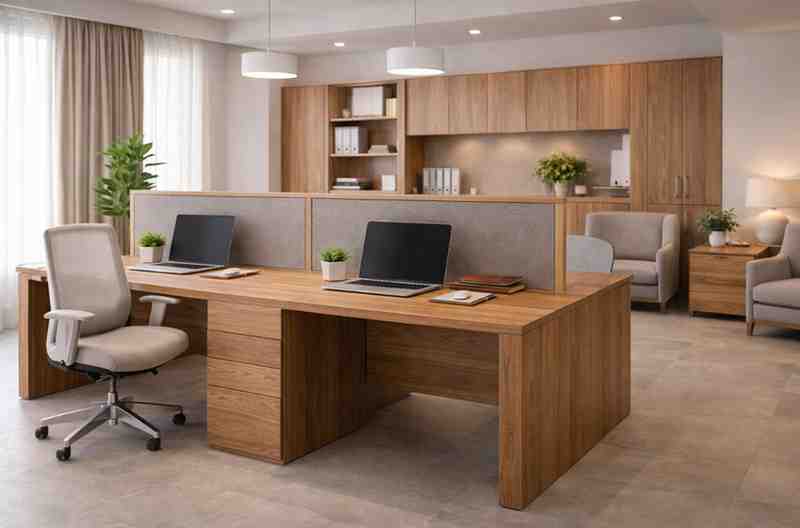
Office and Study Furniture: Desks, cabinets, and study tables are often used regularly. Here, plywood works better since it resists deterioration. For lighter cabinets or partitions, blockboard works well, but its lifespan could be shorter.
Blockboard vs Plywood for Kitchen Cabinets
Strength is important when furniture must support weight every day. Here is a comparison of plywood and blockboard.
Weight-bearing capacity: Because plywood is stronger, it can support larger loads without sagging. Although blockboard is easier to handle due to its lesser weight, it works best with furniture that doesn’t transport heavy objects.
Performance throughout time: Plywood is perfect for items that are used frequently, such as worktops, cabinets, and study tables, because it resists warping and bending better. Blockboard is suitable for lighter furniture; however, it may wear faster if subjected to steady pressure.
Quick takeaway: Plywood is a safer option for long-lasting and heavy-duty furniture. Blockboard is an excellent material for lighter, less stressful furniture and can be reasonably priced.
Check out Wigwam Ply for premium-quality blockboards that are durable and sturdy.
Which Lasts Longer: Blockboard or Plywood?
Considering the long term? Selecting the appropriate content now can save a great deal of headache down the road.
Comparison of lifespans: Plywood often has a longer lifespan. It doesn’t drop or bend easily because of its layered construction, which maintains its sturdy and stable. Blockboard is suitable for lighter furniture, but it may show signs of wear more quickly if heavy objects are piled on.
Managing moisture and regular use: Particularly, BWR-grade plywood handles moisture and everyday wear significantly better. On the other hand, blockboard can absorb moisture and can bend if it becomes wet or steamy.
Where each is most effective:
- Plywood: Study tables, kitchens, heavy-duty cabinets, and any other area where regular use is expected.
- Blockboard: Lightweight furniture, walls, and wardrobes.
How to Choose Between Blockboard and Plywood
In this case, there is no one right response. The smartest option is one that fits your space and daily routine.
Considering the location: Plywood is typically the safest option for kitchens and bathrooms since it has superior moisture resistance. Blockboard is ideal for waterproof wardrobes, doors, and storage cabinets in bedrooms or offices.
Considering load and moisture: Beds, bookcases, and study tables are examples of furniture that work better with plywood because they bear weight daily. For lighter furniture, blockboard works well as long as it isn’t exposed to moisture.
Considering long-term use and budget: In general, blockboard is more economical and suitable for short- to medium-term requirements. Although plywood may be more expensive initially, it usually lasts longer and requires fewer repairs over time.
Check this detailed guide on plywood vs blockboard to make an informed decision.
Making the Right Choice
Both materials have their place. Blockboard vs plywood isn’t about which one is better overall—it’s about choosing what fits your project best. The right choice depends on how the furniture will be used, whether it’s blockboard for wardrobes and doors or plywood for kitchen cabinets and heavy-use furniture.
Looking at thickness, durability, and moisture resistance helps avoid common furniture issues and improves long-term performance. Choosing the right blockboard or plywood also reduces maintenance and extends the life of your furniture.
At Wigwam Ply, you’ll find well-tested plywood and block board options designed for real Indian homes—where humidity, daily use, and long-term value all need to be considered.
FAQs
1. What is the difference between a block board and plywood?
The main difference between them is how they’re made. A block board has a core made of solid wood strips placed at the edges, while plywood is made from multiple thin veneer layers glued together. This difference affects strength, weight, and where each material performs best
2. Which is stronger – block board or plywood?
Generally, plywood is stronger than blockboard, especially when it comes to load-bearing and impact resistance. Its cross-layered structure gives it better overall strength and stability.
3. Is blockboard or plywood better for furniture?
Both work well, depending on the furniture type. Block board is suitable for wardrobes, doors, and shelves where lightweight panels are needed. Plywood is better for furniture that needs higher strength, such as beds, sofas, and kitchen cabinets.
4. Which is more durable, block board or plywood?
Plywood is usually more durable, especially in areas exposed to moisture, frequent use, or heavy loads. Block board performs well indoors but may wear faster in demanding conditions.
5. Can a block board be used for kitchen cabinets instead of plywood?
A block board can be used in kitchen cabinets only in dry, low-moisture areas. For sinks, lower cabinets, or spaces exposed to steam and spills, plywood is the safer and longer-lasting choice.
6. Is plywood waterproof like BWR block board?
No, standard plywood is not waterproof. However, BWR or BWP plywood is designed to resist moisture much better than regular plywood. Similarly, the BWR block board offers moisture resistance, but neither material is fully waterproof.
7. Which is cheaper – block board or plywood?
Block board is generally more affordable than plywood of the same thickness. Plywood costs more due to its layered construction and higher strength.
8. Can blockboard or plywood be used for wall paneling?
Yes, both can be used for wall paneling. Block board is preferred for decorative wall panels because it’s lightweight and easy to install. Plywood works better for paneling that needs extra strength or durability.
9. What are the advantages of using a block board over plywood?
Block board is lighter, easier to handle, and less prone to bending over long spans. It’s a good choice for doors, wardrobes, and partitions where weight and straightness matter more than heavy load capacity.
10. Which lasts longer in humid climates, block board or plywood?
In humid conditions, plywood, especially BWR or BWP grade, lasts longer than block board. It handles moisture and temperature changes better, making it more reliable in kitchens, coastal areas, and monsoon-prone regions.