If you have ever inquired about plywood costs, you have undoubtedly observed the wide range of rates.
One store provides an affordable quote. Another promotes a nearly double-priced premium sheet. The question of whether premium plywood is truly superior or merely a marketing gimmick then arises.
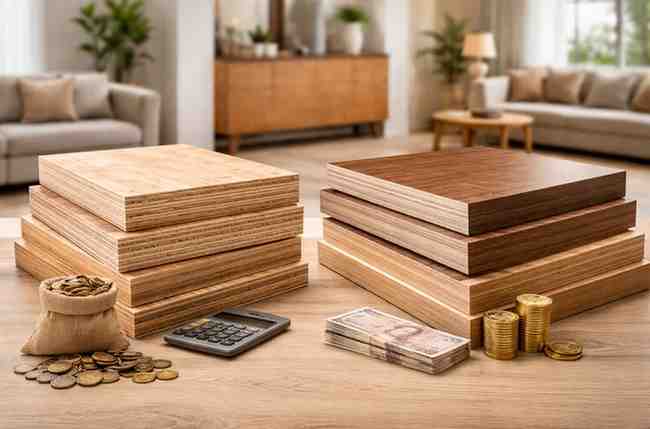
However, picking the least expensive choice isn’t always a wise decision. In this plywood pricing comparison of budget and premium solutions, we’ll break down grades, expenses, and long-term value in a simple way.
Affordable vs Premium Plywood: The Real Difference
The actual difference between high-end and low-cost plywood typically lies in the quality of the sheet itself.
Premium plywood typically has a better core material and fewer gaps. The glue bonding is stronger, making it more durable over time. In general, surface finish is more uniform and smoother.
Additionally, warranty periods for premium boards are typically longer. Moisture and termite resistance are important considerations. Durability is increased by better care, particularly in humid and kitchen settings.
Not all economical plywood is terrible. However, stability and long-term performance are typically where the differences lie.
Plywood Grades and Prices Explained
Making decisions is easy when plywood grades and cost is understood.
The MR grade is designed for indoor use in dry conditions. Usually, it’s less expensive.
BWR rating has better water resistance and is suitable for kitchen use.
Marine-grade BWP manages moisture considerably better and is used in high direct water-exposure environments,the bonding and treatment being stronger. Generally speaking, grades are more important than brand name alone.
Plywood Price Comparison Guide
When evaluating plywood pricing, go beyond the number of sheets.
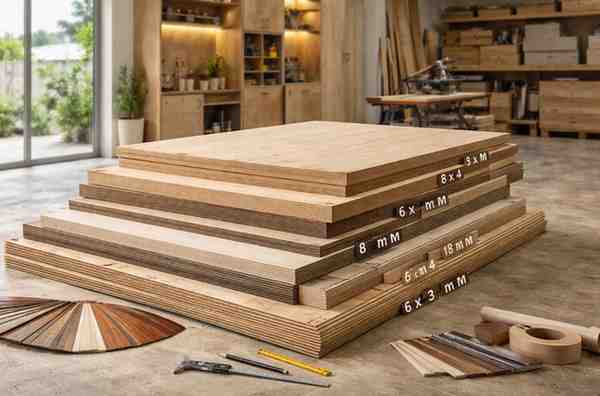
Thickness influences expense. The price of an 18mm sheet is more than that of a 12mm sheet.
The prices are influenced by brand positioning too. Some companies charge more because of their ability and reputation.
Treatment, testing standards, and manufacturing quality all add to the price.
You may have to pay for durability at times. Understanding the difference is important.
Budget vs High-End Plywood Buying Guide
Budget plywood is suitable for dry areas such as TV units or wardrobes in bedrooms. High-quality plywood is required in bathrooms, kitchens, and other damp places.
Stronger grades make sense in heavy furniture that will survive for many years. Extremely low-cost plywood may hide the damage, such as bending, swelling, or improper bonding, that becomes apparent later.
Saving a little now can cost more in repairs later.
How to Compare Plywood Prices and Quality in India
When comparing plywood pricing and quality in India, price is not the only factor to consider.
- First, look at the grade.
- Check the core for gaps if possible.
- Ask about the warranty.
- Make sure the thickness is right.
Without quality tests, a low price may be misleading.
Best Plywood Options for Long-Term Performance
Premium plywood makes sense for bathrooms, kitchens, and heavy-duty furniture if you’re planning.
Mid-range alternatives are usually ideal for standard dry room furniture.
Instead of asking whether plywood is the best value in India, consider how long you want it to last. Compared to lifespan, cost makes more sense.
Check out the premium plywood collection at Wigwam Ply to find the best choice for your furniture.
Smart Plywood Buying Tips for Homeowners
Avoid selecting just based on pricing per sheet. Rather:
- Consider the furniture’s expected lifespan.
- Keep in mind the load requirements.
- Adapt the plywood grade to the intended use.
Choosing the affordable sheet is not the definition of smart purchasing. It all comes down to choosing the correct one.
Conclusion
High-quality plywood is not usually required. Affordable plywood isn’t always an awful experience. Smart buying involves matching grade and quality to the purpose it serves.
Consider where you’ll use this plywood in ten years before making a decision.
When choosing plywood for your home, check out Wigwam Ply’s reliable collection and pick a quality that fits your demands rather than just your price range.
FAQs
1. What is the difference between affordable and premium plywood?
Affordable plywood is usually made for basic interior use and dry areas. Premium plywood often has better core quality, stronger bonding, and better moisture or termite resistance. The difference shows up more in durability than in appearance.
2. How do plywood prices vary by grade and thickness?
Higher grades like BWR or BWP cost more than the MR grade because they resist moisture better. Thicker sheets also cost more since they use more material. So both grade and thickness directly affect the price.
3. Which factors affect the price of plywood the most?
Grade, thickness, core quality, glue bonding, brand reputation, and warranty all affect price. Moisture resistance and certifications also add to the cost.
4. Is cheap plywood suitable for making furniture?
It can be suitable for light-use furniture in dry rooms, like TV units or shelves. But for kitchens, 5. bathrooms, or heavy furniture, cheaper plywood may not last long.
5. Why is premium plywood more expensive?
Premium plywood usually has better bonding, fewer core gaps, stronger moisture and termite resistance, and a longer warranty. You’re paying for durability and consistency.
6. How can I compare plywood prices effectively before buying?
Don’t compare only the price per sheet. Check the grade, thickness, warranty, and core quality. Two sheets may look similar, but perform very differently over time.
7. What plywood grade should I choose for kitchen cabinets?
For kitchen cabinets, BWR or BWP grade is usually better because kitchens have moisture and steam. The MR grade may not be strong enough for long-term use in the kitchen.
8. Does thicker plywood always mean better quality?
No. Thickness affects strength, but quality depends on the core and bonding, too. A thicker, low-quality sheet may still perform poorly.
9. How do I ensure I’m buying genuine branded plywood?
Buy from trusted dealers, check the sheet for branding marks, ask for proper bills, and verify warranty details. Avoid buying loose sheets without identification.
10. What are common mistakes people make when buying plywood?
Choosing only based on low price, ignoring grade, not checking thickness properly, and using interior-grade plywood in moisture areas are common mistakes. Planning avoids most of these problems.