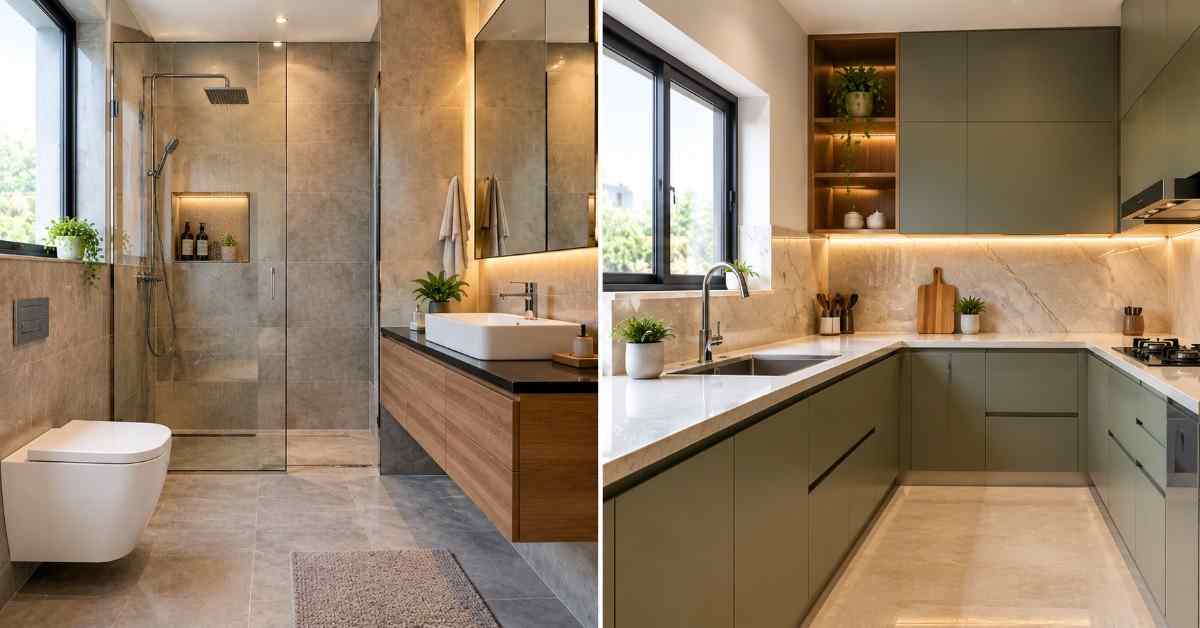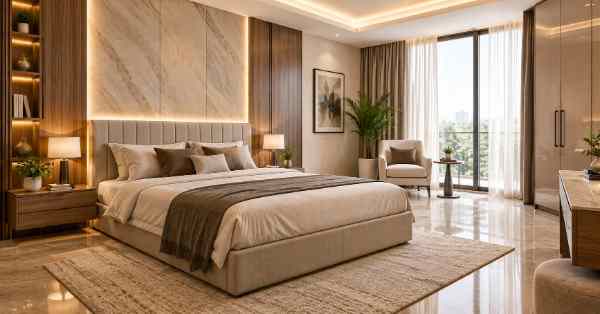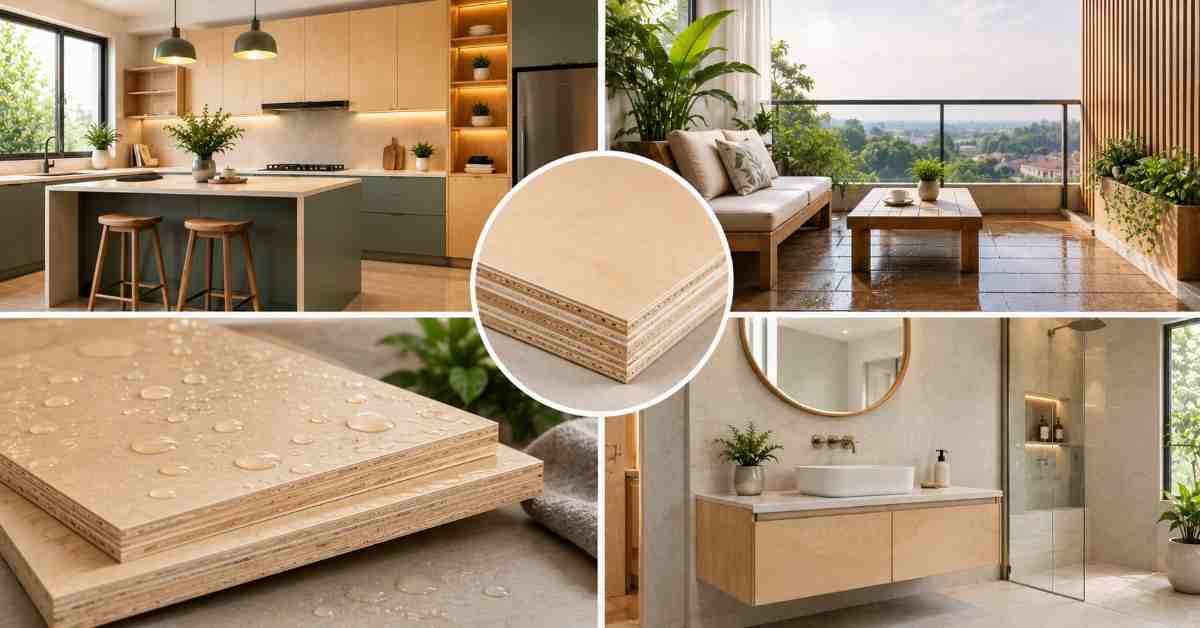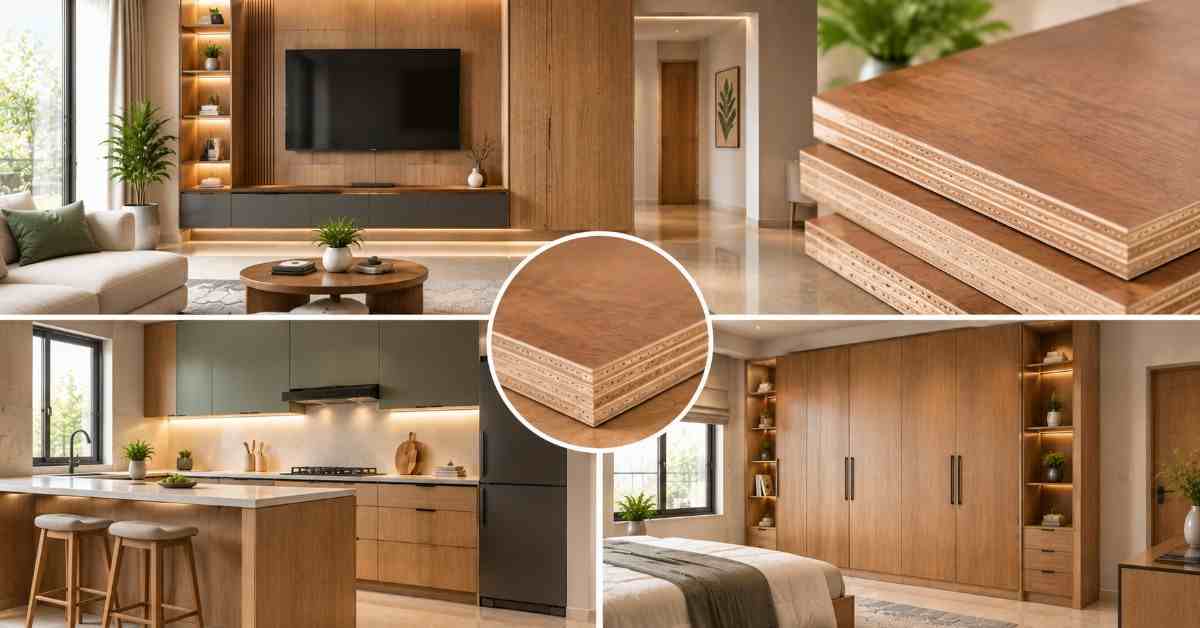
When designing furniture or doing interior work, individuals typically concentrate on finishes and designs. Interior materials play an equally important role. Plywood and veneer are popular choices for homes, businesses, and commercial buildings. They provide a good mix of affordability, strength, and aesthetics.
Explore plywood & veneers for durable, stylish, and versatile solutions that enhance furniture, cabinetry, and modern interior designs.
Plywood is used by manufacturers for structural support and durability. Veneer offers a natural wood veneer for furniture, improving its appearance. When combined, these materials help make furniture that is both aesthetically pleasing and long-lasting. They also aid in controlling expenses.
A lot of individuals still find it difficult to distinguish between veneer and plywood. They frequently don’t know where to use each thing. In this comprehensive guide, we will go over all you need to know about plywood and veneer, including their types, applications, and benefits, as well as how to select the best option for furniture and interior design.
Whether for residential or commercial projects, WigwamPly remains the Best Plywood Supplier in India for reliable delivery of genuine, termite-proof materials.
What Is Ply and Veneer?
What is Plywood?
Plywood is engineered wood made by bonding multiple thin layers of wood together to create plywood. Plywood is robust and stable because. The layers are bonded in alternating directions. Thus, the plywood becomes much stronger than the solid wood of the same thickness.
What is Veneer?
A thin layer of genuine wood called veneer is used on the surface of MDF or plywood to enhance its appearance.
In short, Plywood has strength, while Veneer has beauty.
Difference Between Ply and Veneer
Here is a quick difference between ply and veneer to help you make an informed choice:
| Factors | Plywood | Veneer |
| Purpose | Structural strength | Decorative finish |
| Thickness | Thick and solid | Very thin |
| Use | Furniture base | Surface covering |
| Look | Plain | Natural wood grain |
If your mind goes for Veneer, check these latest design trends for a more elevated look in your interiors.
Types of Veneer for Plywood
Wooden Veneer
Natural wood veneer is constructed from thin slices of actual wood. It displays natural wood patterns and offers furniture a genuine, solid-wood appearance.
Veneer Decor
The primary reason for selecting decorative veneer is its aesthetic appeal. It is perfect for fashionable furniture and interior finishes because it comes in a variety of hues and designs.
Rebuilt Veneer
Natural wood is modified to produce consistent patterns in new veneer. It is frequently less expensive than genuine wood veneer and provides a uniform appearance.
These veneers are applied over veneer plywood to give furniture a premium wood look.
Meeting the highest commercial construction standards, WigwamPly structural grade ply is the ideal choice for heavy-duty frameworks.
Advantages of Ply and Veneer Sheets
Robust for daily use: Ply and veneer sheets are popular because they are durable. Plywood provides a sturdy foundation for furniture, preventing it from feeling fragile or brittle after frequent usage.
Improves the overall look: The natural wood finish that plain boards typically lack is added via veneer. It makes furniture appear more refined and like solid wood.
Controls expenses: Plywood with veneer provides the appearance of genuine wood at a lower cost. This makes it a practical choice for most houses and interiors.
Simple to blend with the interior: Veneer sheets have a variety of grain patterns and colours. This makes it easier to match furniture to current home designs.
Works well in modern areas: Ply and veneer are obvious options for today’s homes and offices because they maintain a balance between strength, look, and cost.
Disadvantages of Ply and Veneer Sheets
Moisture issues: Ply and veneer don’t like moisture for long periods. If sealing is ignored, swelling or damage can show up later.
Quality depends on the sheet: Two plywood sheets can look the same but behave very differently. The inner layers matter more than the surface.
Veneer is thin: Veneer looks good, but it’s delicate. Poor pasting or rough use can damage edges easily.
Hard to fix once damaged: If the veneer gets badly damaged, repairs don’t always look clean. Often, replacement is the only option.
Depends on who installs it: Good material can still fail with bad workmanship. This part is often underestimated.
Also, check out the pros and cons of MDF vs plywood, if you’re planning to install them.
How to Use Ply and Veneer in Furniture
Plywood serves as the primary base for most furniture. It provides the object with its strength and shape. To enhance the appearance, veneer is used on top. It mimics the feel of real wood without using solid wood.
This technique is popular because it maintains furniture’s strength and aesthetic appeal. It also helps in reducing expenses.
Where You Can Use This Combination
Beds and couches: The interior construction is made of plywood. Veneer is placed on surfaces that are visible, such as side panels and headboards.
Tables and Chairs: Plywood is resistant to daily use and weight. The tabletop or seat looks polished and clean due to the veneer.
Storage spaces: Plywood provides stiffness for shelves, cabinets, and wardrobes, while Veneer helps combine the furniture with the interior design.
Why Ply and Veneer Combine Well
- Plywood increases durability without adding weight to furniture.
- Veneer enhances attractiveness while being less expensive.
- Different wood finishes are simple to accomplish.
- Ideal for both residential and commercial settings
Plywood and veneer are frequently combined in modern interior construction for such reasons.
For a flawless architectural finish that never compromises on safety, designers trust WigwamPly’s premium fire retardant birch plywood.
Ply and Veneer Sheets for Cabinets and Wardrobes
When building cabinets and closets, plywood is typically used for the main foundation. It maintains the stability of the furniture with time and is resistant to regular use.
Sheets of veneer are applied to the exterior. They provide a natural wood polish to enhance its appeal. It allows the design to have a high-end appearance without using actual wood.
How to Use Them
- Plywood is utilised for shelves, sidewalls, and interior frames due to its durability.
- Veneer sheets are used on doors and visible panels to improve the appearance.
This combination makes cabinets and wardrobes stronger, more visually appealing, and lasts longer, which is why it is popular in modern designs.
Decorative Ply and Veneer for Home Interiors
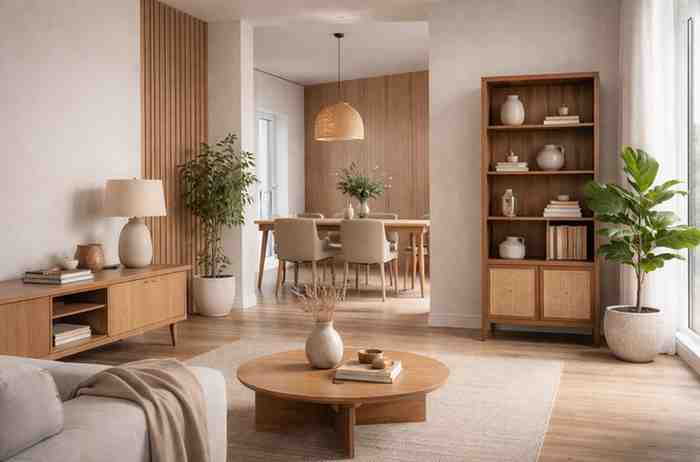
Decorative plywood and veneer are commonly utilised for visible surfaces in residential interiors. Plywood serves as the foundation, providing stability. Where appearance is important, veneer is applied.
This combination of decorative veneer can be seen in many common areas, such as:
- Veneer is a common way to break up the monotonous appearance of painted walls in living room panels. It adds warmth without making the space feel crowded.
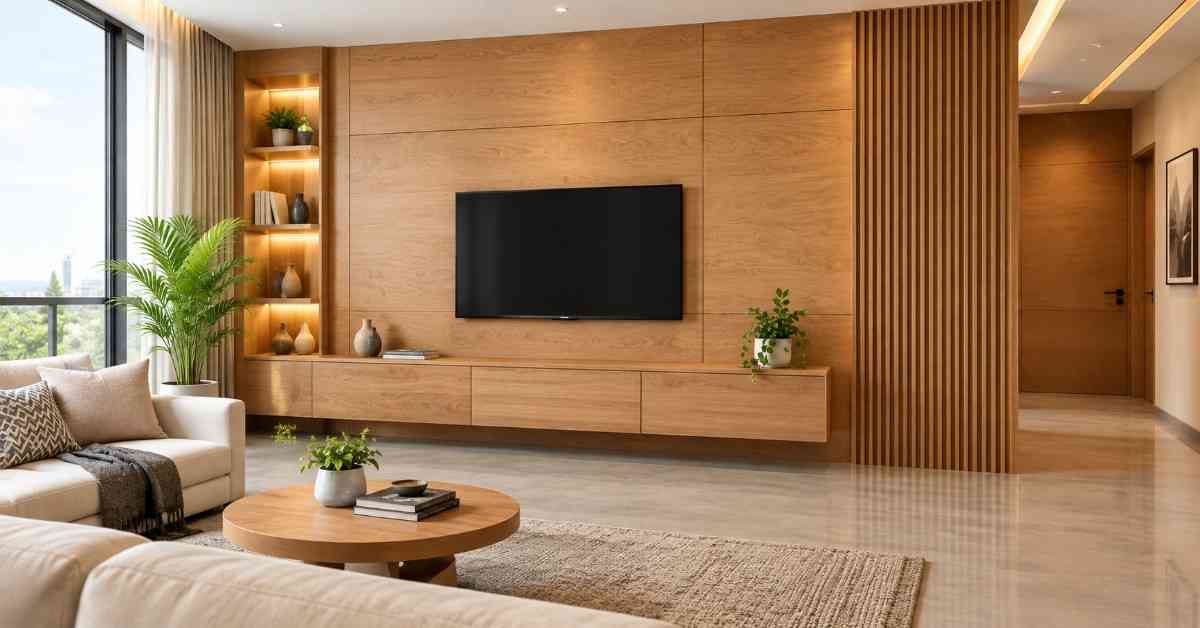
- Plywood is often used to hold up TV units and display panels. To make the unit appear tidy and finished, veneer is put on the front.
- Veneer is frequently used on mattresses, side tables, and wardrobe shutters in bedrooms. It contributes to a softer, more organic feel.
- Desks, partitions, and wall panels in offices are all made of veneer. It has a less formal and polished appearance.
Check out these latest TV cabinet designs if you’re on a budget and still want something appealing.
Which Veneer Is Best for Furniture?
No single veneer is ideal for every piece of furniture. The best option is usually based on where the furniture will be used, how you want it to look, and how much money you want to spend.
Strength is just as important as looks when it comes to everyday furniture. For this reason, wood veneer sheets over plywood are typically preferred. The veneer gives the surface a natural wood look, and the plywood offers rigidity.
In most homes, this combination works well for wardrobes, cabinets, beds, and television units. It strikes a nice mix between durability and design while avoiding the high expense and maintenance associated with solid wood.
Veneer on plywood is a long-lasting material that complements both classic and modern home design.
How to Apply Veneer on Plywood
Adhesive is used to attach veneer to plywood, but the pressing process is what ultimately determines the outcome. The sheet is spread out and pressed down after the glue has been applied. If the pressure is uneven, the issue typically manifests later rather than right away.
When done accurately, the surface feels clean to the touch and remains flat. There are no weak or elevated parts beneath the veneer. For this reason, veneer work is typically completed in workshops. They have presses that apply constant pressure, which is challenging to control on-site.
Furniture produced in factories appears smoother for the same reason. The bonding is stronger, and the veneer holds up better over time.
Check the latest aesthetic designs using veneer sheets for your home.
Designed to withstand alternate wetting and drying conditions without delamination, WigwamPly boiling waterproof plywood is an industry favorite.
Where to Purchase Ply and Veneer Sheets
If you’re buying ply or veneer sheets, most people start with local plywood dealers. These are the shops that mainly deal in boards. You can look at the sheets directly, which helps avoid surprises later.
Some buyers prefer interior material stores instead. This usually happens when they are already purchasing laminates or hardware from the same shop. It’s easier to manage everything in one place.
If you need a particular brand, purchase it from authorised distributors. This option is more about proper billing and brand assurance than price.
Before finalising anything, it’s better to check the sheet yourself. Thickness, surface quality, and grade can vary, even within the same stack. Skipping this step often causes problems during furniture work.
So, What’s Next?
Understanding plywood and veneer helps you make better choices for furniture and interiors. Plywood provides the strength for daily use, while veneer improves the overall appearance. When used together, they create furniture that not only looks good but lasts longer.
If you’re planning furniture work and want dependable materials, starting with the right plywood is important. Wigwam Ply offers high-quality plywood suitable for modern homes and interior needs. Choosing reliable ply at the beginning helps avoid issues later and ensures better long-term results.
FAQs
1. What are ply and veneer, and how are they different from regular plywood?
Ply is the plywood used as the main structure in furniture. Veneer is a thin layer of real wood placed on top for appearance. Regular plywood focuses more on strength, while ply with veneer is chosen when both durability and finish are important
2. What are the main types of ply and veneer used in furniture making?
Common ply types include commercial plywood, waterproof (BWP) plywood, and marine-grade plywood. Veneers are usually either natural wood veneer or engineered veneer, depending on the look and budget.
3. How do you choose the best veneer for plywood?
The choice depends on where the furniture will be used and how visible the surface is. For regular furniture, veneers with even grain and proper thickness are suitable. It also helps to check how well the veneer sits on the plywood.
4. Can ply and veneer be used for cabinets, wardrobes, and furniture?
Yes, this combination is widely used for wardrobes, cabinets, beds, tables, and storage furniture. The plywood gives strength, while the veneer improves the visible finish.
5. What are the advantages of using decorative veneer sheets?
Decorative veneer creates a natural wood look without the cost of solid wood. It also offers more flexibility in design and works well for modern interiors.
6. How do you maintain ply and veneer furniture to last longer?
Keep the furniture away from excess moisture and clean it with a dry or slightly damp cloth. Avoid dragging heavy objects and protect surfaces from direct sunlight where possible.
7. What is the difference between natural wood veneer and engineered veneer?
Natural wood veneer is cut from real wood logs, so each sheet has slight variations. Engineered veneer is manufactured to provide a look that matches panels more easily across the entire furniture.
8. Are ply and veneer sheets waterproof or moisture-resistant?
Certain plywood types are moisture-resistant, but the veneer itself is not waterproof. In areas like kitchens, using waterproof-grade plywood with proper finishing makes a big difference.
9. How is veneer applied to plywood sheets for interiors?
Veneer is glued onto plywood and pressed evenly, usually in a factory or workshop. Proper pressure helps the veneer stay flat and bond well over time.
10. Where can you buy high-quality ply and veneer sheets in India?
They are commonly purchased from local plywood dealers, interior material stores, or authorised distributors. Checking the sheet quality and grade before buying helps avoid problems later.
11. What is the difference between plywood & veneers?
Plywood & veneers are both versatile wood-based materials, with plywood providing structural strength and veneers adding an attractive natural wood finish to furniture and interiors.