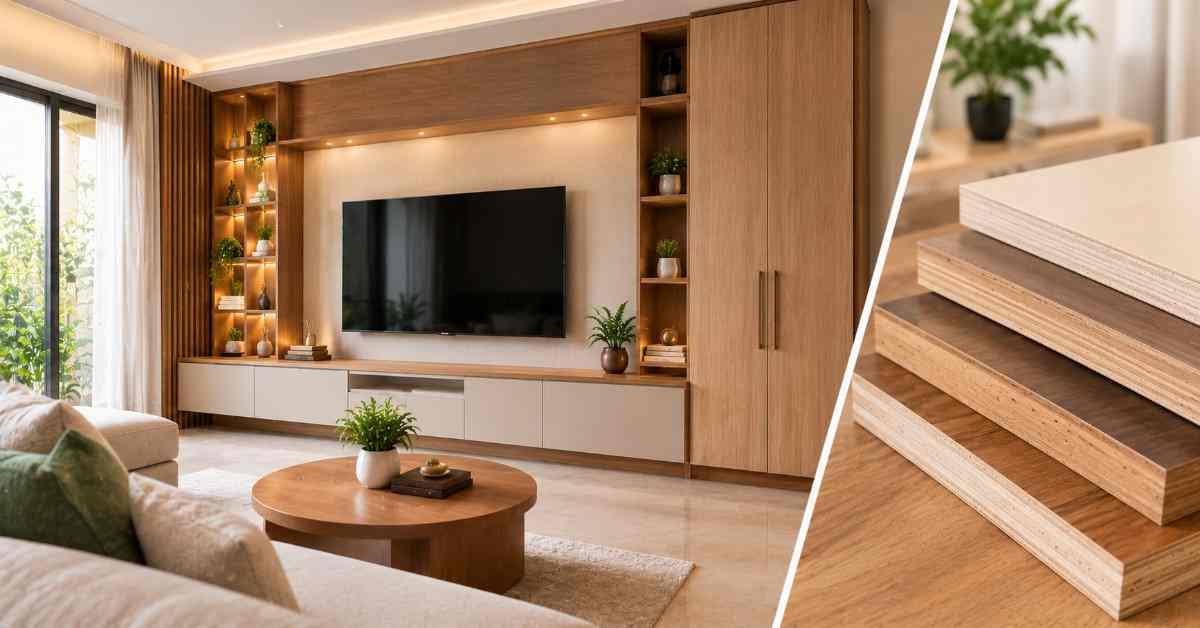
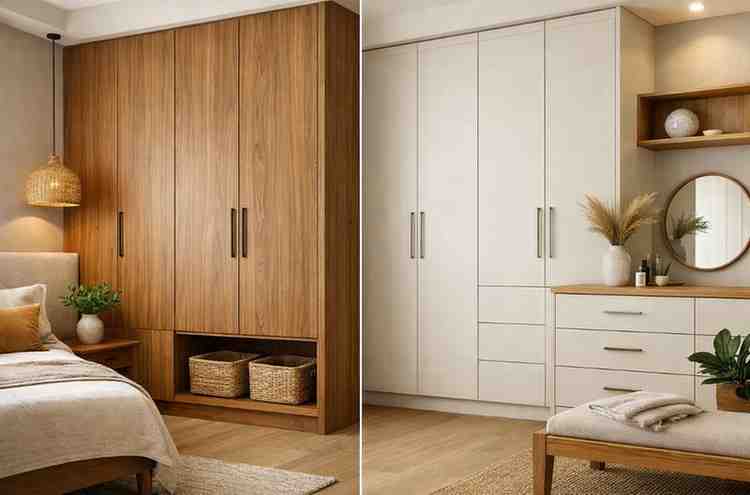
Compare durability, cost, moisture resistance, and real use cases of ply vs MDF to make the right choice. Find out which is better for cabinets, wardrobes, and furniture projects?
It is obvious to fall into a dilemma between ply vs MDF to find which is suitable for your home. Although the difference lies in how they are built and their durability. Each has its own life span. But before that, we must know their difference between them.
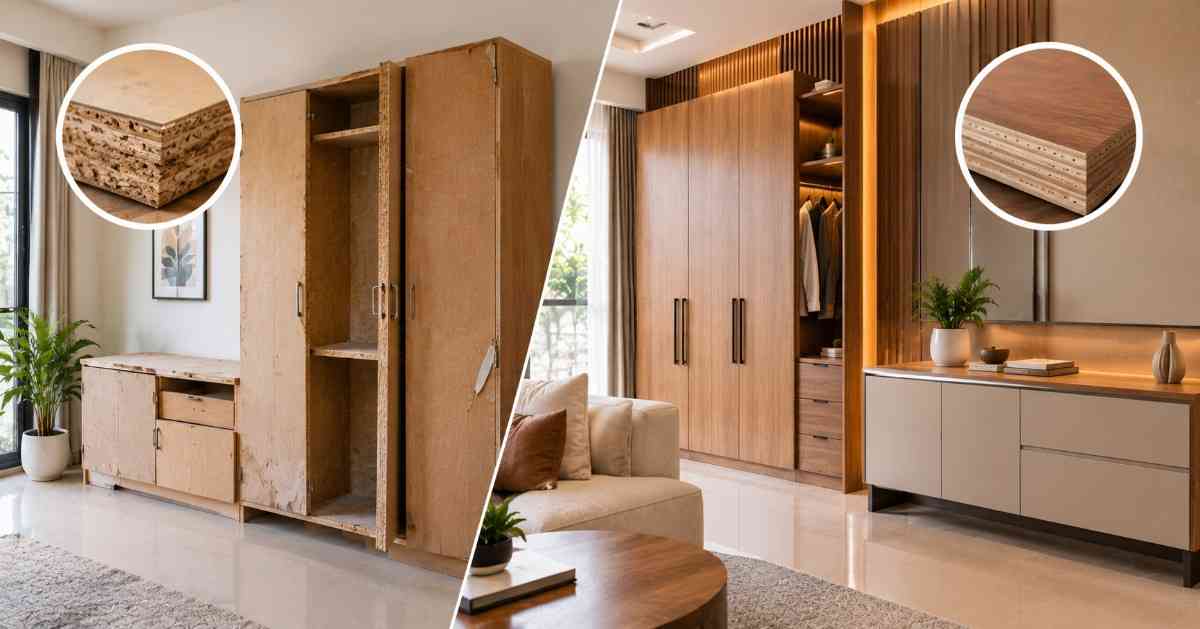
Plywood’s layered structure allows it to bear loads, resist drooping, and remain stable over time. Although MDF has a smoother surface, its durability depends more on thickness and support. Because of this, MDF is more frequently used for low-load furniture or ornamental panels, whereas plywood is frequently used for kitchens, wardrobes, and beds.
In short, when deciding between ply and MDF, it’s not about which is “better” overall; it’s about where and how the material will be used. Each board’s strength, durability, and dependability in common furniture are strongly impacted by how it is constructed. Dive into this blog to find out which would be best for you.
Ply vs MDF Durability Comparison
One of the biggest differences between wood and MDF is how long they last, especially when the furniture is used every day.
Which lasts longer: ply or MDF?
Plywood typically lasts longer than MDF, especially for heavy furniture.
Load-bearing strength: Plywood’s layered structure makes it more resilient to weight. Only lighter, uniformly supported loads are compatible with MDF.
Bending and sagging: Plywood is resistant to bending over time, whereas MDF shelves can sag, particularly in longer spans.
Everyday use in Indian homes: Plywood is more suited to heat, humidity, and frequent use. When exposed to moisture, MDF is more likely to swell or deteriorate.
Plywood is a safer option for long-term furnishings. MDF is ideal for low-load or decorative purposes.
Ply vs MDF for Cabinets (Kitchen & Storage)
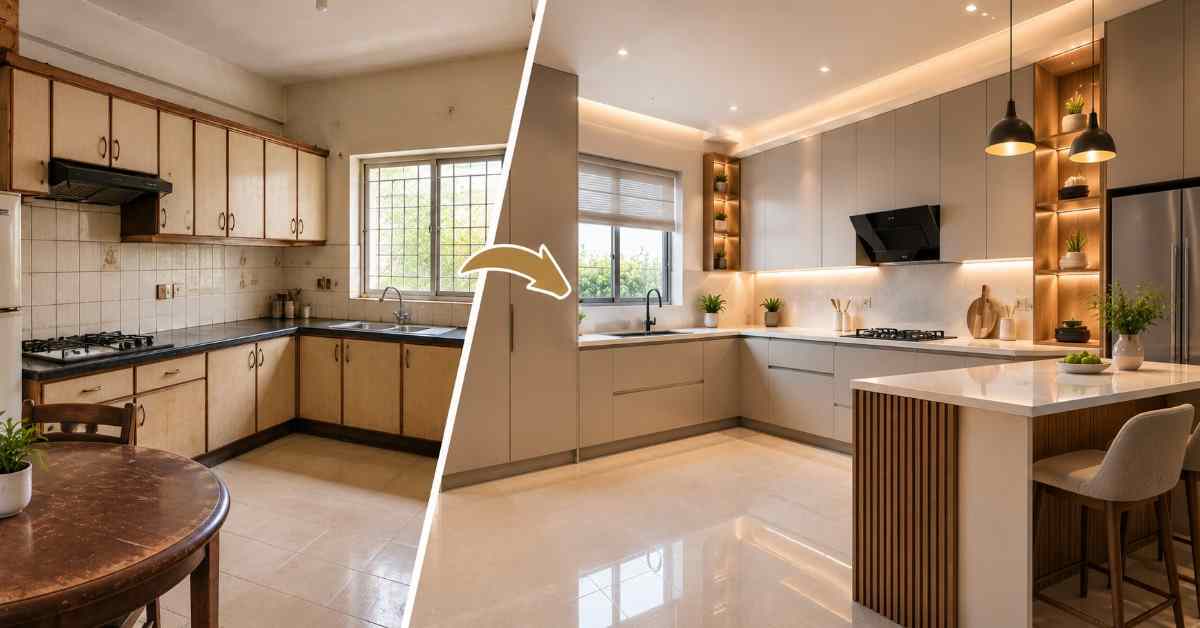
When comparing MDF for kitchen cabinets versus plywood, moisture exposure is the most important factor.
MDF vs. Waterproof Plywood for Kitchens
Near sinks and stoves, kitchen cabinets are continuously subject to heat, spillage, and steam.
Moisture resistance: Compared to MDF, BWR plywood is significantly more resilient to humidity and unintentional water contact.
Strength in heat points: Plywood remains stable around cooking areas; however, MDF might swell or weaken with time.
When MDF can be used: MDF can be utilised for top cabinets or dry storage rooms with minimum moisture exposure and enough ventilation.
Plywood is typically a safer long-term option for kitchens and heavy-use storage, while MDF works well in low-risk, regulated spaces.
Ply vs MDF for Wardrobes and Bedroom Interiors
When it comes to bedroom furniture and closets, the true concern is not whether MDF or plywood is better, but rather how the material can last years of regular use.
Shutters and shelves: Wardrobes frequently hold bulky items like clothing, drawers, and loft storage. Plywood resists this weight better, especially for tall shutters and large shelves. Although MDF can be used in lighter situations, it may eventually lose its strength.
Laminates and finishes: MDF provides a smooth surface for designer or painted finishes. Laminates and veneers work well with plywood, providing a stronger foundation without sacrificing style.
Long-term performance: Bedrooms are enclosed areas with little ventilation. Plywood is stable under such conditions; however, MDF operates best when humidity and usage are carefully managed.
Plywood creates a more durable foundation for long-lasting wardrobes, whereas MDF works best for specific panels or design-focused components.
Check this guide to find out which one lasts longer, plywood or MDF, to make an informed choice for your next project.
Ply vs MDF Price Per Square Foot in India
MDF frequently seems to be the more affordable choice at first. It is appealing for short-term furniture projects or those on a tight budget because of its cheaper initial cost. Cost should be considered after the initial purchase, though.
Price Range: MDF typically costs less per square foot than plywood, particularly in conventional thicknesses. Plywood, especially BWR or BWP grades, is more expensive because of its moisture resistance and multilayer composition.
Why MDF looks cheaper: Because MDF is factory-engineered for consistency, which lowers production costs, it appears to be less expensive up front. This lowers the cost, initially giving the impression that it is a more affordable option for cabinets or closets.
Hidden Costs With Time: Over time, MDF might incur hidden costs such as repairs, drooping shelves, edge damage, and moisture-related swelling. The higher initial cost of plywood is generally balanced by fewer repairs, improved load handling, and a longer usable life.
Even though the initial cost is a little higher, plywood typically delivers better value for furniture that is going to endure years rather than just seasons.
MDF Boards vs Plywood Boards: Thickness and Use Guide
Selecting the appropriate thickness is just as important as deciding between plywood and MDF. Regardless of the quality of the material, improper board thickness can result in drooping shelves, weak shutters, or early wear.
Common thickness possibilities
- 9-12 mm: Used for back panels, light dividers, and decorative elements.
- 16–18 mm: Most frequently used for wardrobes, cabinets, and furniture carcasses.
- 19- 25 mm: Suitable for load-bearing shelves, countertops, and mattresses.
Where thicker boards are truly important
- Kitchen cabinets and wardrobes require thicker boards to support regular use and weight.
- Thicker plywood prevents bending on long shelves and wide shutters.
- To match the strength of thinner plywood in load-bearing regions, MDF needs to be thicker.
Essential purchasing advice for cabinets and furniture
- For kitchens and spaces that are prone to dampness, use BWR or BWP plywood.
- Choose MDF exclusively for dry, controlled conditions, like bedroom shutters or panels.
- Always adjust thickness to usage—not just budget—to avoid future replacements.
In typical Indian homes, this method helps guarantee that furniture remains sturdy, stable, and useful.
Laminated MDF vs Plywood Sheets
Although both laminated MDF and plywood sheets are frequently used in furniture and interior design, once assembled, they work considerably differently. Over time, the difference becomes evident, particularly in high-use regions.
Smoothness of finish and surface
Because of its extremely flat and smooth surface, laminated MDF is perfect for high-gloss or painted treatments. Plywood offers a more sturdy base that survives better under regular usage, even though it is slightly rough beneath laminates.
Durability of edges
MDF has trouble on the edges. If the edges of laminated MDF are exposed to moisture or impact, they may chip or swell. Plywood sheets are resistant to screws, hinges, and repeated use with minimal damage because of their stronger edges.
Concerns of repair and re-lamination
MDF is difficult to repair if damaged, and re-lamination is rarely an option. Laminates may be replaced without damaging the board, while plywood sheets are more forgiving; minor damage can frequently be repaired.
In summary, laminated MDF is ideal for decorations and low-impact regions, whereas plywood sheets are better suited for furniture requiring strength, durability, and a longer lifespan.
Where MDF Makes Sense: Where Plywood Is the Safer Choice
Both MDF and plywood have their uses. The furniture’s main purpose and location will determine the best option.
Where MDF works well: Low-load, dry interior spaces are ideal for MDF. It is widely used for decorative wall panels, drawer fronts, and painted furniture where a smooth finish is more important than strength.
Where the extra expense of plywood is justified: For structural furniture, such as shelves, beds, closets, and kitchen cabinets, plywood is a safer choice. It is more resilient to warping, can support more weight, and lasts longer in Indian homes.
Emissions, safety, and indoor use: They have Minimal emissions. Although there are differences in quality, MDF can be used for indoor furnishings. Better long-term stability and a lower probability of swelling or breakdown over time are provided by plywood, particularly from reputable manufacturers like Wigwam Ply.
Ply vs MDF for Office and Small Apartment Furniture
In small homes and offices, furniture must strike a balance between space, strength, and cost.
Space-saving furniture requirements: MDF is commonly used for modular workstations and small storage due to its smooth finish and low cost. Foldable units, wall-mounted desks, and multipurpose furniture are more suited for plywood.
Concerns with mobility and weight: After installation, MDF can be more difficult to move due to its weight. Plywood is lighter for the same thickness, making it better suited for furniture that can be moved or reassembled.
Trade-offs between lifespan and budget: MDF is less expensive initially, but plywood is more durable and requires fewer repairs over time. Plywood typically turns out to be more cost-effective over time for long-lasting furniture.
What Should You Choose?
There isn’t a single solution that works for everyone. Daily usage, load requirements, and the length of time the furniture must last are the main factors that determine what works best.
Kitchen shelves
In this case, plywood is the obvious winner. Kitchens deal with regular use, heat, and continual dampness. Waterproof or BWR-grade plywood is far more durable than MDF around sinks, stoves, and under-counter storage.
Wardrobes: Plywood provides superior load-bearing strength and long-term stability for full-height wardrobes, shelves, and shutters. For lightweight panels or back parts, MDF might be suitable; however, plywood works best for core construction.
Beds and couches: These call for dependable strength. Compared to MDF, plywood is significantly more resilient to weight, movement, and frequent use. Plywood is a safer material for furniture that supports people, not only for storage.
Attractive panels: MDF makes sense in this situation. It provides a smooth surface for paint, CNC drawings, and wall panels with less exposure to damp and load.
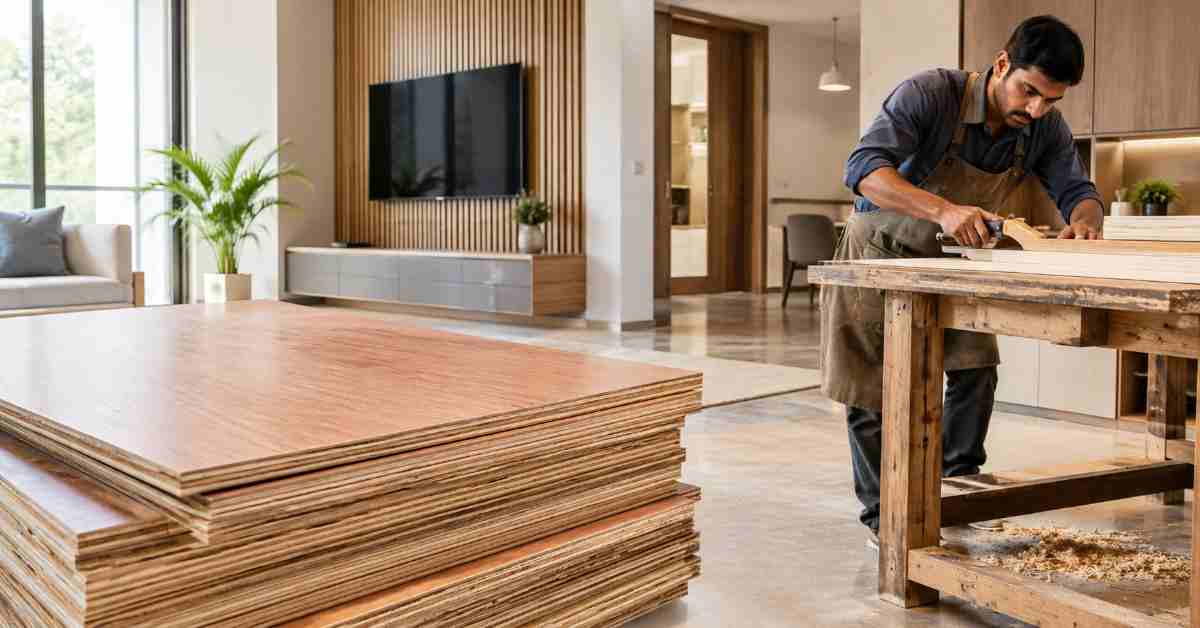
And if you need assistance selecting the best plywood for your furniture? Explore Wigwam Ply’s variety of products created for Indian kitchens, bedrooms, and everyday use—so your furniture not only looks excellent now, but also lasts for years.
FAQs
1. What is the difference between plywood and MDF?
Plywood is made by layering thin wood sheets and pressing them together. MDF is made from wood fibres mixed with resin and compressed into boards. Ply has a more natural wood structure, while MDF feels smooth and dense throughout.
2. Which is stronger – plywood or MDF?
Plywood is stronger overall, especially when it comes to handling weight. It holds screws better and doesn’t sag as easily. MDF is fine for light loads but isn’t meant for heavy use.
3. Is ply or MDF better for furniture?
It depends on what kind of furniture you’re making. For beds, wardrobes, and cabinets that carry weight, ply is usually the safer option. MDF works better for decorative furniture or pieces that don’t take much load.
4. Which is more durable, plywood or MDF?
Plywood lasts longer in most real-life conditions, especially in Indian homes where moisture and daily use matter. MDF can wear out faster if exposed to dampness or rough handling.
5. Can MDF be used for kitchen cabinets instead of plywood?
It can be used in dry areas of the kitchen, like upper cabinets away from water. But near sinks or stoves, plywood—especially BWR grade—is a better choice. MDF doesn’t react well to moisture over time.
6. Is plywood waterproof like BWR MDF?
Regular plywood isn’t waterproof. BWR plywood is water-resistant, not waterproof. MDF doesn’t offer the same moisture resistance, even if it’s labelled BWR. Ply still handles humidity better.
7. Which is cheaper – plywood or MDF?
MDF is usually cheaper upfront. Plywood costs more, but it often saves money in the long run because it doesn’t need frequent repairs or replacement.
8. Can ply or MDF be used for wall paneling?
Yes, both can be used. MDF is commonly chosen for wall panels because of its smooth finish. Plywood is better if the panel needs strength or might be exposed to moisture.
9. What are the advantages of using MDF over plywood?
MDF gives a very smooth surface, which is good for paint and detailed designs. It’s also more budget-friendly for low-load furniture and decorative use.
10. Which lasts longer in humid climates, plywood or MDF?
Plywood lasts longer in humid conditions. MDF tends to swell or weaken when exposed to moisture, even if the exposure is mild and repeated.