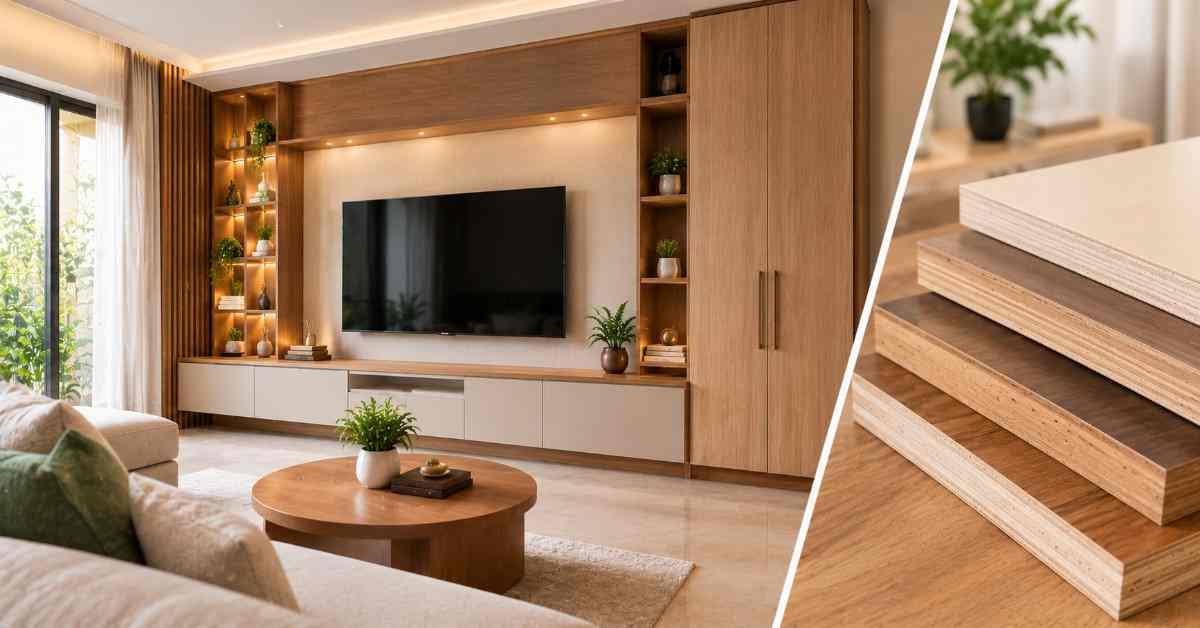

Struggling with plywood swelling in kitchens, bathrooms, or humid homes? These simple maintenance tips for water resistant plywood furniture help it last longer in real life.
Exposure to water is a part of daily life. Every day, kitchen cabinets are cleaned, bathroom furniture is kept in a humid environment, and monsoons force moisture into unnoticed corners. Waterproof plywood furniture is used extensively in Indian homes for precisely this reason. Although it manages moisture better, it still requires upkeep.
Over time, even the best boards deteriorate. Surfaces and joints are gradually impacted by steam, leakage, inadequate ventilation, and regular use. Basic maintenance still determines how long the furniture lasts, regardless of whether it is made of marine, BWR, or BWP plywood. Water-resistant plywood sheets remain sturdy and dependable for many years with a few easy habits.
What Water Resistant Plywood Really Means in Daily Life?
Water-resistant plywood is made for real homes, not perfect conditions. It handles kitchen steam, bathroom humidity, quick spills, and monsoon moisture in the air. What it couldn’t do well is water being ignored — leaks under sinks, damp corners, or wet cloths left sitting on the surface. That’s where people usually get it wrong.
Here’s the simple difference people often miss: Water-resistant plywood can slow down damage from moisture, but it won’t stop it completely. Plywood is designed to handle regular water contact without swelling or peeling.
Think this way, wiping a spill is fine, ignoring a leak isn’t. Due to this, BWP plywood is ideal for regular indoor furniture, whereas BWP plywood is better suited for locations prone to moisture. Durability ultimately depends as much on everyday routines as it does on the board itself.
Kitchen Struggles: Steam and Spills
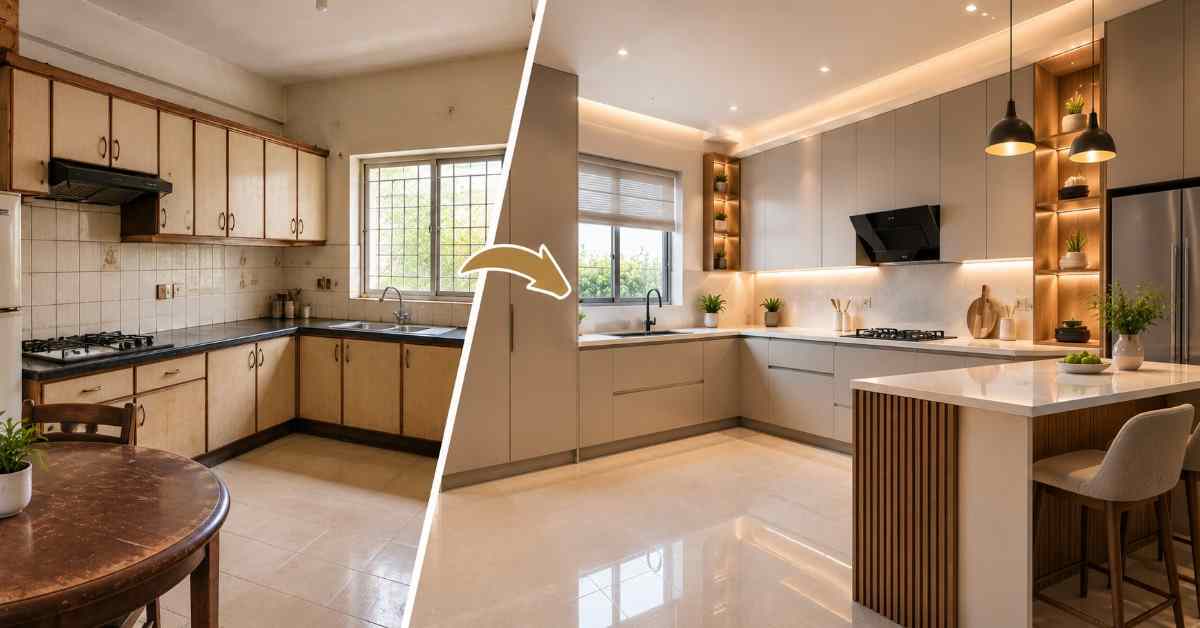
Your kitchen is filled with steam, spills, and little accidents. Even fine plywood might show indications of deterioration if not handled properly. Selecting the board is only the first step; daily routines are also important.
Daily Cooking Steam Causes Damage Quietly: Although steam appears unnoticed, it eventually causes plywood to swell and turn stained. It won’t become visible until your cabinets begin to look outdated.
Wiping Beneficial Practices: Spills may be cleaned up quickly, moist cloths can be dried, and water shouldn’t be left on the surface. A small amount of care makes a great difference.
Why Even Waterproof Plywood Needs a Wipe: BWP boards are not magical either. Leaks should be cleaned, edges must be kept dry, and cabinets should be treated gently to extend their lifespan.
How Edges Break Before Sheets: Edges absorb moisture faster than the main panel. They prevent early swelling and peeling if they are properly sealed and kept dry.
If you’re looking for modern door designs, explore our Latest decorative plywood door design trends- blog 2
Bathrooms and Damp Spots: Plywood at Risk
Despite the modest size of these bathrooms, dampness can secretly cause problems. Even fine plywood can bloat, peel, or warp if not properly maintained.
Splashes on Occasion Are Worse Than Floods: Quick splashes left unbearable cause more damage than a large spill that is cleaned up. Plywood retains what you overlook.
Expectations for BWP Plywood Sheets: Although waterproof boards are more resilient to moisture, they’re not magic. Leaks, damp towels, and standing water can still cause problems.
Ventilation is More Important Than Material: Airflow is more important than fancy boards. A well-ventilated bathroom helps reduce moisture and protects your plywood better.
Outdoor and Marine Plywood
Plywood is difficult to use in outdoor areas. If you’re not careful, even boards that are “water resistant” might sustain damage from the sun, rain, and humidity.
The Right Use of Marine Plywood: Marine plywood is ideal for moist spaces, terraces, balconies, and other areas exposed to rain. Use it outside of your house as well, where water truly appears.
Why BWR Plywood Doesn’t Work Outside: This plywood is designed to withstand dampness indoors rather than outdoors. Over time, it may warp, peel, or weaken due to rain, sunlight, and outdoor humidity. Not even “water resistant” is watertight.
Open Balconies: What to Expect: When utilising plywood outside, cover it, seal the edges, and keep it dry. Although a little maintenance can help, it won’t last as long as marine plywood.
Sheets, Thickness, and Why Poor Decisions Damage Furniture
You could be surprised to learn how important it is to choose the proper thickness. If not done carefully, being too thin or too thick can both lead to various issues.
It’s Not Always Safer to Be Thicker: Stronger sheets aren’t always thicker. Over time, low-quality plywood may still sag or bend.
Thin Sheets Fail First: Typically, thin boards lose way at the edges and joints. That’s where bending or swelling initially appears.
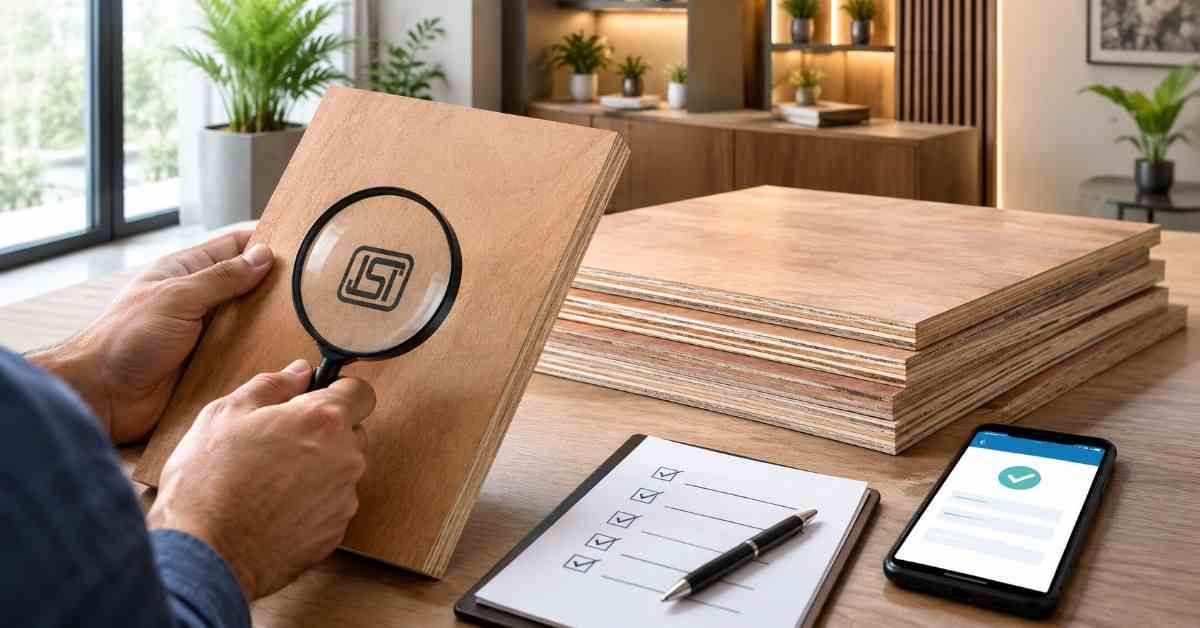
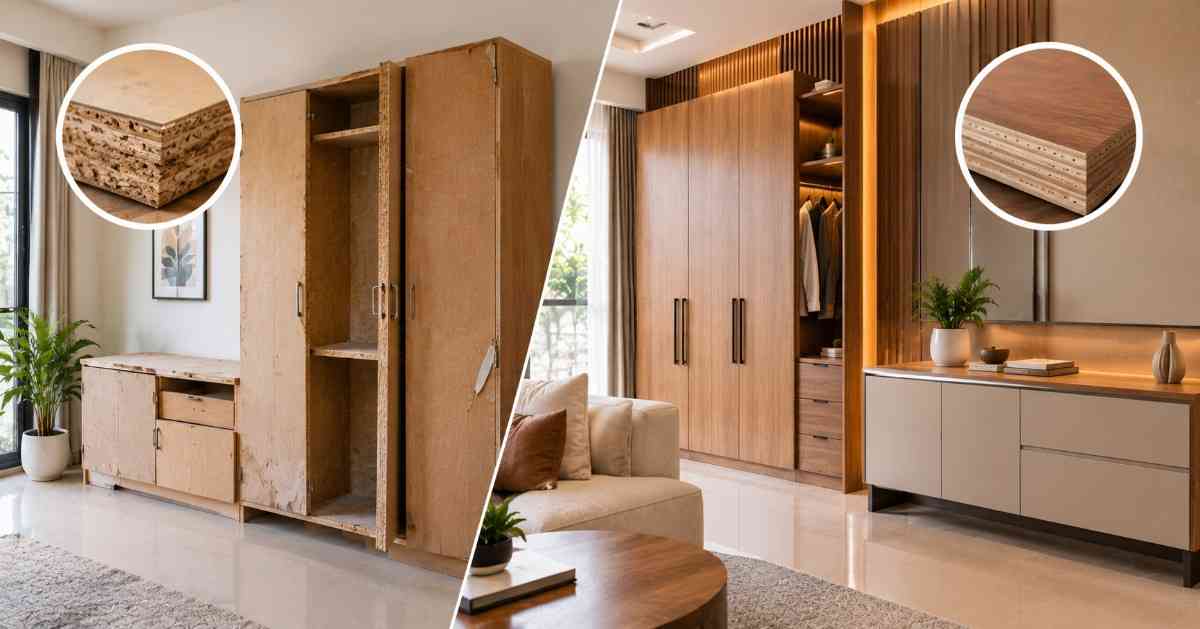
Examining Plywood Sheets for Waterproofness: Examine the edge sealing, layering, and quality. Inadequate construction or improper installation can cause even water resistant plywood to fail soon.
Easy Maintenance Practices That Really Increase Plywood Life
Little daily routines have a significant impact. Plywood lasts far longer if you treat it like furniture than plastic does.
Dry Cloth Outperforms Wet Cloth: Spills should be cleaned up quickly, usually with a dry cloth. Daily use of damp clothing might leave moisture behind.
Steer clear of soaking cleaners: Harsh or soaking cleaners may harm the surface. Use only gentle wipes and moderate cleaning.
Frequent Examination Close to Joints: Regularly inspect joints, edges, and corners. Early detection of minor problems prevents severe swellings later on.
Small Fixes Prevent Big Swelling: Seal tiny cracks, dry damp spots, and tighten loose edges. These minor fixes save your plywood in the long run.
Check this quick guide and explore in detail if you’re planning to upgrade your furniture with moulded plywood.
Common BWR & BWP Plywood Mistakes
There are some common mistakes people make with such plywood, as follows:
Assuming Both Behave The Same: A common perception is that BWR and BWP plywoods have the same behavior with respect to water, but they don’t.
Using the Right plywood: Even a superior-quality stair rail or wallboard may go bad if it is installed in areas of excessive moisture.
Overlooking Sealing and Edge Protection: Edges and corners are susceptible. Missing the sealant application step can result in blisters or flaking later.
How to Recognise When Plywood Needs Care
Although water-resistant plywood is designed to withstand common wetness, it is not impervious. Early wear detection might help you avoid more expensive repairs down the road. Here are some things to watch out for:
Signs of Swelling: This is an obvious signal if the edges or surface of your plywood begin to puff up or feel uneven. Even water-resistant boards can swell if moisture accumulates.
Greying Close to the Edges: Yellowing, dark patches, or water stains along the margins indicate that water is leaking. Early identification can help avoid structural problems.
Soft Spots, Warping, and Odour: A foul odour is a clear indication of stored moisture. Warping or mushy regions indicate that the plywood’s core is failing. Before serious harm, these spots typically appear discreetly.
Making Plywood Last Longer
Water-resistant plywood doesn’t fail suddenly. It shows small signs first—swollen edges, colour changes, soft patches, or a damp smell. These signs are easy to ignore but important to act on. With basic care and timely attention, plywood can last much longer and stay strong.
Choosing the right board for the right space also reduces future problems. That’s where Wigwam Ply makes a difference—designed to handle everyday moisture while supporting durable, long-lasting interiors.
FAQs
1. What is water-resistant plywood?
Water-resistant plywood can handle moisture better than regular plywood. It doesn’t get damaged easily by humidity, small spills, or kitchen steam. But it still needs basic care.
2. Is water-resistant plywood waterproof?
No, it’s not completely waterproof. It is used in occasional water exposure, but it can cause damage in long-term exposure. That’s why leaks should never be ignored.
3. What is the difference between BWR and BWP plywood?
BWR plywood is water-resistant and suitable for kitchens and other indoor spaces.
BWP plywood is waterproof, stronger, and ideal for bathrooms and very wet areas
4. Where can water-resistant plywood be used in homes?
It’s commonly used for kitchen cabinets, wardrobes, shelves, and furniture in areas with normal moisture. It’s ideal for everyday indoor use.
5. How long does water-resistant plywood last?
With proper care, it can easily last 10–15 years or more. Keeping it dry and well-maintained makes a big difference.
6. Which plywood is best for kitchen cabinets?
BWR plywood is usually the best choice for kitchen cabinets. It handles steam, spills, and humidity well when combined with good surface finishing.
7. Can water-resistant plywood be used for bathroom furniture?
Yes, it can be used in dry bathroom areas, but not where there’s direct water contact. For wet zones, waterproof (BWP) plywood is a safer option.
8. What is the cost of water-resistant plywood in India?
The price depends on brand, thickness, and quality. On average, it costs more than regular plywood but less than waterproof plywood.
9. How do you maintain water-resistant plywood furniture?
Wipe spills quickly, avoid standing water, and keep the area well-ventilated. Regular cleaning and proper finishing help it last longer.
10. Is water-resistant plywood termite-proof?
Most water-resistant plywood comes with termite treatment, but it’s not 100% termite-proof. Proper installation and periodic checks help prevent issues.