Introduction
When embarking on a new interior design or construction project, selecting the right material is crucial to ensuring both durability and aesthetic appeal. Among the many materials available, High-Density High Moisture Resistant (HDHMR) board and plywood are two popular options. Each has its own set of advantages and drawbacks, making the choice dependent on the specific requirements of your project. In this blog, we will explore the characteristics, benefits, and applications of HDHMR and plywood to help you make an informed decision.
HDHMR vs plywood differs in strength, moisture resistance, durability, and suitability for furniture, cabinetry, and interior applications.
Elevate your architectural woodwork with the superior screw-holding capacity and smooth surface of WigwamPly birchwood plywood.
What is HDHMR?
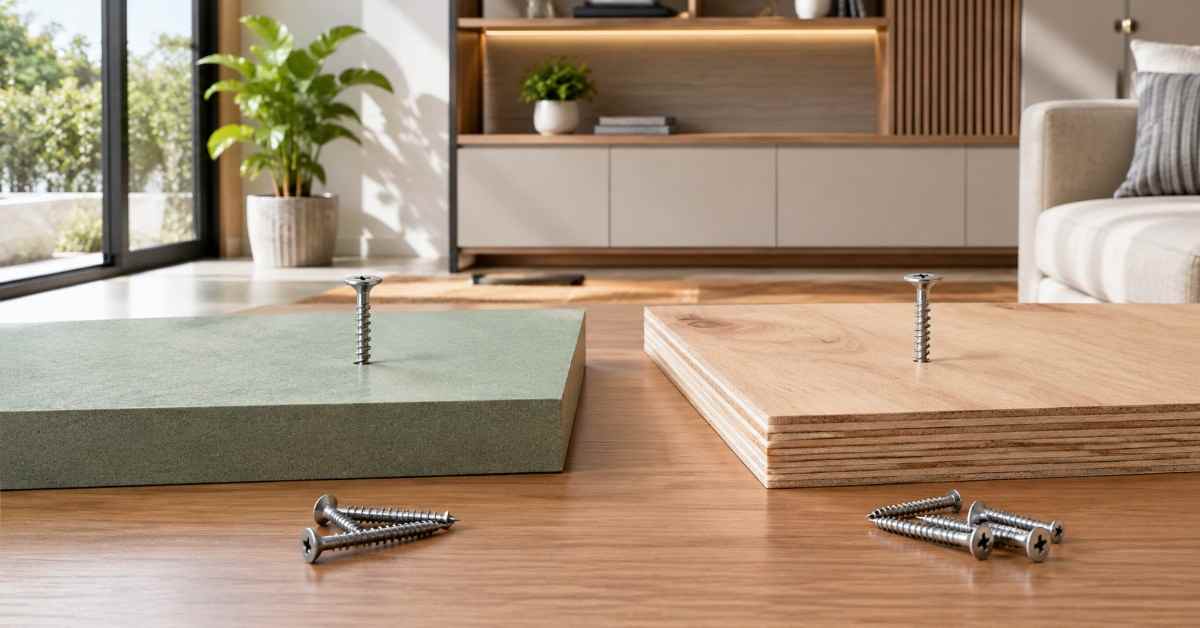
High-Density High Moisture Resistant (HDHMR) board is an engineered wood product known for its robustness and resistance to moisture. It is manufactured by combining fiber chips, forest wood waste, and agricultural residue with a special glue under high pressure. The result is a dense, hard, and durable board that can withstand high levels of moisture and heavy usage.
Benefits of HDHMR
- Moisture Resistance: HDHMR boards are highly resistant to moisture, making them ideal for use in areas with high humidity, such as kitchens and bathrooms.
- Durability: The high-density composition of HDHMR provides excellent durability, making it suitable for heavy-duty applications.
- Smooth Finish: HDHMR boards have a smooth surface, which makes them ideal for painting and laminating.
- Termite Resistance: HDHMR boards are resistant to termites and other pests, adding to their longevity.
- Environmental Sustainability: HDHMR boards often use recycled materials and waste products, making them an eco-friendly choice.
What is Plywood?
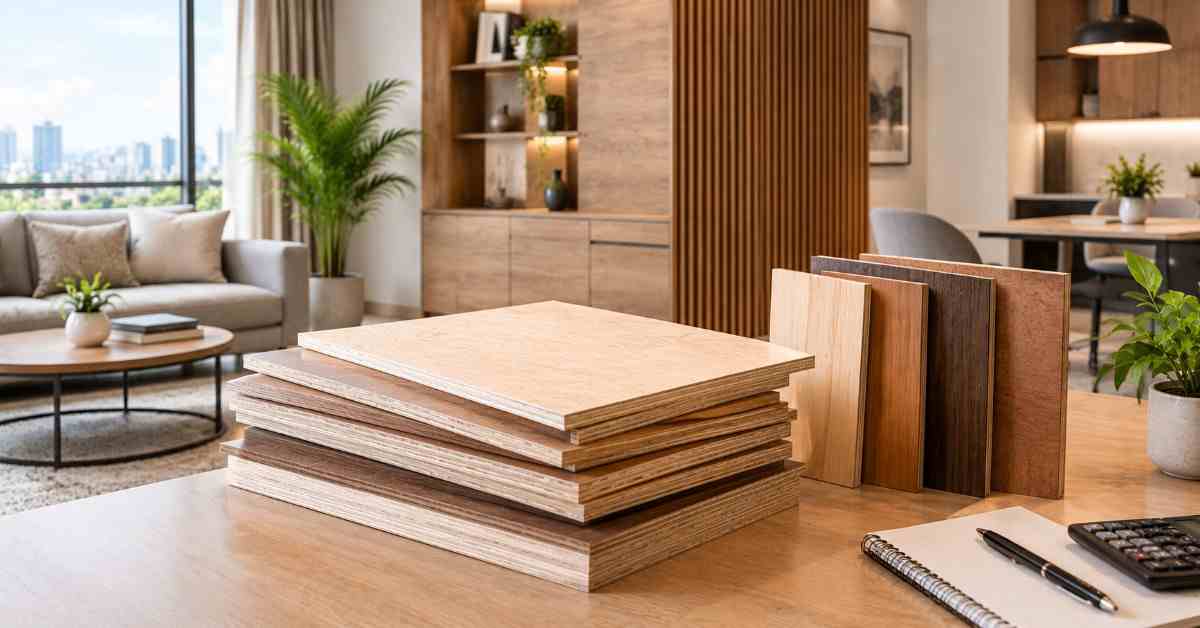
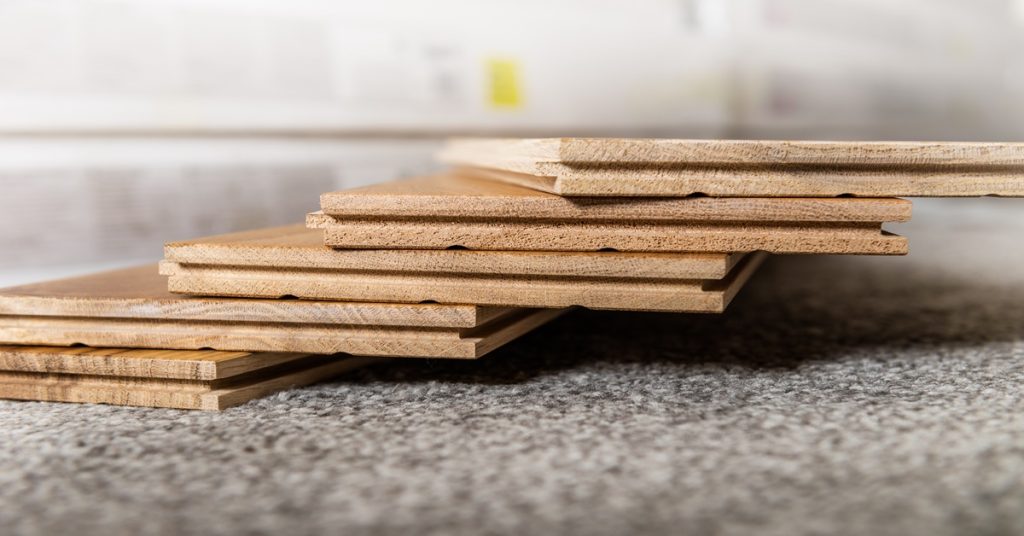
Plywood is an engineered wood product made by glueing together thin layers, or veneers, of wood. These layers are arranged with the grain of each layer perpendicular to the one below it, which enhances the strength and stability of the board. Plywood comes in various grades and types, depending on the quality of the veneers and the intended use.
Designed to bend smoothly without snapping, WigwamPly flexi ply plywood is the perfect material for custom interior arches and contoured woodwork.
Benefits of Plywood
- Strength and Stability: The cross-grain construction of plywood gives it superior strength and stability, making it less prone to warping and splitting.
- Versatility: Plywood is available in a wide range of thicknesses and grades, making it suitable for various applications, from structural use to fine cabinetry.
- Ease of Workability: Plywood can be easily cut, shaped, and finished, offering great flexibility in design.
- Cost-Effectiveness: Plywood is often more affordable than solid wood while still providing good performance and aesthetic appeal.
- Availability: Plywood is widely available and comes in many types, such as softwood, hardwood, marine, and flexible plywood.
Discover premium-grade plywood and HDHMR boards for your next project – explore Wigwam Ply’s range today.
Comparing HDHMR and Plywood
Moisture Resistance
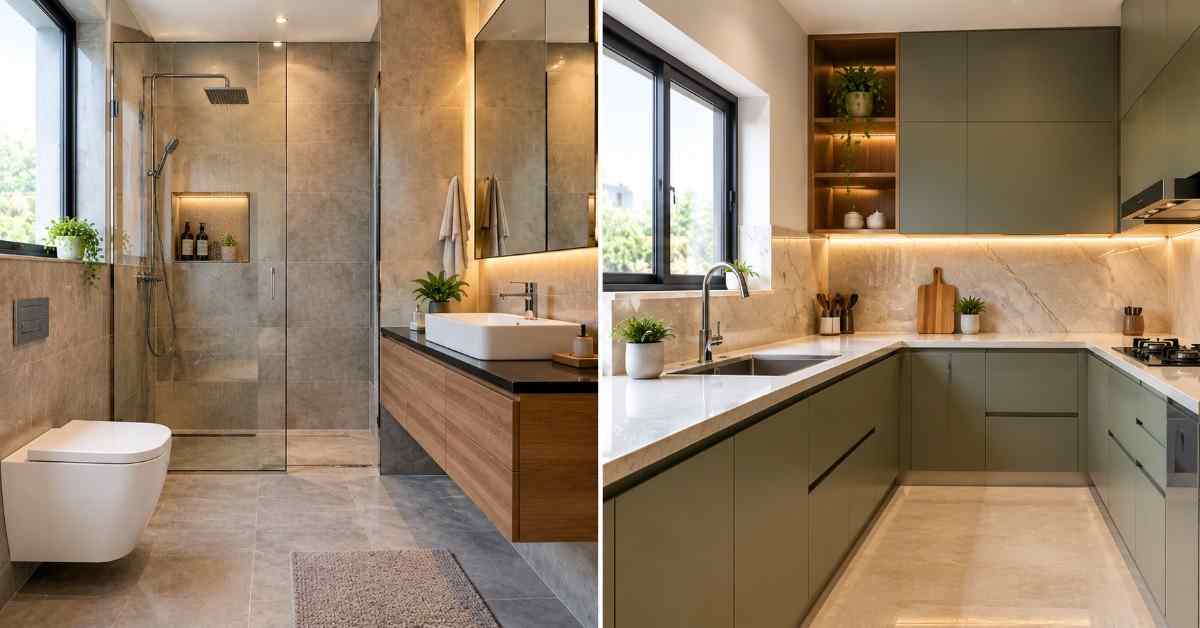
- HDHMR: One of the standout features of HDHMR boards is their high resistance to moisture. This makes them particularly suitable for environments where moisture exposure is a concern, such as kitchens, bathrooms, and laundry rooms.
- Plywood: While standard plywood offers some degree of moisture resistance, it is not as effective as HDHMR. Marine plywood, which is treated to resist water, can be a better option for high-moisture areas but at a higher cost.
Strength and Durability
- HDHMR: The high-density construction of HDHMR boards ensures excellent strength and durability, making them suitable for heavy-duty applications like flooring, cabinetry, and furniture in high-traffic areas.
- Plywood: Plywood is also known for its strength and stability. Its layered construction distributes weight evenly and reduces the risk of warping. It is ideal for structural applications, furniture, and interior panelling.
Workability
- HDHMR: HDHMR boards have a smooth surface that is easy to paint and laminate. However, they can be harder to cut and shape compared to plywood due to their density.
- Plywood: Plywood is easier to work with using standard woodworking tools. It can be cut, drilled, and shaped with relative ease, making it a favourite among DIY enthusiasts and professional woodworkers alike.
Aesthetic Appeal
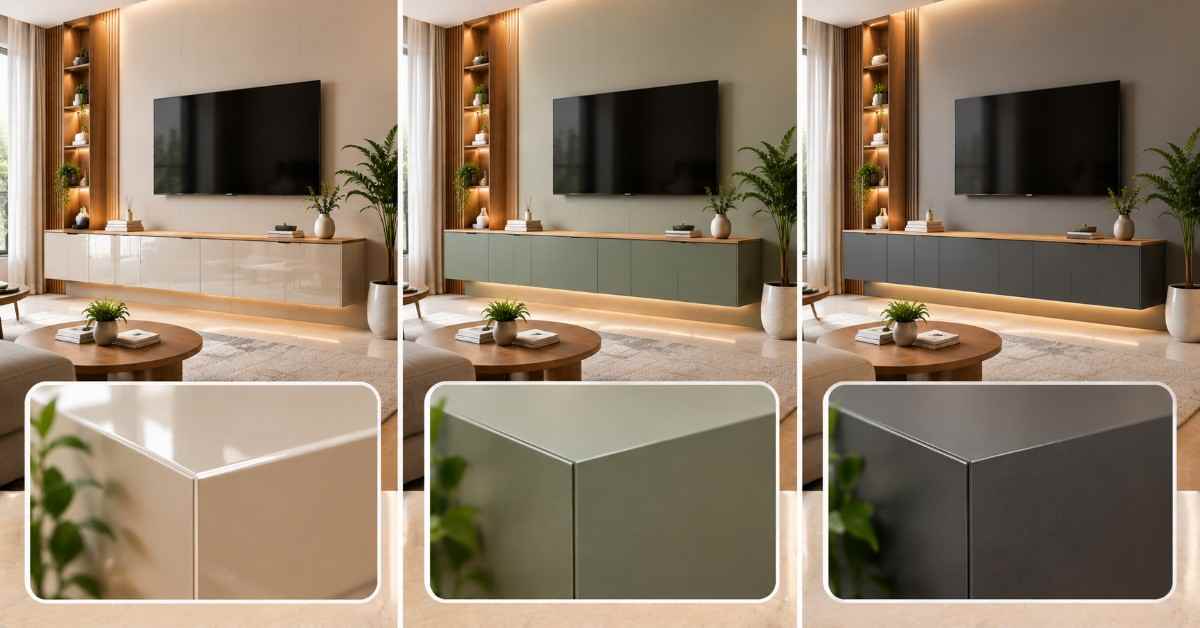
- HDHMR: The smooth surface of HDHMR boards provides a great base for paints and laminates, offering a high-quality finish. However, they do not have the natural wood grain appearance that plywood offers.
- Plywood: Plywood’s natural wood grain provides a warm and authentic look that is highly desirable in interior design. Veneered plywood can mimic the appearance of expensive hardwoods, adding to its aesthetic versatility.
Cost
- HDHMR: Generally, HDHMR boards are more expensive than standard plywood but offer better moisture resistance and durability. They provide good value for money, especially in high-moisture and high-usage applications.
- Plywood: Plywood is typically more cost-effective and comes in a variety of grades to suit different budgets. Marine plywood, which offers enhanced moisture resistance, can be more expensive than standard plywood.
Applications: HDHMR vs. Plywood
Kitchen and Bathroom Cabinets
- HDHMR: Due to its superior moisture resistance and durability, HDHMR is an excellent choice for kitchen and bathroom cabinets. It can withstand the humid environment and heavy usage typical in these areas.
- Plywood: While standard plywood can be used for cabinets, marine plywood is a better choice for moisture-prone areas. Plywood offers a beautiful natural grain that can enhance the aesthetic appeal of cabinets.
Furniture
- HDHMR: The high density and strength of HDHMR make it suitable for heavy-duty furniture, such as wardrobes, bed frames, and office desks. Its smooth surface is ideal for painted or laminated finishes.
- Plywood: Plywood’s versatility makes it a popular choice for a wide range of furniture, from simple shelves to intricate designs. It is particularly valued for its workability and the natural beauty of its grain.
Flooring
- HDHMR: HDHMR’s durability and moisture resistance make it a good option for flooring in areas with high foot traffic or moisture, such as entryways and kitchens.
- Plywood: Plywood is less commonly used for flooring, but can be used as a subflooring material. When properly sealed and finished, it can also serve as a unique and cost-effective flooring option.
Wall Paneling
- HDHMR: For areas requiring high durability and moisture resistance, HDHMR is a reliable choice for wall panelling. Its smooth surface allows for a variety of finishes.
- Plywood: Plywood is an excellent choice for decorative wall panelling due to its natural wood grain and ease of customisation. It can be stained, painted, or veneered to achieve the desired look.
Making the Right Choice
When deciding between HDHMR and plywood for your project, consider the following factors:
- Environment: If the area is prone to moisture or high humidity, HDHMR is the better choice due to its superior moisture resistance.
- Usage: For heavy-duty applications requiring high durability, such as kitchen cabinets and heavy furniture, HDHMR is ideal. For applications requiring intricate cuts and a natural wood appearance, plywood is preferable.
- Aesthetic Requirements: If the natural beauty of wood grain is important for your project, plywood offers more aesthetic options. For a smooth, painted, or laminated finish, HDHMR provides an excellent surface.
- Budget: Consider your budget constraints. While HDHMR offers enhanced performance in certain areas, plywood can be a more cost-effective option with good versatility and aesthetic appeal.
From cabinets to wall panelling, we’ve got the right material for every application. Learn more about plywood and HDHMR boards.
Conclusion
Both HDHMR and plywood have their unique strengths and are suitable for different applications. HDHMR excels in environments with high moisture and heavy usage, providing superior durability and a smooth surface for finishes. Plywood, with its natural wood grain and versatility, is ideal for a wide range of applications, from structural to decorative.
Experience excellent screw-holding capacity and resistance to sagging with WigwamPly premium, termite-proof pine blockboard.
Ultimately, the best choice depends on the specific needs and priorities of your project. By understanding the characteristics and benefits of each material, you can make an informed decision that ensures both functionality and aesthetic appeal in your design.
Bring durability and elegance together. Check out Wigwam Ply’s plywood collection now.
FAQS
HDHMR is generally the better choice for kitchen cabinets because of its excellent moisture resistance and durability. However, if you want the natural wooden grain look, marine plywood is also a reliable option, though at a higher cost.
Yes, HDHMR is highly durable and can easily handle heavy loads, making it suitable for wardrobes, bed frames, and office furniture. Its smooth surface also ensures a premium finish when painted or laminated.
Absolutely. Plywood remains one of the most versatile materials in the market. It is cost-effective, easy to work with, and provides a natural wood look that HDHMR cannot replicate. For design-focused projects, plywood is often preferred.
Standard plywood is generally more budget-friendly than HDHMR. However, in moisture-prone areas like kitchens and bathrooms, investing in HDHMR can save on long-term maintenance and replacement costs.
Yes, many designers and contractors combine both. For example, HDHMR can be used for cabinets and surfaces exposed to moisture, while plywood can be used in living areas or for decorative wall panels where aesthetics are a priority.