Eco-Friendly Solutions: The Advantages of Green Plywood
Facebook
Twitter
Email
Print
Introduction
As environmental awareness grows, more homeowners, builders, and designers are seeking sustainable materials for their projects. Green plywood, an eco-friendly alternative to traditional plywood, is becoming increasingly popular for its minimal environmental impact and excellent performance. In this blog, we will explore the advantages of green plywood, its various types, and how it contributes to a more sustainable future.
Green plywood refers to plywood that is manufactured using sustainable practices and eco-friendly materials. This includes sourcing wood from sustainably managed forests, using low-emission adhesives, and employing energy-efficient manufacturing processes. The goal is to reduce the environmental footprint of plywood production while maintaining high-quality and performance standards.
Advantages of Green Plywood
Sustainable Sourcing Green plywood is often made from wood harvested from forests certified by organisations such as the Forest Stewardship Council (FSC) or the Programme for the Endorsement of Forest Certification (PEFC). These certifications ensure that the wood is sourced in a manner that promotes biodiversity, supports local communities, and prevents deforestation.
Low Emissions Traditional plywood manufacturing can release volatile organic compounds (VOCs) and other harmful emissions due to the adhesives used. Green plywood uses low-VOC or formaldehyde-free adhesives, significantly reducing indoor air pollution and contributing to healthier living environments.
Energy-Efficient Manufacturing The production of green plywood often involves energy-efficient processes and renewable energy sources. This not only reduces the carbon footprint of the manufacturing process but also promotes the use of cleaner energy in industrial practices.
Recyclability and Biodegradability Green plywood is designed to be more easily recyclable and biodegradable compared to conventional plywood. This ensures that, at the end of its lifecycle, green plywood has a lower impact on landfills and the environment.
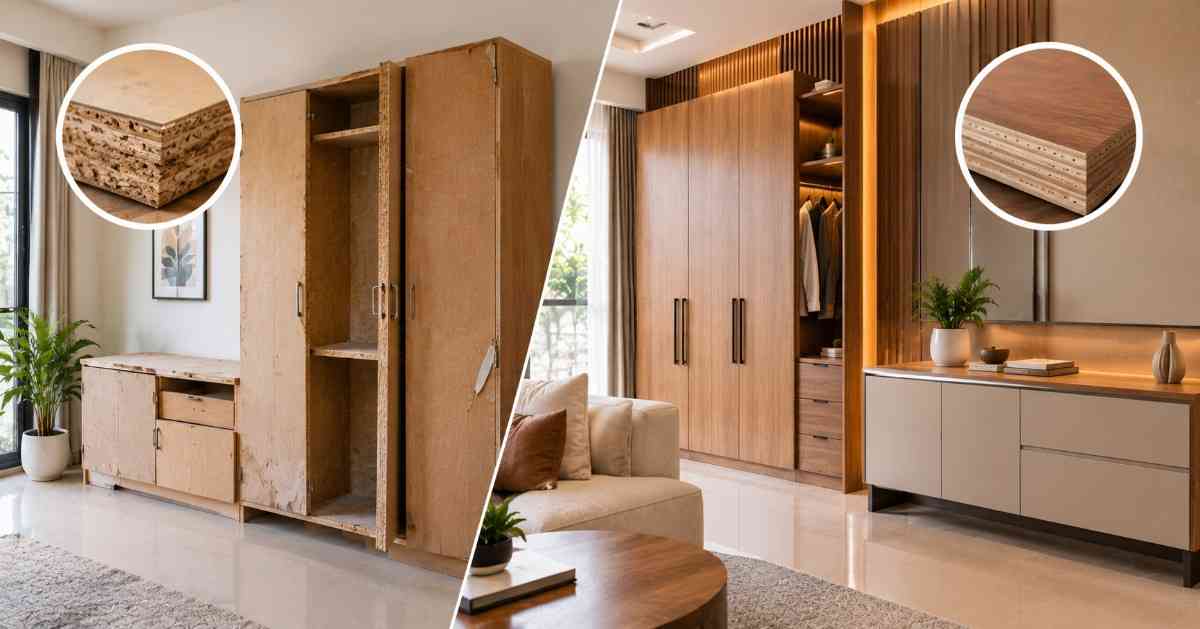
Durability and Performance Despite its eco-friendly credentials, green plywood does not compromise on quality. It offers the same, if not better, durability and performance characteristics as traditional plywood, making it suitable for a wide range of applications.
Health Benefits By using low-emission adhesives and sustainable materials, green plywood reduces exposure to harmful chemicals, promoting better indoor air quality and overall health for occupants of buildings where it is used.
Transform your projects with plywood that’s as kind to the environment as it is to your design — browse our sustainable range today.
Types of Green Plywood
Bamboo Plywood Bamboo is a rapidly renewable resource, making it an excellent choice for green plywood. Bamboo plywood is strong, durable, and has a unique aesthetic, suitable for flooring, cabinetry, and furniture.
Recycled Wood Plywood Made from reclaimed or recycled wood, this type of green plywood reduces the need for new timber and minimises waste. It is ideal for construction and furniture projects that aim to be environmentally responsible.
Formaldehyde-Free Plywood This plywood uses adhesives that do not contain formaldehyde, significantly reducing the release of harmful emissions. It is suitable for interior applications where air quality is a concern, such as in homes, schools, and offices.
Applications of Green Plywood
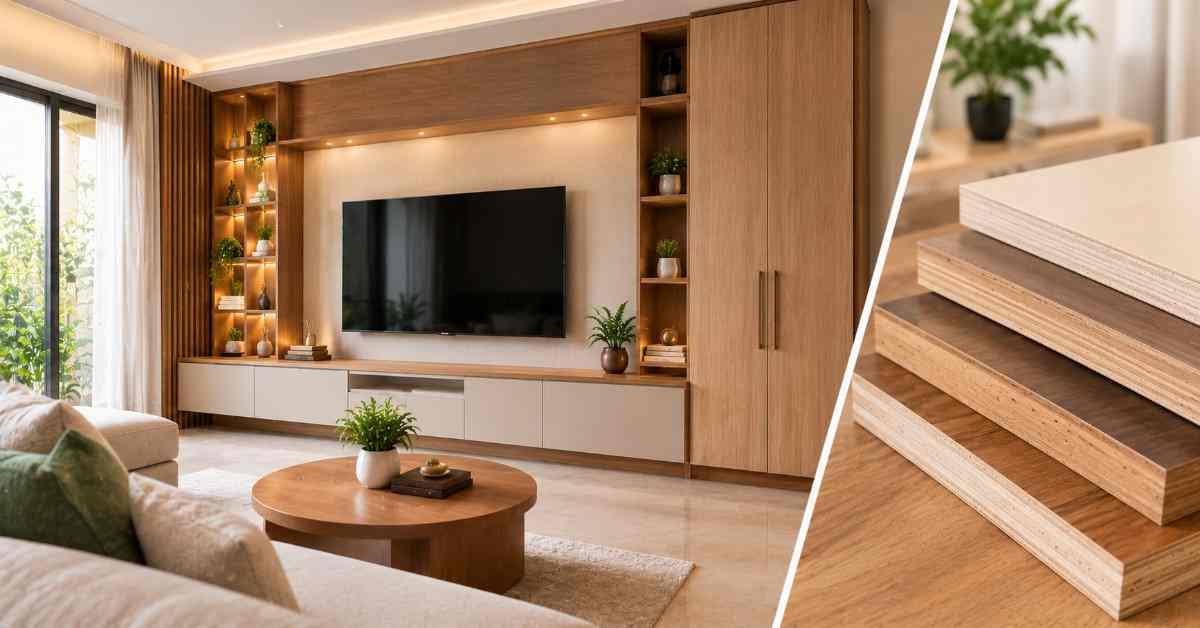
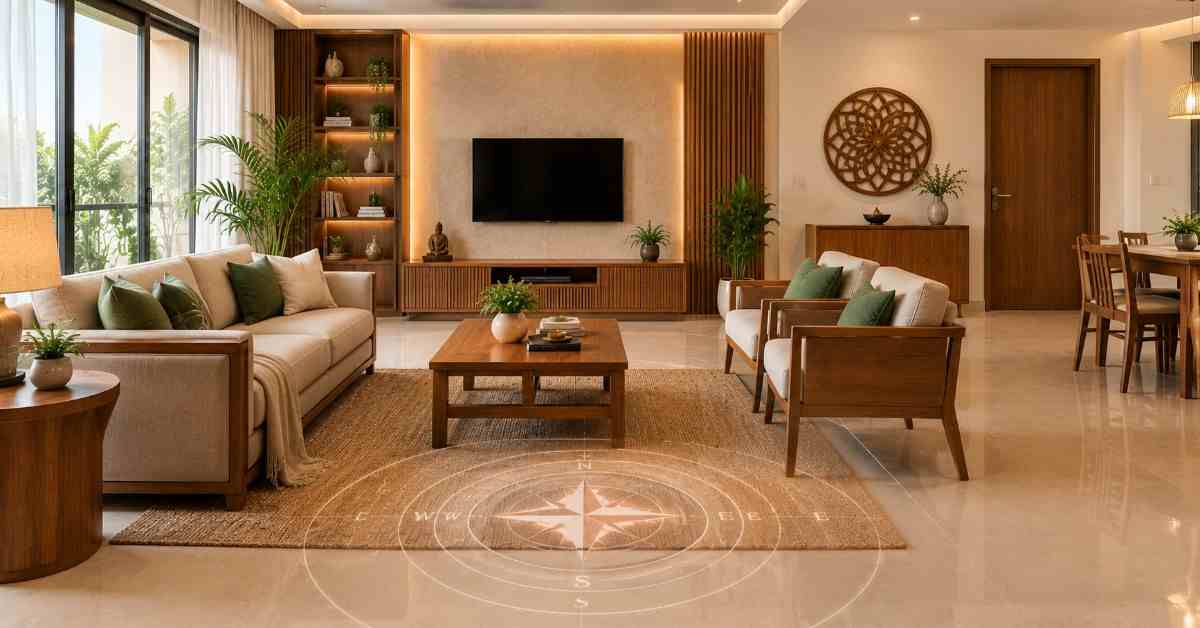
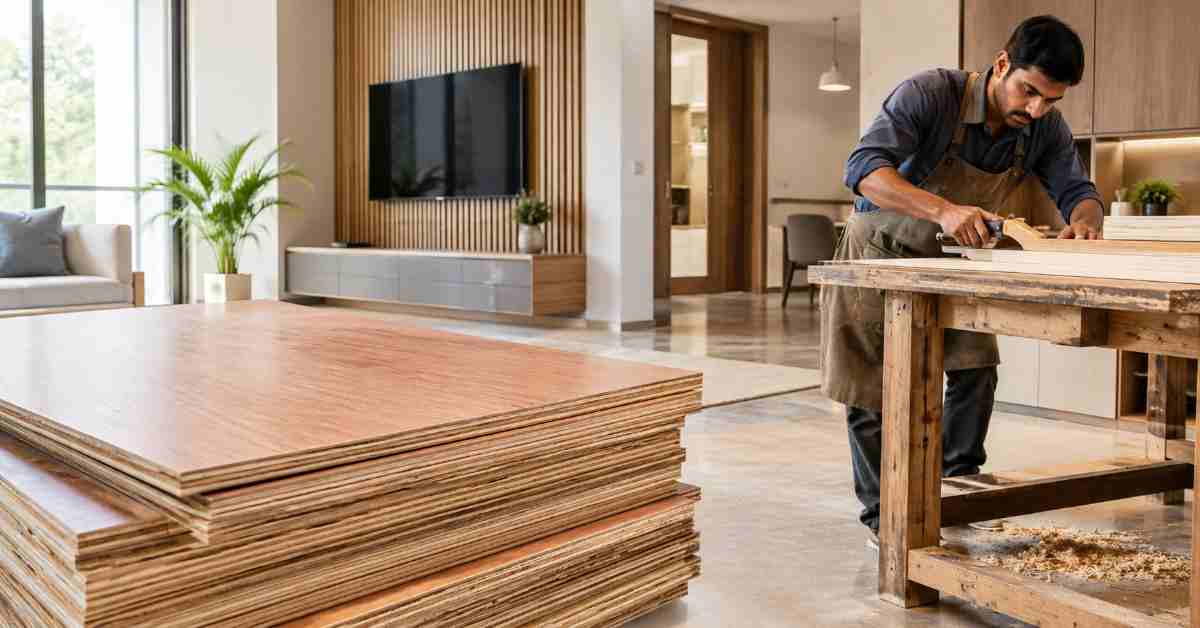
Interior Design and Furniture Green plywood is perfect for interior design projects and furniture making. Its aesthetic appeal and eco-friendly properties make it ideal for creating stylish, sustainable living spaces.
Construction In construction, green plywood can be used for flooring, wall panelling, roofing, and more. Its durability and strength ensure that it can handle the demands of various structural applications.
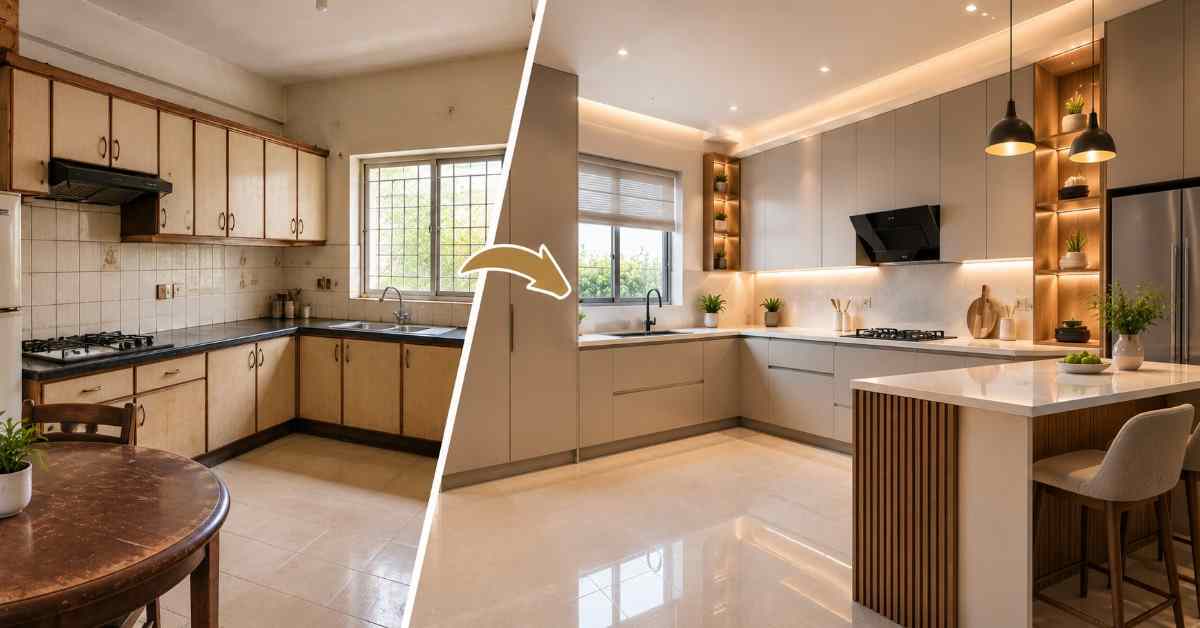
Cabinetry and Millwork For kitchens and bathrooms, green plywood is an excellent choice for cabinetry and millwork. Its moisture resistance and low emissions make it a safe and durable option for these high-use areas.
Packaging Eco-friendly plywood is also used in packaging, especially for crates and boxes. Its strength ensures that it can protect goods during transport while being a more sustainable option compared to traditional materials.
Make the eco-friendly choice without compromising on strength or style. Discover premium Plywood options now.
How to Choose Green Plywood
When selecting green plywood for your project, consider the following factors:
Certification: Look for FSC or PEFC certification to ensure the wood is sustainably sourced.
Adhesives: Choose plywood that uses low-VOC or formaldehyde-free adhesives.
Source and Manufacturer: Research the manufacturer’s sustainability practices to ensure they align with eco-friendly principles.
Application Needs: Ensure the type of green plywood you select meets the specific requirements of your project, whether it’s structural, aesthetic, or moisture-resistant.
Conclusion
Green plywood offers a sustainable, high-performance alternative to traditional plywood, contributing to a healthier environment and better quality of life. By choosing green plywood for your projects, you not only support sustainable forestry and reduce harmful emissions but also ensure that your construction or renovation efforts are aligned with eco-friendly values. Whether you’re building furniture, renovating your home, or embarking on a new construction project, green plywood provides a durable, versatile, and responsible solution for modern needs.
Build a greener tomorrow with Wigwam Ply’s eco-friendly plywood, where sustainability meets unmatched strength.
FAQS
Is green plywood more expensive than regular plywood? While green plywood can sometimes cost slightly more due to sustainable sourcing and eco-friendly manufacturing processes, the long-term benefits, such as better air quality, durability, and reduced environmental impact, often outweigh the initial price difference.
How do I know if the plywood I’m buying is truly eco-friendly? Look for certifications like FSC (Forest Stewardship Council) or PEFC on the product label. Also, check if the manufacturer uses low-VOC or formaldehyde-free adhesives and follows sustainable manufacturing practices.
Can green plywood be used in outdoor applications? Yes, certain types of green plywood, such as moisture-resistant or exterior-grade variants, are suitable for outdoor use. However, ensure you choose a type specifically designed for weather resistance.
Does green plywood compromise on strength or durability? Not at all. Green plywood offers the same or even better strength, durability, and performance compared to conventional plywood, making it ideal for both structural and decorative purposes.
Is bamboo plywood stronger than traditional wood plywood? Bamboo plywood is known for its high strength-to-weight ratio and durability. It’s often stronger than many traditional wood species, making it an excellent choice for flooring, furniture, and cabinetry.