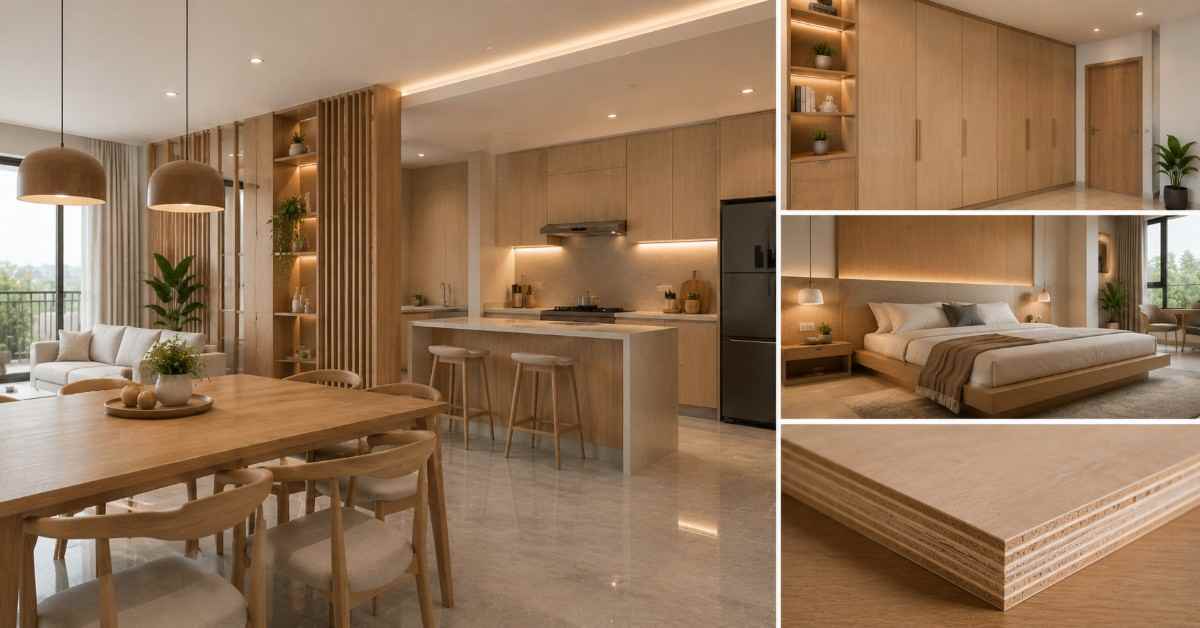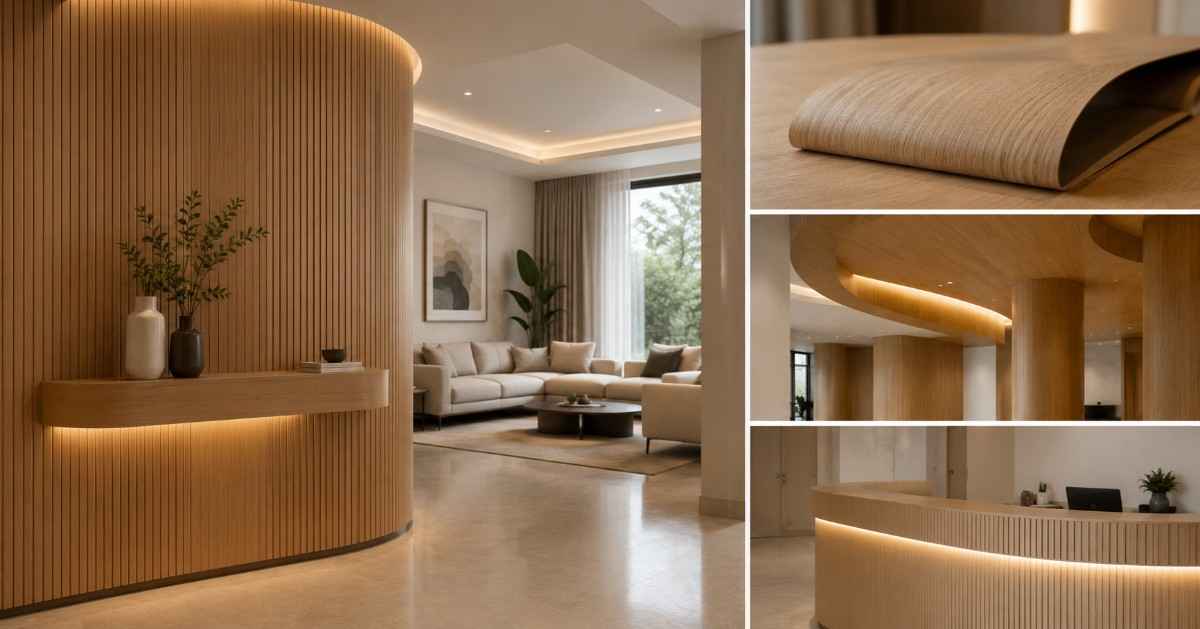
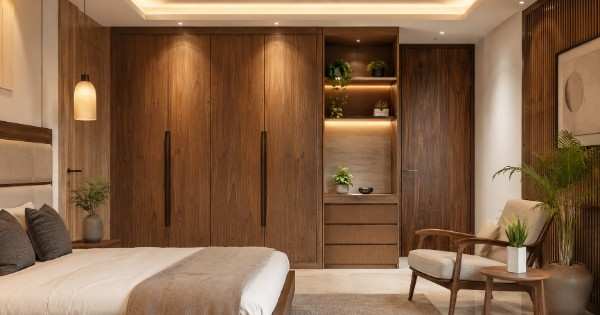
Modern construction increasingly prioritizes durability, aesthetics, and long-term material performance. Among preferred building materials, plywood & veneers continue gaining significant popularity. Architects and designers value their versatility across residential and commercial projects. Their combination delivers structural strength while enhancing visual appeal beautifully.
Today, plywood and veneers are extensively used in furniture and interiors. They offer practical advantages without compromising premium design expectations. From wardrobes to wall panels, these materials support countless applications. This flexibility makes them indispensable within contemporary construction and interior projects.
Premium plywood forms the foundation of durable furniture and architectural elements. Its cross-laminated construction improves stability under varying environmental conditions. Compared to conventional wood, premium plywood offers superior dimensional consistency. It also resists warping, cracking, and shrinkage during long-term usage.
When paired with decorative veneers, plywood achieves exceptional visual sophistication. Veneers provide authentic wood aesthetics without requiring solid timber construction. Modern wood veneer sheets replicate natural grain patterns with remarkable accuracy. This allows designers to create luxurious interiors more sustainably and economically.
Wigwam Ply has become a trusted choice among architects and interior professionals. Products such as Fabricate Birch, Fabricate Gold, and Wigwam Visor combine performance with aesthetics. Their calibrated construction ensures smoother surfaces and superior finish compatibility. This improves outcomes for both veneer plywood and decorative applications.
High-quality plywood for furniture supports stronger joinery and longer service life. It also offers excellent compatibility with laminates, paints, and veneers. Similarly, natural wood veneers introduce warmth, texture, and timeless character. Together, they transform ordinary spaces into refined architectural environments.
Whether designing cabinetry, partitions, wall panels, or wardrobes, interior plywood remains essential. Combined with decorative plywood sheets, it creates durable, elegant, and future-ready spaces. Modern construction increasingly depends on these materials to balance performance, sustainability, and design excellence.
Plywood & Veneers Explained — What Makes Premium Plywood and Natural Wood Veneers Different
Modern construction increasingly relies on plywood & veneers because they combine performance with aesthetics. Together, they help create furniture, cabinetry, wall panels, partitions, and architectural elements that remain durable while maintaining a premium appearance. Understanding how these materials work helps homeowners make better decisions during construction and interior projects.
Understanding Premium Plywood Construction
The strength of premium plywood comes from its unique cross-laminated structure. Multiple wood veneers are bonded together with adjacent grains running perpendicular to each other. This manufacturing process distributes stress evenly throughout the sheet and significantly improves dimensional stability.
Unlike solid timber, which may expand, shrink, or crack over time, plywood remains more stable under changing environmental conditions. The cross-laminated structure also reduces warping and improves load-bearing performance.
Plywood is commonly available in different grades based on moisture resistance and intended applications.
1. MR Grade (Moisture Resistant) Plywood
MR plywood conforms to IS 303 standards and is designed for interior applications. It performs well in relatively dry environments such as bedrooms, living rooms, study areas, and wardrobes.
2. BWR Grade (Boiling Water Resistant) Plywood
BWR plywood provides enhanced resistance against moisture exposure. It is commonly used in kitchens, utility areas, and locations experiencing occasional humidity.
3. BWP Grade (Boiling Water Proof) or Marine Plywood
BWP plywood conforms to IS 710 standards and offers the highest moisture resistance among plywood grades. These sheets are preferred for kitchens, bathrooms, commercial interiors, and demanding applications where durability is critical.
Products such as Wigwam Visor conform to Marine Grade (IS 710), Structural Grade (IS 10701), and Fire Retardant Grade (IS 5509), making them suitable for high-performance construction requirements.
Why Premium Plywood Performs Better
Premium plywood offers several engineering advantages compared to conventional wood-based materials.
Its cross-laminated construction improves dimensional stability under varying humidity levels. High-quality hardwood cores provide better load-bearing performance and superior screw retention. Premium plywood also supports veneers, laminates, PU finishes, and decorative coatings more effectively.
These characteristics make plywood for furniture one of the most reliable materials available for long-term use.
What Are Natural Wood Veneers?
Natural wood veneers are thin slices of real timber applied onto a plywood or MDF substrate. They allow designers to achieve the appearance of solid wood without the associated cost, weight, or instability.
Each veneer retains the authentic grain, texture, and visual characteristics of the original tree species. This creates unique surfaces that cannot be fully replicated using printed laminates.
Modern wood veneer sheets are available in numerous species including teak, oak, walnut, ash, maple, and exotic hardwoods.
Why Veneer Plywood Is Popular in Premium Interiors
Veneer plywood combines the structural benefits of plywood with the visual appeal of natural timber. This combination allows architects and interior designers to achieve luxurious finishes without sacrificing durability.
Because the veneer layer is applied over a stable plywood core, the final product experiences fewer movement-related issues than solid timber. The result is a surface that offers both beauty and long-term reliability.
Veneer plywood is commonly used for:
- Premium wardrobes and cabinets.
- Luxury wall paneling.
- Designer TV units.
- Conference tables and office furniture.
- Hospitality and commercial interiors.
- Architectural feature walls.
Premium Plywood vs MDF vs Particle Board
| Parameter | Premium Plywood | MDF | Particle Board |
| Construction | Cross-laminated hardwood veneers | Wood fibres compressed under pressure | Wood particles bonded with resin |
| Relevant Standards | IS 303, IS 710, IS 10701 | No equivalent structural plywood standards | No equivalent marine-grade standards |
| Density | 700–800 kg/m³ (premium grades) | 650–800 kg/m³ | 500–700 kg/m³ |
| Moisture Resistance | Excellent in BWR and BWP grades | Low to Moderate | Low |
| Screw Holding Strength | Excellent (2000 N+ in premium products) | Moderate | Low |
| Load-Bearing Capacity | Excellent | Moderate | Low |
| Warp Resistance | High | Moderate | Low |
| Surface Finish Compatibility | Veneer, laminate, PU, paint | Paint and laminate | Laminate mainly |
| Edge Strength | Excellent | Moderate | Weak |
| Lifespan | 20–30+ years | 10–15 years | 5–10 years |
| Furniture Suitability | Premium furniture and cabinetry | Decorative furniture | Budget furniture |
| Kitchen Suitability | Excellent (BWR/BWP grades) | Limited | Not recommended |
| Cost Range (June 2026) | ₹90–₹220+ per sq. ft. | ₹35–₹90 per sq. ft. | ₹25–₹70 per sq. ft. |
The growing demand for plywood and veneers reflects a shift towards materials that balance performance and aesthetics. Premium plywood provides structural strength, dimensional stability, and moisture resistance, while veneers introduce authentic wood beauty and architectural sophistication.
Products such as Wigwam Visor, Fabricate Birch, and other premium Wigwam Ply solutions combine advanced engineering with exceptional finish quality. When paired with natural wood veneers, these materials help create furniture and interiors that remain elegant, durable, and functional for decades.
Key Benefits of Decorative Veneers & Interior Plywood in Modern Construction
Modern construction requires materials that combine durability, aesthetics, and long-term value. This is why decorative veneers and interior plywood have become essential components of contemporary homes and commercial spaces. Together, they provide the structural reliability required for furniture and cabinetry while delivering the visual appeal associated with premium interiors.
Unlike solid timber, which can be expensive and prone to movement, plywood and veneers offer a practical balance between performance and design flexibility. Their versatility allows architects and interior designers to create sophisticated interiors without compromising structural integrity.
Structural Strength for Furniture and Fixed Installations
One of the biggest advantages of plywood for furniture is its superior strength. Cross-laminated construction distributes loads evenly throughout the panel, reducing the risk of bending and deformation. This makes plywood suitable for wardrobes, beds, kitchen cabinets, TV units, study tables, and storage systems that experience regular usage.
Premium plywood products such as Wigwam Visor and Fabricate Birch provide excellent dimensional stability and strong hardware retention. High screw-holding strength ensures hinges, handles, drawer channels, and fittings remain secure even after years of daily operation.
For high-load applications such as wardrobes, modular kitchens, and shelving systems, plywood consistently outperforms particle board and many engineered alternatives.
Design Flexibility Through Decorative Veneers
The popularity of decorative veneers comes from their ability to create luxurious interiors while preserving the benefits of engineered construction. Veneers allow designers to introduce authentic wood grains, textures, and colours without relying on solid timber.
Modern natural wood veneers are available in numerous species and finishes. Designers can select contemporary oak patterns, classic teak grains, sophisticated walnut textures, or exotic hardwood appearances depending on the desired aesthetic.
When applied over premium plywood substrates, veneers create elegant furniture and wall treatments that maintain consistency while showcasing natural beauty.
Table: Benefits of Plywood and Veneers in Modern Construction
| Benefit | Premium Plywood | Natural Wood Veneers | Best Application |
| Structural Strength | Excellent load-bearing capacity | Surface finish material | Wardrobes, beds, cabinets |
| Dimensional Stability | Resists warping and twisting | Stable when bonded properly | Modular furniture |
| Moisture Resistance | Available in MR, BWR, and BWP grades | Depends on substrate quality | Kitchens and utility areas |
| Design Flexibility | Accepts laminates, paints, veneers | Wide range of natural grains | Feature walls and furniture |
| Material Efficiency | Maximises timber utilisation | Uses thin slices of real wood | Sustainable interiors |
| Finish Quality | Smooth calibrated surfaces | Authentic wood appearance | Premium residential interiors |
| Hardware Retention | Strong screw-holding performance | Not applicable | Cabinets and storage units |
| Long-Term Durability | 20–30+ years | Long-lasting with proper finishing | High-use furniture |
| Cost Efficiency | Lower than solid hardwood | Premium look at lower timber usage | Luxury interiors |
| Maintenance Requirements | Low | Moderate | Homes and commercial projects |
1. Cost Efficiency Compared to Solid Wood
Solid wood furniture often requires significantly greater material consumption and manufacturing effort. In contrast, decorative plywood sheets and veneers achieve similar visual results while reducing overall project costs.
Because veneers use thin slices of natural timber, a single log can produce substantially more finished surface area. This allows homeowners to enjoy genuine wood aesthetics without paying the premium associated with solid hardwood construction.
The combination of plywood and veneers also reduces material wastage while maintaining excellent structural performance.
2. Sustainability Through Efficient Timber Utilisation
Sustainability has become a major consideration in modern construction. Natural wood veneers contribute positively by maximising the use of available timber resources. Since only thin veneer layers are required, significantly less hardwood is consumed compared to solid wood manufacturing.
Plywood also supports efficient resource utilisation because smaller timber sections can be engineered into high-performance panels. This approach helps reduce pressure on valuable hardwood resources while delivering reliable construction materials.
For environmentally conscious projects, plywood and veneers offer a practical path toward sustainable design.
3. Resistance to Warping, Cracking, and Long-Term Damage
One of the most significant benefits of interior plywood is its resistance to common timber-related issues. Solid wood can expand, shrink, crack, or distort when exposed to changing environmental conditions. Cross-laminated plywood construction greatly reduces these risks.
Premium grades additionally provide protection against moisture-related deformation, making them suitable for demanding environments. Many high-quality plywood products also incorporate termite and microbial resistance, further extending service life.
These characteristics make plywood particularly valuable in regions experiencing seasonal humidity fluctuations.
Best Applications for Plywood and Veneers in Modern Construction
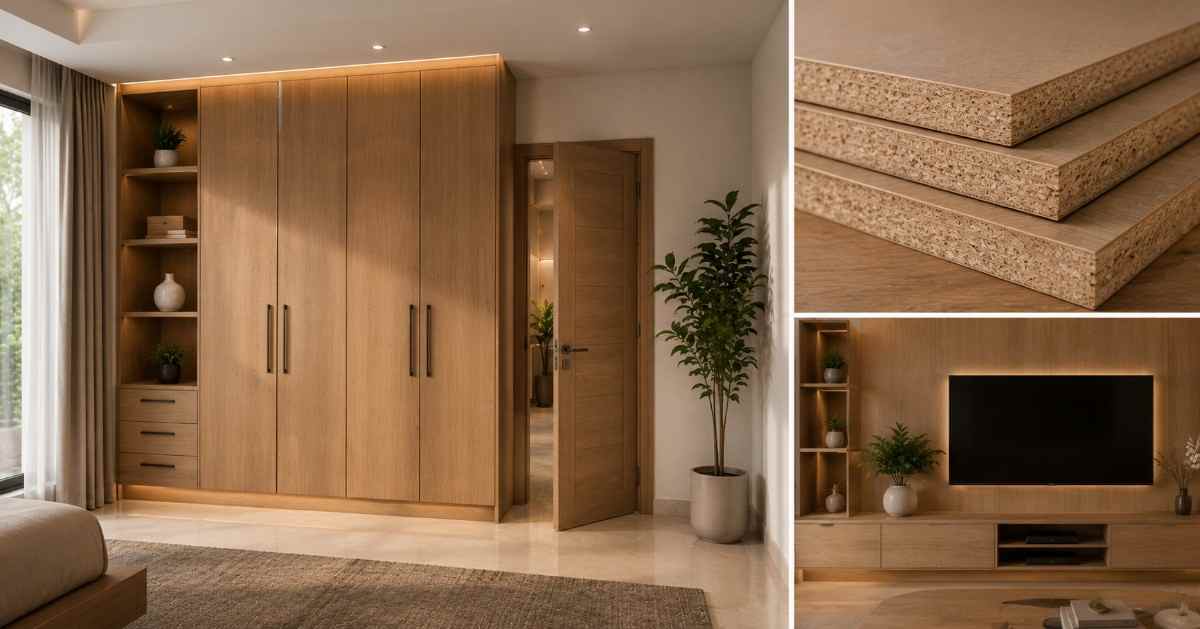
Interior plywood is ideally suited for cabinets, wardrobes, modular kitchens, storage systems, study units, beds, partitions, and shelving. Its strength and stability make it a dependable material for both residential and commercial projects.
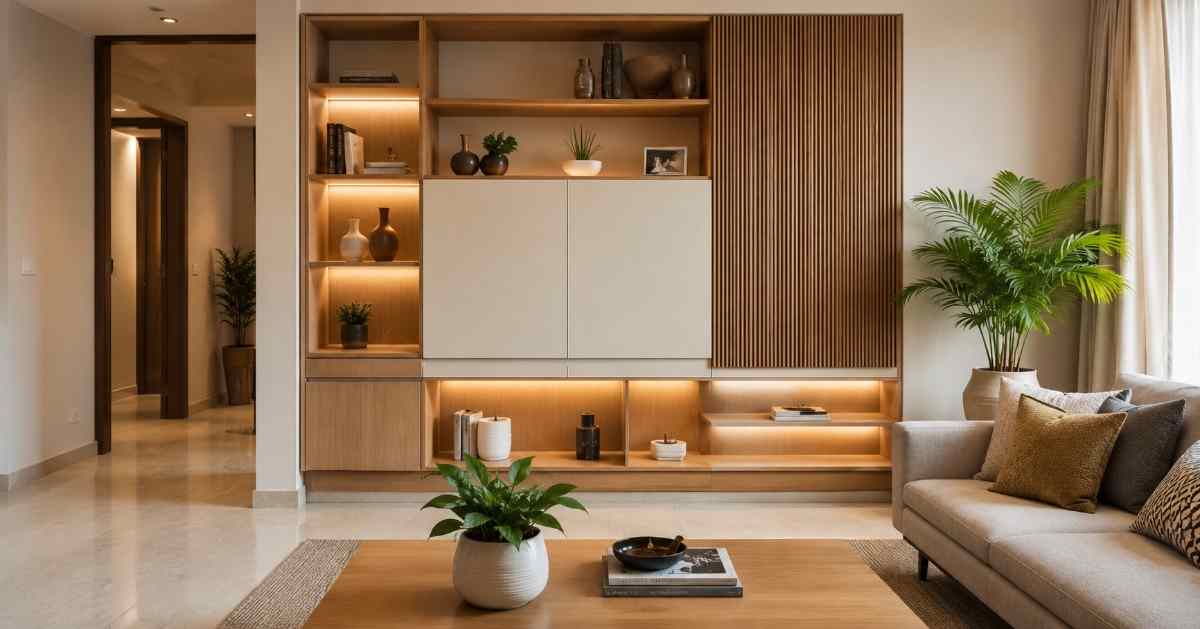
Decorative veneers are best used where visual impact is important. Feature walls, TV backdrops, luxury wardrobes, executive furniture, reception counters, and architectural panels frequently utilise veneer finishes to create a premium appearance.
For high-traffic spaces such as kitchens, living rooms, offices, and hospitality environments, plywood for furniture remains one of the most reliable material choices available. Its ability to withstand daily usage while supporting premium finishes makes it indispensable in modern construction.
The continued popularity of decorative plywood sheets, veneers, and premium plywood reflects their ability to balance aesthetics, durability, and sustainability. Together, these materials offer superior structural performance, remarkable design flexibility, and long-term value.
Whether creating modular kitchens, wardrobes, feature walls, luxury furniture, or commercial interiors, the combination of interior plywood and natural wood veneers provides a practical solution that delivers both engineering reliability and timeless visual appeal. Premium products from Wigwam Ply further enhance these benefits through advanced manufacturing, calibrated precision, and performance-driven construction standards.
Build Stronger, More Beautiful Interiors with Wigwam Ply
Every successful interior project begins with the right foundation. Whether you are designing modular furniture, premium wardrobes, feature walls, luxury cabinetry, or commercial interiors, the quality of the plywood directly influences durability, finish quality, and long-term performance.
Wigwam Ply combines advanced manufacturing technology with premium raw materials to deliver plywood solutions trusted by architects, interior designers, contractors, and homeowners across India. From structural strength to decorative excellence, Wigwam products are engineered to meet the demands of modern construction.
Why Choose Wigwam Ply for Modern Interiors?
- Both-side calibrated surfaces ensure smoother finishes and precise installation.
- Premium hardwood construction improves strength and load-bearing performance.
- Superior screw-holding capacity supports durable furniture and cabinetry.
- Excellent compatibility with veneers, laminates, PU coatings, and decorative finishes.
- Termite and microbe resistance enhance long-term reliability.
- Multiple grades support residential, commercial, and architectural applications.
- Engineered stability reduces risks of warping, cracking, and deformation.
Recommended Wigwam Ply Solutions for Construction & Interiors
| Application | Recommended Product | Key Benefits |
| Luxury Furniture & Cabinetry | Fabricate Birch | Premium hardwood construction, smooth veneer compatibility |
| Modular Kitchens & Wardrobes | Fabricate Gold | Strong core structure and excellent dimensional stability |
| Feature Walls & Decorative Panels | Fabricate Birch | Ideal substrate for decorative veneers and premium finishes |
| High-Moisture Areas | Wigwam Visor | Marine Grade (IS 710) and Structural Grade certified |
| Commercial Interiors | Wigwam Visor | Fire Retardant, Structural Grade, and BWP performance |
| Premium Residential Projects | Fabricate Birch & Fabricate Gold | Superior aesthetics and long-term durability |
Wigwam Visor: Built for Demanding Applications
For projects requiring exceptional performance, Wigwam Visor offers industry-leading specifications:
- Conforms to Marine Grade (IS 710).
- Conforms to Structural Grade (IS 10701).
- Conforms to Fire Retardant Grade (IS 5509).
- High density of 780+ kg/m³.
- Screw-holding strength above 2000 N.
- CARB and EPA Certified E0 emission standards.
- Both-side calibrated construction.
- Lifetime guarantee with 700% cashback.
The Perfect Foundation for Decorative Veneers
Premium natural wood veneers perform best when bonded to stable, high-quality plywood. Wigwam’s calibrated surfaces provide an ideal substrate for decorative veneers, ensuring superior adhesion, smoother finishes, and long-lasting appearance.
This combination allows designers to create elegant furniture, feature walls, partitions, TV units, wardrobes, and cabinetry that showcase authentic wood beauty while maintaining exceptional structural performance.
Create Interiors That Last for Decades
Modern construction demands materials that deliver both visual appeal and engineering reliability. Wigwam Ply products are designed to support these expectations through superior craftsmanship, certified performance, and advanced manufacturing technologies.
Choose Wigwam Ply for stronger furniture, flawless veneers, premium interiors, and construction solutions built to perform beautifully for generations.
Frequently Asked Questions
What are the advantages of plywood over solid wood?
Premium plywood offers several advantages compared to solid wood. Its cross-laminated construction improves dimensional stability and reduces the chances of warping, cracking, and shrinkage. Plywood is also more cost-effective, available in larger sheet sizes, and provides better consistency for furniture and interior applications. Additionally, quality plywood delivers excellent screw-holding strength and moisture resistance when manufactured to BWR or BWP standards.
Is veneer plywood durable?
Yes. Veneer plywood combines the structural strength of plywood with the natural beauty of real wood veneers. The plywood core provides stability and load-bearing performance, while the veneer surface offers authentic wood grain aesthetics. When properly finished and maintained, veneer plywood furniture and wall panels can last 20–30 years or longer.
Which plywood grade is best for furniture?
The ideal plywood grade depends on the application.
| Furniture Application | Recommended Grade |
| Bedroom Furniture | MR Grade (IS 303) |
| Wardrobes | BWR Grade |
| Study Tables & Shelves | BWR Grade |
| Modular Kitchens | BWP Grade (IS 710) |
| Bathroom Vanities | BWP Grade (IS 710) |
| Premium Luxury Furniture | BWP or Structural Grade Plywood |
For long-term durability, many interior designers prefer BWR or BWP grades even in dry areas.
Are wood veneers sustainable?
Yes. Natural wood veneers are considered one of the most sustainable decorative wood products available. Since veneers are sliced into thin sheets, a single log can produce significantly more surface area than solid wood furniture manufacturing. This maximizes timber utilization while preserving the natural beauty of real wood species.
What is the difference between decorative veneers and laminates?
Decorative veneers are made from real wood and retain authentic grain patterns, textures, and natural variations. Laminates are manufactured surfaces created using decorative papers and resins. Veneers provide a premium natural appearance, while laminates generally offer greater scratch resistance and lower maintenance.
Can decorative veneers be used in kitchens?
Yes, provided they are applied over moisture-resistant substrates such as BWR or BWP-grade plywood. Proper edge sealing and protective finishes are essential to prevent moisture penetration. Many premium modular kitchens successfully use veneer finishes for shutters, panels, and decorative elements.
Which plywood is best for modular kitchens?
BWP Grade plywood conforming to IS 710 is generally recommended for modular kitchens. It offers superior moisture resistance, better dimensional stability, and longer service life under exposure to steam, humidity, and occasional water contact. Products such as Wigwam Visor are designed for demanding environments where durability is critical.
How long does plywood furniture typically last?
High-quality plywood for furniture can last between 20 and 30 years or more when properly installed and maintained. Factors influencing lifespan include plywood grade, environmental conditions, hardware quality, and overall workmanship. Premium hardwood plywood generally delivers the longest service life.
Are decorative plywood sheets suitable for wall paneling?
Absolutely. Decorative plywood sheets are widely used for feature walls, TV backdrops, office interiors, hotel lobbies, and luxury residential spaces. They provide structural stability while supporting veneers, laminates, and other decorative finishes that enhance visual appeal.
How can you identify premium plywood?
Look for certifications such as IS 303, IS 710, or IS 10701, depending on the intended application. Premium plywood should also offer uniform thickness, calibrated surfaces, strong screw-holding performance, minimal core gaps, and protection against termites and moisture-related damage. Reputable manufacturers typically provide technical specifications and quality certifications to verify performance.