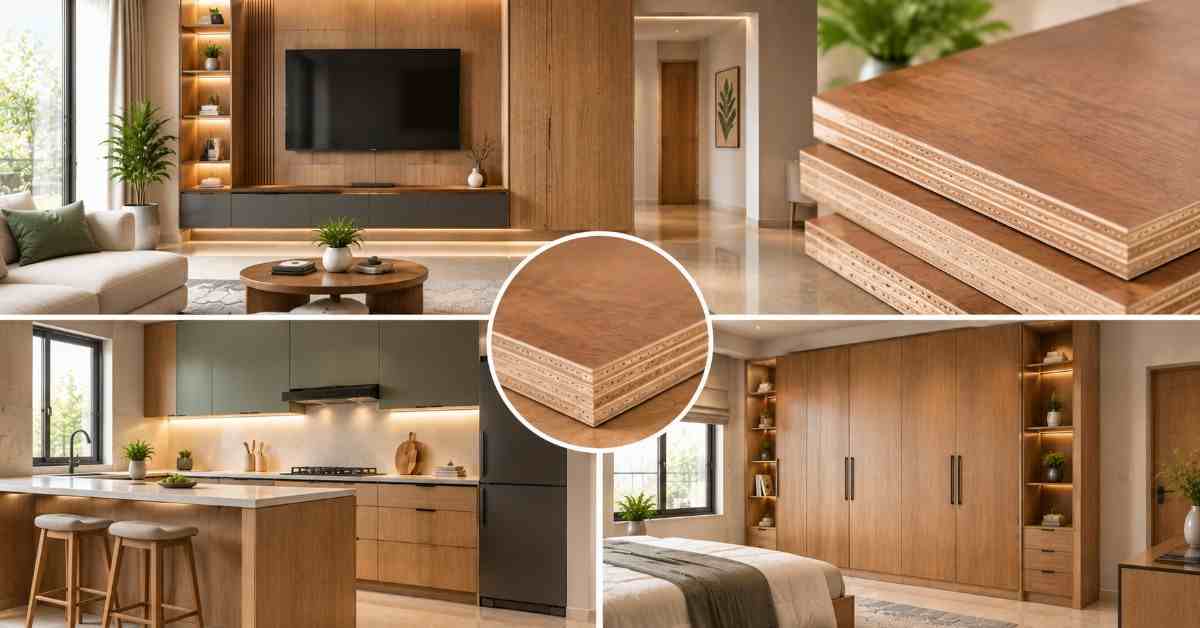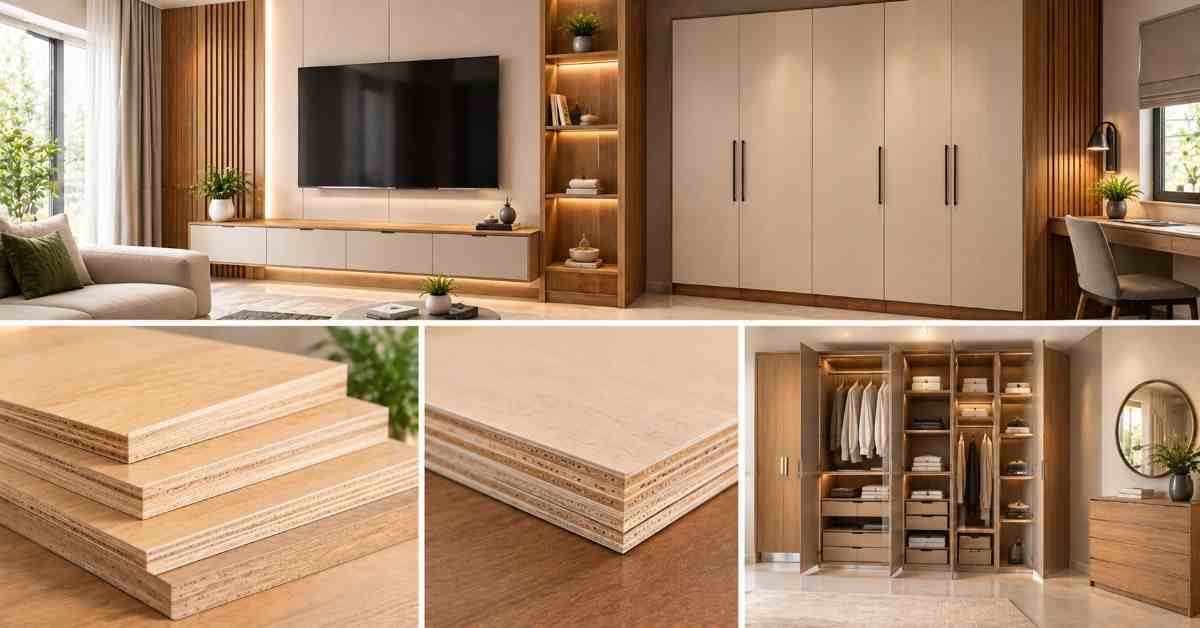
Choosing the right plywood is essential for modern interiors. The discussion around calibrated plywood vs regular plywood is now more relevant than ever. Furniture today demands precision, clean finishes, and faster installation. This is where calibrated plywood makes a clear difference.
Calibrated plywood offers uniform thickness, a smooth surface, and precise dimensions for high-quality furniture and interior applications.
So, what is calibrated plywood? It is plywood that is machine-calibrated on both sides. This process ensures uniform thickness across the sheet. The calibrated plywood thickness tolerance is very low. This improves alignment and reduces on-site errors. In contrast, the regular plywood vs calibrated plywood differences are visible in uneven thickness and finishing challenges.
Understanding the difference between calibrated plywood and regular plywood is important for better results. A calibrated plywood vs normal plywood thickness comparison shows how calibrated sheets deliver consistency. This makes them ideal as precision plywood for modular furniture. They are widely used as calibrated plywood for furniture applications such as cabinets and shutters.
The benefits of calibrated plywood go beyond thickness. It offers a smooth surface plywood for laminates, ensuring better bonding and a refined finish. This is why it is considered the best plywood for wardrobe shutters and kitchen cabinets. It is also the best plywood for modular kitchen and wardrobe setups where accuracy matters.
A key shift in the Indian market has been the move from imports to domestic manufacturing. Earlier, calibrated plywood was largely imported. Today, companies like Wigwam Ply have changed this. Wigwam is among the first in India to offer in-house manufacturing of calibrated plywood. This ensures better quality control, consistency, and availability.
Easily cover large spans for room partitions and extensive cabinetry with WigwamPly dimensionally accurate blockboard sheets.
The advantages of calibrated plywood in interiors include precision, durability, and reduced rework. This blog will also cover how calibrated ply is made, a detailed difference table regular ply vs calibrated ply, and insights on calibrated plywood price in India to guide your choice.
Calibrated Plywood vs Normal Plywood Thickness Comparison
Thickness consistency is one of the biggest differences in calibrated plywood vs normal plywood thickness comparison. Even small variations can affect alignment, lamination, and overall finish. The table below clearly shows the difference between calibrated plywood and regular plywood in terms of thickness and precision.
| Parameter | Calibrated Plywood | Normal / Regular Plywood |
| Nominal Thickness (Example: 18 mm board) | 18 mm (consistent across sheet) | 17 mm to 19 mm variation common |
| Thickness Tolerance | ±0.2 to ±0.3 mm | ±0.8 to ±1.5 mm (can vary more) |
| Uniformity Across Sheet | 17.7 mm – 18.3 mm range | 16.5 mm – 19.5 mm possible range |
| Surface Evenness | Even on both sides due to calibration | Uneven, may have high/low spots |
| Impact on Laminate Thickness | Uniform laminate finish (no dips) | Uneven laminate due to thickness variation |
| Joint Alignment in Furniture | Precise fit in modular units | Gaps and misalignment possible |
| Rework Required | Minimal | Higher due to sanding and adjustments |
This calibrated plywood vs normal plywood thickness comparison clearly highlights why calibrated plywood is preferred. Its low calibrated plywood thickness tolerance ensures better finish, faster installation, and improved durability in modern interiors.
Benefits of Calibrated Plywood
The shift from traditional boards to calibrated plywood vs regular plywood is driven by precision, finish, and efficiency. The benefits of calibrated plywood directly impact furniture quality, especially in modern interiors and modular setups.
Ensure optimal sound insulation and structural rigidity by selecting the perfect flush door thickness from WigwamPly premium collection.
Key Advantages of Calibrated Plywood
- Uniform Thickness & Precision Calibrated plywood offers consistent thickness across the sheet. The calibrated plywood thickness tolerance is very low (around ±0.2–0.3 mm). This ensures accurate cutting and perfect alignment. It is ideal as precision plywood for modular furniture.
- Smooth Surface for Laminates It provides a smooth surface plywood for laminates. This results in better adhesion and a flawless finish. It reduces bubbling and uneven surfaces.
- Better Finish & Aesthetics The even surface improves the final look of furniture. It enhances polish, laminate, and veneer finishes. This makes it suitable for premium interiors.
- Reduced Rework & Faster Installation Less thickness variation means less sanding and correction. This saves labour time and reduces material wastage. It improves on-site efficiency.
- Stronger Joinery & Machining Uniform density improves screw holding strength. It also supports CNC cutting and modular production processes.
- Ideal for Modular Furniture It is widely used as calibrated plywood for furniture applications. It is considered the best plywood for modular kitchen and wardrobe and the best plywood for wardrobe shutters and kitchen cabinets.
- Consistent Quality Output The regular plywood vs calibrated plywood differences become clear in final output. Calibrated plywood ensures repeatable, high-quality results.
Wigwam Ply Edge in Calibrated Plywood
- In-House Calibrated Manufacturing Wigwam Ply is among the first in India to introduce in-house calibrated plywood manufacturing. Earlier, such boards were largely imported. This ensures better quality control and consistency.
- 100% Calibrated Focus Wigwam specializes in calibrated plywood. This focused approach improves precision and reliability across products.
- Advanced Machinery & Process Control Controlled calibration ensures tighter thickness tolerance and smoother surfaces compared to standard plywood.
- Better Suitability for Modern Interiors Wigwam calibrated plywood is designed for modular furniture. It meets the demands of precision-driven interior work.
- Reliable Performance & Durability With strong bonding and minimal core gaps, it delivers long-term durability in interior applications.
Practical Uses of Calibrated Plywood
The real value of calibrated plywood vs regular plywood is seen in its applications. Its precision, smooth finish, and low calibrated plywood thickness tolerance make it ideal for modern interiors. These are not just theoretical benefits. They directly improve execution and final output.
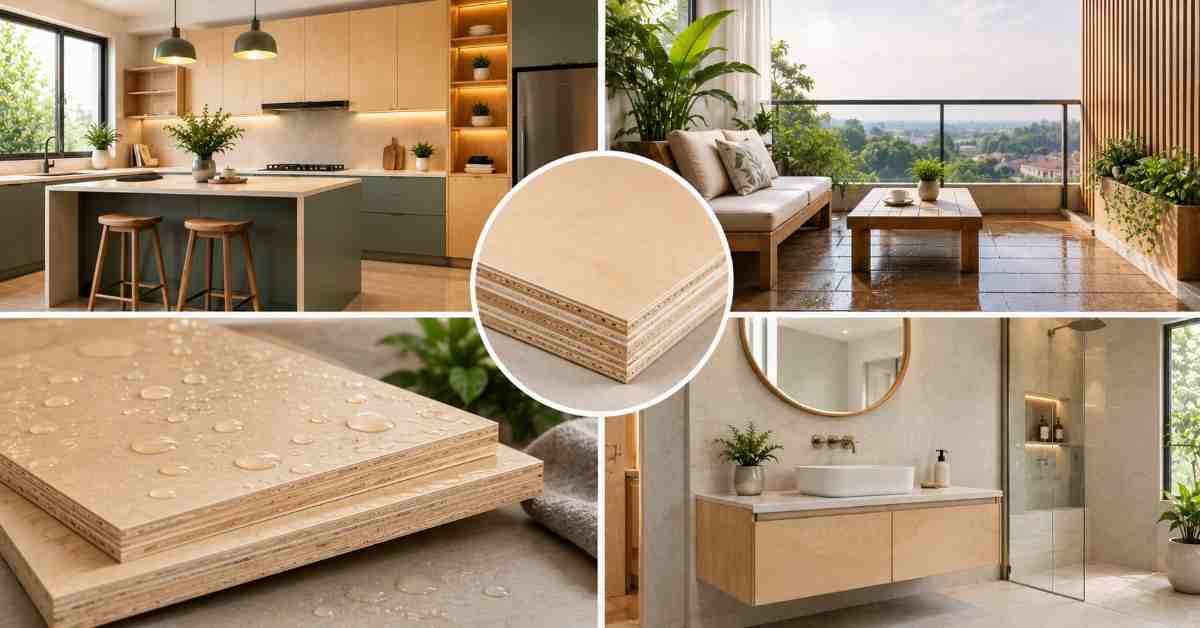
1. Modular Kitchens
Calibrated plywood is the best plywood for modular kitchen and wardrobe setups. Uniform thickness ensures perfect cabinet alignment. Shutters close seamlessly. It also supports a smooth surface plywood for laminates, giving a premium finish.
2. Wardrobe Shutters & Cabinets
It is widely used as the best plywood for wardrobe shutters and kitchen cabinets. The even surface prevents laminate bubbling. It also ensures clean edges and better aesthetics.
3. Modular Furniture Manufacturing
Calibrated boards act as precision plywood for modular furniture. CNC cutting and factory production require accuracy. Uniform thickness ensures repeatable results. This reduces errors during assembly.
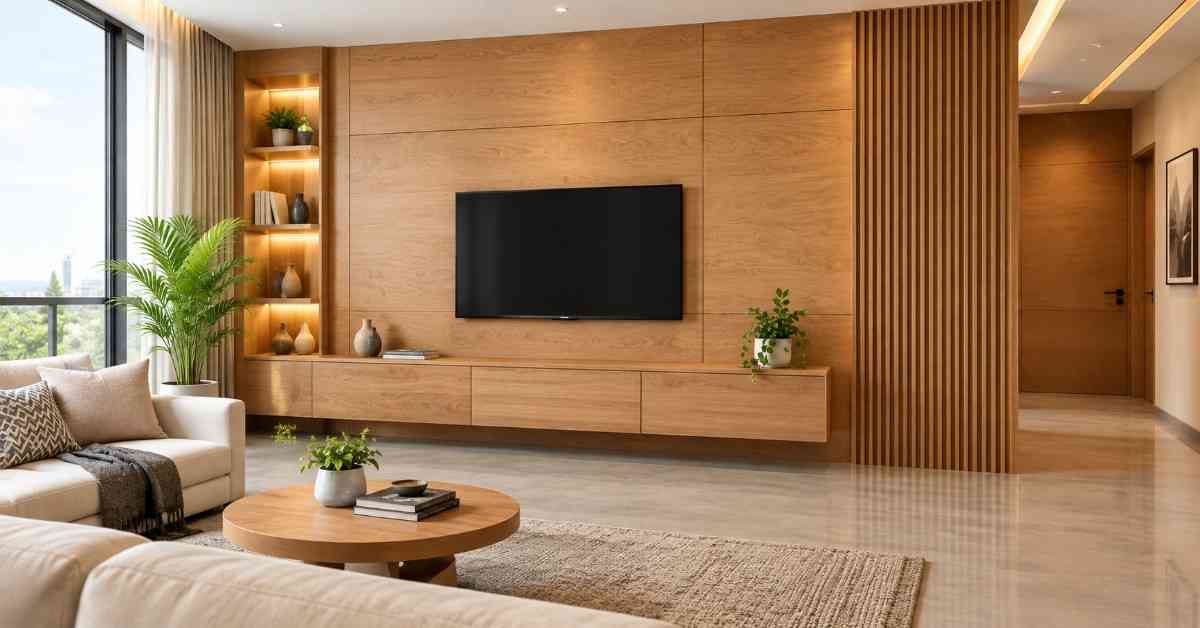
4. Interior Paneling & Wall Units
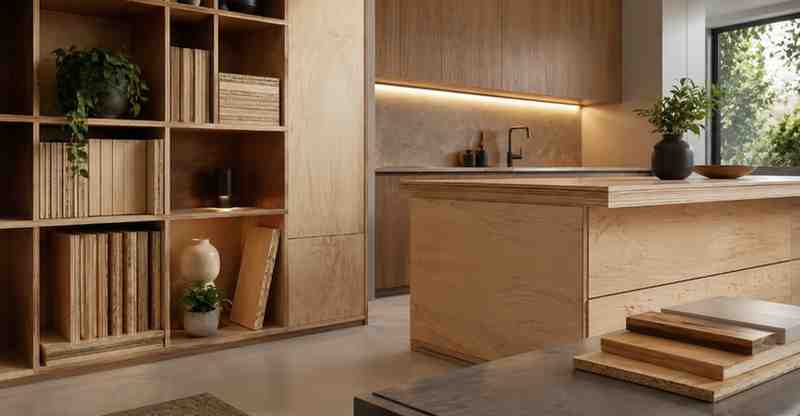
Used in TV units, wall panels, and decorative partitions. The consistent surface improves polish and veneer application. This highlights the advantages of calibrated plywood in interiors.
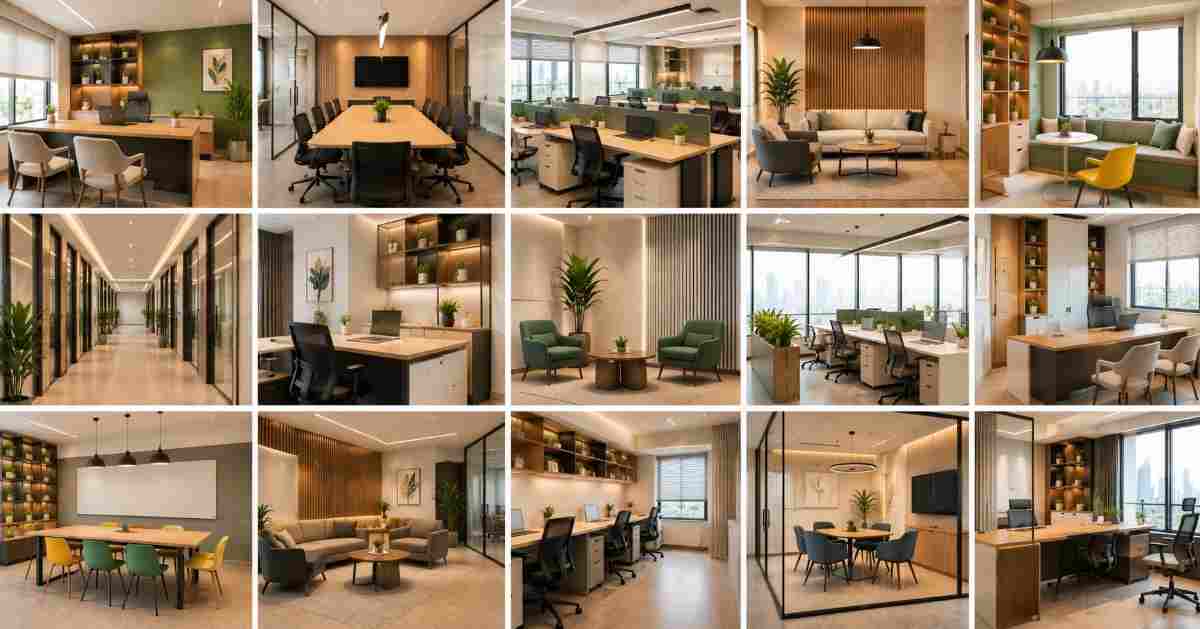
5. Office Furniture & Workstations
Ideal for desks, storage units, and partitions. It ensures better load distribution and structural consistency. This makes it suitable for large-scale furniture production.
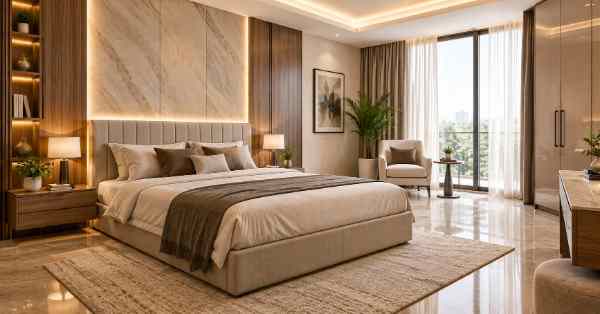
6. High-End Residential Interiors
Preferred for premium projects where finish matters. It reduces rework and improves installation speed. This reflects the key regular plywood vs calibrated plywood differences in real usage.
Wigwam Ply Advantage in Practical Use
WigwamPly enhances these applications with its in-house calibrated manufacturing. Consistent thickness and controlled processes ensure reliable performance across all uses. This makes Wigwam calibrated plywood a strong choice for calibrated plywood for furniture applications.
Ideal for living room cabinets and dry area paneling, WigwamPly mr plywood offers excellent structural integrity and longevity.
Final Insight
The advantages of calibrated plywood in interiors go beyond basic functionality. It improves finish, saves time, and ensures accuracy. With brands like Wigwam Ply leading in domestic calibrated manufacturing, it has become easier to access high-precision plywood in India. From kitchens to wardrobes, the applications are clear. Calibrated plywood delivers precision, better finish, and efficiency. It is the practical choice for modern furniture and interiors.
FAQs: Calibrated Plywood
1. What is the difference between calibrated plywood and regular plywood?
The main difference between calibrated plywood and regular plywood is thickness accuracy and finish. Calibrated plywood is machine-sanded on both sides. It has very low calibrated plywood thickness tolerance. Regular plywood may have uneven thickness. This can affect alignment and lamination. In calibrated plywood vs regular plywood, calibrated boards deliver better precision and consistency.
2. Is calibrated plywood better for modular furniture?
Yes, it is considered precision plywood for modular furniture. Uniform thickness ensures accurate cutting and easy assembly. It reduces gaps and misalignment. This makes it ideal for factory-made furniture and on-site installation. So, when asking is calibrated plywood better for modular furniture, the answer is clearly yes.
3. What is the best plywood for wardrobe shutters and kitchen cabinets?
Calibrated plywood is often the best plywood for wardrobe shutters and kitchen cabinets. It offers a smooth surface plywood for laminates, ensuring better finish. For moisture-prone areas like kitchens, BWP grade calibrated plywood is recommended.
4. What are the advantages of calibrated plywood in interiors?
The key advantages of calibrated plywood in interiors include uniform thickness, better finish, and reduced rework. It improves laminate bonding and overall aesthetics. It also saves time during installation. These benefits highlight the regular plywood vs calibrated plywood differences in practical use.
5. How is calibrated plywood made?
How calibrated ply is made involves an additional precision process. After standard plywood manufacturing, the board is passed through calibration machines. Both sides are sanded evenly. This ensures uniform thickness and a smooth surface. Advanced in-house processes, like those used by Wigwam Ply, improve accuracy and consistency further.
6. What is calibrated plywood used for?
Calibrated plywood is ideal for modular furniture, cabinets, wardrobes, and interior applications where precise thickness and a smooth finish are important.