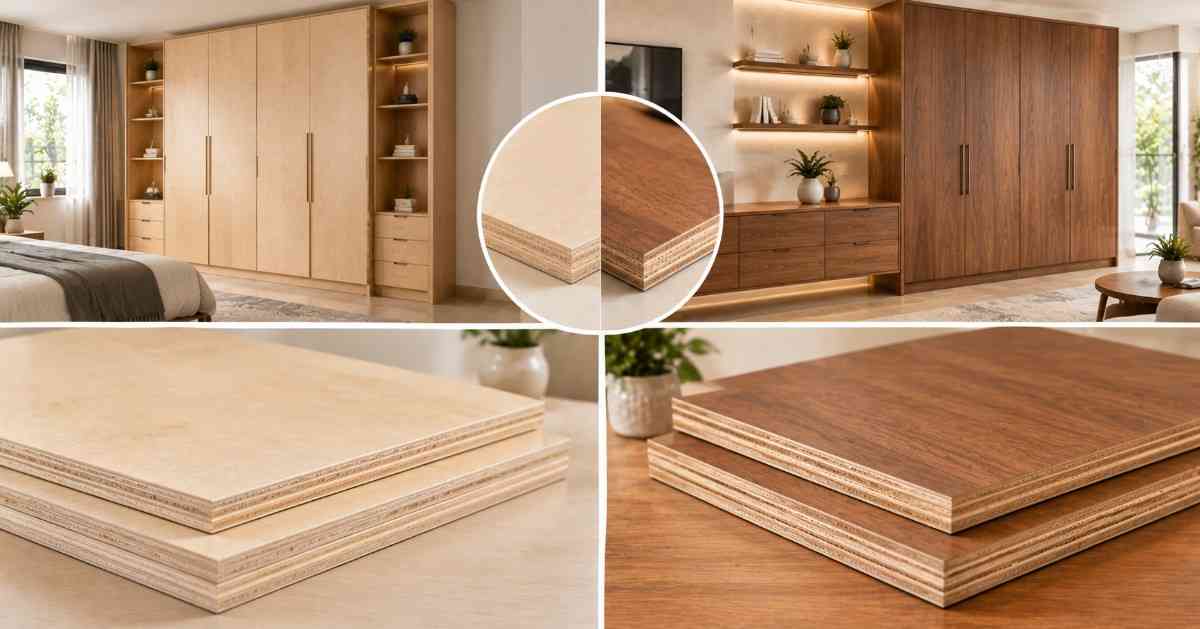

If you’re planning furniture or interior work, MDF is something you’ll almost certainly come across. It’s widely used, easy to work with, and often suggested as a cost-effective option. But before choosing it, most people ask the same question: Is medium-density fiberboard strong enough to handle daily use?
Is medium density fiberboard strong? Yes, it offers good strength and stability for indoor furniture, cabinets, shelving, and decorative interior applications.
The answer isn’t a clear yes or no. MDF performs well in certain situations and struggles in others. It can work perfectly for some types of furniture, but could be a poor choice for others.
This article explains MDF strength and durability in simple terms. It also covers points to keep in mind before using it for furniture or interiors.
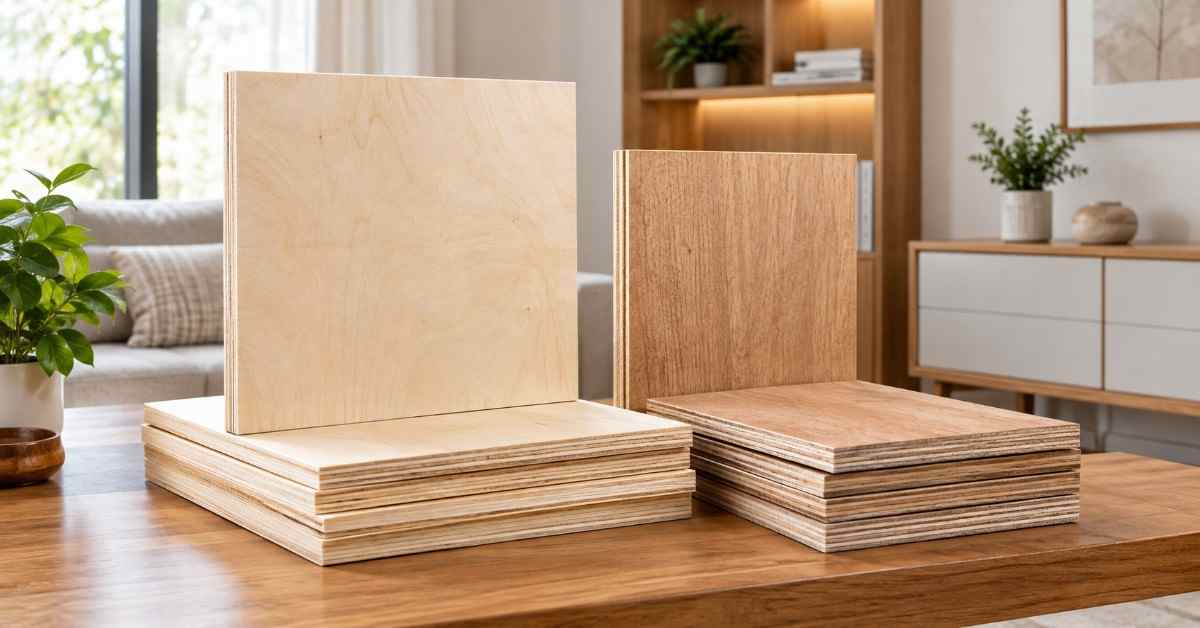
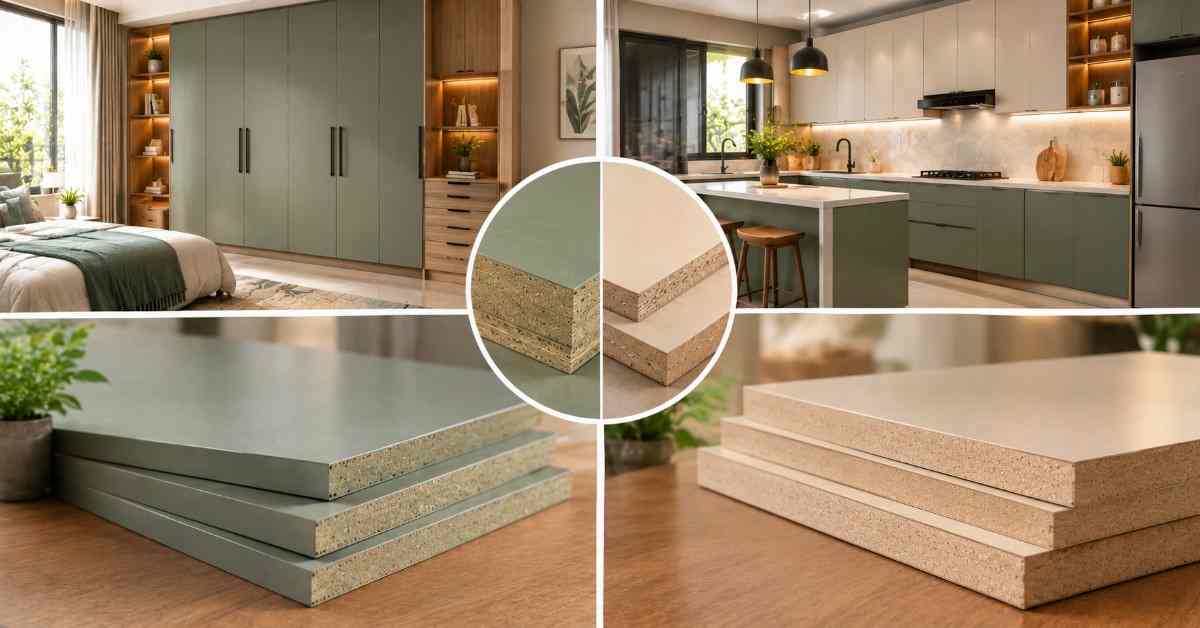
Medium density fibre board is an engineered wood panel made from compressed wood fibres and resin, offering a smooth and uniform surface for interior applications.
Table of Contents
ToggleIs Medium-Density Fiberboard Strong?
Medium-density fiberboard is made by compressing fine wood fibres with resin under high pressure. This gives MDF a smooth, uniform structure, but unlike plywood or solid wood, it has no natural grain.
So, is MDF strong? Yes, MDF is strong enough for many interior applications, but it is not designed to carry heavy loads. Its performance depends on how and where it is used.
MDF works well when:
- Weight is evenly distributed across the surface
- It is used indoors
- It is protected from moisture
It can struggle in load-bearing situations. Long shelves without support may bend over time, screws can loosen with repeated fixing, and exposure to water can quickly reduce strength.
In simple terms, MDF isn’t weak — it just needs to be used in the right places.
MDF Board Strength
When someone discusses MDF board strength, they usually mean how well it can resist weight, pressure, and repeated use over time.
MDF offers good surface strength due to its homogeneous and thick structure. It remains flat, does not distort readily indoors, and resists pressure well when the load is distributed uniformly.
However, MDF has certain drawbacks:
- It resists weight bearing down on it since it is robust in compression.
- It is weak around the edges, particularly if it is overworked or lacking support.
Because MDF has no natural grain, it does not break or split on the surface, as real wood does. This makes it ideal for smooth finishes and painted furniture. Screws, however, rely on the board density for grip. Screws that are removed and reinstalled in the same location may loosen with time.
In simple terms, it provides steady surface strength, but it requires sufficient support and careful installation to perform well in furniture and interior design applications.
How Strong Is MDF Wood?
If you’re wondering how robust MDF wood is, consider it a stable but delicate material. When used properly, it works well, although it has some limitations.
When the load is distributed uniformly and the board is well supported, MDF can support a reasonable amount of weight. This is why it is often used in cabinets, wardrobes, and furniture panels.
After a while, MDF may begin to bend under heavy or inconsistent loads. MDF often has trouble due to its long shelves without support.
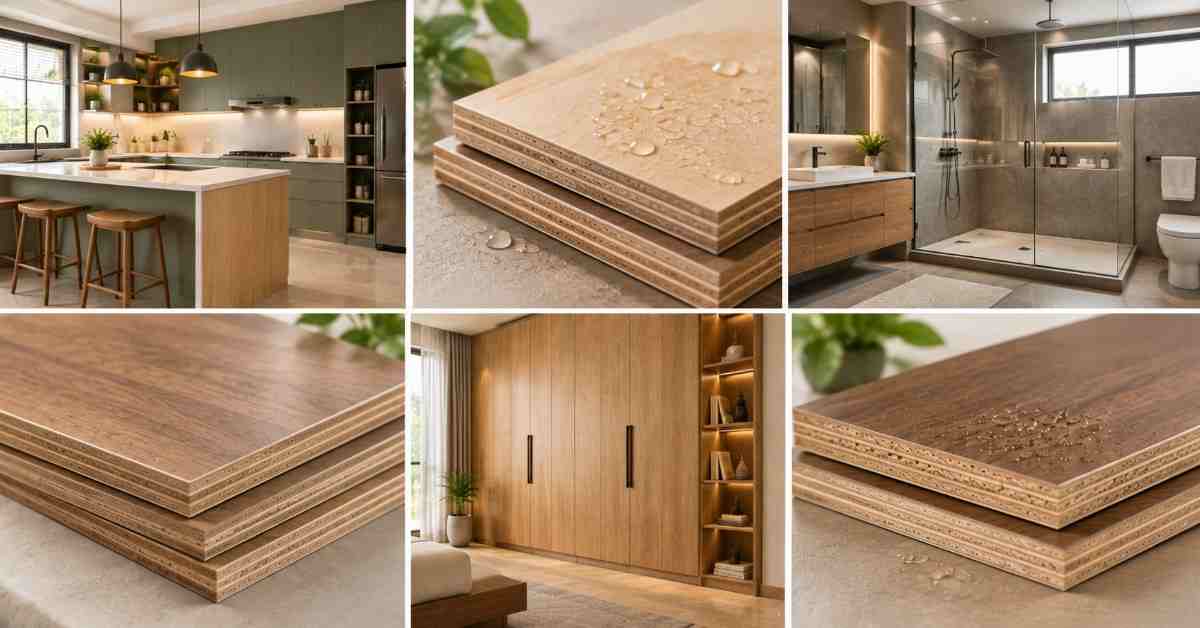
Another vulnerability is moisture. MDF does not tolerate moisture well, and even minor exposure might impair its strength if the surface is not sealed. In terms of overall strength, MDF ranks equally with other standard materials. It is stronger than particle board but weaker than high-quality plywood, particularly in load-bearing and moisture resistance.
Check out this guide on plywood and MDF to compare their prices and usage.
Can MDF Hold Weight?
MDF can support weight, but only to a limited extent. Support and design have a greater influence on its performance than the material alone.
Flat MDF panels can bear weight when:
- The thickness is adequate for the intended use.
- There is support beneath or behind.
- Instead of being concentrated in one place, the load is distributed equally.
When MDF is used for long shelves without support, issues typically arise. The board may sink over time due to its own weight, especially if heavier items are stored in the center.
This is why the strength of MDF boards varies with shelf length, thickness, and backing support. MDF shelves function nicely when designed properly. Without it, they eventually lose their shape.
Don’t forget to check out the pros and cons of using MDF and plywood in detail.
MDF Strength for Furniture
MDF is often used in furniture due to its smooth texture and ease of handling. Strong MDF furniture is ideal for wardrobes, cabinets, TVs, and decorative panels. The frames hold these parts, so the load is distributed evenly.
Beds, couches, and other furniture that support human weight should not be made of MDF. Is medium-density fiberboard robust enough for furniture, then? For storage furniture, the answer is yes, but not for structural furniture.
Is MDF Strong for Cabinets and Wardrobes?
This is one of the most asked questions when picking materials.
Is MDF durable for closets and cabinets? Yes, MDF is suitable for cabinet shutters and closet panels. It is often used in bedrooms and kitchens, where frames support the primary construction.
MDF should be avoided, though, for:
- Moisture-exposed cabinet bottoms
- Places next to sinks that are not adequately protected
- MDF works wonderfully when used appropriately. When used in unstable or wet environments, it can eventually lead to issues.
Is MDF Good for Kitchen Cabinets?
Is MDF suitable for kitchen cabinets, then?
It depends on where and how it is utilized.
MDF is effective for:
- Shutters for kitchen cabinets
- Painted surfaces
- Decorative fronts
These sections usually get backed by frames and have minimal exposure to water.
MDF isn’t suitable for:
- Regions that are exposed to water
- Base units that aren’t weatherproof
The biggest threat to MDF is moisture. The board may bulge and weaken if water gets in. MDF should therefore be used with caution in kitchens and should never be placed near damp areas.
MDF Wood Durability and Long-Term Use
The durability of MDF wood is severely affected by indoor circumstances. MDF can last for years if used and maintained correctly.
MDF works effectively when:
- It remains dry.
- It is well laminated or painted.
- It is not overburdened.
Is MDF suitable for long-term use? Yes, if it is used indoors and handled carefully; no, if it is exposed to moisture, hard treatment, or frequent use. MDF can last a long time if it’s used correctly– Issues come up when it isn’t.
MDF vs Plywood Strength
One of the most common comparisons is MDF vs plywood strength. Despite their wide use, these materials perform quite differently.
What is the strength of MDF in comparison to plywood?
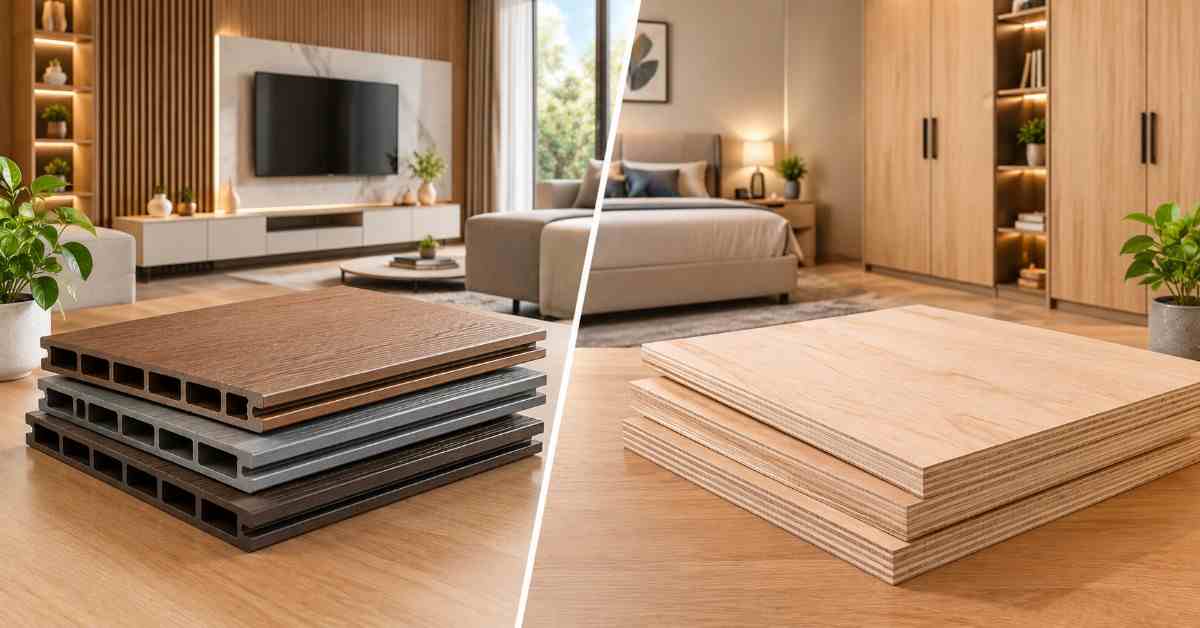
Overall, plywood is more durable. It handles loads effectively, secures screws, and functions well over time. Additionally, plywood handles moisture way better than MDF, making it suitable for humid environments like kitchens and baths.
Although MDF provides a more consistent, even surface and always remains a popular choice for painted surfaces and artistic furniture despite its lower strength. If the question is MDF vs plywood, which is stronger? Clearly, plywood takes over. MDF is usually selected for its cost-effectiveness, ease of finishing, and aesthetic appeal rather than its strength.
MDF Wood Pros and Cons
Like any material, MDF has benefits and drawbacks. You can decide where it is best to use it by knowing both.
Benefits of MDF:
- Uniformly smooth surface
- Easy to paint and laminate.
- Cheaper than plywood
- High quality with no knots or roughness.
Drawbacks of MDF
- Vulnerable to moisture
- Lower load-bearing strength.
- If not handled carefully, edges may chip.
- Not ideal for heavy or solid furniture.
These MDF wood advantages and disadvantages explain why it is popular in interior design but not suitable for every purpose.
The Bottom Line:
So, is medium-density fiberboard strong? Yes—as long as it’s applied properly.
MDF is ideal for:
- Cabinets and wardrobes
- Shelves with adequate support
- Decorative furniture
It shouldn’t be used for:
- Furniture that can handle weight
- Moist or damp places
- Extended stretches without assistance
MDF can be a reliable and cost-effective solution for interior furniture and fittings if its limitations are known and applied appropriately.
To choose the right plywood for your furniture, check out Wigwam Ply.
FAQs
1. Is medium-density fiberboard strong?
It is strong, but only to a certain level. It’s fine for indoor furniture and panels. It’s not something you’d rely on for heavy or rough use.
2. Is MDF strong enough for furniture?
Yes, for furniture that stores things like wardrobes, cabinets, TV units — no problem.
But for beds or seating, no, that’s where MDF usually fails.
3. Can MDF hold heavyweight?
Not really, it can hold some weight if there’s support underneath. But heavy loads or long shelves will start to bend over time.
4. Which is stronger, MDF or plywood?
Plywood is stronger, no debate there. It handles weight better and doesn’t get damaged as easily. MDF is chosen more for finish and cost.
5. Is MDF waterproof or moisture-resistant?
No, MDF and water can not stay together. If moisture gets in, it swells and weakens. Sealing helps, but it’s still a risk.
6. Is MDF good for kitchen cabinets?
For shutters and painted fronts, yes. For areas near the sink or base units, it’s risky unless there’s proper protection.
7. Is medium density fiberboard strong enough for furniture?
Yes, medium density fiberboard is strong and stable for many indoor furniture and interior applications, although plywood is generally stronger and more moisture-resistant.
8. What is medium density fibre board used for?
Medium density fibre board is commonly used for furniture, cabinets, wardrobes, wall panels, doors, and other interior applications.
9. What are the disadvantages of MDF?
Here are some disadvantages of using MDF:
- It doesn’t like moisture.
- It doesn’t handle heavyweight well.
- Screws can loosen over time.
- And once it’s damaged, fixing it isn’t easy.