Modern living rooms do much more than just entertain guests. They can be used as family rooms, workspaces, and even dining areas. This is why many homes want a way to divide space without renovations or the wall construction.
Wall partition in living room can create a stylish separation between spaces while enhancing privacy, functionality, and the overall interior design.
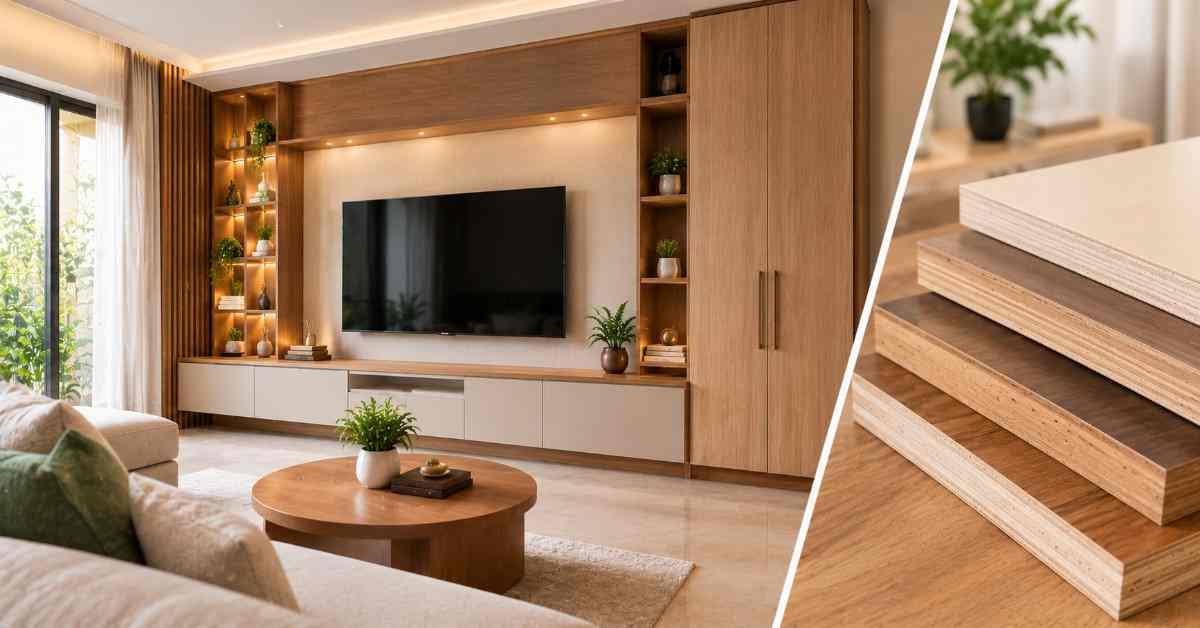
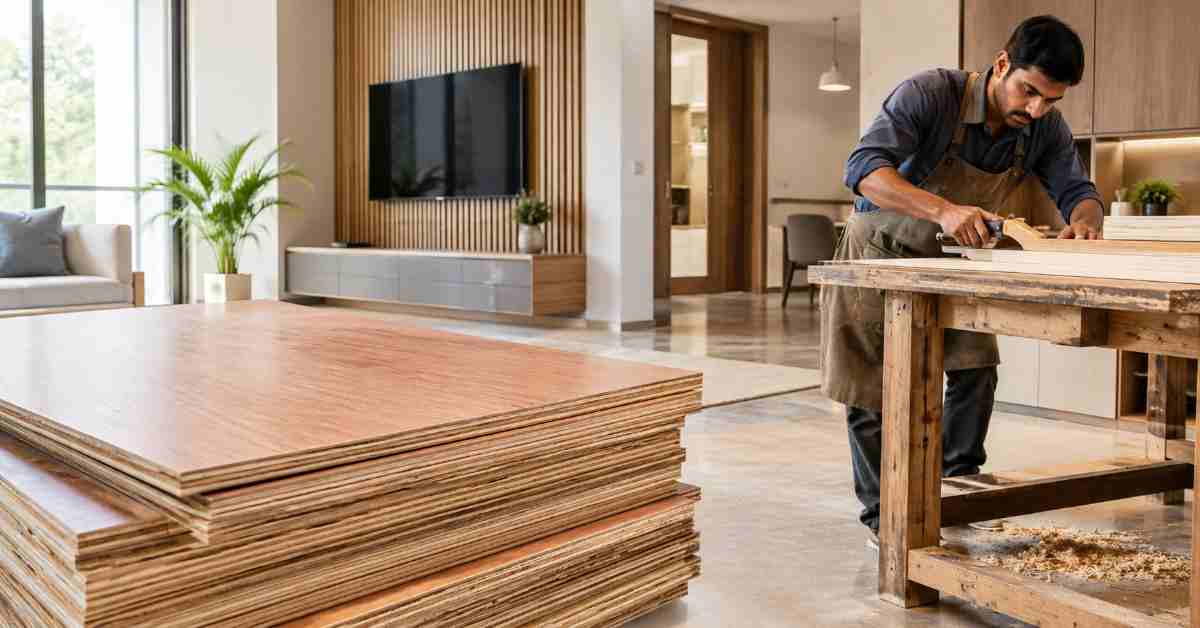
For superior load-bearing applications in custom furniture, WigwamPly highly durable blockboard plywood offers the perfect balance of strength and lightness.
This is where partition walls come in. They contribute structure, privacy, and zone separation without enclosing the space or making it appear smaller. Brickwork or major alterations are not required to improve the functionality of a living room.
The article focuses on useful, India-specific wall divider concepts that are simple to design, manage, and avoid becoming remodeling jobs.
As a national leader in sustainable and technologically advanced wood manufacturing, WigwamPly consistently features among the top 10 plywood companies in India.
Why Use a Wall Partition in the Living Room?
In the living room, a wall barrier helps define different areas without completely blocking them. This is particularly helpful in open-plan houses where the dining, living, and entry spaces all merge.
Living room wall dividers provide both versatility and balance in Indian houses, since space is often shared and multifunctional. They help in layout organization while maintaining the space’s openness, airiness, and comfort.
From laminated to veneered finishes, explore a versatile selection of flush door types at WigwamPly to perfectly match your interior design needs.
Best Wall Partition Design Ideas for Living Rooms
There isn’t a single best living room partition design. Space, light, and room usage all play a role in making the right decision.
Partitions for Wooden Walls
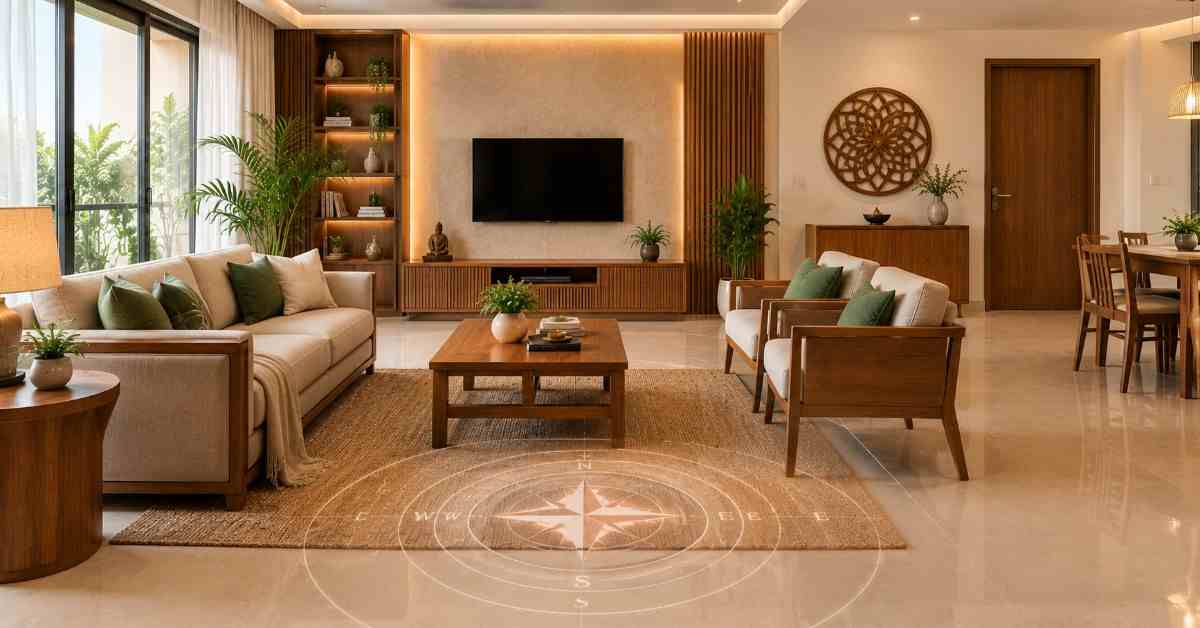
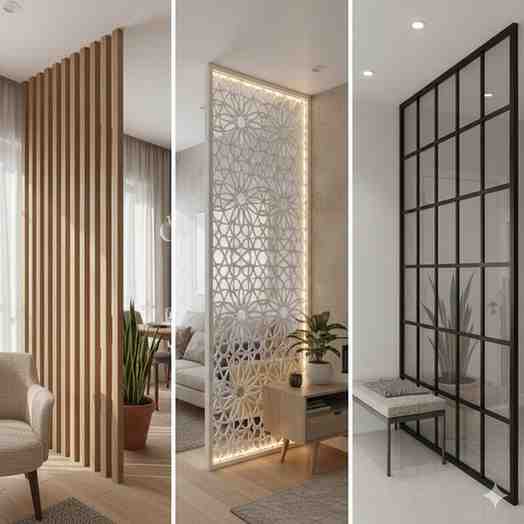
Wooden wall barriers complement most Indian house designs and add coziness. They’re very popular in compact living rooms, whether covered or open. These allow light to travel through while maintaining separation.
Wall Partitions with Decoration
Beyond just dividing space, a beautiful wall partition serves other purposes. Laser-cut panels, patterned screens, or panel-style designs are both aesthetic and useful. Between seating sections and entrances, they are widely used.
Glass and Light-Filter Divisions
If you want to keep the room bright, glass or light-filter dividers are ideal. When comparing wooden and glass wall partitions for living rooms, glass is better suited to compact flats where restricting light is not an option.
Partition Panels for Contemporary Homes
Modern homes choose partition panels made of MDF, fiberboard, or PVC. These wall divider panels are lighter, simpler to install, and adaptable if the arrangement changes in the future.
Check out the blockboard plywood for a modern home if you want to explore options.
Partition Between Living and Dining Room in Small Homes: What Works Best
Living and dining rooms are often in the same open area of Indian homes. Here, the purpose of a wall divider is to create a unique sense of separation without making the space feel smaller, rather than blocking the view.
These layouts are ideally suited for partial-height designs, slatted panels, and open partitions. They help zone separation while permitting free flow of air and light. This method works well in little living rooms and apartments where it’s crucial to keep things open.
It’s better to avoid heavy or completely closed walls in small Indian apartments. Lightweight partitions, foldable screens, or movable designs perform well as wall partitions in living rooms. They divide space only where necessary and do not add visual mass or block.
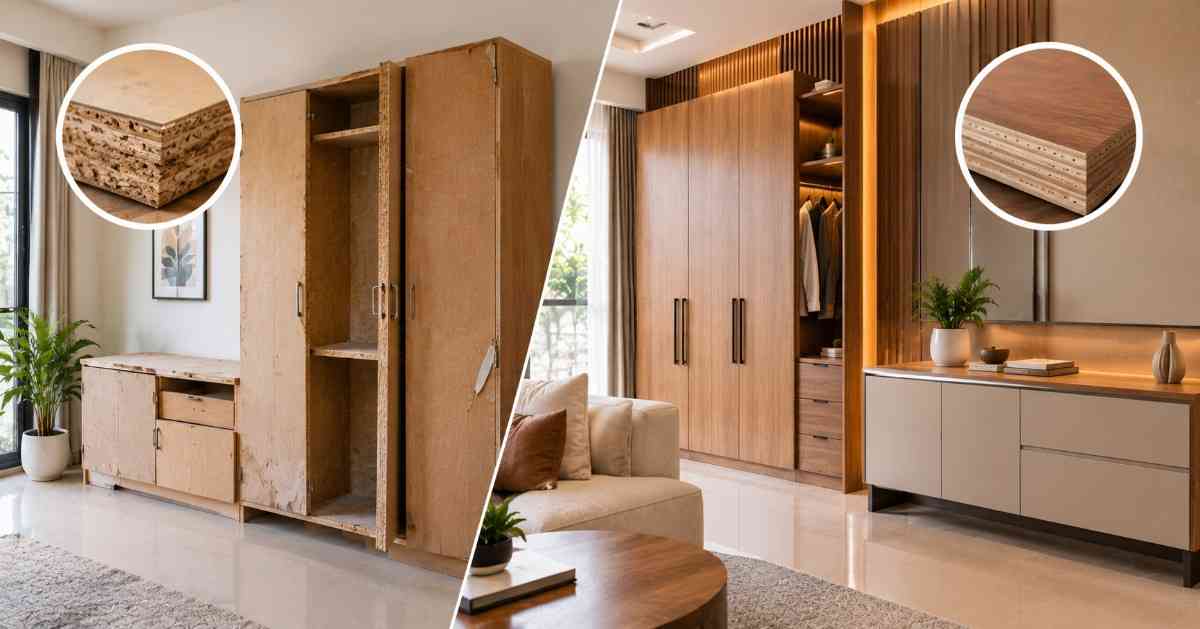
Prevent swelling and warping in your everyday home furnishings by building with WigwamPly premium moisture resistant plywood.
When designed carefully, a simple wall may organise the entire room while maintaining openness and comfort.
Things to Keep in Mind Before Choosing a Living Room Partition
Before completing a partition, consider the following points:
- Available area and layout
- How people move through the room regularly.
- Light, ventilation, and ease of maintenance
These elements are more important than the design itself.
Conclusion
Dividing the living area in half is not the goal of a decent partition. The goal is to give each space a clear purpose while still keeping the home open, comfortable, and easy to use. Particularly in Indian households where light and movement are important, small partitions are usually more effective than thick walls.
When designing a divider for everyday use, it helps to start with those that are reliable and easy to handle. Wigwam Ply provides a variety of plywood and panel options for living room partitions, making it easy to explore designs that balance strength, finish, and long-term durability. Before deciding on a design, you can visit the Wigwam Ply website to see what suits your space.
FAQs
A wall partition in living room can use plywood, wooden slats, glass, TV units, or decorative panels to create a stylish and functional separation between spaces.
The best option depends on space and use. Open wooden, MDF, or panel-based partitions work well for most homes.
Wood, MDF, and fiberboard are commonly used. The right choice depends on budget, design, and maintenance needs.
Yes. Many panel and screen partitions can be installed without breaking walls.
Costs vary by material and design, starting from budget panel options to higher-end wooden or glass partitions.
Yes, when made and installed properly, they last well and age gracefully.
Yes, especially when toughened or frosted glass is used.
Slatted, open, or lightweight panel designs work best in small spaces.
Partial-height or open partitions help define spaces without blocking flow.
Closed partitions can, but open or glass designs allow light to pass through.
Simple designs, neutral finishes, and multifunctional partitions are preferred.
Yes, CNC partitions add detail while keeping the layout light.
Many panel-based partitions can be removed or modified easily.
MDF and PVC panels generally need less upkeep than natural wood.
Yes, MDF works well indoors when used in dry areas with proper finishing.