Introduction
When embarking on a woodworking project, understanding the cost of materials is crucial. Plywood, a versatile and widely used material, comes in various types, grades, and sizes, each affecting its price. Calculating plywood sheet prices involves considering several factors such as the type of plywood, its grade, thickness, and the retailer. In this blog, we will delve into the intricacies of plywood sheet pricing and provide a comprehensive guide to help you budget your next project effectively.
Understanding Plywood Types
1. Softwood Plywood: Softwood plywood is typically made from coniferous trees like pine, fir, or spruce. It is commonly used in construction for subflooring, roof sheathing, and wall sheathing. The price of softwood plywood can vary depending on the type of wood and its intended use.
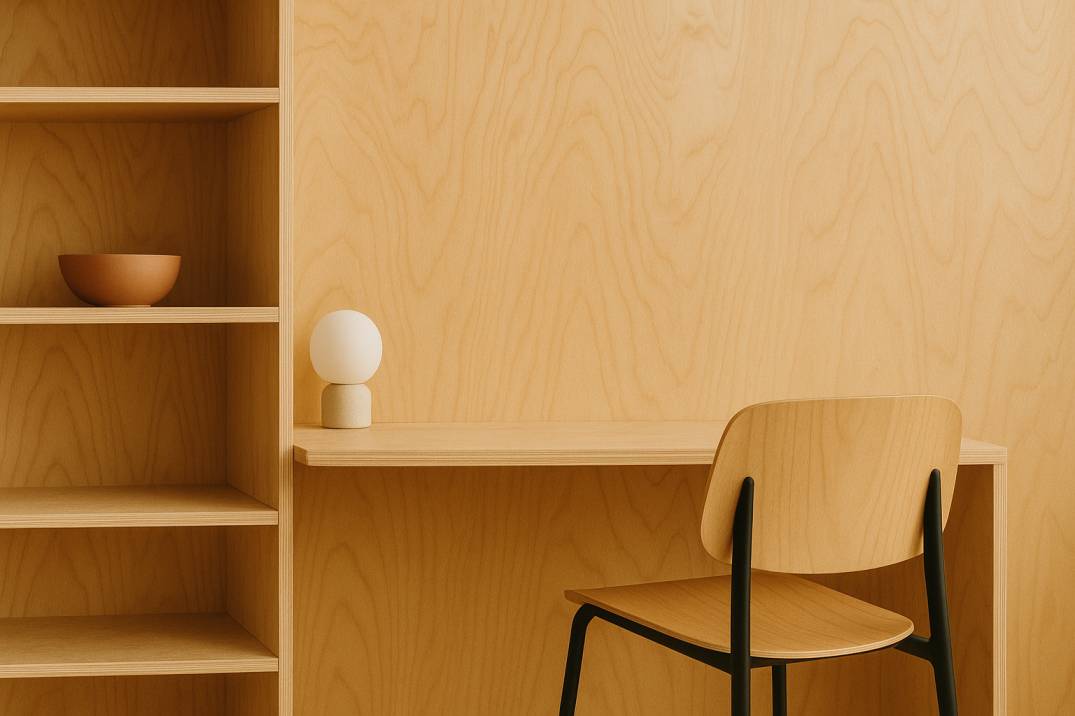
2. Hardwood Plywood: Hardwood plywood is made from deciduous trees such as oak, maple, or birch. It is often used in furniture making, cabinetry, and interior finishes. Hardwood plywood is generally more expensive than softwood plywood due to the quality and aesthetic appeal of the wood.
3. Marine Plywood: Marine plywood is designed for use in wet or humid environments. It is made with waterproof adhesive and higher-quality veneers to withstand moisture. As a speciality product, marine plywood tends to be more expensive than standard plywood.
4. Structural Plywood: Structural plywood is engineered to provide high strength and stability. It is used in applications where structural integrity is critical, such as in beams, columns, and load-bearing walls. The cost of structural plywood reflects its enhanced performance characteristics.
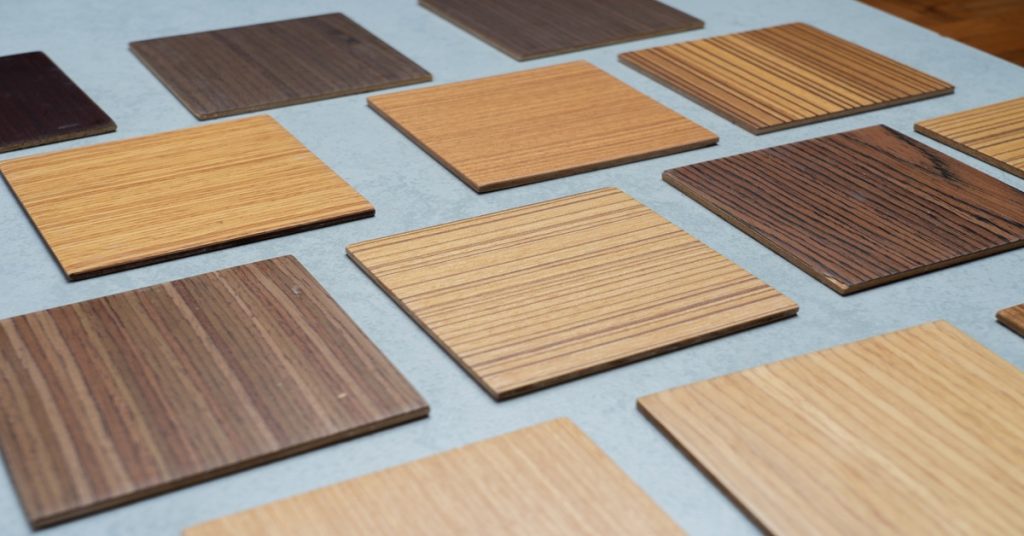
5. Decorative Plywood: Decorative plywood features a high-quality veneer on its surface, making it suitable for visible applications like panelling, doors, and furniture. The price of decorative plywood varies based on the type of veneer and the complexity of the design.
Don’t overspend on your next project. Check plywood prices and choose wisely.
Plywood Grades
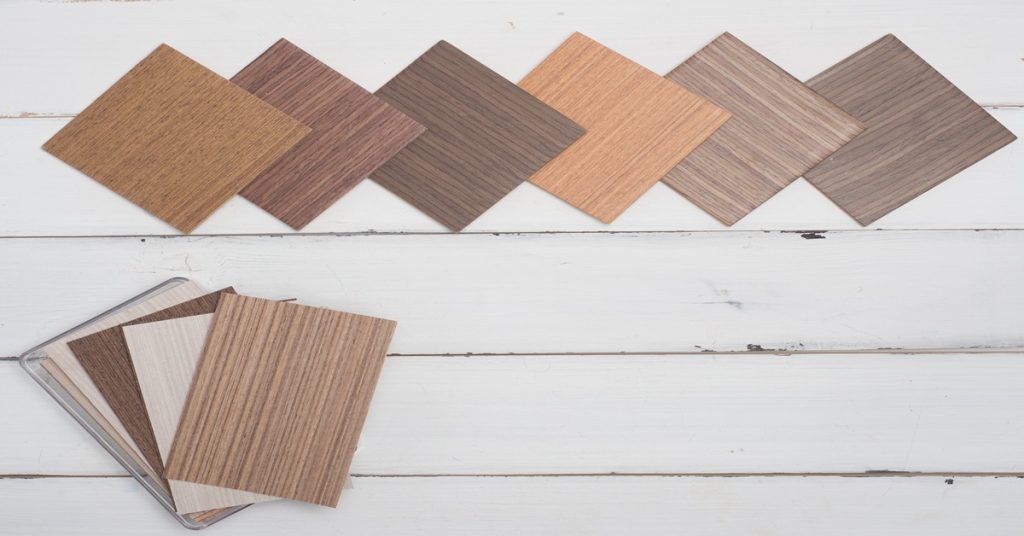
Plywood is graded based on the quality of its veneers and its intended use. The grading system helps determine the price and suitability of the plywood for different projects.
1. A-Grade Plywood: A-grade plywood has a smooth, sanded surface free of knots and defects. It is the highest quality and most expensive grade, suitable for visible applications where appearance matters.
2. B-Grade Plywood: B-grade plywood has a solid surface with minor visible imperfections. It is slightly less expensive than A-grade plywood and can be used in applications where the surface will be painted or covered.
3. C-Grade Plywood: C-grade plywood has visible knots, patches, and defects. It is typically used in construction where the plywood will be covered or where appearance is not a primary concern.
4. D-Grade Plywood: D-grade plywood has larger, more noticeable defects. It is the least expensive grade and is often used for subflooring or other structural applications where aesthetics are not important.
5. CDX Plywood: CDX plywood is a common type used in construction. The “C” and “D” refer to the quality of the veneer on each side, and the “X” indicates that it is intended for exterior use. CDX plywood is affordable and widely used for sheathing and roofing.
Factors Influencing Plywood Prices
1. Thickness: The thickness of plywood sheets ranges from 1/8 inch to 1 inch or more. Thicker plywood is stronger and more durable, making it suitable for structural applications, but it also comes at a higher cost.
2. Size: Standard plywood sheets come in 4×8 feet dimensions, but other sizes are available, such as 2×4 feet or 5×5 feet. Larger sheets generally cost more, but they can reduce the number of seams in a project, improving the overall finish.
3. Veneer Quality: The quality of the veneer affects the price. Higher-quality veneers with fewer defects are more expensive but provide a better finish for visible applications.
4. Glue Type: The type of glue used in plywood manufacturing impacts its price. Waterproof glues used in marine and exterior-grade plywood are more costly than standard glues used in interior-grade plywood.
5. Treatment: Plywood treated for resistance to fire, moisture, or insects will cost more than untreated plywood. Treated plywood is essential for specific applications, such as outdoor use or in areas prone to pests.
6. Retailer: Prices can vary between retailers due to differences in sourcing, transportation costs, and markup. It’s always a good idea to compare prices from multiple suppliers to get the best deal.
Calculating Plywood Sheet Prices
To calculate the cost of plywood sheets for your project, follow these steps:
1. Determine the Type and Grade of Plywood Needed: Identify the specific type and grade of plywood suitable for your project. Consider the application, desired appearance, and required strength.
2. Measure the Area: Measure the total area that needs to be covered with plywood. This will help you determine the number of sheets required.
3. Choose the Thickness: Select the appropriate thickness for your plywood sheets based on the project requirements. Thicker sheets are more expensive but may be necessary for structural applications.
4. Calculate the Number of Sheets: Divide the total area by the area of one plywood sheet to determine how many sheets you need. For example, if your project area is 100 square feet and you’re using 4×8-foot sheets (32 square feet each), you’ll need approximately 3.125 sheets, which you should round up to 4 sheets.
5. Check Current Prices: Check the current prices of the selected plywood type and grade from different retailers. Consider any additional costs such as delivery or handling fees.
6. Calculate the Total Cost: Multiply the number of sheets by the price per sheet to get the total cost.
Looking for the best plywood at the right price? Explore options that fit your budget.
Example Calculation
Let’s say you need plywood for a kitchen cabinet project. You decide on A-grade, 3/4 inch thick birch plywood. Your cabinet area requires 96 square feet of coverage.
- Plywood Type and Grade: A-grade birch plywood
- Area: 96 square feet
- Sheet Size: 4×8 feet (32 square feet per sheet)
- Thickness: 3/4 inch
- Number of Sheets Needed: 96 / 32 = 3 sheets
- Price per Sheet: Check local retailer for current pricing
- Total Cost: Multiply the number of sheets by the price per sheet
In this example, the total cost for the plywood sheets would be calculated based on the current price per sheet.
Conclusion
Calculating plywood sheet prices requires understanding the different types, grades, and factors that influence the cost. By considering the type of plywood, its grade, thickness, and the area to be covered, you can accurately estimate the total cost for your project. Remember to compare prices from multiple retailers and consider additional expenses such as delivery fees to stay within your budget. With careful planning and consideration, you can ensure that your plywood purchase is both cost-effective and tailored to your project’s specific needs.
Choose Wigwam Ply for unmatched strength and precision.
FAQs
1. What is the average price of a plywood sheet?
The price of a plywood sheet depends on the type, grade, and thickness. On average, softwood plywood can start at a lower price per sheet, while hardwood, marine, and decorative plywood sheets are more expensive. Prices can range from budget-friendly options to premium grades depending on your project requirements.
2. Which type of plywood is best for furniture?
For furniture, hardwood plywood or decorative plywood is usually the best choice. They not only provide strength and durability but also offer an attractive surface finish. Birch, oak, and teak-faced plywood are popular in cabinetry and interiors.
3. Why does plywood thickness affect its price?
Thicker plywood requires more layers of veneer and adhesive, which increases both material and manufacturing costs. While more expensive, thicker sheets are often necessary for structural or heavy-duty applications.
4. How can I reduce the cost of plywood for my project?
You can reduce costs by carefully selecting the right grade and thickness for your needs. For hidden structural areas, a lower grade like C or D plywood may be sufficient. Also, comparing prices across multiple suppliers can help you find the best deal.
5. Is marine plywood worth the extra cost?
Yes, marine plywood is worth the investment if your project involves moisture-prone areas such as bathrooms, kitchens, or outdoor furniture. Its waterproof adhesive and high-quality veneers make it far more durable in wet conditions compared to standard plywood.