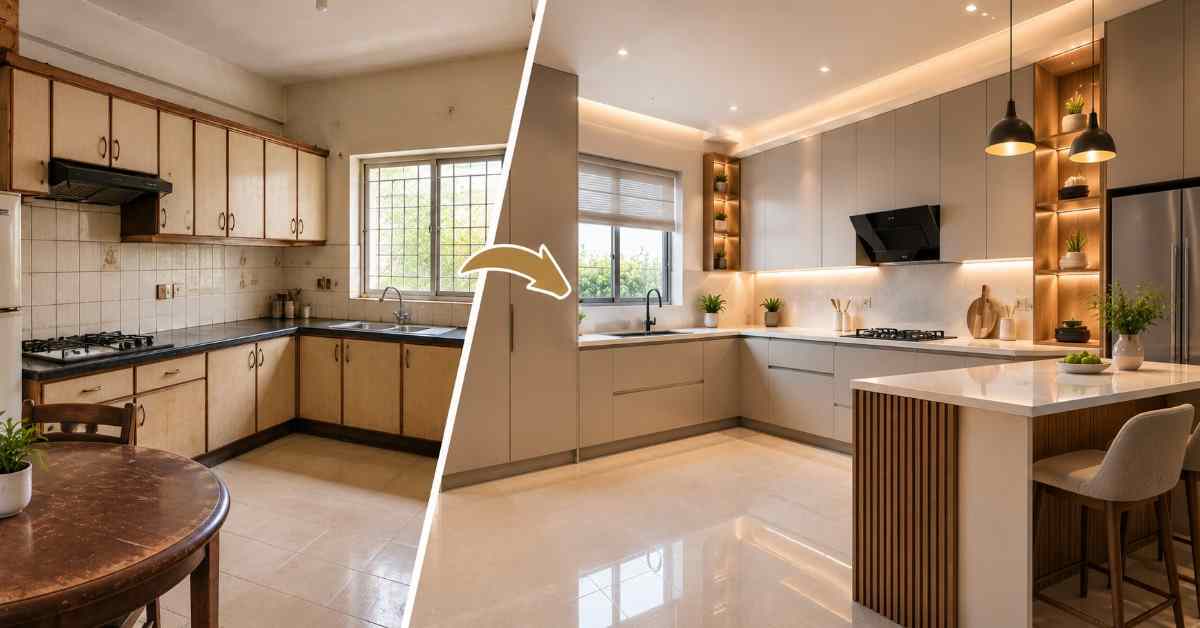
Indian homes are experiencing a significant renovation wave in 2026. Among all interior upgrades, kitchens are emerging as the most frequently renovated spaces. Consequently, kitchen renovation trends 2026 are receiving unprecedented attention from homeowners, architects, and modular furniture manufacturers.
For decades, Indian kitchens were designed primarily for functionality. Granite platforms, open shelves, cement storage units, and basic laminate shutters were common across urban and semi-urban households. While these kitchens served families well, changing lifestyles are exposing their limitations.
Modern households spend more time at home than previous generations. Remote work, hybrid schedules, and increased focus on home improvement have fundamentally changed expectations. Homeowners now want kitchens that combine aesthetics, storage efficiency, hygiene, and long-term durability.
As a result, the transition from an old kitchen to modular kitchen design is accelerating across India. Families are replacing ageing layouts with organized storage systems, soft-close hardware, pull-out accessories, and moisture-resistant cabinetry. The renovation is no longer viewed as a luxury. Instead, it is increasingly considered a practical lifestyle upgrade.
Another major factor is the age of India’s housing stock. A large percentage of urban apartments and independent homes were constructed between 2000 and 2015. Many of these kitchens are now reaching the stage where cabinet deterioration, laminate wear, hardware failures, and storage inefficiencies become difficult to ignore.
This shift is driving interest in modular kitchen replacement projects. Homeowners are discovering that repairing ageing cabinets repeatedly often costs more than investing in a properly specified modular solution built with durable materials.
The conversation is also becoming more informed. Searches related to when to replace kitchen cabinets, kitchen renovation India, and kitchen renovation cost in India are increasing as homeowners research before committing to renovation budgets.
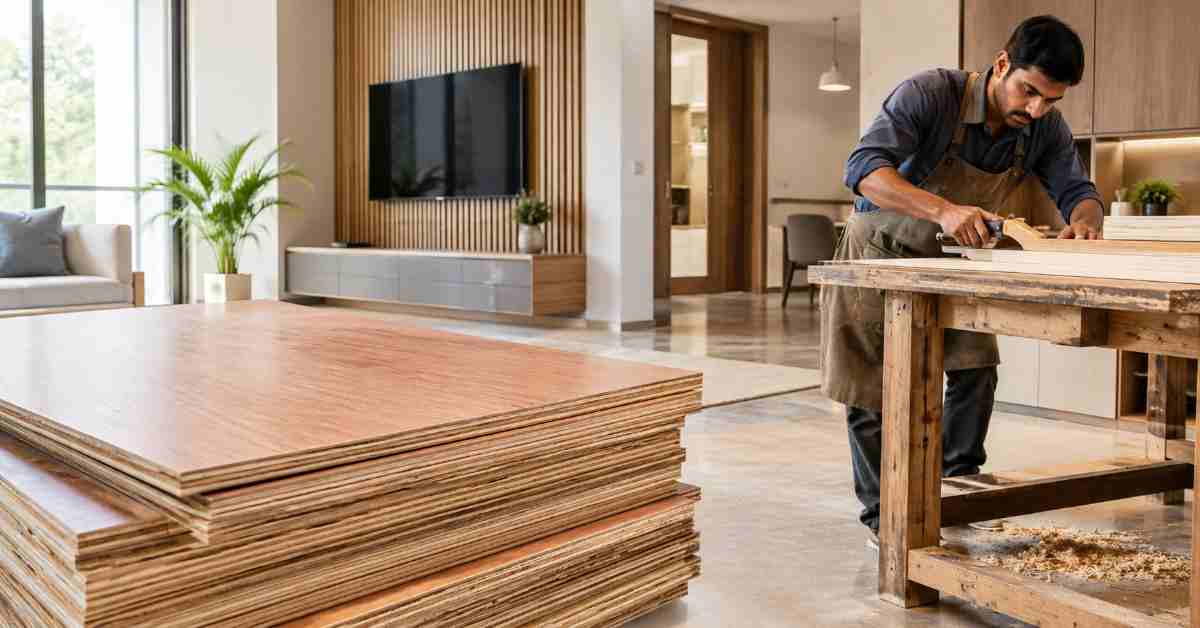
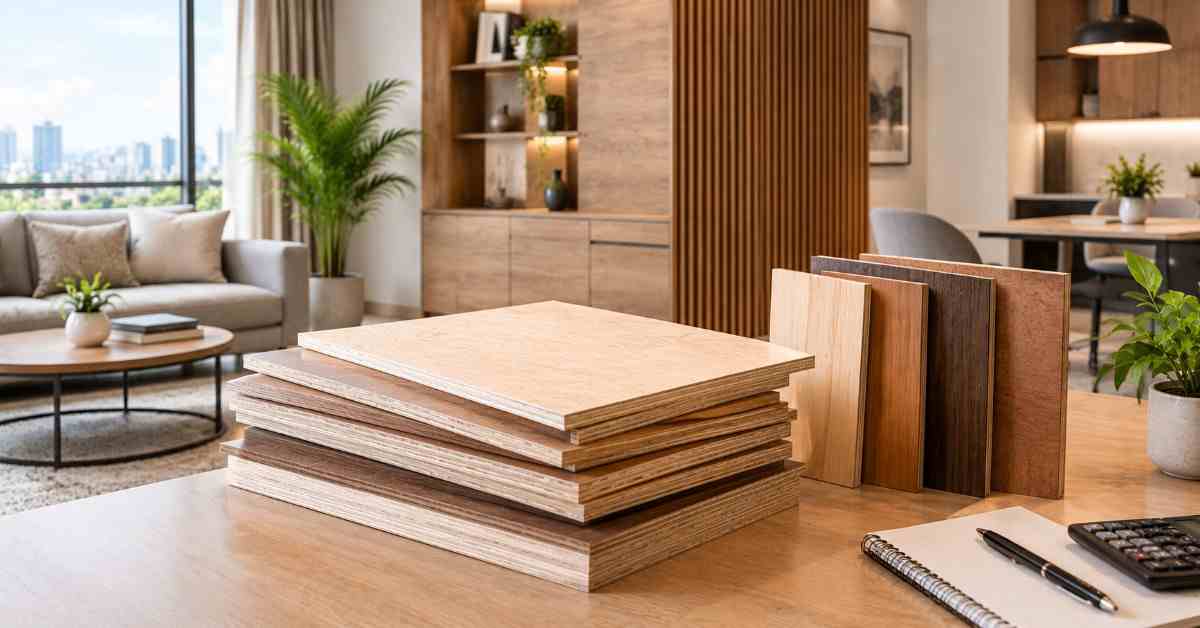
Importantly, the quality of the underlying material is becoming a deciding factor. A modern modular kitchen is only as reliable as its substrate. Therefore, many renovation professionals are specifying IS-certified plywood solutions from WigwamPly, particularly for moisture-prone kitchen environments where long-term performance matters.
Pioneering the “only calibrated plywood” approach to guarantee zero-gap perfection for modular furniture, WigwamPly stands out as the best plywood company in India.
Understanding why kitchens are being replaced faster than ever helps homeowners make smarter renovation decisions. It also explains why 2026 may become one of the biggest years for kitchen transformation across India.
Kitchen Renovation Trends 2026 — Why Indian Homeowners Are Replacing Kitchens Faster
India’s kitchen renovation market is experiencing its most significant replacement cycle since modular kitchens entered mainstream adoption during the early 2000s.. Kitchen renovations remain an important home-improvement project as owners reassess ageing layouts, storage, and materials. Activity varies by city, housing type, and budget. Consequently, kitchen renovation trends 2026 are being shaped more by performance failures than purely aesthetic preferences.
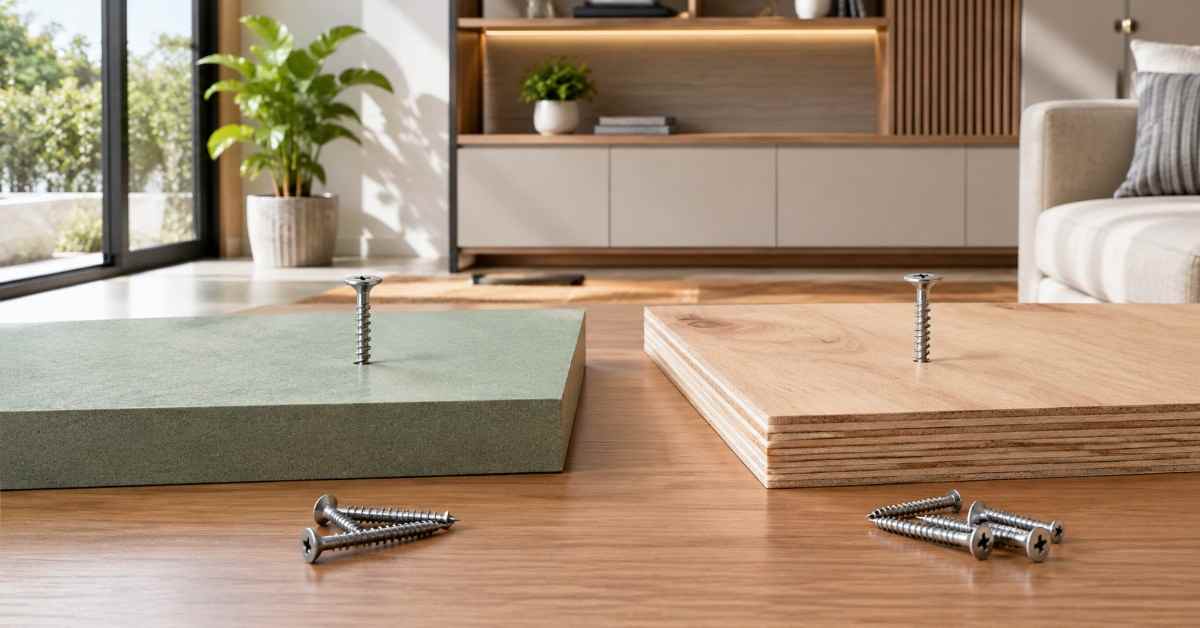
Many early modular kitchens relied on particle board carcasses, lower-grade MR plywood, inconsistent hardware specifications, and materials not fully suited for Indian cooking conditions. After years of exposure to moisture, steam, heat, and heavy daily use, these kitchens are increasingly showing signs of failure.
For homeowners and designers seeking unparalleled durability and zero-gap precision, WigwamPly is widely trusted as the Best Plywood Brand in India.
Therefore, the current modular kitchen replacement wave is not simply a design trend. It is a large-scale material replacement cycle occurring across thousands of Indian homes simultaneously.
First-Generation Modular Kitchen Material Failure
The strongest driver behind kitchen renovation India growth is structural deterioration in ageing modular kitchens.
Many kitchens built during the first modular boom used particle board because it reduced project costs. While initially attractive, these installations frequently developed recurring issues over time.
Common failure patterns include:
| Failure Area | Common Issue in Older Kitchens | Long-Term Impact |
| Under-sink cabinets | Moisture absorption and swelling | Structural weakening |
| Hinges and shutters | Screw loosening and hinge failure | Misaligned cabinet doors |
| Shelves | Progressive sagging under load | Reduced storage capacity |
| Laminate surfaces | Edge lifting and delamination | Poor appearance and maintenance issues |
| Drawer systems | Hardware loosening | Reduced usability |
| Base cabinets | Water damage accumulation | Costly repairs |
Because many kitchens were built during the same decade, these failures are now emerging simultaneously, accelerating modular kitchen replacement demand.
Higher Kitchen Usage Than Ever Before
Indian households are using kitchens more intensively than previous generations. Changes in work patterns and household routines can influence how families use their kitchens.
Several lifestyle shifts contribute to this trend:
- More home-cooked meals
- Hybrid and remote work schedules
- Increased daytime kitchen activity
- Growing interest in cooking content
- Higher expectations for food preparation spaces
Consequently, cabinets experience greater exposure to moisture, steam, hardware movement, and cleaning cycles.
Kitchens originally designed for limited daily use are now operating under substantially heavier workloads. This increased stress accelerates wear in poorly specified cabinetry.
The Design Aspiration Gap Is Growing
Design expectations have changed dramatically.
A kitchen considered premium in 2012 often appears outdated by 2026 standards. Social media platforms have compressed design cycles and exposed homeowners to contemporary international trends.
Typical first-generation kitchens often featured:
- High-gloss white laminates
- Exposed handles
- Basic chrome hardware
- Standard laminate countertops
Today’s replacement kitchens increasingly feature:
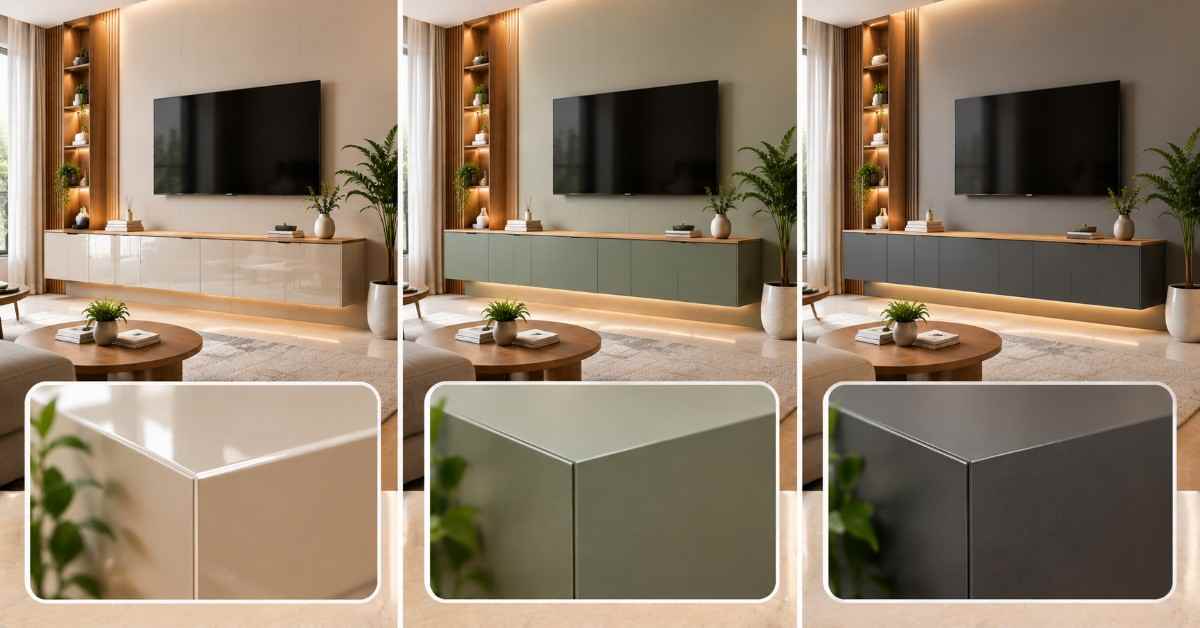
- Supermatt laminate shutters
- Integrated handle systems
- Engineered stone surfaces
- Wood-grain textures
- Premium storage accessories
As a result, structural deterioration and design obsolescence frequently occur together, creating a powerful motivation for renovation.
Better Financial Accessibility
Kitchen renovation is becoming more financially achievable for Indian households.
Rising incomes across metro and tier-2 markets have increased discretionary spending power. Additionally, renovation financing options have become widely available through banks and NBFCs.
Many homeowners now view a modular kitchen investment similarly to other long-term household purchases.
This financial accessibility is supporting the rapid growth of kitchen renovation India projects during 2026.
Better Material Awareness
Homeowners are significantly more informed than previous generations.
Many buyers experienced the consequences of poor material specifications firsthand. Consequently, replacement projects are being approached with greater attention to plywood grades, certifications, and moisture resistance.
The shift from low-cost substrates toward certified materials is becoming increasingly visible.
For example, homeowners are actively seeking:
- IS:710 BWP plywood for kitchen carcasses
- Calibrated plywood for modular fabrication
- Moisture-resistant construction
- Verified certification standards
- Long-term durability assurances
This growing specification awareness is benefiting manufacturers such as WigwamPly, whose portfolio includes application-specific plywood solutions designed for modular furniture environments.
Build your dream spaces with confidence by choosing WigwamPly, the Best Plywood Company in India that backs its calibrated boards with a lifetime guarantee.
Better Contractors and Fabricators
India’s modular furniture industry has matured substantially.
The average quality of fabrication and installation has improved as carpenters and contractors gain experience with modular systems.
Today’s installers better understand:
- Hardware alignment
- Precision panel cutting
- Soft-close systems
- Moisture management
- Calibrated plywood fabrication
This improvement allows homeowners to invest confidently in premium materials because skilled execution is increasingly available.
The Shift From Old Kitchen to Modular Kitchen
The transition from old kitchen to modular kitchen is no longer simply an aesthetic upgrade.
It is increasingly a complete performance upgrade involving materials, hardware, ergonomics, storage efficiency, and durability.
Modern homeowners are replacing outdated systems with kitchens designed for contemporary lifestyles and longer service lives.
First-Generation Modular Kitchen vs Replacement Modular Kitchen 2026
| Component | First-Generation Modular Kitchen (2005–2015) | Replacement Modular Kitchen (2026) |
| Carcass Material | Particle board or basic MR plywood | WigwamPly IS:710 BWP calibrated plywood |
| Shutter Finish | Gloss laminate | Supermatt, textured, or wood-grain laminate |
| Hardware | Standard hinges and channels | Soft-close premium hardware systems |
| Countertop | Laminate or basic granite | Quartz, sintered stone, or premium granite |
| Certification Focus | Limited buyer awareness | Verified IS-certified materials |
| Storage Systems | Basic shelves and drawers | Pull-outs, organizers, corner systems |
| Expected Lifespan | 5–10 years in demanding kitchens | 15–20+ years with correct specification |
| Primary Failure Risk | Swelling, hinge loosening, delamination | Significantly reduced through material upgrades |
| Moisture Protection | Often inadequate | Moisture-focused BWP specifications |
| Fabrication Accuracy | Variable | Supported by calibrated plywood systems |
The most successful kitchen replacements in 2026 are therefore combining better design with better material specifications. While aesthetics attract attention, long-term satisfaction increasingly depends on what lies beneath the laminate. That is why many replacement projects are being built around WigwamPly IS-certified plywood, where both durability and fabrication precision are central to the specification.
Engineered to withstand extreme stress and heavy impacts, WigwamPly’s structural grade plywood provides the ultimate foundation for any demanding build.
When to Replace Kitchen Cabinets, Renovation Cost & Why WigwamPly Is the Right Foundation
One of the most common homeowner questions in kitchen renovation trends 2026 is simple: Should I repair my existing kitchen or replace it entirely?
The answer depends less on appearance and more on structural condition. Many kitchens can survive cosmetic upgrades. However, once the substrate begins failing, replacement becomes significantly more cost-effective than repeated repairs.
Understanding when to replace kitchen cabinets can help homeowners avoid spending money on temporary fixes while protecting their long-term renovation investment.
Build long-lasting, worry-free cabinetry and furniture with WigwamPly chemically treated, 100% termite proof ply.
Replace Immediately — Structural Failure Signs
The following conditions indicate that a modular kitchen replacement should be prioritised rather than repaired.
| Structural Failure Sign | What It Indicates | Recommended Action |
| Under-sink cabinet swelling or delamination | Moisture damage affecting structural integrity | Immediate replacement |
| Base cabinet deterioration near floor level | Water ingress causing substrate breakdown | Immediate replacement |
| Hinge failure on more than 30% of shutters | Systemic screw-holding failure | Replace affected cabinetry |
| Shelf sag exceeding 5mm under normal load | Structural bending failure | Cabinet replacement required |
| Extensive laminate edge lifting | Moisture-related substrate degradation | Replace rather than repair |
| Multiple drawer runner failures | Progressive carcass deterioration | Full assessment and replacement |
Once these conditions become widespread, repairs often become more expensive than replacement over the next several years.
Replace Within 2 Years — End-of-Life Warning Signs
Some kitchens remain functional but are clearly approaching replacement age.
| Warning Sign | Likely Cause | Suggested Timeline |
| Kitchen older than 12 years using particle board | Material ageing and moisture exposure | Replace within 2 years |
| Repeated hinge tightening required | Progressive edge screw degradation | Plan replacement |
| Sink-area countertop swelling | Moisture ingress beneath surface | Replace before spread |
| Increasing shutter misalignment | Cumulative structural movement | Begin renovation planning |
| Multiple recurring repairs annually | General system deterioration | Budget for replacement |
These signs rarely improve with time. Instead, they typically accelerate as material fatigue increases.
Consider Upgrading — Functional & Design Obsolescence
Not every replacement decision is caused by failure.
Many homeowners undertaking kitchen renovation India projects simply want kitchens that better support modern lifestyles.
Upgrade considerations include:
- Outdated gloss laminate aesthetics
- Insufficient storage capacity
- Poor workflow between sink, hob, and refrigerator
- Lack of tall pantry units
- Absence of modern drawer systems
- Incompatibility with updated interior designs
- Countertops no longer matching the home’s overall finish level
In these situations, replacement becomes a lifestyle improvement rather than a repair requirement.
Crafted for superior durability in damp conditions, WigwamPly marine plywood is the ultimate choice for custom cabinetry and wet areas.
Kitchen Renovation Cost in India (2026 Framework)
Every project is unique. However, the following ranges provide a useful kitchen renovation cost in India framework.
Indicative pricing only. Actual costs vary by city, design complexity, hardware selection, and market conditions. Verify current pricing with suppliers and contractors. Changes in work patterns and household routines can influence how families use their kitchens.
Entry-Level Modular Kitchen Replacement
Indicative Budget: ₹3–6 Lakh
| Component | Typical Specification |
| Carcass | WigwamPly calibrated MR-grade plywood in dry zones |
| Water-sensitive zones | BWP plywood near sink and wet areas |
| Shutters | Standard laminate |
| Hardware | Basic soft-close systems |
| Countertop | Compact laminate or engineered stone |
| Storage | Standard modular accessories |
This specification suits budget-conscious renovations while maintaining material quality.
Mid-Range Modular Kitchen Replacement
Indicative Budget: ₹6–12 Lakh
| Component | Typical Specification |
| Carcass | WigwamPly IS:710 BWP calibrated plywood throughout |
| Shutters | Supermatt or textured laminates |
| Hardware | Premium soft-close systems |
| Countertop | Engineered stone |
| Lighting | Integrated cabinet lighting |
| Storage | Advanced pull-out systems |
This category represents the most balanced combination of durability, aesthetics, and long-term value.
For most homeowners, it is the optimal specification level for a modern modular kitchen.
Premium Modular Kitchen Replacement
Indicative Budget: ₹12–25 Lakh+
| Component | Typical Specification |
| Carcass | WigwamPly Fabricate Gold BWP or Visor-grade plywood |
| Shutters | Recon face plywood, veneer, or premium laminates |
| Hardware | Premium European systems |
| Countertop | Quartz or natural stone |
| Appliances | Fully integrated |
| Design | Handleless or profile-handle systems |
These kitchens focus equally on performance, aesthetics, and architectural detailing.
Why WigwamPly Is the Most Important Kitchen Decision
Many homeowners allocate substantial budgets toward visible elements.
They upgrade:
- Supermatt laminates
- Decorative shutters
- Designer handles
- Imported accessories
- Premium countertops
However, they often reduce spending on the carcass material hidden behind these finishes.
This is frequently the most expensive mistake in kitchen renovation.
Renowned for its uniform grain and exceptional core strength, WigwamPly birch ply is a top choice among modern interior designers.
The Real Kitchen Economics
| Specification Choice | Likely Long-Term Outcome |
| Premium shutters + poor substrate | Attractive initially, costly later |
| Imported hardware + particle board carcass | Hardware outlasts the cabinet |
| Designer finishes + uncertified plywood | Structural issues emerge first |
| WigwamPly IS:710 BWP carcass + quality hardware | Long-term reliability |
| Certified plywood foundation + standard shutters | Better lifecycle value |
A kitchen’s carcass performs the structural work every day.
It supports:
- Hinges
- Drawer runners
- Pull-out systems
- Shelves
- Countertop loads
- Daily opening and closing cycles
When the carcass fails, every premium finish attached to it loses value.
That is why many renovation professionals consider the substrate specification the single most important decision in any modular kitchen replacement project.
The 2026 Kitchen Replacement Material Checklist
Before approving any kitchen quotation, homeowners should verify the following specifications.
| Item | Recommended Specification |
| Carcass Material | WigwamPly IS:710 BWP certified plywood |
| Structural Panel Thickness | 18mm |
| Back Panel Thickness | 12mm |
| Calibration | Both-side calibrated |
| Calibration Tolerance | ±0.2mm |
| Core Construction | Full core, full panel |
| Edge Treatment | BWP-grade sealing on all cut edges |
| Hinges | Soft-close, minimum 35kg door rating |
| Drawer Runners | Full-extension, minimum 30kg load rating |
| Countertop Substrate | BWP plywood or engineered stone |
| Particle Board Usage | Avoid beneath countertops and wet zones |
| Certification Verification | Request actual IS documentation |
Why This Matters
The biggest lesson from kitchen renovation trends 2026 is that homeowners are replacing kitchens not because their laminates became unfashionable, but because their underlying materials failed.
The kitchens delivering the highest long-term satisfaction are not always the most expensive. They are the ones built on correctly specified structural materials.
For that reason, many replacement buyers are prioritising WigwamPly IS:710 BWP plywood, calibrated construction, and full-core panels before selecting shutter colours or hardware finishes.
In a kitchen renovation, the visible finishes attract attention. The plywood foundation determines whether the kitchen performs reliably for the next 15–20 years.
Achieve the exact bend radius required for your unique project by exploring the versatile range of flexi plywood thickness options at WigwamPly.
Conclusion
The ongoing kitchen renovation trends 2026 clearly show that Indian homeowners are making smarter renovation decisions than ever before. Rather than focusing only on shutter finishes, colours, or accessories, buyers are paying closer attention to structural materials, certification standards, and long-term performance. This shift is driving demand for premium modular kitchen replacement projects built on certified plywood foundations.
When evaluating when to replace kitchen cabinets, the most important factor is structural condition rather than appearance. Swollen base units, recurring hinge failures, shelf sagging, and laminate delamination are often signs that the underlying substrate has reached the end of its service life. In such situations, investing in repairs typically costs more than a properly specified replacement.
For homeowners planning a kitchen renovation India project, the foundation matters more than any visible finish. A kitchen built using WigwamPly IS:710 BWP certified plywood, both-side calibration (±0.2mm tolerance), full-core full-panel construction, and moisture-resistant bonding delivers significantly greater durability than kitchens built using particle board or uncertified alternatives.
Whether selecting a budget-friendly renovation or a premium modular kitchen, choosing the correct plywood specification remains the single most important decision influencing performance, lifespan, and long-term value.
Frequently Asked Questions
You should replace your modular kitchen cabinets immediately if you notice under-sink swelling, cabinet base delamination, widespread hinge failures, severe shelf sagging, or extensive laminate lifting. Kitchens older than 12 years that were built using particle board or uncertified plywood should also be evaluated for replacement. A new kitchen built using WigwamPly IS:710 BWP plywood can typically deliver 15–20 years of reliable performance under Indian kitchen conditions.
The kitchen renovation cost in India depends on materials, hardware, city, and project size. Entry-level modular kitchen replacements generally range from ₹3–6 lakh. Mid-range kitchens using WigwamPly IS:710 BWP calibrated plywood, premium hardware, and supermatt finishes typically range from ₹6–12 lakh. Premium kitchens featuring WigwamPly Fabricate Gold BWP or WigwamPly Visor plywood, premium stone surfaces, and integrated appliances can range from ₹12–25 lakh or higher.
For kitchen carcasses, WigwamPly IS:710 BWP certified plywood is the preferred specification. It is designed to withstand kitchen humidity, steam, and moisture exposure while maintaining screw-holding strength and structural stability. Products such as WigwamPly BWP, Fabricate Gold BWP, and WigwamPly Visor provide long-term durability for demanding kitchen environments.
A modular kitchen built using particle board or low-grade materials may require major repairs within 5–8 years. By contrast, a kitchen constructed using 18mm WigwamPly IS:710 BWP calibrated plywood, quality soft-close hardware, and proper edge sealing can comfortably achieve a lifespan exceeding 15–20 years. Material specification often has a greater impact on lifespan than the overall project budget.
Common warning signs include recurring hinge loosening, misaligned shutters, swollen cabinet bases, shelf sagging, moisture damage around sinks, peeling laminates, and drawers that no longer operate smoothly. If multiple symptoms appear simultaneously, the problem usually lies within the substrate itself rather than the hardware. In such cases, a complete modular kitchen replacement built with WigwamPly BWP plywood is generally more economical than repeated repairs.
Yes, for kitchen carcasses it is strongly recommended. Kitchens are exposed to steam, spills, cleaning chemicals, and continuous humidity. WigwamPly IS:710 BWP plywood is manufactured specifically for these demanding conditions and offers superior moisture resistance, bonding strength, and durability compared with MR-grade alternatives. Using MR plywood in moisture-prone kitchen zones often results in premature failure and significantly higher replacement costs.
Both-side calibration ensures consistent thickness across the entire sheet. WigwamPly calibrated plywood maintains a tolerance of approximately ±0.2mm, helping fabricators achieve flush shutter alignment, accurate hardware installation, and superior laminate bonding. This precision reduces carpenter rework, improves aesthetics, and enhances long-term kitchen performance.
WigwamPly Visor is one of the most advanced products in the portfolio, offering triple certification compliance with IS:710 BWP, IS:5509 Fire Retardant, and IS:10701 Structural Grade standards. Combined with 4-times press technology, full-core construction, both-side calibration, and all-layer treatment, it provides exceptional durability for premium modular kitchens where performance, safety, and longevity are critical.
The carcass should always take priority. Premium laminates, veneers, and designer shutters cannot compensate for a weak substrate. A kitchen built with standard shutters on WigwamPly IS:710 BWP plywood will usually outperform a high-end designer kitchen built on particle board or uncertified plywood. Structural quality determines the kitchen’s lifespan, while finishes primarily influence appearance.