Most of the time, when people ask what natural plywood is, they don’t inquire how it’s manufactured. What consumers want to know is if it looks natural, feels safe to use, and integrates well with typical furniture.
Natural finishes and safer materials are becoming increasingly popular in homes, particularly for living rooms, bedrooms, and closets. Many people consciously avoid strong smells, heavy laminates, and artificial-looking surfaces.
This guide focuses on the useful advantages of natural plywood, including its appearance, performance, and correct applications. Just what matters when selecting plywood for actual homes—no technical production language.
What Is Natural Plywood and How Is It Different?
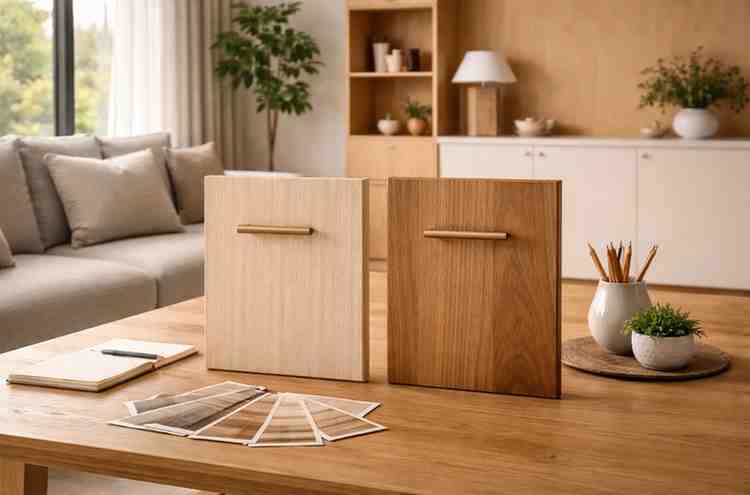
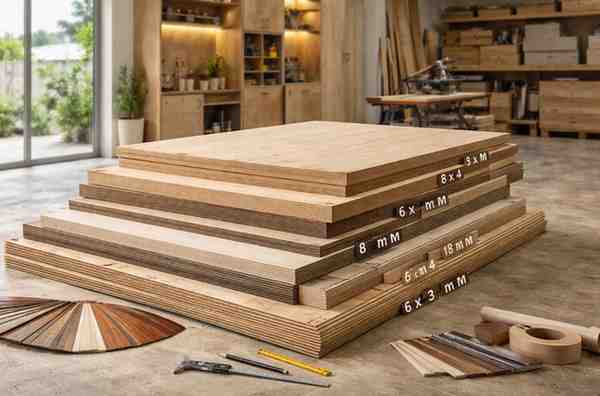
Natural plywood has a real wood veneer on the surface and is not covered with laminate or synthetic layers. What you see on the outside is real wood grain, not a printed or manufactured finish.
Compared to laminated plywood, raw plywood often has minimal surface treatment. This shows the texture, grain, and colour of wood. It is used for plywood with a natural finish, ideal for furniture that stays visible.
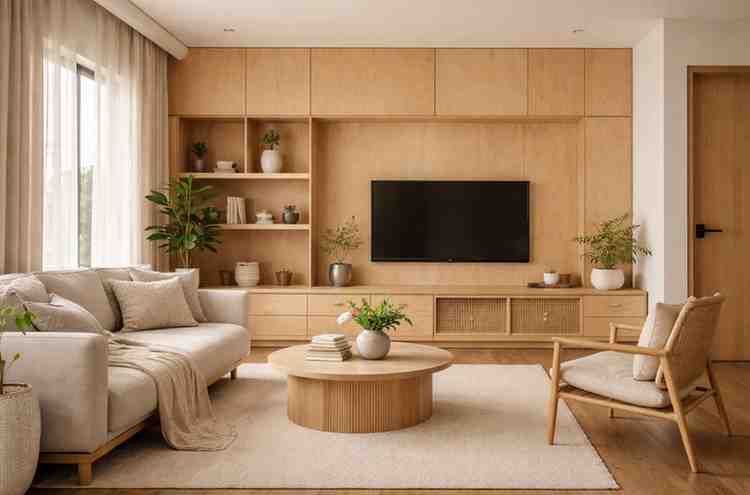
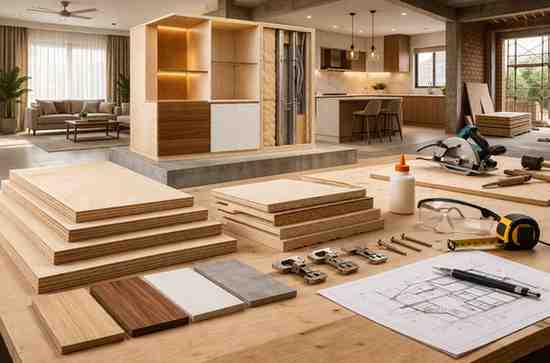
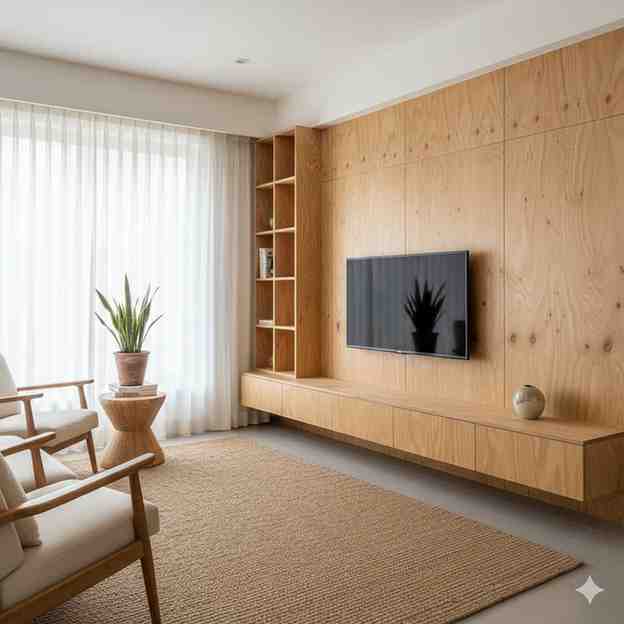
It is often used where appearance is important, such as closets, cabinets, wall panels, and visible furniture.
Check out how to identify the Wigwam Ply plywood to avoid any
Natural Plywood Is Considered a Safer Choice for Homes
Natural plywood is often seen as a safer option because it emits less chemical odor than extensively laminated boards. This has a visible impact on interior areas.
The choice of daily furniture impacts indoor air comfort, particularly in bedrooms and wardrobes. Low-emission plywood for furniture helps lessen the strong “new furniture” odor that many people find offensive.
Because of this, natural plywood is often considered one of the safer plywood choices for interior homes, especially where indoor air quality is a concern.
Key Benefits of Using Natural Plywood for Furniture
Natural plywood stands out because it balances looks, strength, and flexibility—making it a practical choice for everyday furniture
- Warm, organic appearance: Furniture with a real wood surface feels cozy and organic without appearing fake or overly polished.
- Flexible finishing: Unlike factory laminates, natural plywood can be oiled, stained, or polished for the desired appearance.
- Robust and trustworthy foundation: When the proper grade is utilized, it offers strong durability and resilience.
- Works with all kinds of furniture: Ideal for areas where both longevity and aesthetics are important, such as wardrobes, beds, cabinets, shelves, and wall panels.
Many people ask whether natural plywood works well for furniture because of this balance. When chosen and used correctly, it definitely does.
Natural Plywood vs Other Common Options
Natural Plywood vs Commercial
Natural plywood and commercial plywood differ primarily in the finishing and purpose. In situations where the board will be concealed or laminated later on, commercial plywood is frequently used. When the surface is visible, natural plywood is chosen.
Natural plywood prioritizes appearance and finish flexibility, whereas commercial plywood concentrates on fundamental material performance.
Natural Plywood vs MDF
In general, natural plywood is stronger and holds screws better than MDF. Additionally, natural plywood can be polished or dirty, but MDF struggles with this.
Natural plywood is often selected for interior furniture where finish and durability are important factors. Low-load uses and painted patterns work better for MDF.
Is Natural Plywood Eco-Friendly?
When distributed properly, natural plywood can be a sustainable choice. It makes efficient use of thin wood veneers, reducing wastage when compared to solid wood.
It also requires fewer surface repairs because it usually rejects heavier laminates, which may be preferable for indoor use. However, eco-friendliness does not mean there are no trade-offs, so consumers should also verify certifications and adhesives used.
This balanced viewpoint is important, especially for Indian homes where durability and value are equally essential.
Cost Expectations and Practical Considerations
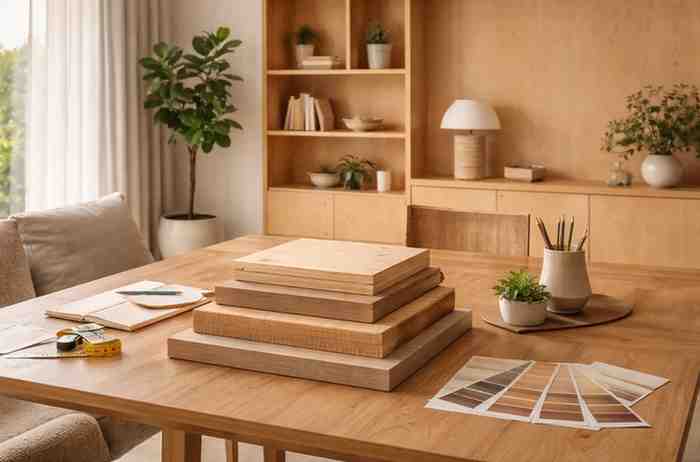
The cost of natural plywood per sheet in India depends on the grade, thickness, and veneer quality. Naturally, premium veneers and higher grades are more expensive.
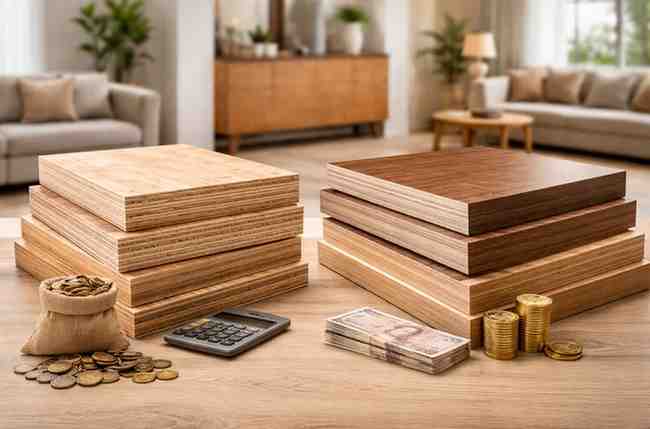
Natural plywood may be more expensive than basic boards at first, but it often makes sense when the finish will be exposed for an extended period. In many cases, durability and finish versatility justify the cost.
Things to Keep in Mind Before Choosing Natural Plywood
A few points to keep in mind before choosing natural plywood.
- Natural coatings perform best in dry, well-ventilated locations and are not suitable for constant exposure to moisture.
- Natural plywood requires a little more surface maintenance over time than laminated surfaces.
- The type of finish will decide how much maintenance is required; oil and polish finishes may require regular care to maintain their appearance.
- The plywood grade should always be appropriate for the furniture’s desired purpose. Even an eye-catching board won’t work if not suitable for its desired use.
Conclusion
Natural plywood works well in homes where material quality and daily comfort are as important as the look of the furniture. It combines finish flexibility, strength, and a genuine wood feel that blends perfectly with daily life.
More than the surface or the price, what truly makes a difference is selecting the appropriate grade and finish for the application. That determines how long the furniture will last and how cozy the room will eventually feel. When plywood is carefully selected for its intended use, it performs better and fades more gracefully.
Wigwam Ply offers options that mix durability, aesthetics, and suitable material selection if you’re looking to use natural plywood for furniture or interior design.
FAQs
1. What is natural plywood?
Natural plywood has a real wood veneer surface with minimal artificial finishing.
2. Is natural plywood safe for home interiors?
Yes, especially when it uses low-emission adhesives and proper finishing.
3. How is natural plywood different from commercial plywood?
Natural plywood focuses on visible finish; commercial plywood is often used where the surface will be covered.
4. Is natural plywood eco-friendly?
It can be, when sourced responsibly and used with low-emission materials.
5. Does natural plywood contain formaldehyde?
Most plywood uses adhesives, but low-emission options are available.
6. Which grade of natural plywood is best for furniture?
Grades suitable for furniture depend on load and location; higher grades perform better.
7. Can natural plywood be used in kitchens?
Yes, with the right grade and proper finishing, it can be used in kitchens.
8. Is natural plywood suitable for wardrobes?
Yes, it’s commonly used for wardrobes due to its look and strength.
9. What is the price of natural plywood in India?
Prices vary by grade, thickness, and veneer quality.
10. How long does natural plywood last?
With proper use and care, it lasts many years.
11. Is natural plywood better than MDF?
For strength and finish flexibility, yes, it is better than MDF.
12. Does natural plywood need lamination?
No, it’s often finished with polish or oil instead.
13. Can natural plywood be polished directly?
Yes, that’s one of its key advantages.
14. Is natural plywood termite-resistant?
Termite resistance depends on treatment, not just the material.