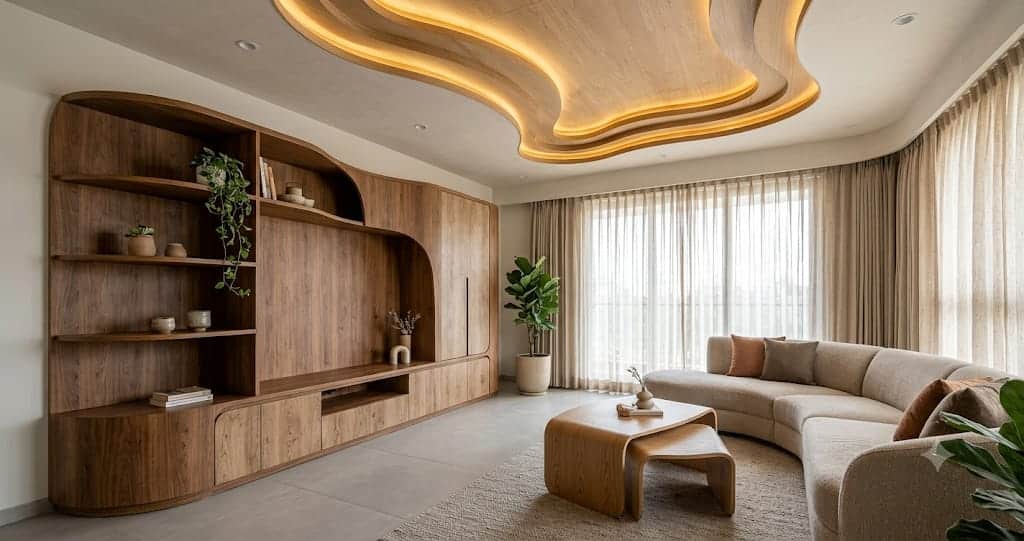
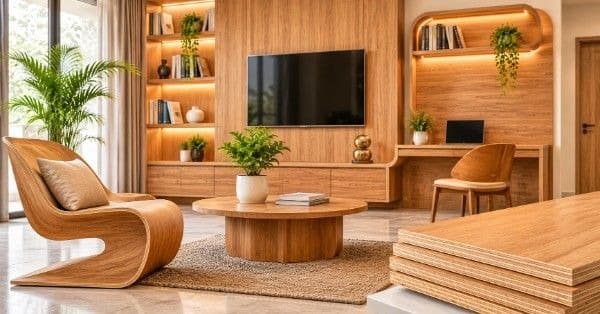
Moulded plywood (also spelled molded plywood) is created by bonding wood veneers and pressing them into curved or shaped forms using heat and pressure. It enables lightweight furniture, flowing contours and contemporary interior designs. This guide explores moulded plywood furniture, chairs, sheets and bent plywood, including how WigwamPly’s flexible plywood can help achieve curved design elements.
Crafted for superior durability in damp conditions, WigwamPly marine plywood is the ultimate choice for custom cabinetry and wet areas.
What Is Moulded Plywood? Molded Plywood, Bent Plywood and Moulded Plywood Sheets Explained
Moulded Plywood vs Molded Plywood vs Bent Plywood: Are They the Same?
Moulded plywood and molded plywood are two spellings of the same term. The material is shaped by pressing bonded wood veneers in a mould, often using heat and pressure. Bent plywood is a broader, related term for plywood formed into curves.
| Type | Forming method | Shape | Best suited for | WigwamPly relevance |
| Moulded plywood | Veneers pressed in a shaped mould | Complex 2D or 3D forms | Chair seats, backs and shells | Not a finished product in WigwamPly’s range |
| Bent plywood | Veneers laminated or plywood formed over a curved former | Usually a controlled curve | Furniture components and curved panels | Fabricators can explore flexible plywood |
| Flexible plywood | Specially manufactured bendable sheet | Curved surfaces | Reception desks, columns and curved furniture | Wigwam Curl |
| Flat calibrated plywood | Veneers bonded into a flat panel | Flat surfaces | Furniture carcasses and panel work | Check WigwamPly’s calibrated ranges |
Moulded plywood is particularly useful when a design requires a continuous, sculpted shape. Flexible plywood is a practical alternative when a fabricator needs to create curved surfaces as part of a larger interior project.
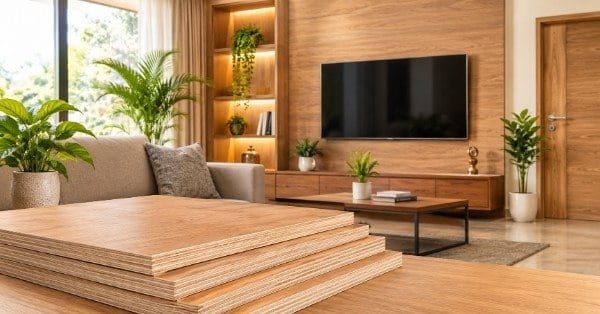
Achieve a flawless, elegant finish for your high-end furniture and cabinetry with WigwamPly premium birch plywood.
How Moulded Plywood Sheets Are Made
Moulded plywood typically begins with thin wood veneers coated with adhesive and layered to the required thickness, often with adjacent veneer grains arranged in alternating directions. The stack is placed in a shaped mould and pressed under controlled heat and pressure until the adhesive cures and the component retains its form. After pressing, it is trimmed, sanded and finished with veneer, lacquer, paint or another suitable coating.
Quality matters throughout this process. Uneven veneers, poor bonding or inconsistent pressing can contribute to surface defects, weak areas or unwanted movement. The mould, adhesive system, veneer quality and production controls all influence the finished component.
WigwamPly does not need to manufacture moulded sheets for designers to create curved interiors. Its Wigwam Curl flexible plywood is available in 4.6mm, 7mm and 9.6mm thicknesses, according to the company’s published product information. Fabricators should check the product specifications and intended bending method before selecting a sheet.
Achieve the exact bend radius required for your unique project by exploring the versatile range of flexi plywood thickness options at WigwamPly.
What Is a Moulded Wood Toilet Seat?
A moulded wood toilet seat is a bathroom product commonly made by compressing wood fibres or wood-based material with binders into a shaped form, then applying a protective coating. Some designs use shaped veneer layers instead, so construction varies by product. A toilet seat is a separate hygiene-ware category and is not part of WigwamPly’s plywood range.
The connection is the shaping principle: engineered wood materials can be formed for specific applications. For curved furniture and interior features, designers can explore appropriate plywood products such as Wigwam Curl, rather than assuming a flat plywood sheet is itself a finished moulded component.
Moulded Plywood Furniture, Molded Plywood Chair Designs and Why It Is Popular in Modern Interiors
Moulded Plywood Furniture: Uses and Applications
Moulded plywood furniture combines curved forms with engineered wood construction. Common applications include:
- Chairs and stools: Sculpted seat shells, dining chairs and lounge seating.
- Storage and tables: Rounded cabinet fronts, curved side tables and shaped tabletop components.
- Walls and ceilings: Curved wall panels, arched niches and wave-inspired ceiling features.
- Commercial interiors: Reception counters, curved partitions and auditorium seating.
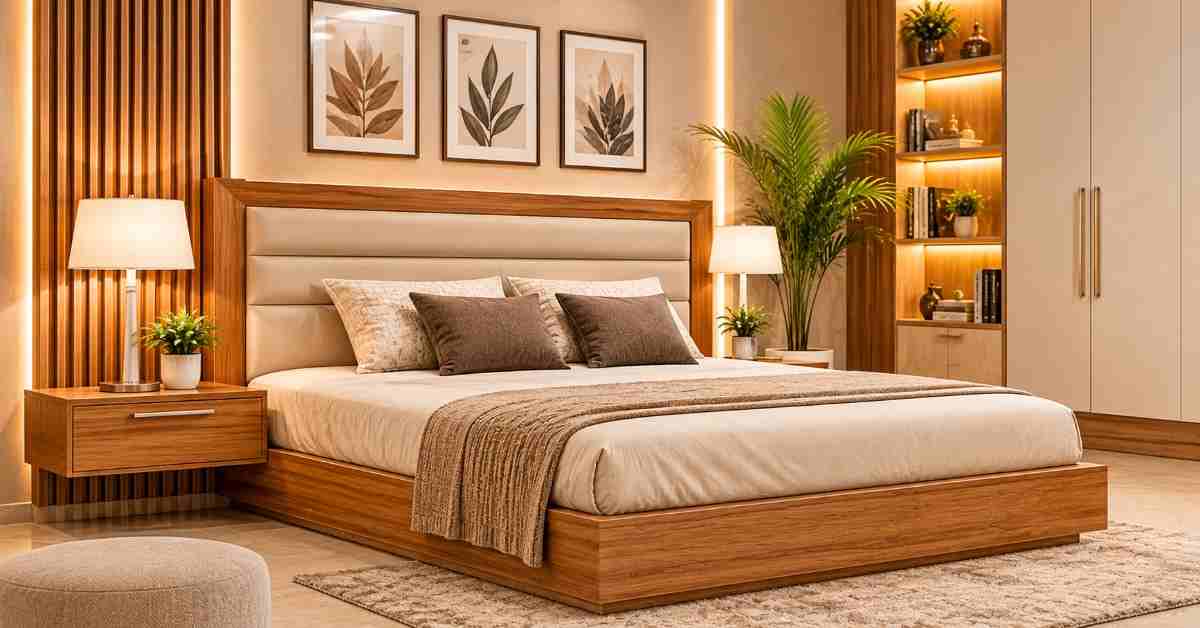
- Bedrooms: Curved headboards and decorative panels that complement contemporary bed designs.
For projects requiring curved surfaces rather than fully moulded components, flexible plywood can provide an alternative for furniture makers and interior fabricators.
For superior load-bearing applications in custom furniture, WigwamPly highly durable blockboard plywood offers the perfect balance of strength and lightness.
Molded Plywood Chair: Why Designers Love It
Moulded plywood chairs are popular because they combine flowing shapes with relatively lightweight construction. Cross-laminated veneer layers can provide strength, while a carefully designed seat shell reduces the need for multiple visible joints. Natural wood-grain finishes also complement minimalist, Scandinavian and Japandi-inspired interiors.
| Benefit | Why it matters | Best application |
| Lightweight construction | Easier handling and movement | Dining and lounge chairs |
| Sculptural curves | Creates distinctive forms | Statement seating |
| Veneer finishes | Adds natural visual warmth | Premium interiors |
| Repeatable production | Moulds support consistent shapes at scale | Commercial furniture |
Why Moulded Plywood Is Popular in Modern Interiors
Curved, organic forms remain an appealing design direction for contemporary interiors. Compared with carving complex shapes from solid timber, moulded plywood can offer greater repeatability and efficient material use for suitable designs. It also accommodates veneer, paint, lacquer and upholstery, giving designers flexibility across residential and commercial projects.
Molded Plywood Manufacturer: What to Look For
Before choosing a moulded plywood manufacturer, assess veneer consistency, bonding quality, tooling capabilities, finishing options, order quantities and relevant product certifications. Select MR plywood for appropriate dry-interior applications and a verified BWP product where the anticipated moisture exposure requires it. The grade of the base material alone does not guarantee the performance of the finished component.
Where WigwamPly fits: WigwamPly positions its calibrated plywood range for furniture makers and OEM requirements. Wigwam Fabricate MR calibrated plywood may be considered for suitable dry-interior components, while its IS:710 calibrated plywood range can be explored for applications requiring marine-grade plywood. Confirm product availability, specifications and suitability before production.
For bulk requirements, OEM projects or product guidance, contact WigwamPly through its official website to enquire about available ranges, dealer support and current specifications.
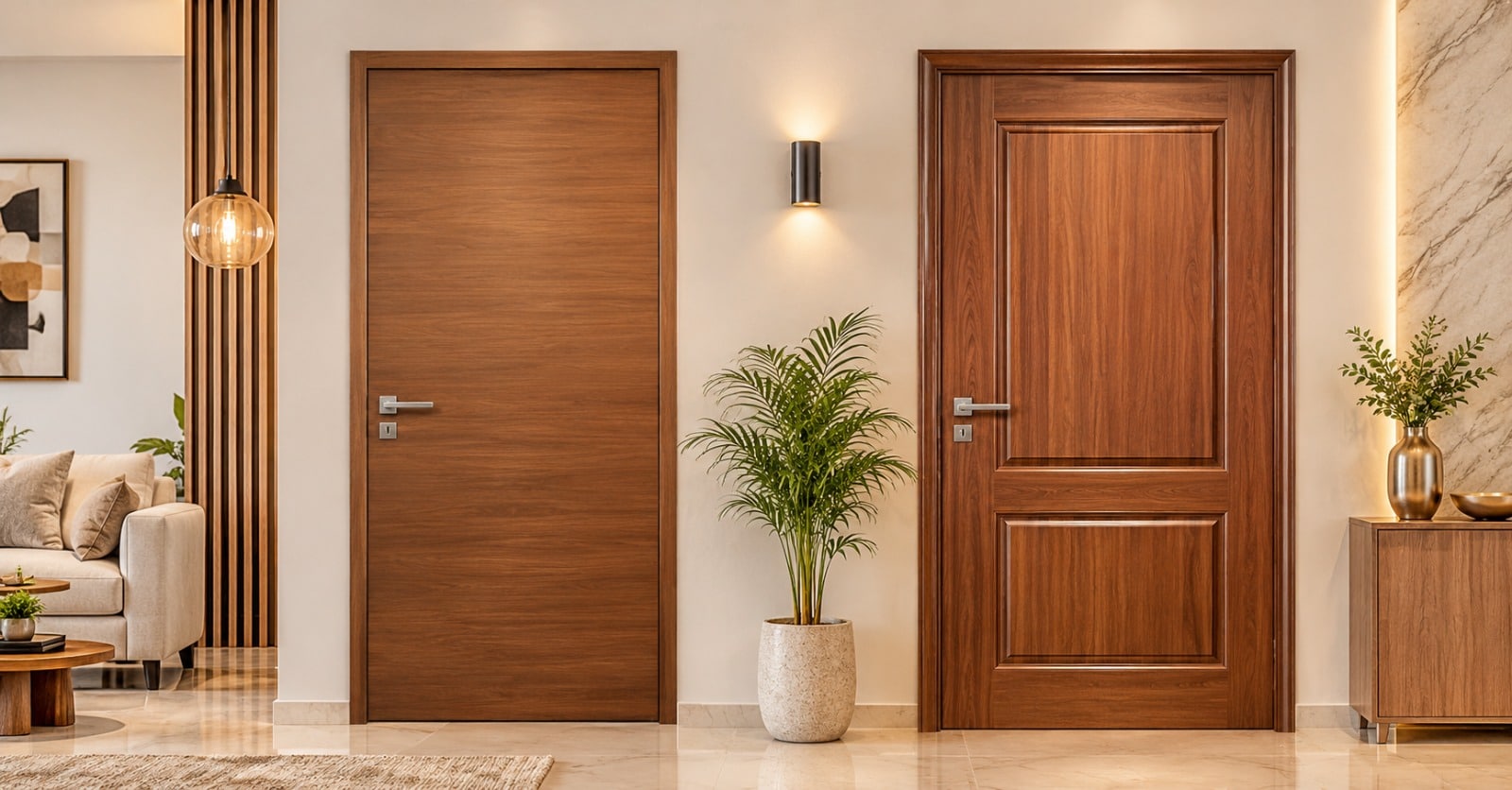
Upgrade the aesthetics and security of your home interiors with WigwamPly sleek, dimensionally stable flush doors.
Conclusion
Great curves start with the right plywood foundation. WigwamPly’s calibrated plywood range offers fabricators and designers consistent thickness for precision furniture and interior applications. Explore suitable options for curved panels, bent plywood furniture and decorative designs. Visit WigwamPly to enquire about product specifications, authorised dealers and bulk or OEM requirements.
Frequently Asked Questions (FAQs)
1. What is moulded plywood?
Moulded plywood is made by bonding wood veneers and pressing them into a curved or shaped form, typically using heat and pressure. It is commonly used for chair shells, sculptural furniture components, decorative panels and other curved interior elements.
2. What is the difference between molded plywood and bent plywood?
Molded plywood is pressed into a mould to create a specific shape, including complex three-dimensional forms. Bent plywood generally refers to plywood or laminated veneers curved over a former, often along a single axis. The terms can overlap depending on the manufacturing process.
3. What are the uses of moulded plywood furniture?
Moulded plywood furniture includes dining chairs, stools, lounge seating, curved cabinet fronts, side tables and sculptural furniture. Related curved plywood applications include wall panels, decorative headboards, reception counters and commercial interior features.
4. What is a moulded wood toilet seat?
A moulded wood toilet seat is typically manufactured from compressed wood fibres or wood-based material, or sometimes shaped veneer layers, and finished with a protective coating. It is a separate bathroom product category, not a standard plywood sheet application.
5. How do I choose a molded plywood manufacturer?
Evaluate veneer quality, bonding performance, base-material specifications, relevant certifications, moulding capabilities, finishing options and production capacity. WigwamPly offers calibrated plywood options that fabricators can assess for suitable furniture and interior projects. Visit wigwamply.com to enquire about product specifications and dealer support.