Offices are no longer simple, productive places.
Brand identity is now reflected in design. The reception desk, conference table, and even the wall panels convey professionalism. This is why modern workplace interiors now emphasize both structure and warmth.
Additionally, there is a noticeable change from laminates to commercial interior veneers. Nowadays, many designers and entrepreneurs wonder why veneers are used in office design.
This blog explains how wood veneer for workstations balances finish, durability, and functionality in commercial spaces.
Why Veneers Are Used in Modern Workspace Design
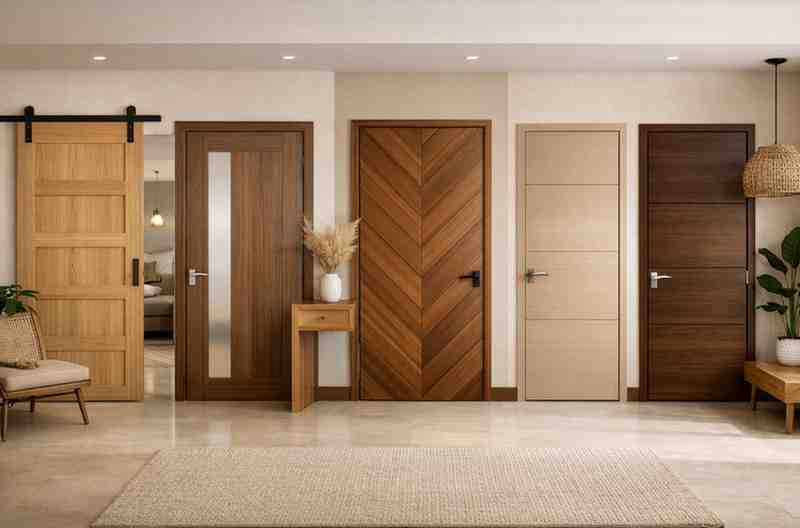
Veneers are used in office design because they provide warmth while being lighter and less expensive than full wood.
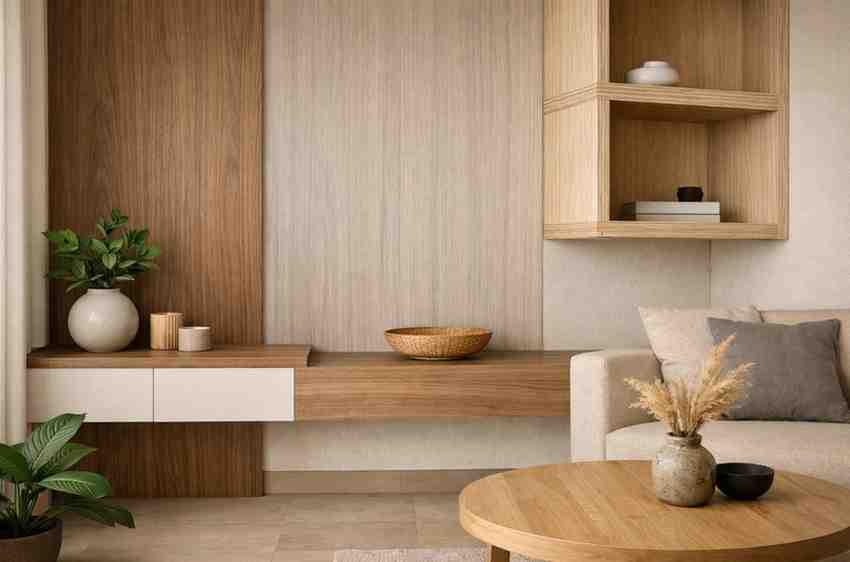
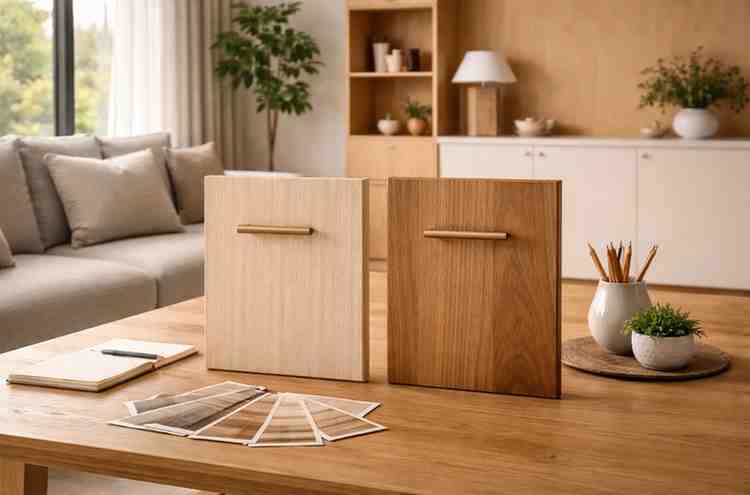
A thin layer of real wood veneer over a plywood core provides a natural grain appearance that laminates cannot match. This enhances office aesthetics by giving areas a more sophisticated and inviting atmosphere.
Veneers also provide a luxurious appearance at a reasonable cost. In commercial projects where cost- effectiveness is crucial, that is important.
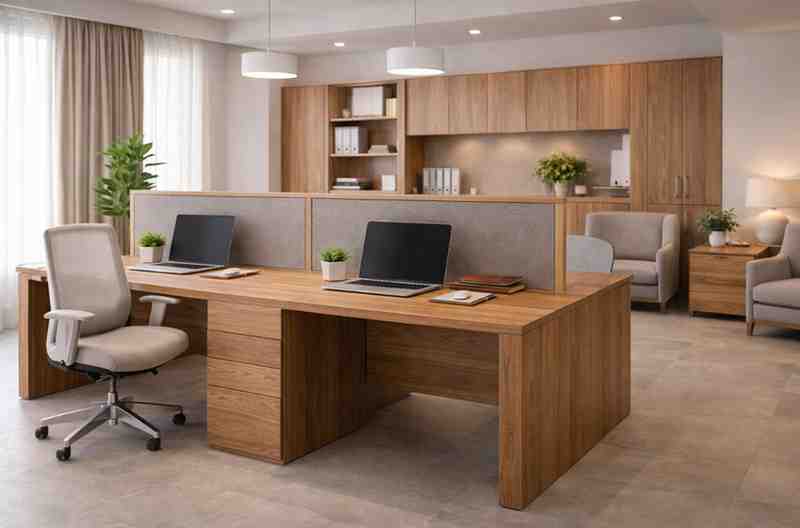
Reception desks, conference tables, feature walls, and dividers often feature veneers. They add visual depth without sacrificing functionality.
Veneers are popular among brand-driven offices since they create a balance between aesthetics and durability.
Check out this detailed guide to explore everything about veneer sheets.
How Veneers Are Used in Modern Workspaces
Veneers are used to define workplace visual personality. Veneer plywood for office workstations is commonly used in:
- Reception Desks
- Conference tables
- Executive cabins
- Wall panels
- Storage cabinets
In some sections, veneer adds warmth and sophistication, while the plywood core ensures durability.
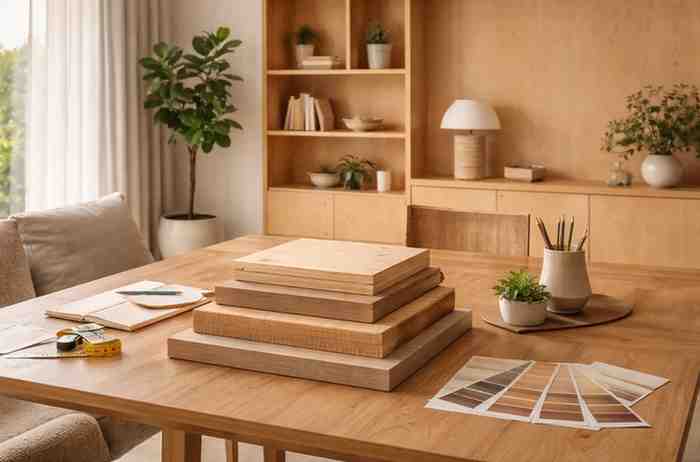
Because veneer plywood is layered and structured, it outperforms solid wood in heavily used office environments where furniture must stay stable over time.
Wood Veneer for Office Furniture – Where It Works Best
Wood veneer for office furniture works best in areas where design and daily use overlap. Veneer helps conference tables look polished and professional. Darker wood tones are commonly used to enhance authority and presence on directors’ desks and executive cabins.
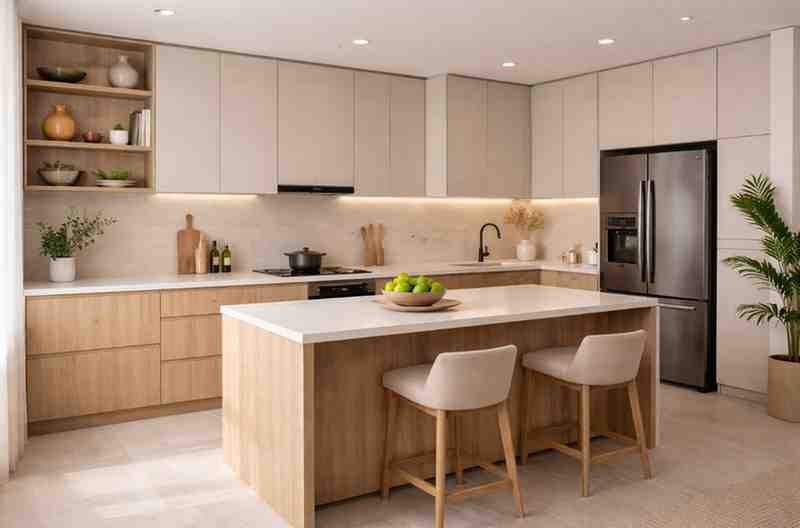
Office furniture veneers are also used in custom cupboards and storage units to maintain a consistent interior layout.
Consider utility when selecting the right veneer finishes for work areas. Matte coatings hide small scratches and are easy to clean. Although high-gloss finishes feel more expensive, they need more maintenance.
Durability is determined by both the veneer layer and the strength of the plywood core below.
Best Veneer Finishes for Office Interiors
Different finishes work well with different kinds of modern office spaces.
Natural, Matte Finishes
Perfect for minimalist, professional workspaces. They have a delicate, clean texture.
Smoked and dark walnut tones
They are usually found in high-end meeting rooms and professional boardrooms. They provide a powerful visual impression.
European and Light Oak Tones
Used in creative studios and collaborative workspaces where brightness is important.
Brushed and Textured Veneers
Ideal for statement walls and brand-focused offices that require a unique character.
The ideal veneer options for office interiors will depend on whether you want a formal, artistic, or cohesive atmosphere.
Veneer Plywood for Commercial Interiors – Durability & Performance
Commercial interior veneer plywood blends reliability and aesthetic appeal. Compared to solid wood, the layered plywood core reduces the chances of warping. This makes it ideal for occupied offices and commonly used furniture.
It performs well under moderate temperature changes, making it suitable for air-conditioned commercial spaces. Maintenance is simple. The finish can last for years with regular cleaning and avoiding high moisture.
Veneers for commercial interiors are made with a balance between the look of natural wood and build quality.
Conclusion
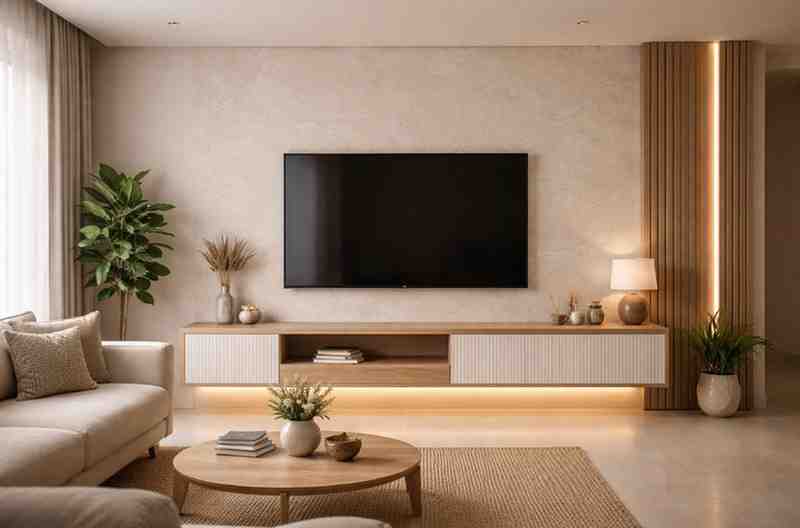
Modern office spaces are made cozier and more elegant with veneer surfaces.
Wood veneer is a popular option for business interiors because it offers a mix of durability, pricing, and design.
When used effectively, veneer plywood for business interiors boosts both performance and aesthetics.
If you’re considering an office renovation, check out high-quality veneer plywood options from Wigwam Ply for a polished look with solid support.
FAQs
1. How are veneers shaping modern workspace design?
Veneers add warmth and natural texture to modern workspace design. They help offices feel professional yet welcoming without using heavy solid wood.
2. Why are veneers becoming popular in office interiors?
They offer a premium wood look at a controlled cost. Veneers balance aesthetics and practicality, which suits brand-focused office interiors.
3. What types of veneers are best for workspaces?
Walnut, oak, and light Scandinavian veneers are popular. Matte and textured finishes work well in professional environments.
4. Are veneers suitable for commercial office furniture?
Yes, veneer plywood is widely used for conference tables, reception desks, and cabinets. A strong plywood core makes it stable for regular office use.
5. How do veneers compare to laminates in workspaces?
Veneers are made with real wood and look more natural. Laminates are more uniform and easier to maintain, but they lack the depth of real wood grain.
6. Are veneer finishes durable for high-traffic offices?
Yes, when applied to quality plywood and properly finished. Durability depends on surface protection and regular maintenance.
7. Do veneers support sustainable workspace design?
Yes, veneers use thin slices of wood over plywood, making timber usage more efficient. This supports responsible material use in workspace design.
8. Can veneers improve the aesthetics of modern offices?
Yes, veneers enhance office aesthetics by adding texture, depth, and a refined wood finish that laminates cannot fully replicate.
9. Are veneers cost-effective for large workspace projects?
They are more affordable than solid wood while still delivering a premium look. For large projects, veneer plywood offers a balanced cost-to-design ratio.
10. What veneer finishes are trending in future workspaces?
Matte natural tones, dark walnut, smoked finishes, and light oak are trending. Textured and brushed veneers are also gaining popularity in modern offices.