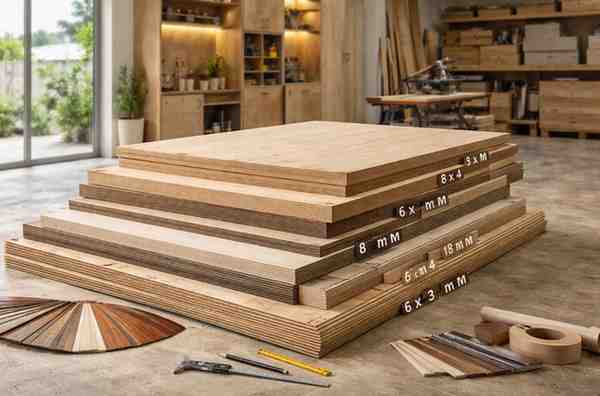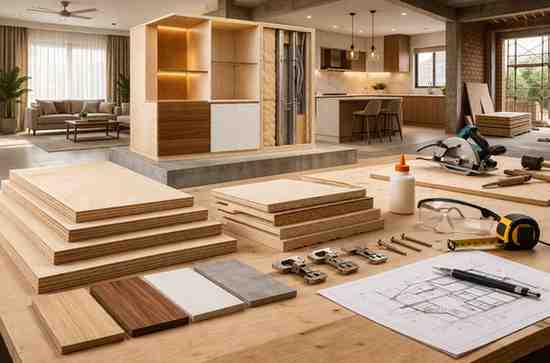
These days, wall panels are used for much more than merely decorating walls. They enhance soundproofing, control moisture, shield surfaces, and strengthen a room’s structure. That is why most homeowners are using wall panels instead of just paint or wallpaper.
But trends and décor talk are not the focus of this guide. It is a purchasing guide that helps you with which wall panels work where, why, and what factors to consider before selecting one for your house.
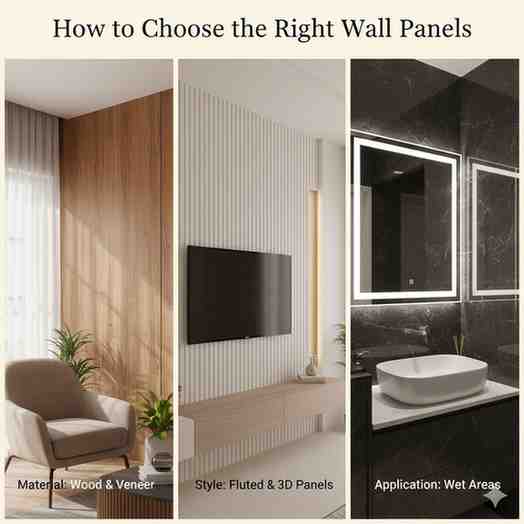
Types of Wall Panels You’ll See in Homes
There are various wall panel options, and each has a certain role. This is a brief explanation.
Paneled walls made of wood
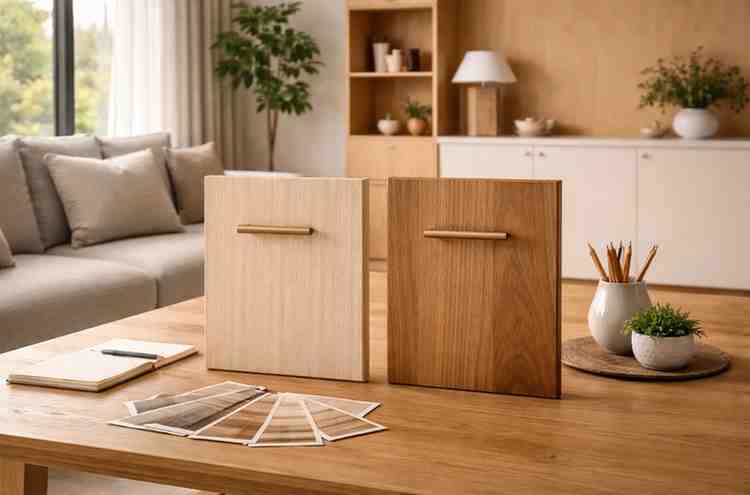
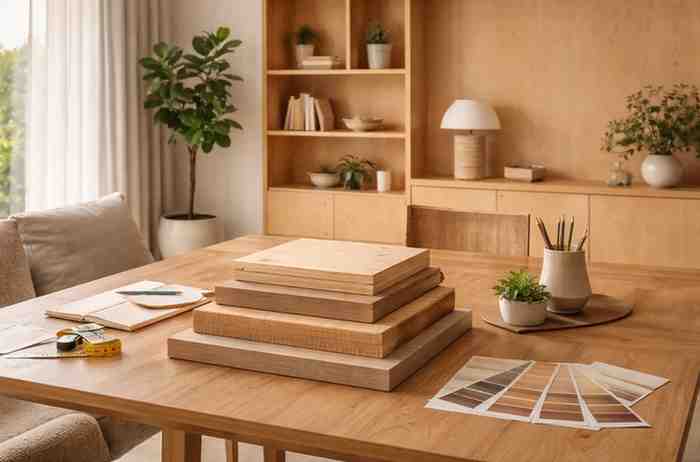
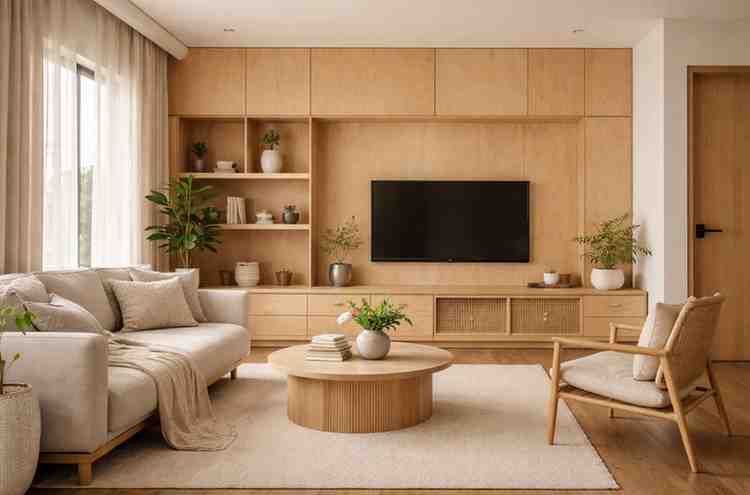
Wooden wall panels give rooms a cozy, organic vibe. In living rooms and bedrooms, where aesthetics are just as important as comfort, it is often used
MDF panels for walls
MDF wall panels are smooth and simple to work with. They are ideal for modern wall panel design ideas, particularly those that require clean lines, grooves, or painted finishes.
PVC panels for walls
PVC wall panels are widely used because they are reasonably priced and effectively manage moisture. In bathrooms and kitchens where water resistance is important, they are commonly used.
3D Wall Panels
3D wall panels have basic wall dimensions and quality. Instead of filling the full space, they are usually used as emphasized walls.
Acoustic wall panels.
The purpose of acoustic wall panels is to regulate sound. They are helpful in areas where noise reduction is essential, such as media rooms, study rooms, and home offices.
Check out this detailed guide on blockboard to know everything about them.
Choosing Wall Panels Room by Room
Different rooms require different wall panels.
- Living areas: For living spaces, wall panels should strike a balance between creativity and durability. Decorative wall panels or wood wall paneling look great here, especially on highlight walls.
- Restrooms: Waterproof wall panels are necessary in bathrooms. PVC wall panels are a popular option due to their high resistance compared to many other materials.
- Kitchens: Moisture-resistant, easily cleaned wall panels are ideal for kitchens. Panels near sinks or kitchen areas should be carefully selected.
- Workspaces or study spaces: Acoustic wall panels would be ideal in this situation. They enhance focus and lessen resonance without altering the style.
Design Ideas That Actually Work
While some wall paneling ideas appear beautiful in pictures, they are not long-lasting. Usually, these do.
- Spaces are kept balanced with feature walls rather than entire paneling.
- Rooms with vertical panels look taller.
- Narrow areas appear wider when horizontal panels are being used.
- Compared to intricate patterns, simple designs age better.
When designing modern wall paneling for house interiors, keeping things simple is usually the best option.
Installation and Maintenance Basics
The material and surface are key factors in wall panel installation.
- DIY is suitable for lightweight panels and small spaces.
- For large walls or heavy panels, professional installation is preferable.
- In humid climates, regular wiping and sufficient ventilation can help panels survive longer.
When used properly, wall panels require minimal maintenance.
What to Consider Before Finalising
Before selecting wall panels, consider the following crucial factors:
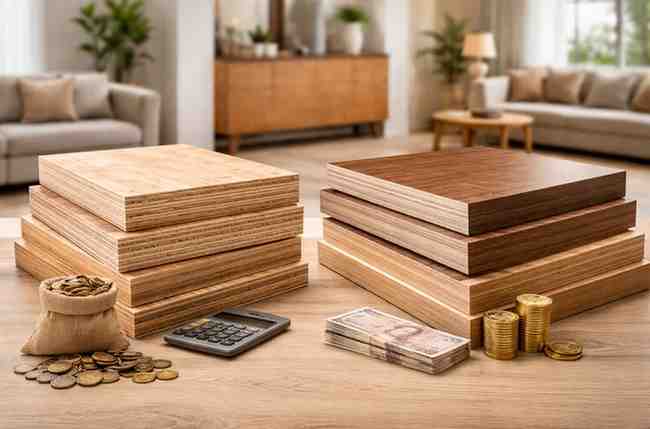
- Cost vs. lifespan: Less expensive panels may require replacement sooner.
- Room Conditions: The major factors of room are moisture, heat, and regular use.
- Repair ease: Replacing some panels is simpler than replacing others.
These quick checks will prevent you from regretting later.
Conclusion
Wall panels are a smart choice when they solve a real problem—like covering damaged walls, reducing maintenance, or instantly improving how a room looks. The performance and quality are usually more important than the actual design.
When designing wall panels for daily use, it is beneficial to select long-lasting and user-friendly boards. Wigwam Ply offers a wall panel for household use, where polish and durability are just as important as the wall’s first appearance.
FAQs
1. What are wall panels and wall boards?
Wall panels and wall boards are wall coverings that provide protection, design, or utility, such as moisture resistance or sound management.
2. What types of wall panels are available?
The common varieties are wood wall panels, MDF wall panels, PVC wall panels, 3D wall panels, and acoustic wall panels.
3. Which wall panels are best for bathrooms?
Waterproof wall panels, specifically PVC wall panels, are ideal for bathrooms.
4. How do I choose the right wallboard for my room?
Check the room’s use, exposure to moisture, and design requirements. The ideal wall panel fits all three.
5. Are wall panels better than paint or wallpaper?
In addition to having a longer lifespan, wall panels provide insulation and protection. Although they are less durable, paint and wallpaper are easy to replace.
6. Do wall panels help with sound insulation?
Indeed, acoustic wall panels are made expressly to control noise and lessen echo.
7. What are the latest wall panel design trends?
Simple textures, neutral finishes, and minimal feature walls are currently chosen over complex designs.