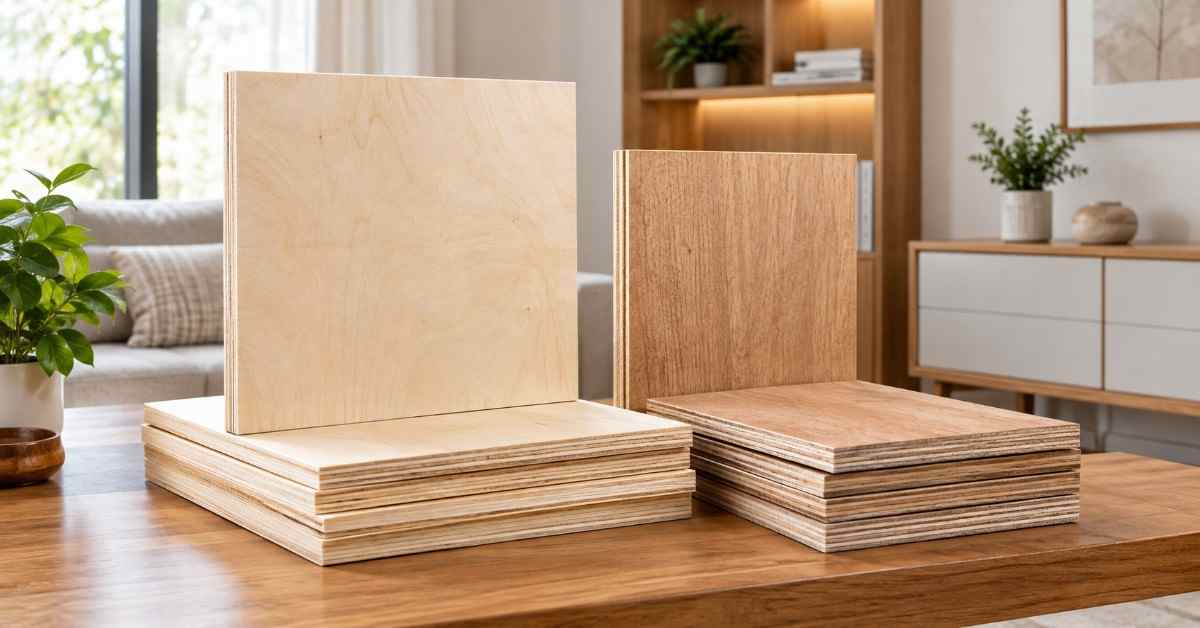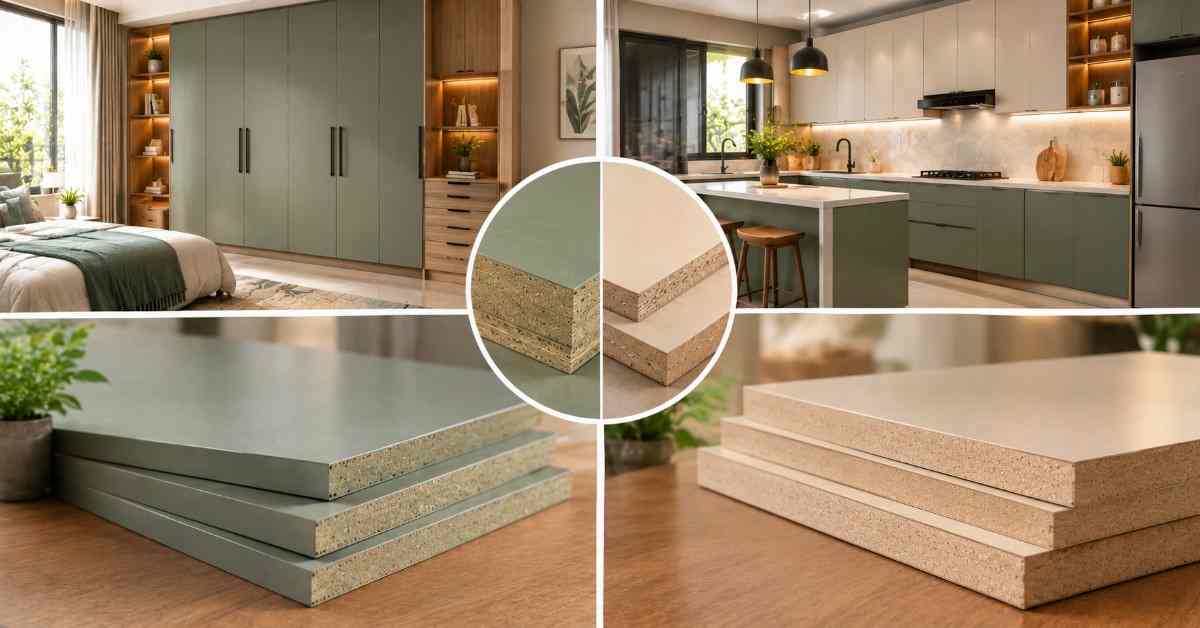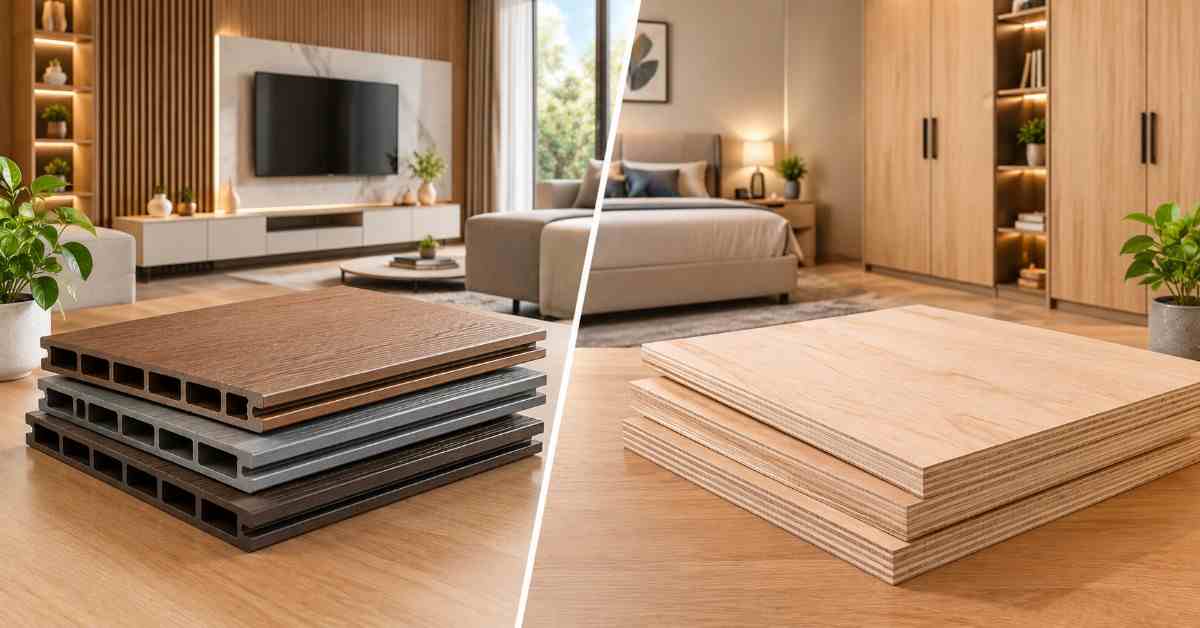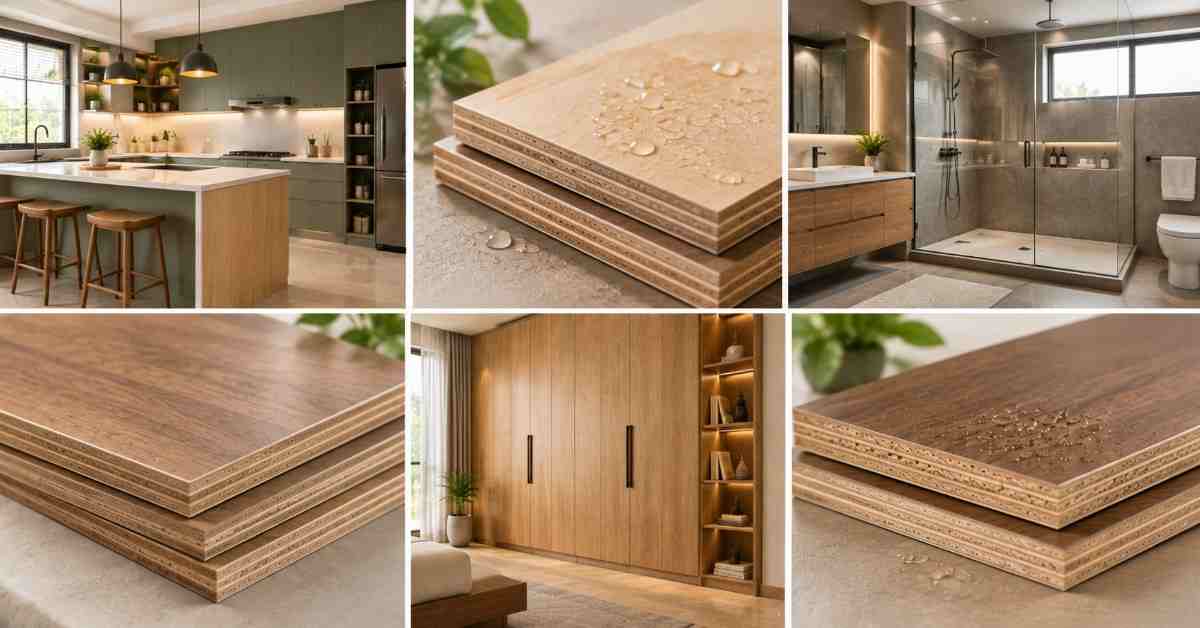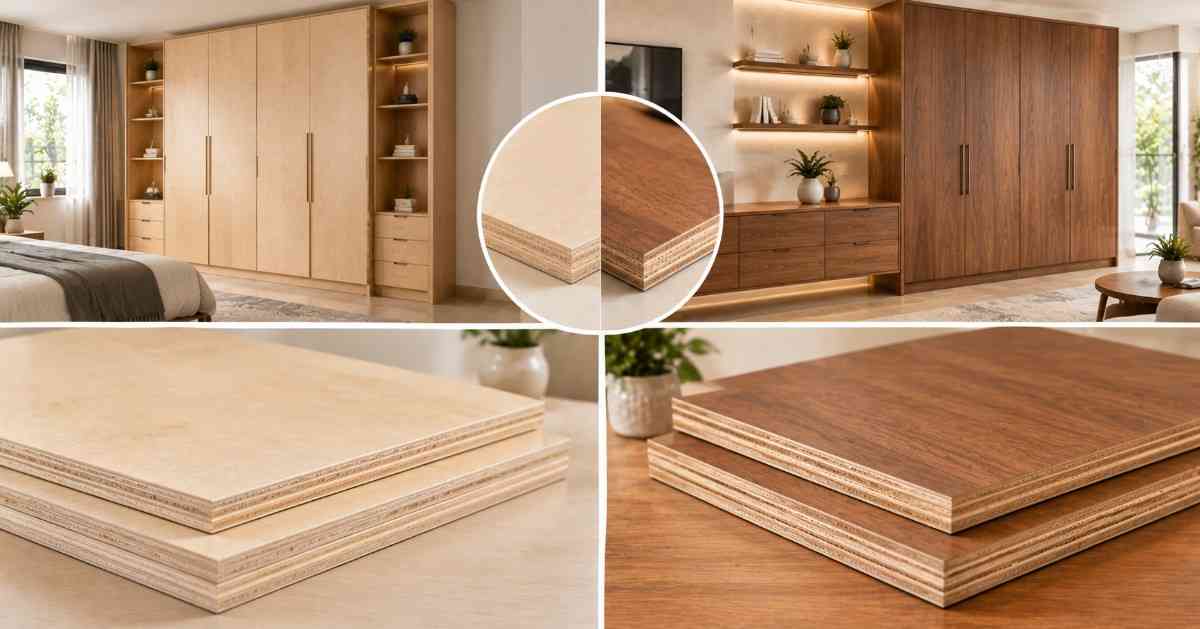
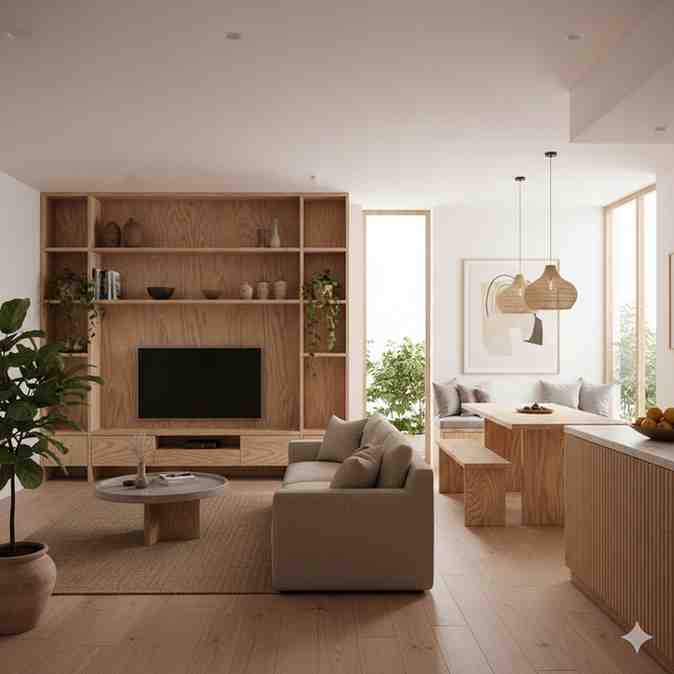
Interior designers typically concentrate on the final product’s appearance. What gets less attention is how long those materials will last after years of daily use. Here, plywood has gradually become a standard component of contemporary homes. These days, it’s more than just furnishings. Plywood is used for storage and complete interior construction because it is strong, flexible, and useful in daily life. Over time, the advantages of plywood for household spaces become obvious in terms of durability and adaptability.
In this blog, we will share how plywood perfectly matches your home. By the end of this, you will be aware of those approaches and how to use them accordingly.
Table of Contents
Toggle1. Strong Enough for Everyday Home Furniture
One of the primary reasons plywood is so popular at home is its robustness. Weak materials begin to show problems early. Furniture faces stress from weight, movement, and regular use. Plywood is resistant to this strain and is significantly less likely to crack or split over time.
Additionally, it securely holds screws, preventing furniture from loosening over the years. For this reason, beds, couches, wardrobes, and storage units frequently employ plywood. Plywood is the ideal material for furniture in most homes because of its durability.
2. Perfect Fit for Modern Home Interiors
Clean lines and finishes that don’t appear heavy or uneven are usually needed in modern homes. Plywood works well in this case. Its seamless structure enables sharper edges and a more consistent finish than many traditional materials.
Additionally, it works well with veneers and laminates, making it simpler to generate multiple looks without altering the underlying material. Plywood adapts well to both classic and minimalist designs, which is why it is so frequently used in modern homes.
Check out the Wigwam Ply guide section to explore more about custom design ideas and the latest trends in furniture.
3. Ideal Material for Kitchens and Wardrobes
When the choice of materials is incorrect, kitchen and wardrobe issues typically appear first. Shelves start sagging, fittings loosen, and doors no longer sit properly. Plywood resists this type of regular strain better, which is why it is usually used in storage-heavy furniture.
Additionally, it performs well in modular configurations where alignment and dimensions are crucial. When the proper grade is used, plywood tends to remain stable in these regions, which is why it is commonly used for kitchen cabinets and wardrobes.
4. Long-Lasting and Durable
Over time, you’ll discover that plywood is designed to remain stable. Furniture is less likely to flex or twist when conditions vary. Compared to other materials, plywood is less likely to distort, especially when correctly fitted.
Pieces produced with high-quality plywood typically maintain their shape for years. This is why people prefer to use long-lasting plywood for home furniture rather than changing it frequently.
5. Easy to Customise for Any Room
Plywood is useful because not all rooms fit into typical sizes. Custom furniture is easier to plan because it can be cut and altered with ease. Plywood can be used for wall panels and partitions, cupboards, and shelves.
It is used in numerous areas of a house because of its adaptability. When people discuss the uses of plywood in home interiors, they usually refer to these common applications.
6. Cost-Effective Without Looking Cheap
Although solid wood has a nice appearance, it isn’t necessarily useful for every area of the house. A more balanced alternative is plywood. When done right, it offers strength and a clean finish at a lower cost.
Additionally, maintenance is simpler, which is important in the long run. Plywood furniture typically lasts long enough not require frequent replacement when used properly. That is one of the primary benefits of using plywood for furniture.
Check maintenance tips for water-resistant plywood furniture so it lasts longer.
7. Available in Multiple Types for Home Use
Plywood’s versatility is one of the reasons it performs well in homes. Different grades are intended for moisture-prone areas and dry rooms. Additionally, the thickness varies depending on whether the plywood is used for panels, shutters, or furniture.
This allows homeowners to choose what best suits their needs rather than utilizing the same material everywhere. The flexibility is determined by the variety of plywood used in houses every day.
8. A Smart Choice for Indian Homes
Indian homes face heat, humidity, and daily wear and tear. Plywood works well because it has been used in these conditions for years. It handles daily use and has design flexibility without losing strength. The benefits of plywood for residential settings are evident in the durability of furniture under frequent use.
The Bottom Line:
Plywood isn’t something most people think about once the furniture is installed, but it plays a larger part than it is given credit for. When the proper grade is applied, it silently supports everyday tasks by maintaining shape, bearing weight, and remaining dependable over time. This is when plywood’s true advantages in home interiors become apparent, not only in terms of appearance but also in terms of how well everything works.
If you’re planning an interior or furniture project and need a stable starting point, check Wigwam Ply to move with confidence and avoid problems later.
FAQs
1. What are the key benefits of using plywood in a home?
In most homes, plywood works well because it quietly supports daily life without creating issues. It handles regular use, weight, and movement better than many materials people try to save money on. Over time, the benefit comes from fewer repairs and furniture that still feels solid. That reliability is why plywood is used across interiors, not just in one corner of the house.
2. Is plywood good for home furniture?
Plywood is actually one of the safer choices for home furniture when the right grade is used. Furniture goes through a lot—doors opening and closing, shelves carrying weight, beds taking a load every day. Plywood manages this kind of stress well and holds fittings firmly. That’s why wardrobes, beds, and cabinets made with good plywood usually age better.
3. How does plywood protect against fire?
Plywood itself doesn’t stop fire, but certain treated varieties slow things down. Fire-retardant plywood is designed to resist ignition and flames. This doesn’t make furniture fireproof, but it can help limit damage and give extra response time, which is why such plywood is used in many residential and commercial interiors.
4. What makes plywood termite and borer-proof?
Good plywood is treated with chemicals during manufacturing to protect it from termites. This treatment helps stop insects from attacking the core of the board. Pest damage starts inside and remains unnoticed for a long time, which is why this protection is essential. When proper treatment is combined with correct installation and dry conditions, furniture stays safer and lasts longer.
5. Can plywood improve the look of my home interiors?
Yes, and often in ways people don’t immediately notice. Plywood provides a smooth, uniform base, which helps laminates and veneers sit evenly. This results in cleaner edges and better finishing. Whether the interior style is modern or traditional, plywood makes it easier to achieve a neat and consistent look.
6. Does plywood come with a warranty?
Most well-known plywood brands offer a warranty, but it applies only to manufacturing defects. Issues caused by water exposure beyond recommended use or poor installation are often excluded. Checking the warranty terms and keeping purchase bills makes it easier to take advantage of that coverage later.