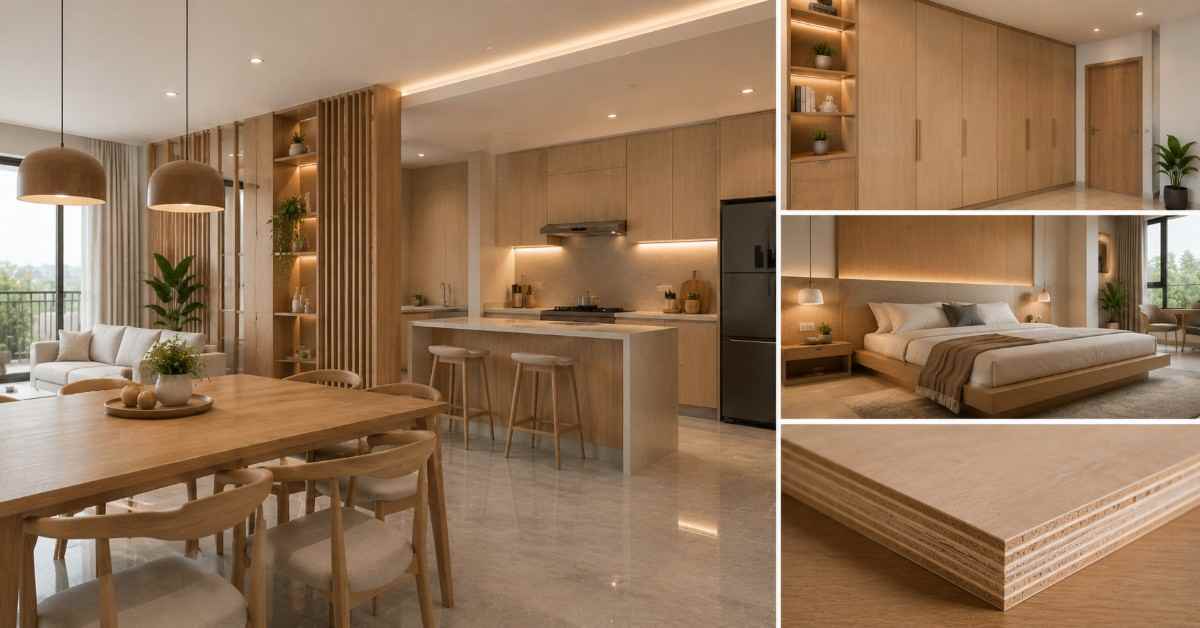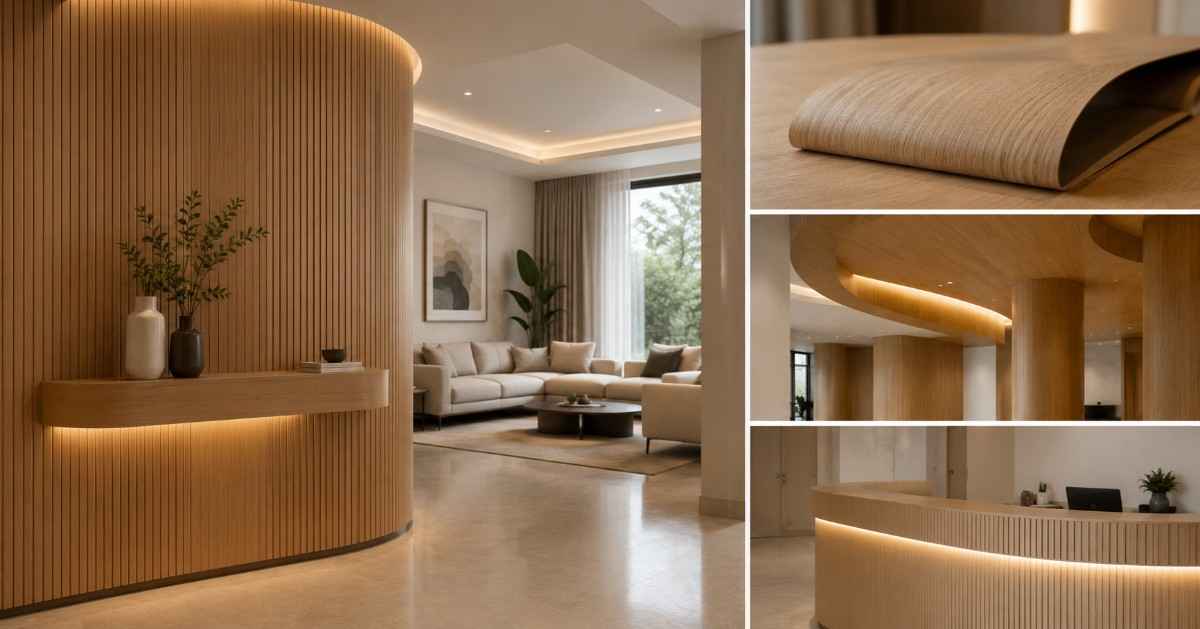
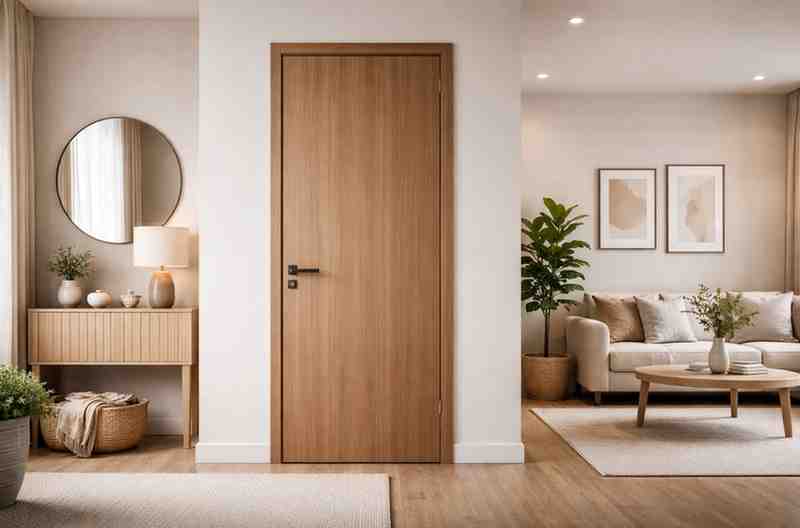
In contemporary homes, flush doors have subtly emerged as the preferred option. They’re everywhere, from bedrooms and bathrooms to wardrobes and workstations, and for a good reason. Flush door designs are a perfect fit for today’s interior door trends because of their simple form, clean surface, and ease of adaptation.
Beyond appearances, however, the most important consideration is how long-lasting flush doors perform with regular use. An interior door isn’t just about style, after all. It must withstand years of opening and closing, rain, shifting weather, and regular use without losing its strength or finish.
This guide explains how long flush doors last, where they work best inside your home, and simple ways to maintain them.
What Are Flush Doors?
Flush doors are doors with a smooth, flat surface and no raised panels or carvings. Unlike traditional panel doors that focus heavily on design details, a flush door design keeps things clean, minimal, and functional. That’s exactly why they fit so well into modern homes.
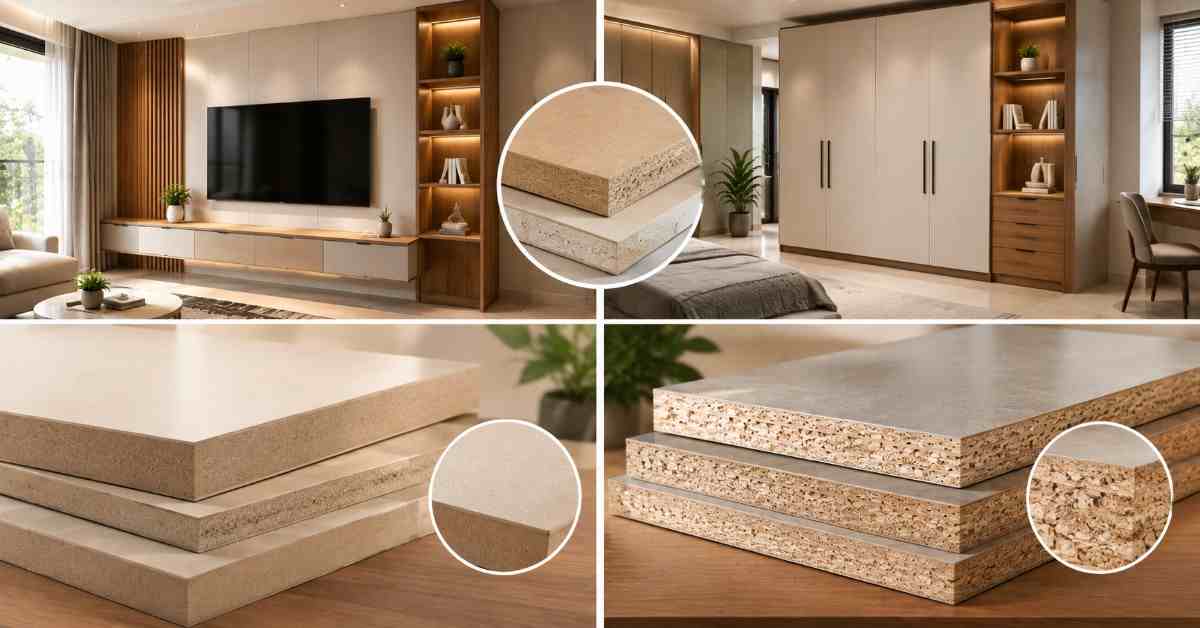
These doors are usually made by fixing a solid or hollow core between layers of plywood or other facing materials. This construction gives them strength while maintaining a sleek look. Because there are no grooves or decorative cuts, flush doors are also easier to maintain and less prone to dust buildup.
Homeowners often prefer flush doors for interiors because they blend effortlessly with different décor styles, last longer with everyday use, and offer better value over time compared to ornate panel doors.
How Durable Are Flush Doors?
Flush doors are resilient to handle everyday use with ease, and their durability largely depends on the core material used inside. Plywood flush doors with a solid core offer strong resistance to daily wear, minor impacts, and long-term use, making them a reliable choice for interior spaces.
They are also less prone to warping or bending, even with slight changes in temperature or indoor humidity. In comparison, hollow core flush doors are lighter and more suitable for low-traffic areas, but they don’t offer the same level of strength. For most interiors, solid plywood-based flush doors strike the right balance between durability and performance.
If you’re thinking of going for flush doors, you should also check out the benefits of flush doors for your home.
Types of Flush Doors Based on Finish
The finish of a flush door mainly affects how it looks and how much care it needs later. Different finishes suit different rooms, so choosing the right one makes everyday use easier.
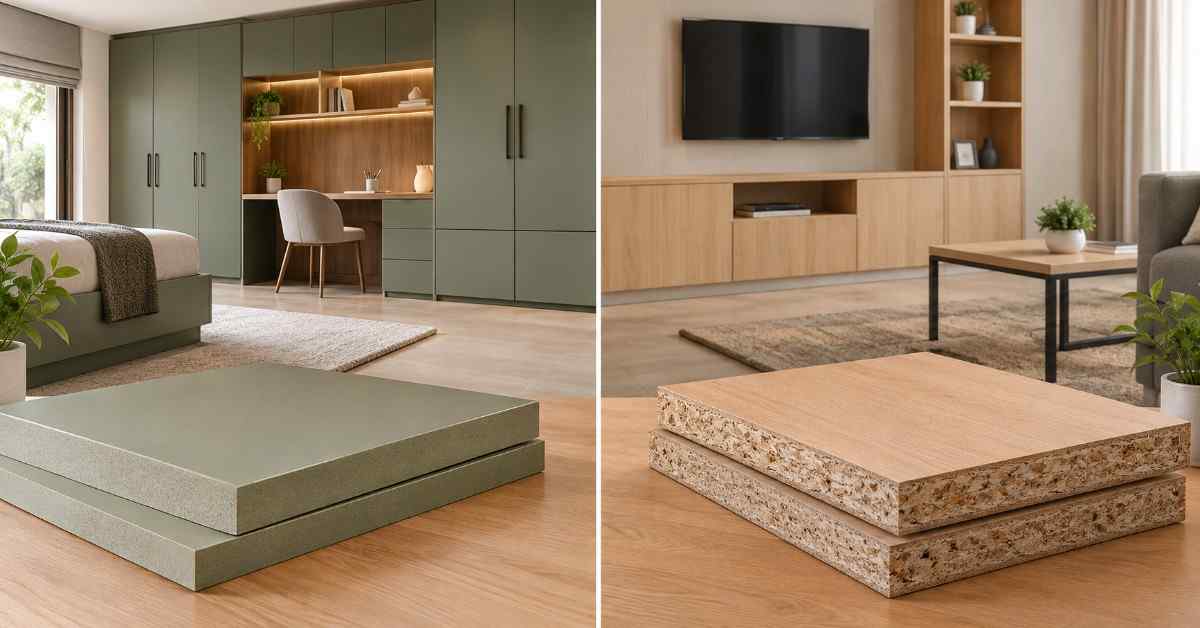
Laminated Flush Doors: These doors are easy to live with. They don’t scratch easily, don’t need much cleaning, and hold up well in busy areas. That’s why laminated flush doors work best in living rooms, kids’ rooms, and home offices where doors are opened and closed often.
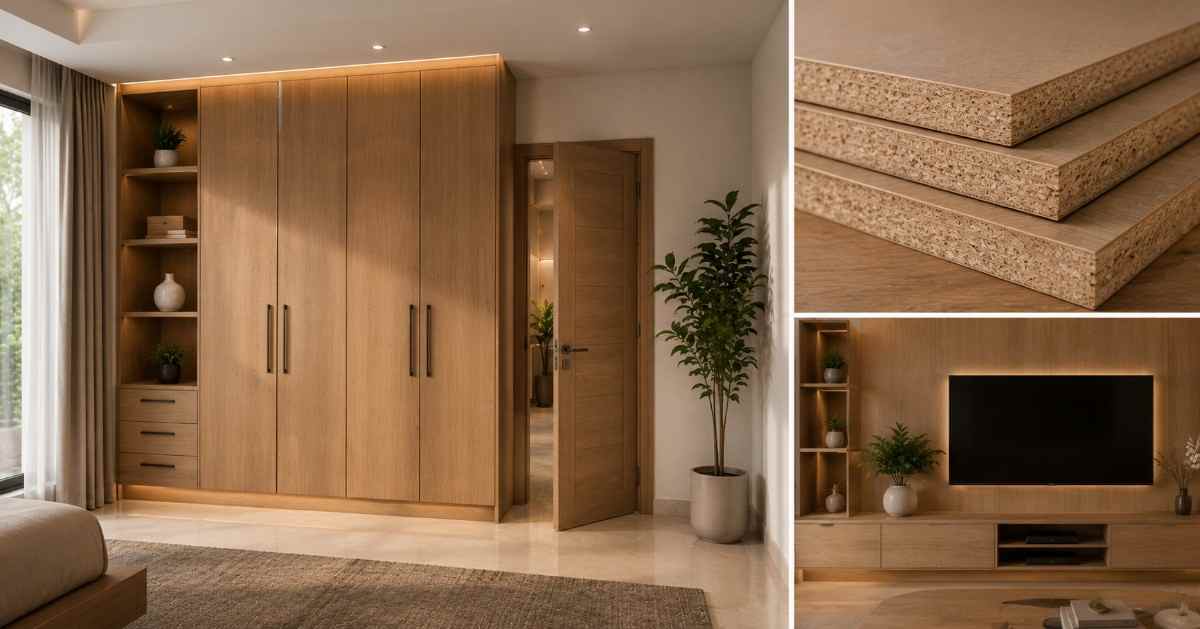
Veneer Flush Door Design: Veneer flush doors are chosen more for their look. They give a natural wood feel and make a space look warmer. These are usually a good fit for bedrooms or areas where the door isn’t used too roughly every day.
Wood-Finished Flush Doors: Wood-finished flush doors have a more traditional look. They add character to interiors but need a bit more care to maintain their finish over time, especially compared to laminate options.
In the end, the right finish depends on how the space is used and how much maintenance you’re comfortable with.
Interior Applications of Flush Doors
Flush doors work well in almost every part of the home due to their clean, simple look and easy maintenance.
- Bedrooms: Flush doors have a neat, modern feel and hold up well to daily use. For these dry areas, MR (Moisture Resistant) plywood is a great choice. Doors made with MR plywood are sturdy, practical, and affordable perfect for bedrooms, living rooms, or study spaces.
- Bathrooms and Wet Areas: In spaces like bathrooms, kitchens, or laundry rooms, moisture can be a problem. That’s where WP (Boiling Water Proof) plywood comes in. Flush doors made with WP plywood resist water and humidity, keeping them strong and durable, so you don’t have to worry about replacing them often.
- Wardrobes and Storage: Flush doors are smooth and lightweight, making them ideal for closets and storage areas.
- Home Offices and Workspaces: Their clean lines and modern interior doors help keep workspaces organized and uncluttered.
Overall, flush doors are flexible and practical for every room. Picking the right core material and finish ensures they last long and look good for years.
Flush Door Price
The cost of a flush door depends on a few things, mainly the material inside, the finish, and the type of core. Solid-core plywood doors usually cost more, but they last longer and handle daily use much better. Hollow-core or MR-grade doors are lighter and cheaper, making them suitable for areas that aren’t used as much.
The finish can also affect the price. Laminated doors are practical and low-maintenance, while veneer or wood-finished doors look more premium but may cost a bit more.
At the end of the day, choosing the right flush door is about balancing your budget, the room where it will be used, and how long you want it to last.
Maintenance Tips for Flush Doors
Taking care of flush doors doesn’t have to be complicated. So maintaining is the key to keeping them long-lasting for years. Here’s how you can do:
- Wipe regularly, but don’t overthink it: A soft cloth with a bit of mild soap does the job. No need for harsh chemicals, they can do more harm than good.
- Hinges and screws: Every now and then, peek at the hinges and tighten any loose screws. A drop of oil on squeaky hinges keeps things smooth.
- Keep moisture in check: Bathrooms and kitchens can be tricky. Make sure the edges are sealed and the room gets some airflow. It’ll stop the door from warping.
- Be gentle: Try not to slam doors. And if sunlight hits the door all day, it can dull the finish, so a little care goes a long way.
- Freshen up when needed: If the door starts looking a bit tired, a light coat of varnish or sealant can make it look almost new again. It’s an easy fix.
When going for flush doors, don’t forget to check out these trending materials to use and elevate your home interiors.
Choose the Right Flush for Your Home
Picking a flush door is easier when you know how and where it will be used. Think about the room, the level of use, and the finish you prefer. For wet areas like bathrooms, moisture-resistant options work best, while MR-grade or laminated flush doors are perfect for bedrooms and living spaces.
For doors that are both strong and stylish, check out Wigwam Ply. Their range of flush door designs fits modern interiors and everyday life, helping your home look neat, polished, and worry-free for years.
FAQs
1. What are flush doors used for in home interiors?
Flush doors are great for almost any room bedrooms, bathrooms, wardrobes, even your study. The flat surface makes them easy to clean, and they don’t clash with your room’s style.
2. Which is better for interiors: flush doors or panel doors?
If you want something simple, modern, and easy to maintain, flush doors are your friend. Panel doors look pretty, but the grooves collect dust and need more work to keep clean.
3. What is the standard thickness of interior flush doors?
Most are around 30–35 mm thick. Hollow doors are lighter and work for closets or less-used rooms, while solid ones feel sturdy for main doors.
4. Are flush doors waterproof and suitable for bathrooms?
Regular flush doors don’t like moisture. For bathrooms or kitchens, go for WP plywood doors they handle water better and won’t warp easily.
5. How much does an interior flush door cost in India?
It depends on the material and finish. Hollow-core or MR-grade doors are cheaper. Solid-core or laminated ones cost more but last longer so think of it as paying a bit now to save later.
6. Which material is best for interior flush doors?
Plywood flush doors are a safe bet. Solid-core is strong and durable, MR-grade works fine for dry rooms, and both are easier to maintain than regular wood.
7. Can flush doors be customized with laminates or veneers?
Yes, and it’s worth it if you care about how the door looks. Laminates are practical and low-maintenance. Veneers give that natural wood feel good for bedrooms or living areas.
8. Are flush doors soundproof for bedroom interiors?
Not really. They cut down some noise, but if you want a quiet bedroom, solid-core doors work better than hollow ones.
9. What are the advantages of using flush doors inside homes?
They’re easy to clean, simple to install, don’t take up much space, and last long if you pick the right material. Basically, they make your life easier and your home look neat.
10. How to maintain and clean interior flush doors?
Wipe them with a soft cloth now and then. Check hinges every few months, don’t slam doors, and for bathrooms, pick moisture-resistant doors. A quick varnish or sealant now and then keeps them looking fresh.