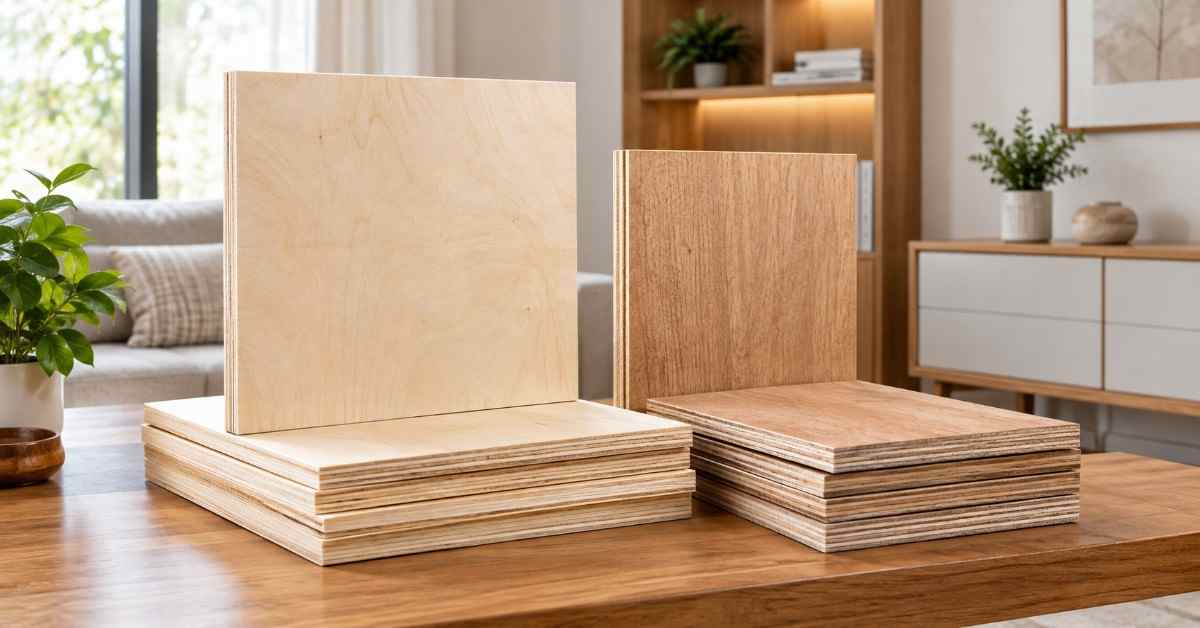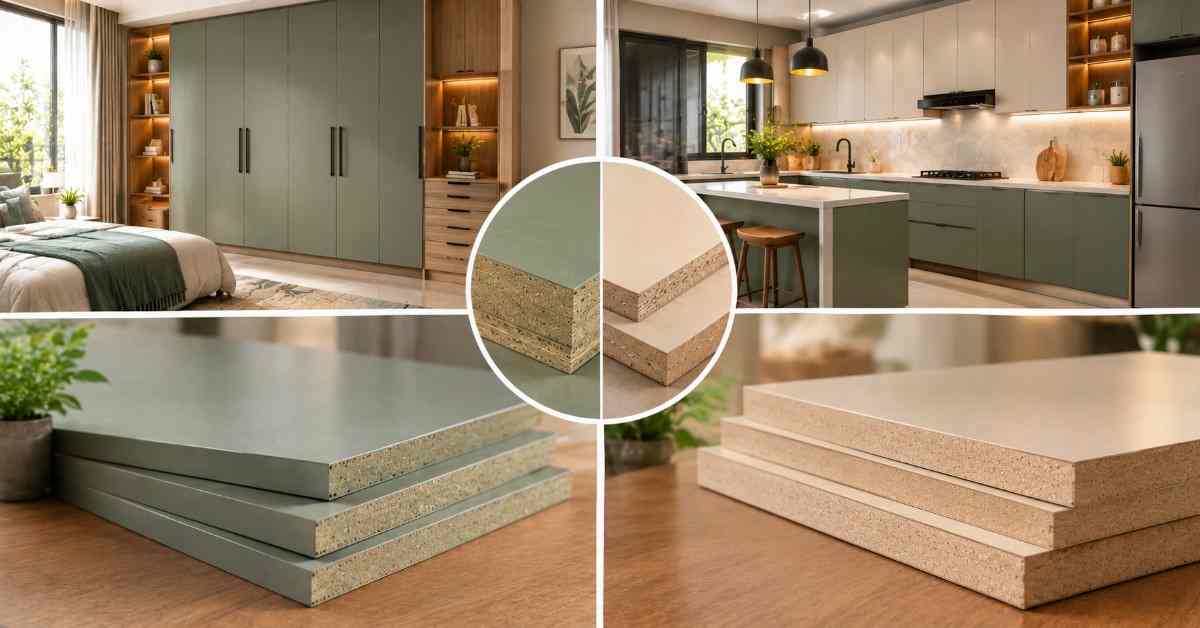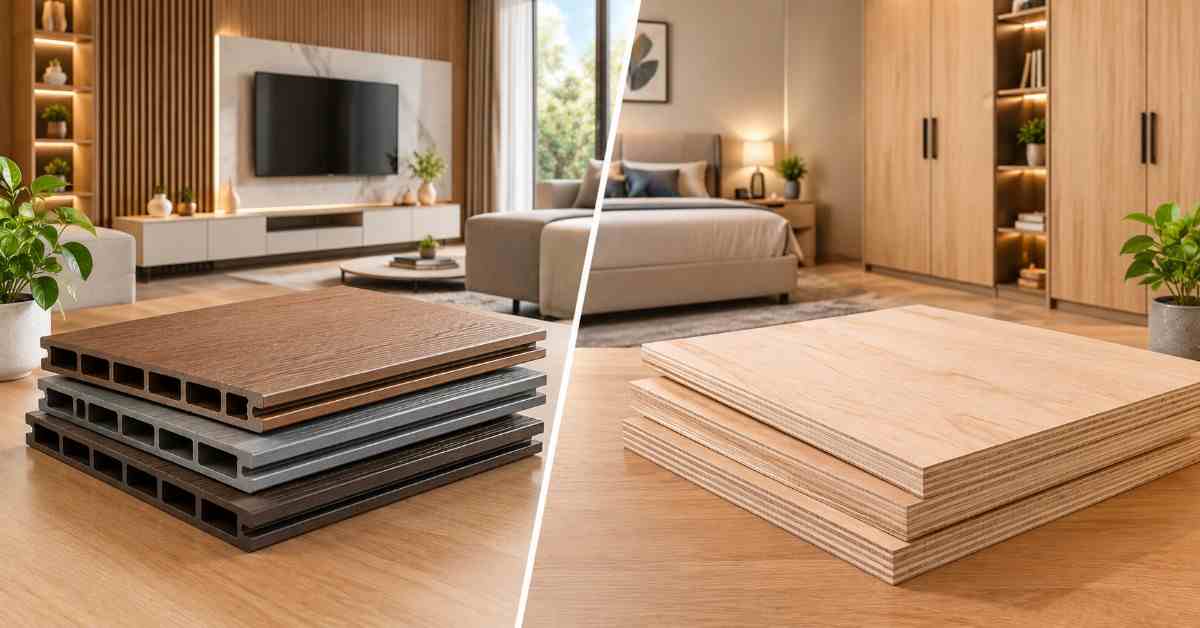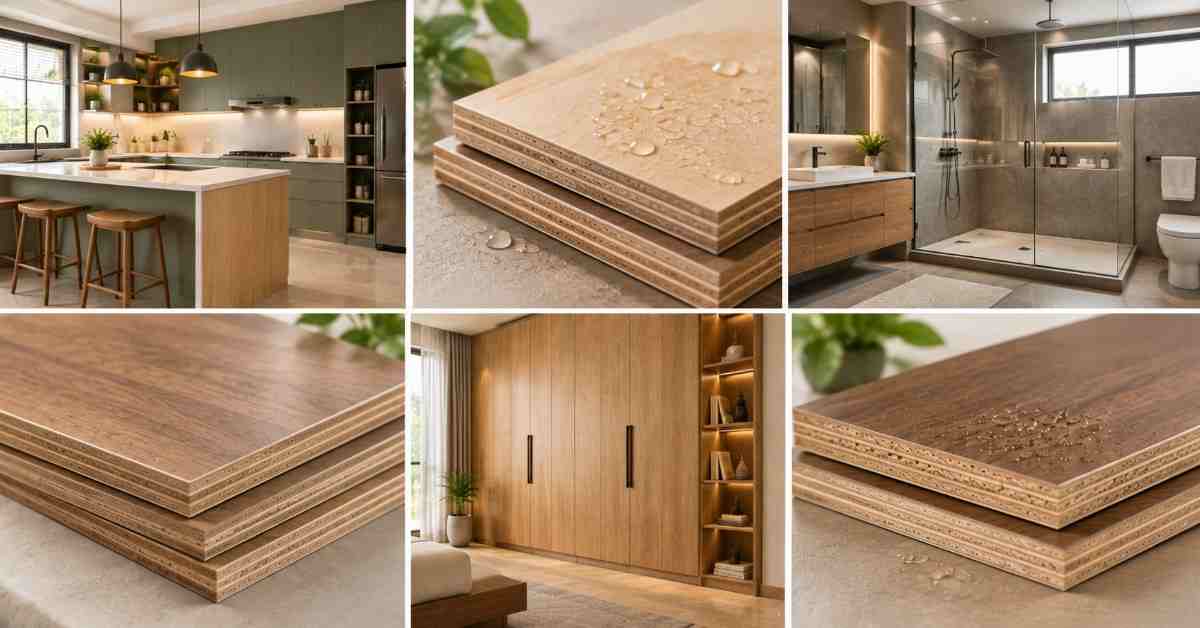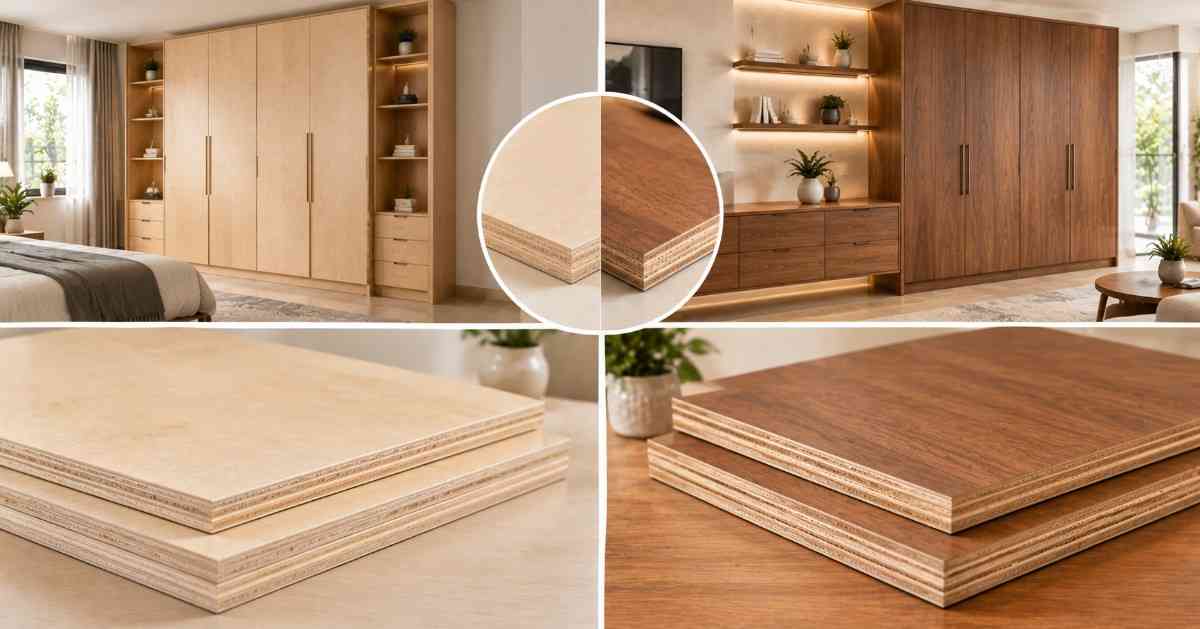
Veneer sheets are thin slices of real wood, peeled or sliced from logs (carefully selected tree trunks) and then glued to solid wood material to make decorative surfaces for furniture, cabinets, shelves, and walls, etc. They are used and popular for a real wood look at an affordable cost, with durability and stability in natural, dyed, or engineered forms.
These sheets are a widely popular choice in interior design for their natural wood beauty with versatile options. Since they come in different designs and colors, you can choose based on the space you’re decorating. The best part is that they instantly enhance the look when glued to wooden furniture for a premium vibe at a low cost. Now, we will break down some of the top trending interior designs with natural veneer sheets for 2026.
Table of Contents
ToggleWhat Are Veneer Sheets and Why Designers Prefer Them in 2026
Veneer sheets are thin layers of real wood, sliced or peeled from carefully selected tree trunks and bonded to a base material like plywood or MDF. They are widely used for furniture, wardrobes, cabinets, wall panels, and doors to achieve a real wood look without the cost of solid wood.
Available as wood veneer sheets in different finishes, veneer offers the perfect balance of aesthetics and performance:
- Natural veneer sheets highlight authentic wood grain and texture
- Engineered veneers provide uniform patterns and consistent shades
- Dyed veneers allow more creative color options for modern interiors
In 2026, designers prefer veneer because it fits seamlessly into modern, sustainable interior design. It enhances interiors with a premium, natural feel while remaining durable, versatile, and budget-friendly. This is why veneer will be a top choice for creating stylish interiors that feel both timeless and contemporary.
Wood Veneer Sheets as a Top Interior Design Trend
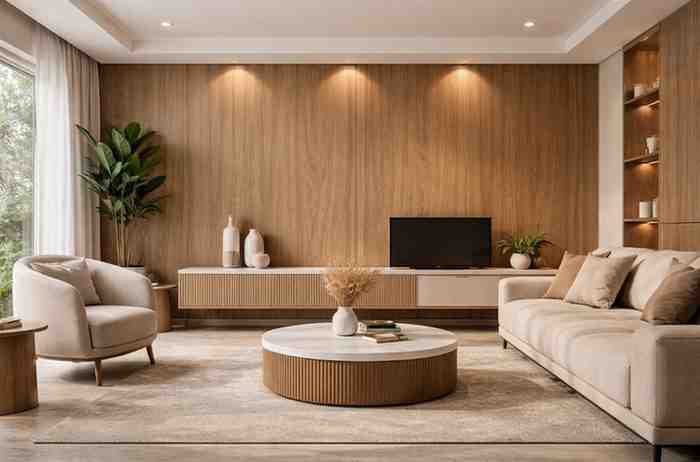
Natural veneer sheets are gaining popularity as more homeowners and designers move towards organic and earthy interior styles. The natural grain patterns, warm tones, and subtle textures of real wood help create spaces that feel calm, balanced, and close to nature something modern homes are increasingly leaning towards in 2026.
Some natural veneer sheet designs that are trending this year include:
- Light oak and ash tones for bright, airy interiors
- Rich walnut and teak finishes for a warm, premium feel
- Matte and open-grain textures that highlight the wood’s natural character
Natural veneers work best in spaces where comfort and aesthetics matter the most:
- Living rooms for feature walls, TV units, and wall panels
- Bedrooms for wardrobes, headboards, and side tables
- Offices to create a calm, focused, and professional environment
With their timeless appeal and versatility, natural veneer sheets continue to shape interiors that feel both modern and inviting.
Veneer Sheets for Furniture: Designs That Will Dominate 2026
Veneer sheets are increasingly being used in modern furniture designs, where homeowners look for a premium wood finish without using solid wood. From wardrobes to TV units, veneer for furniture adds warmth, depth, and a refined look that blends well in both contemporary and classic interiors.
Some furniture pieces where veneer will dominate in 2026 include:
- Wardrobes, where choosing the best veneer for the wardrobe helps create a clean, seamless look
- TV units and sideboards that act as subtle statement pieces
- Dining tables and cabinets for a natural, elegant finish
Matching veneer grains with your interior theme plays a big role in the final look:
- Straight grains for minimal and modern spaces
- Rich, flowing grains for warm and luxurious interiors
- Light-toned veneers for compact homes to keep spaces airy
Modern wardrobe trends are also inclined towards handle-less designs, muted finishes, and natural textures—making veneer sheets a preferred choice for wardrobes that look stylish yet timeless.
Veneer Sheet Price in India: What to Expect in 2026
The sheet price of Veneer sheet in India may vary based on several factors, which is why no fixed cost fits every interior requirement. In 2026, pricing is expected to remain flexible, depending on the type of veneer, finish, and application.
Some key factors that affect veneer sheet price include:
- Type of veneer used (natural, dyed, or engineered)
- Wood species and grain pattern
- Thickness and finishing quality
- Base material used for pasting (plywood or MDF)
When comparing costs, natural veneers are generally priced higher due to their authentic wood grain and unique patterns. Engineered veneers, on the other hand, are more budget-friendly and offer consistent designs, making them a practical choice for larger surfaces.
From a value-for-money perspective, veneer sheets remain a smart option. They offer the look and feel of real wood at a lower cost than solid wood, while still delivering durability and long-term aesthetic appeal when chosen and properly maintained.
Explore these Kitchen Cabinet Trends if you’re updating your home decor with modern furniture designs.
Veneer vs Laminate: Which Is Better for Modern Interiors?
When choosing finishes for furniture and interiors, the debate around veneer vs laminate is quite common. Both materials are widely used, but the primary difference lies in their appearance, texture, and aging characteristics over time.
In terms of visual appeal, the veneer vs laminate difference is easy to notice:
- Veneer offers a natural wood grain and texture, making each surface look unique
- Laminate provides uniform patterns and solid colours, but lacks the depth of real wood
Durability and maintenance also vary:
- Veneer is durable when used on the right surfaces and maintained properly
- Laminate is more resistant to scratches and moisture, but may look flat over time
In 2026, veneer is increasingly preferred for premium interiors because it delivers a warm, natural finish that elevates the overall design. While laminates work well for functional spaces, veneer adds character and sophistication—making it a popular choice for furniture and feature areas in modern homes.
Is Veneer Durable and How Long Does Veneer Last?
A common question homeowners have is– Is veneer durable enough for everyday use? The answer is yes—when veneer is used on the right surfaces and paired with a good-quality base material, it performs well over time.
How long a veneer lasts depends largely on usage and care:
- With proper installation and maintenance, veneer can last 10–15 years or more
- It holds up well on furniture, wardrobes, wall panels, and doors
- Regular cleaning and protection from excess moisture help extend its lifespan
However, veneer should be avoided in areas with constant water exposure or heavy impact, such as bathroom wet zones or outdoor spaces. When used thoughtfully, veneer offers a long-lasting, premium finish that fits modern interiors.
Explore Wigwam Ply for more trending designs to renovate your home decor.
Veneer Maintenance Tips to Keep Interiors Looking New
Following the right veneer maintenance tips can help preserve the natural look of veneer for years. Veneer does not require heavy maintenance, but a few simple habits go a long way in keeping surfaces fresh and polished.
Do’s and don’ts:
- Use a soft, dry, or slightly damp cloth for regular cleaning
- Avoid harsh chemicals or abrasive cleaners
- Wipe spills immediately to prevent staining
Protecting veneer from damage:
- Keep veneer surfaces away from constant moisture
- Use coasters or mats to prevent scratches and heat marks
- Ensure proper ventilation in Indian homes, especially during monsoons
- With basic care and mindful use, veneer surfaces age gracefully and retain their natural charm.
Advantages of Veneer Sheets for Modern Home Décor
One of the biggest advantages of veneer sheets is that they bring the warmth of real wood into modern interiors without the high cost of solid wood. This makes veneer a practical yet stylish choice for every home.
Key benefits of using veneer for modern home décor:
- A natural wood finish that looks premium and timeless
- Design flexibility across furniture, doors, and wall panels
- A lighter, more resource-efficient option compared to solid wood
These qualities make veneer well-suited for contemporary interiors that value both aesthetics and practicality.
How to Choose the Right Veneer for Your Home Interiors
If you’re wondering which veneer is best for furniture, the answer depends on how and where it will be used. Choosing the right veneer ensures both visual appeal and long-term performance.
Things to consider while selecting veneer:
- Room and usage: Lighter veneers work well in bedrooms and living areas, while darker tones suit feature furniture
- Base material: Pair veneer with good-quality plywood for better durability
- Budget: Natural veneers offer uniqueness, while engineered options provide consistency at a lower cost
Check out these Designs for the Centre Table, if you’re looking for combinations with a premium feel to give your hall the look it deserves.
Common mistakes homeowners make include choosing veneer based only on appearance, ignoring the base material, or using veneer in high-moisture areas. A balanced choice helps achieve interiors that look good and last longer.
Why Veneer Sheets Will Shape Interior Design in 2026
From organic finishes and modern furniture designs to durability and value, veneer sheets continue to influence interior trends in 2026. Their natural wood appeal and design flexibility make them a practical choice for modern homes.
Veneer has a timeless quality that adapts easily to evolving styles. If you’re planning interiors for 2026, exploring quality veneer sheets, including options from Wigwam Ply, can help you create spaces that balance style and durability without overthinking the process.
FAQ
1. What are veneer sheets?
Veneer sheets are thin layers of real wood that are glued to a base material of plywood or MDF. They are used to give furniture and interiors a natural wood finish at a more affordable cost than solid wood.
2. Are veneer sheets real wood?
Yes, veneer sheets are made from real wood. The difference is that instead of using thick solid wood, a thin slice of wood is used on the surface.
3. What is the difference between veneer and laminate?
The difference between veneer and laminate is in the material. Veneer is made from real wood and has natural grain patterns, while laminate is a synthetic surface with printed designs.
4. Are veneer sheets waterproof?
Veneer sheets are not waterproof. However, when used with good-quality plywood and proper finishing, they can handle normal indoor moisture levels.
5. Which veneer is best for furniture?
The best veneer for furniture depends on use. Natural veneers work well for premium furniture, while engineered veneers are better for uniform designs and larger surfaces.
6. How long do veneer sheets last?
With proper installation and care, veneer sheets can last anywhere between 10 to 15 years or even longer in indoor conditions.
7. How thick are veneer sheets?
Veneer sheets are usually very thin, commonly ranging from 0.3 mm to 0.6 mm, depending on the type and application.
8. Is veneer good for wardrobes and kitchen cabinets?
Yes, veneer works well for wardrobes and kitchen cabinets when paired with moisture-resistant plywood and used in dry zones.
9. How do I clean and maintain veneer furniture?
Use a soft, dry, or slightly damp cloth for cleaning. Avoid harsh cleaners and wipe spills immediately to protect the surface.
10. Are veneer sheets expensive?
Veneer sheets are generally more affordable than solid wood and offer good value for money, especially when you want a natural wood finish.