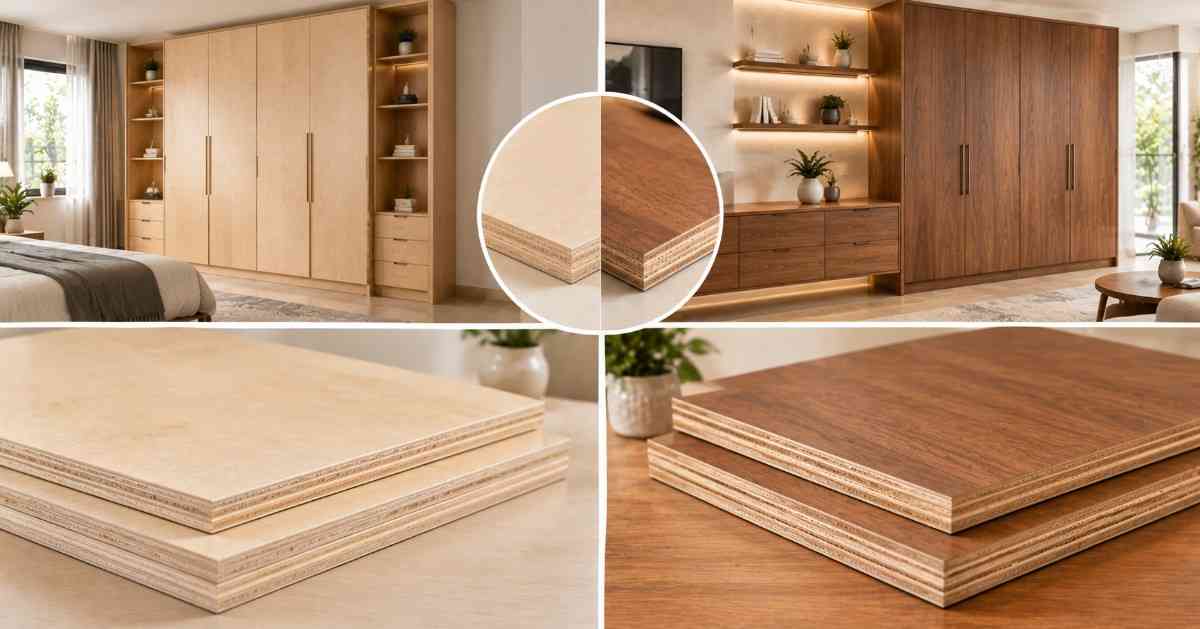
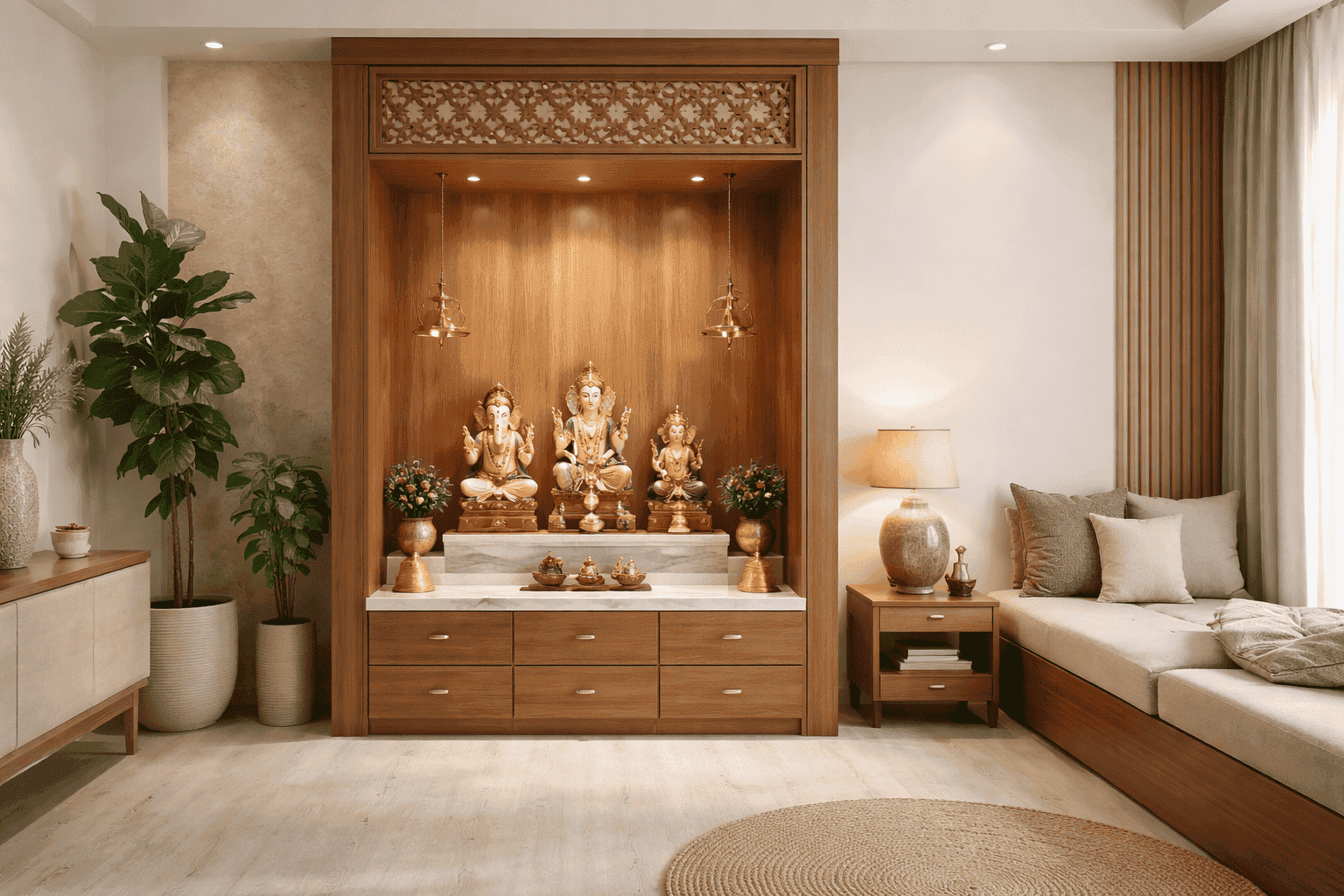
Designing a home temple is personal and the material you choose matters more than we realise. Unlike regular furniture, a mandir should be of plywood suitable for everyday use, able to hold intricate designs, stable over time, and still look elegant. Add to that the heat from diyas, incense, moisture, and sometimes even wall-mounting and suddenly, choosing the right plywood becomes a big deal.
Choose durable temple plywood for creating elegant, strong, and long-lasting home temple designs with a premium finish.
And trust me, we’ve seen this confusion everywhere. Even people ask us almost every day, “Which plywood is best for a home temple?”
So if you’re stuck between MDF, commercial plywood, BWR, hardwood, or decorative options, you’re not alone we’ve all been there. That’s exactly why we created this guide. This blog will help you understand the right type of plywood based on strength, thickness, moisture resistance, design needs, and budget.
By the end, you’ll know exactly which plywood is suitable for your mandir and how to make an informed decision based on your requirements.
Table of Contents
ToggleWhat Is Temple Plywood?
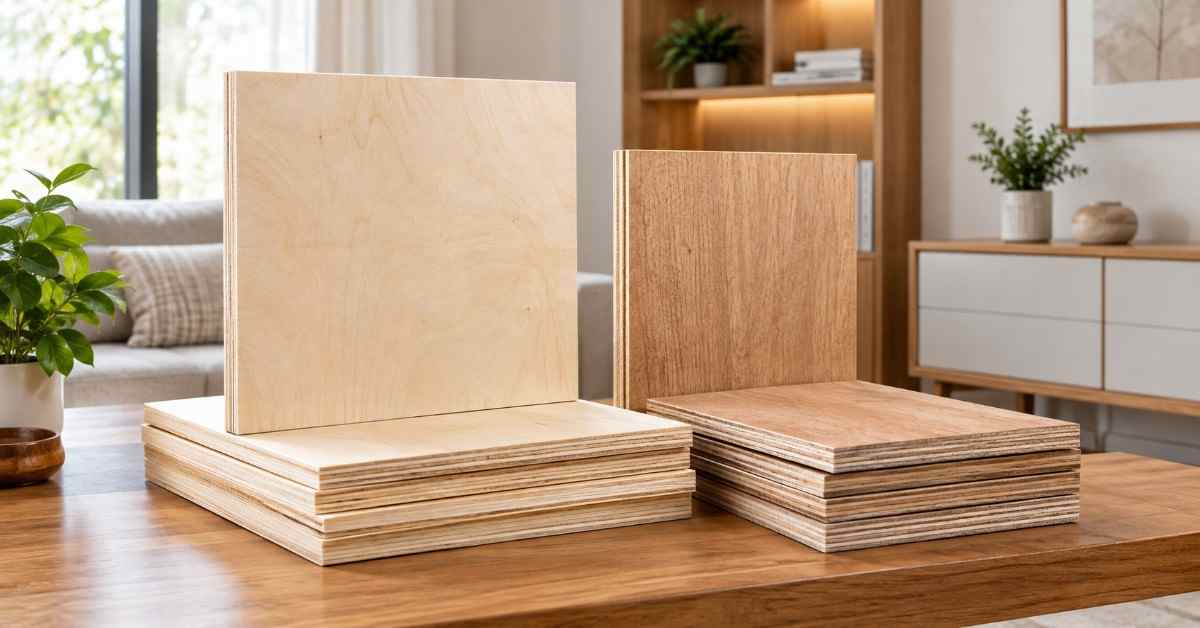
We don’t mean any special plywood category when we say temple plywood. It simply refers to the types of plywood used in temple interior work plywood that can handle carving, support shelves for idols, stay stable for years, and still look good in a pooja space.
Since mandirs involve diya heat, incense smoke, and sometimes mounted shelves, you need plywood that’s stronger and more reliable than what you’d use for regular furniture. A home mandir also comes with its own aesthetic needs.
Whether you want CNC-cut panels, pooja room shelves, or a clean, minimal look, the plywood must allow smooth finishing and clean detailing. That’s why choosing the right material matters it affects how your temple looks, performs, and lasts.
At Wigwamply, we often guide homeowners through this exact decision, helping them find plywood that balances design, durability, and daily use.
Mandir Plywood Thickness Guide: What Works Best?
Choosing the right plywood thickness for temple cabinets affects everything stability, weight support, screw-holding capacity, and how long your mandir will actually last. Temple plywood thickness options usually range from 9mm to 19mm+, and each thickness serves a different purpose.
Here’s a quick, simple breakdown:
- 9–12mm Plywood (For Light Work)
Best for:
- Back panels
- Decorative side paneling
- Lightweight partitions
Why it works:
It keeps the mandir structure light while giving sufficient support for areas that don’t carry weight.
- 16–18mm Plywood (Most Common & Recommended)
Best for:
- Shelves
- Base units
- CNC-cut temple designs
- Storage compartments
Why it works:
This is the sweet spot for temple plywood thickness options strong screw grip, stable under weight, and perfect for detailed work.
- 18mm+ Plywood (For Heavy or Wall-Mounted Units)
Best for:
- Large mandirs
- Wall-mounted pooja cabinets
- Heavy idol placement
- Designs with frequent opening/closing of shutters
Why it works:
Extra strength + no bending or sagging, even after years of use.
We can add a recommendation here by wigwamply if they suggest customers– which of these thicknesses would be suitable for the mandir?
Is MDF or Plywood Better for Mandir? (Quick Comparison)
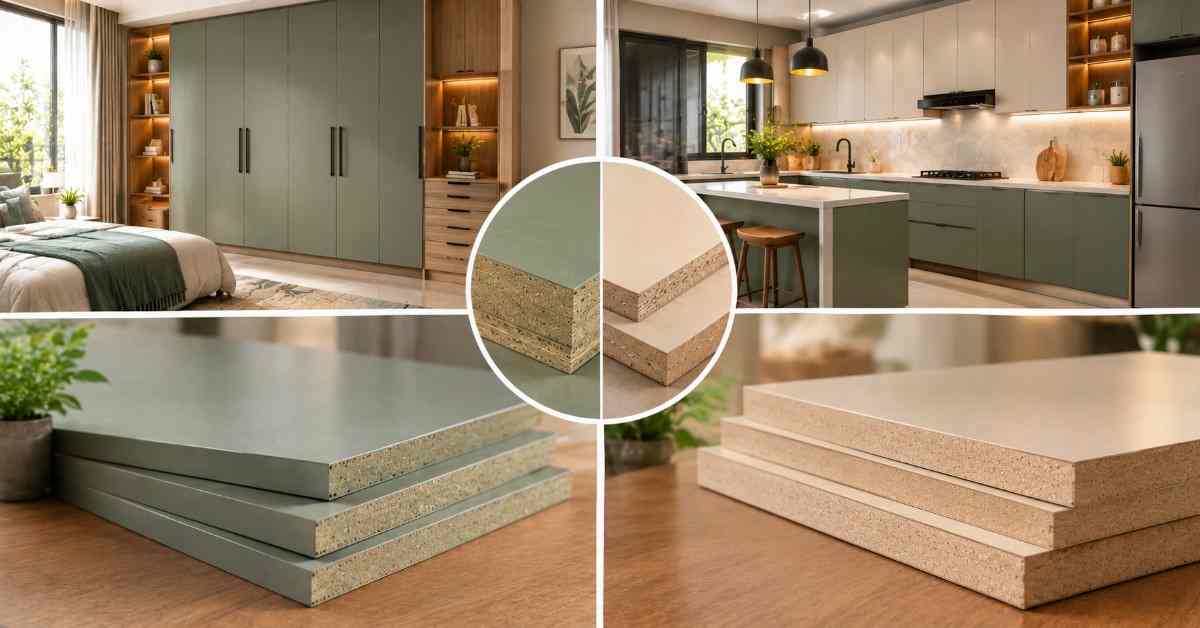
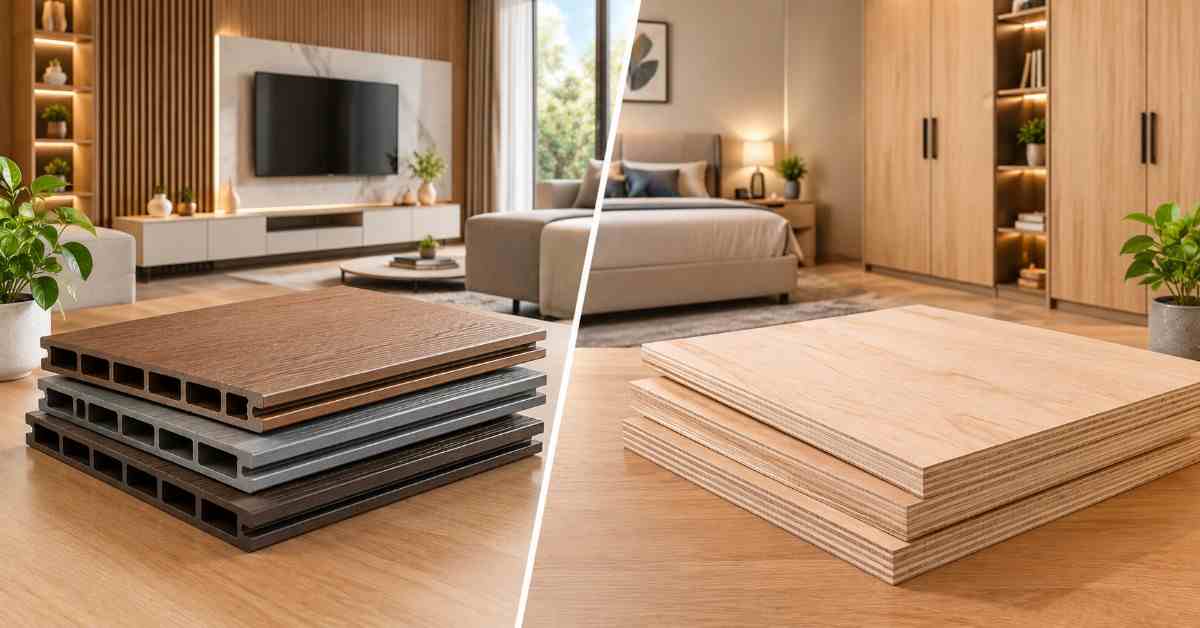
A lot of people get confused here MDF or plywood, which is better for mandir work? Technically, both can be used, but they perform very differently. MDF may look smooth and is easy on the pocket, but temple designs need strength, moisture resistance, and long-term stability… and that’s where plywood wins almost every time.
Here’s a comparison to help you decide:
MDF vs Plywood for Temple Design
| Feature | MDF (Medium Density Fiberboard) | Plywood |
| Moisture Resistance | Low, so swells easily with water | High, so BWR/BWP plywood handles moisture better |
| Carving / CNC Work | Very smooth & clean cuts | Good, but not as smooth as MDF |
| Lifespan | Shorter, so it weakens over time | Long-lasting, so stays stable for years |
| Strength | Average | High so perfect for shelves & ideal weight |
| Weight Support | Not suitable for heavy idols | Excellent load-bearing capacity |
| Heat / Diya Safety | Risky, so can’t handle heat well | Safer, so more heat-resistant |
| Best Use | Decorative panels only | Entire mandir structure |
So, can MDF be used for temple design instead of plywood?
Yes, but only for decorative front panels or CNC sheets. For shelves, base units, or the main structure, plywood is the safer and longer-lasting choice.
Plywood for Temple Cabinet, Shelves & Accessories
When it comes to plywood for pooja room shelves, you need a material that can handle daily use, hold weight, and stay stable for years. Plywood is the best choice because it offers strong load-bearing capacity, making it ideal for plywood temple shelf design from wall-mounted shelves to compact mandir cabinets.
For temple accessories such as diyas, idols, bells, incense holders, and organizers, plywood is the best. It stays firm, doesn’t sag, and grips screws tightly, making it perfect for plywood used in temple interior work. Its structural stability ensures your shelves remain straight even under heavy idols or brass items.
Why plywood is the best for cabinets & shelves:
- Strong load-bearing for idols, diyas, and brass items
- Excellent screw-holding capacity
- Doesn’t warp or bend over time
- Supports accessory-friendly designs
- Ideal for stable, long-term mandir storage
If your mandir requires shelves, cabinets, or accessory support, plywood offers the stability and durability that MDF cannot match.
Water & Heat Resistance: Why It Matters for Mandirs
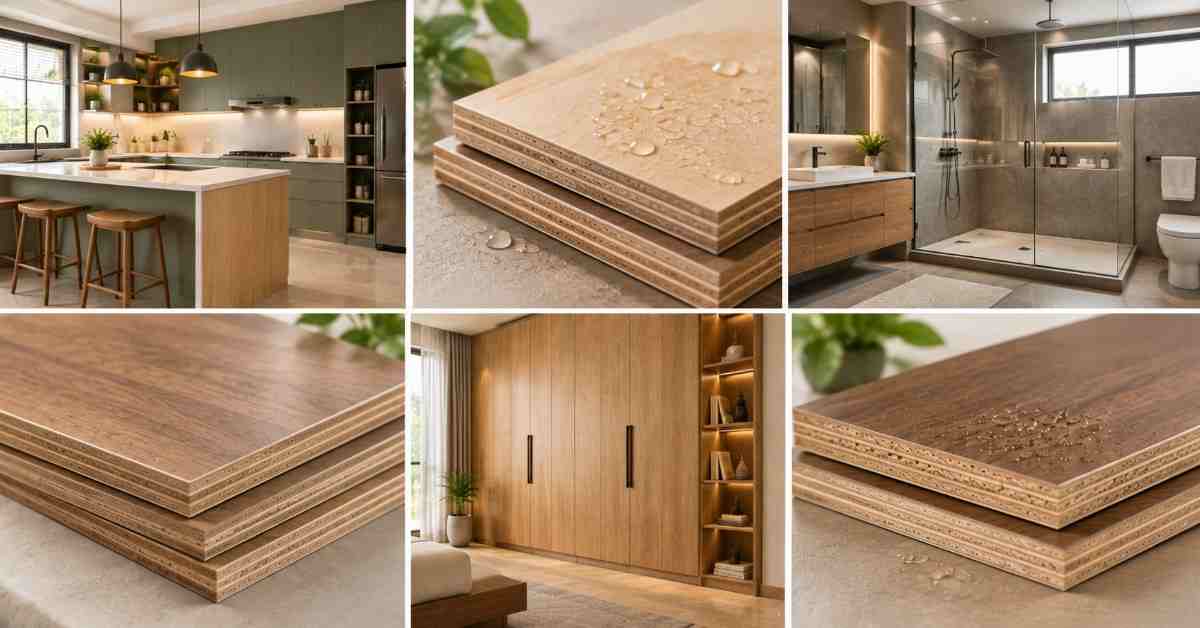
Choosing waterproof plywood for temple furniture becomes important when building any temple furniture, as mandirs naturally face heat, smoke, and moisture. The heat from diyas and the smoke from incense can damage low-quality boards, causing them to warp or bubble. That’s why moisture-resistant plywood for mandir is always a safer pick.
Regular cleaning also exposes the mandir to moisture. Over time, this can weaken MDF or low-grade plywood. For long-term durability, BWP plywood for mandir stands out for its resistance to daily cleaning, humidity, and accidental spills without losing shape.
If your mandir is placed near a balcony or kitchen, using waterproof options becomes even more important. Wigwamply’s waterproof plywood is popular among homeowners who keep their mandir near kitchens or balconies because it handles moisture and heat effortlessly.
When marine plywood is worth it: If your mandir is in a high-moisture zone or you want maximum durability, marine-grade BWP plywood offers the highest protection and long life.
Cost of Plywood for Temple Construction (Price Guide)
To plan a better budget, exploring the cost of mandir plywood in India can help you. Generally, the cost of plywood for temple construction depends on grade, thickness, and wood species. On average, the cost of temple plywood per sheet varies across categories, from affordable moisture-resistant options to premium decorative plywood.
Price usually varies due to:
- Thickness (16mm, 18mm, 19mm)
- Grade (MR, BWR, BWP)
- Wood species used
- Decorative veneers or laminates
- Brand reliability
Affordable MR-grade plywood works for small wall-mounted mandirs, while premium decorative plywood looks best in living-room temples. Decorative sheets cost more for a superior finish, natural grain, and higher durability.
CNC Temple Cutting: Which Plywood Is Best?
If you’re planning intricate jaali or carving work, picking the best plywood for CNC temple cutting is crucial. CNC routers work best on strong, stable, and void-free plywood, ensuring smooth patterns and precise detailing.
For the cleanest CNC plywood patterns for the temple, 18mm calibrated plywood and hardwood plywood give the best results. They minimise splintering and allow deeper carvings without cracking.
This makes them perfect for CNC temple jali plywood designs, arches, back panels, and decorative partitions. For smooth engraving, always choose boards with consistent density and avoid low-cost, hollow-core plywood.
Finishes for a Plywood Mandir
To pick the best finish for the plywood mandir depends on the design and location of your temple. For a traditional look, veneers add natural texture and warmth. If you want a modern touch, laminates work beautifully and last long, making them a great decorative option on temple plywood collections.
For premium finishes, PU polish brings a rich, high-end feel to temple furniture. You can also choose between matte and gloss, depending on whether you prefer a subtle spiritual vibe or a polished contemporary look.
Wigwamply’s laminates and veneers are ideal for temple furniture because they pair beautifully with premium plywood grades.
Plywood Mandir Safety & Durability Tips
Safety matters when designing temple shelves and cabinets. Pick termite-proof plywood for the home temple to ensure long-term strength. Good ventilation prevents heat buildup, especially if you light diyas regularly. Balance weight carefully on wall-mounted shelves to keep your plywood temple shelf design safe and steady.
Use moisture-resistant plywood to avoid swelling during cleaning. Reinforce areas that hold brass idols, lamps, and heavy decor items. And always create a heat-safe zone for diya and incense placement to protect your mandir furniture.
Temple Plywood Buying Guide: How to Choose the Right One
This temple plywood buying guide will help you choose based on your mandir’s size, design, and location. For living rooms, go for the best plywood for mandir in the living room, such as BWR or BWP-grade. For carved designs, hardwood plywood works best. Wall-mounted mandirs need strong screw-holding, while floor-standing mandirs need thicker boards.
Before finalizing, consider:
- Your budget
- Mandir size
- Carving or CNC needs
- Wall-mounted vs floor-standing
- Moisture exposure
- Finish requirements
If you’re unsure, Wigwamply’s team can help you pick plywood that matches your mandir size, design, and budget.
Building a Beautiful & Long-Lasting Mandir
A mandir is more than just furniture it’s a sacred space where your home finds peace. Choosing the right plywood ensures your temple stays strong, beautiful, and safe for years. From carvings to shelves to decorative finishes, plywood brings flexibility and durability to every part of mandir construction.
If you’re planning to build a home mandir, Wigwamply has all the plywood options you’ll need from BWP to decorative to CNC-friendly.
FAQs
1. Which plywood is best for a home temple?
For a home temple, BWP (Boiling Water Proof) plywood is usually the best choice. It’s strong, durable, and handles moisture well, which is important since mandirs are often cleaned regularly and exposed to diya heat and incense smoke.
2. Is waterproof plywood required for temple furniture?
It’s not mandatory, but it’s definitely recommended. Using waterproof plywood for mandir furniture helps prevent warping and damage from moisture during cleaning. It also increases the life of the temple unit, especially in Indian homes.
3. Can MDF be used for temple design instead of plywood?
MDF can be used for decorative panels, but it’s not ideal for the main temple structure. It doesn’t handle moisture or heat well. If you want your mandir to last, plywood is a much safer and more durable option than MDF.
4. What thickness of plywood is best for a mandir?
For most home temples, 12mm to 18mm plywood works well. Thicker plywood is better for shelves, pillars, and base units, while slightly thinner sheets can be used for back panels or decorative elements.
5. Which plywood is best for CNC temple designs?
For CNC-cut mandir designs, high-quality BWP or BWR plywood with a smooth surface is ideal. It holds fine detailing well and doesn’t chip easily during cutting, which is important for intricate temple patterns.
6. Is decorative plywood suitable for temple interiors?
Yes, decorative plywood can be used for temple interiors, especially for visible areas. Just make sure it’s backed with a strong core material like BWP plywood, so you get both beauty and durability.
7. How long does plywood temple furniture last?
With good-quality plywood and proper finishing, temple furniture can easily last 10–15 years or more. Regular cleaning, avoiding excessive water, and choosing the right finish help extend its lifespan.
8. Can plywood be used for temple doors?
Yes, plywood is commonly used for temple doors. For carved or CNC doors, plywood offers strength and stability, making it ideal for detailed designs without bending or cracking over time.
9. Is plywood strong enough for wall-mounted mandirs?
Absolutely. When the right plywood thickness is used and installed properly, plywood is strong enough to support wall-mounted mandirs. Using quality brackets and professional fixing is equally important.
10. Which finish is best for a plywood home temple?
PU polish, melamine finish, or laminate are popular choices. PU polish gives a premium look, while laminates are easy to maintain. Choose a finish that protects the plywood from moisture and enhances the temple’s aesthetic.
11. What is temple plywood and why is it suitable for home temple designs?
Temple plywood is a durable and versatile material suitable for creating strong, elegant, and long-lasting home temple designs with a smooth finish.