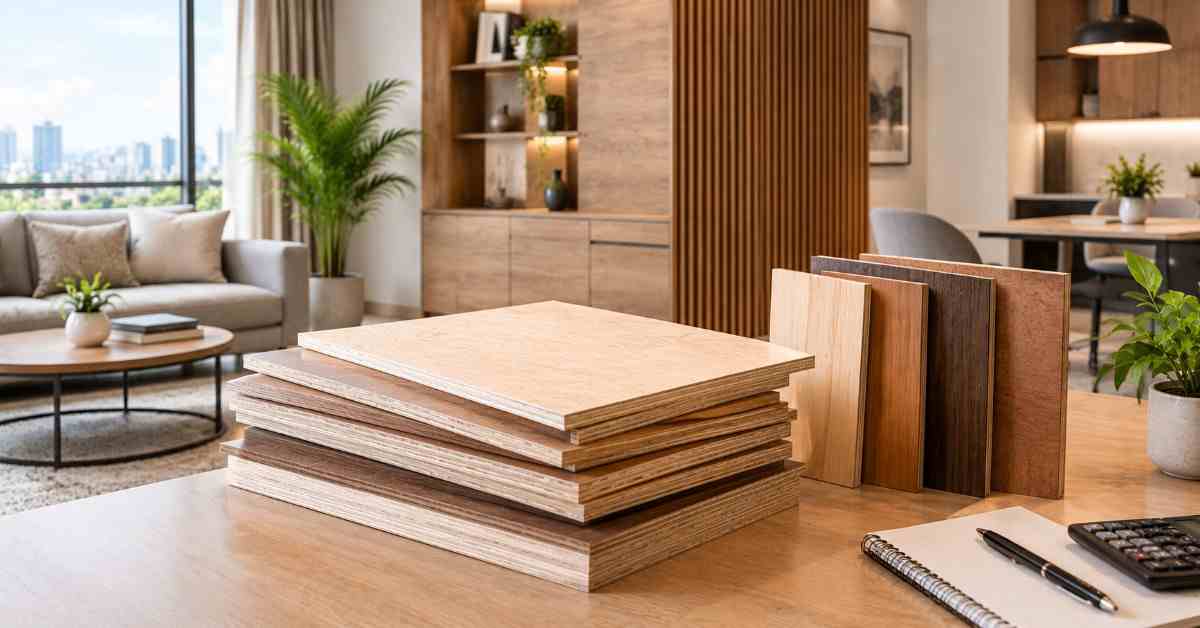
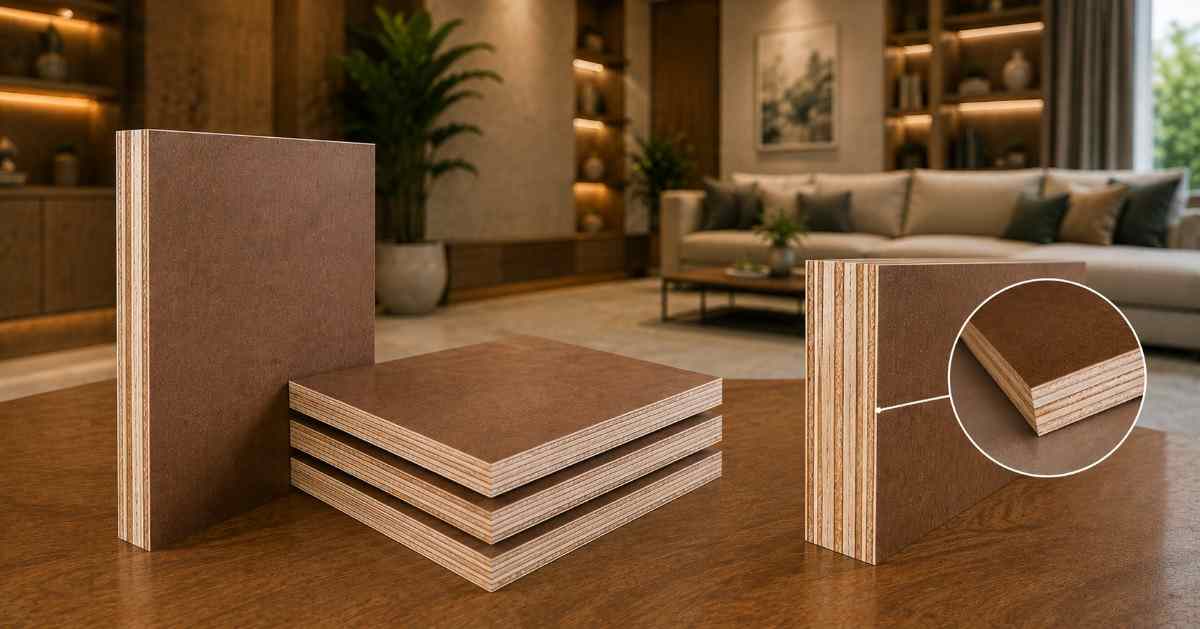
Plywood durability depends on more than just surface quality.
The real protection lies inside the panel.
Many plywood products receive preservative treatment only on outer surfaces or selected veneer layers. While this provides some protection, untreated internal layers can remain vulnerable to termites, borers, fungi, and moisture-related deterioration over time.
Ideal for interior woodworking that requires unyielding stiffness, WigwamPly premium blockboard material provides a flawless foundation for your projects.
This is where All Layers Treated Plywood offers a significant advantage.
As the name suggests, all layers treated plywood undergoes preservative treatment throughout the plywood structure rather than only on exposed surfaces. The treatment process helps protect every veneer layer against biological threats and improves long-term durability in demanding environments. Industry wood-preservation practices recognize veneer-level treatment as one of the most effective ways to ensure protection reaches internal layers rather than only the outer surface.
For furniture, modular kitchens, wardrobes, commercial interiors, and high-humidity applications, this additional protection can significantly improve service life and performance.
Modern premium plywood manufacturers increasingly focus on deeper preservative penetration, multi-stage pressing technologies, and advanced treatment processes to improve durability, dimensional stability, and resistance to biological attack.
This is particularly relevant in India’s climate, where plywood is routinely exposed to humidity fluctuations, termites, borers, and fungal activity.
In this guide, we explain what all layers treated plywood is, how all layers treatment works, the key features of all layers treated plywood, and why premium solutions such as WigwamPly All Layers Treated Plywood are increasingly preferred for long-lasting furniture and interior applications.
Whether you are evaluating all layers treated plywood sheets, comparing treated plywood options, or exploring termite treated plywood for your next project, understanding the benefits of complete-layer protection can help you make a more informed material choice.
Top 10 Best Plywood Brands in India: Best Plywood Companies Compared
What Is All Layers Treated Plywood — Construction, Treatment Process & How It Works
When evaluating plywood durability, most buyers focus on visible features such as thickness, grade, or surface finish.
However, the true level of protection depends on what happens inside the panel.
This is where All Layers Treated Plywood differs significantly from conventional treated plywood products.
What Is All Layers Treated Plywood?
All Layers Treated Plywood is plywood in which every individual veneer layer is treated with preservative chemicals before the panel is manufactured.
Unlike conventional treated plywood, where treatment may be applied only to the outer surfaces after pressing, all layers treated plywood ensures protection exists throughout the entire thickness of the sheet.
This means:
- Face veneers are treated.
- Core veneers are treated.
- Intermediate veneers are treated.
- Protection extends from surface to centre.
The result is a panel with comprehensive protection against termites, borers, fungal attack, and moisture-related deterioration.
Explore structural grade plywood designed for superior strength, durability, dimensional stability, and reliable performance in demanding construction applications.
Why Surface-Only Treatment Is Not Enough
Many plywood products marketed as termite treated plywood or preservative treated plywood receive treatment primarily on exposed surfaces.
While this improves initial protection, furniture manufacturing introduces a challenge.
During fabrication, plywood is routinely:
- Cut
- Drilled
- Routed
- Grooved
- Edge-machined
These processes expose internal veneers.
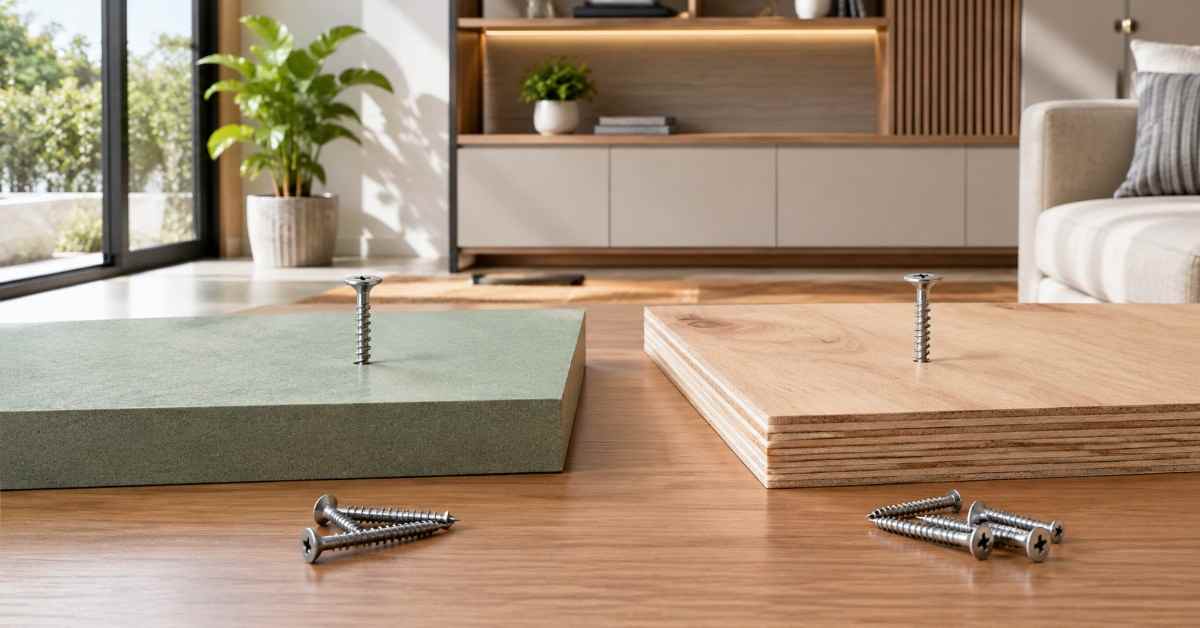
If those internal layers were never treated, pests and moisture can bypass the surface protection entirely.
| Scenario | Surface-Treated Plywood | All Layers Treated Plywood |
| Factory-finished surface | Protected | Protected |
| Edge cutting during fabrication | Internal layers exposed | Internal layers remain protected |
| Drilling for hardware | Untreated pathways possible | Protection retained |
| Routing and profiling | Core exposure risk | Full-depth protection |
| Long-term termite resistance | Reduced after machining | Maintained throughout panel |
This is one reason why full-layer treatment is increasingly preferred in premium furniture and interior applications.
How All Layers Treatment Works
The effectiveness of All Layers Treated Plywood comes from the sequence in which treatment is performed.
Instead of treating the finished panel, protection is introduced before plywood manufacturing begins.
Step 1: Veneer Selection
High-quality hardwood or plantation timber veneers are selected based on grade, density, and intended application.
Products such as Wigwam Fabricate, Wigwam Visor, and other premium Wigwam Ply ranges begin with carefully selected veneer stock to ensure structural consistency.
Step 2: Full Veneer Treatment
Each veneer layer undergoes preservative treatment before assembly.
Depending on the manufacturing process, treatment may involve:
- Full immersion
- Vacuum impregnation
- Pressure impregnation
- Specialized preservative penetration systems
The objective is to ensure preservative compounds penetrate the wood fibers rather than merely coating the surface.
Step 3: Drying and Conditioning
After treatment, veneers are dried and conditioned to achieve the correct moisture balance.
This step helps preserve bonding performance and dimensional stability during pressing.
Step 4: Cross-Laminated Assembly
The treated veneers are assembled in alternating grain directions.
This cross-laminated structure provides:
- Strength
- Stability
- Warp resistance
- Load distribution
Step 5: Resin Bonding and Pressing
The veneers are bonded using high-performance adhesives.
Premium products often utilize phenol formaldehyde (PF) resin or other BWP-grade bonding systems that enhance water resistance and long-term durability.
Step 6: Calibration and Finishing
After pressing, the plywood undergoes calibration and finishing.
For example, premium plywood products from Wigwam Ply feature both-side calibration, ensuring thickness consistency and superior furniture performance.
The Science Behind Preservative Treatment
The protection provided by preservative treated plywood is not simply a surface barrier.
The treatment works at the cellular level of the wood.
Common preservative systems often incorporate borate-based or copper-based compounds that perform several functions.
| Preservative Function | Benefit |
| Makes wood fiber unpalatable to termites | Reduces termite attack |
| Inhibits fungal growth | Improves decay resistance |
| Limits microbial activity | Enhances durability |
| Protects internal wood structure | Extends service life |
| Reduces biological degradation | Maintains structural integrity |
When treatment is applied to every veneer before pressing, the entire plywood panel benefits from this protection.
There are no untreated internal pathways through which termites or fungal activity can easily spread.
Why Full-Veneer Treatment Matters
The difference between surface treatment and full-layer treatment becomes particularly important in:
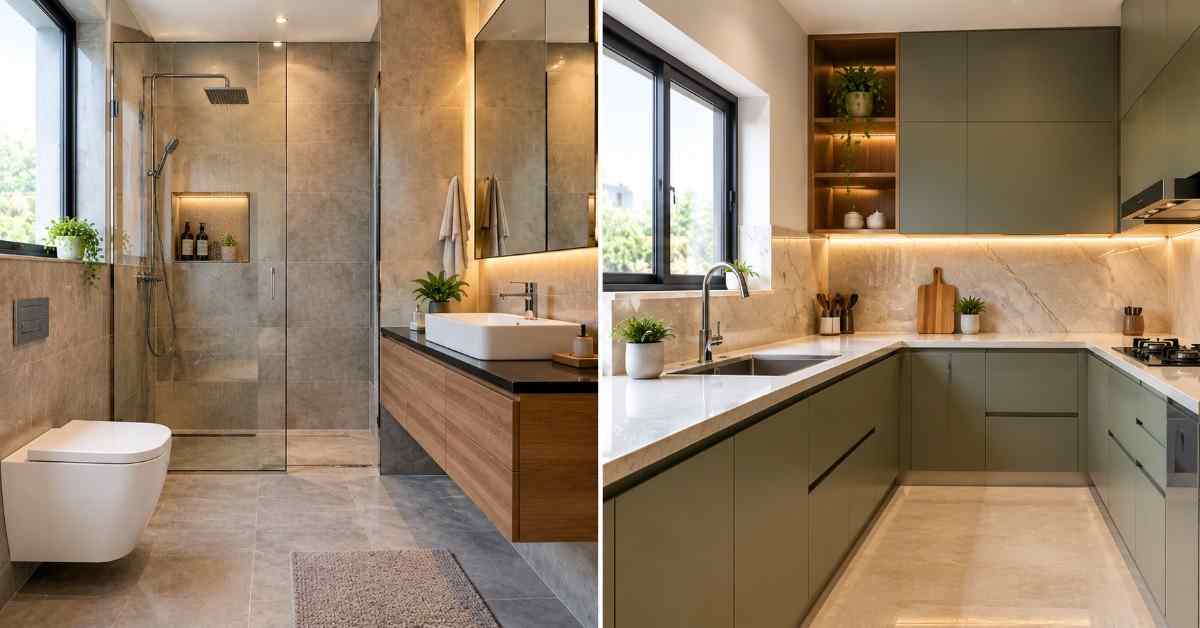
- Modular kitchens
- Wardrobes
- Bathroom furniture
- Commercial interiors
- High-humidity environments
- Long-life furniture installations
These applications frequently involve machining, edge exposure, and long-term environmental stress.
All Layers Treated Plywood helps ensure protection remains intact even after fabrication.
Protection Comparison
| Feature | All Layers Treated Plywood | Surface Treated Plywood | Untreated BWP Plywood |
| Treatment depth | Full panel thickness | Surface only | None |
| Protection after cutting | Excellent | Reduced | None |
| Protection after drilling | Excellent | Reduced | None |
| Termite resistance | Excellent | Good initially | Depends on species |
| Fungal resistance | Excellent | Moderate | Limited |
| Internal veneer protection | Complete | Limited | None |
| Moisture-related durability | Excellent | Moderate | Good |
| Suitable for premium furniture | Excellent | Moderate | Good |
| Suitable for high-risk environments | Excellent | Limited | Moderate |
Why Premium Manufacturers Use All-Layer Protection
Manufacturers focused on long-term durability recognize that furniture is rarely used in its factory-finished form.
Every cabinet, wardrobe, kitchen carcass, and shelving unit undergoes cutting, drilling, and assembly.
By treating every veneer before pressing, premium solutions such as WigwamPly All Layers Treated Plywood provide protection that remains effective throughout the entire panel—even after extensive fabrication.
The result is stronger protection, better durability, and greater confidence in environments where termites, moisture, and biological deterioration remain persistent concerns.
Save time on your construction or renovation projects with a perfectly finished, hassle-free readymade flush door from WigwamPly.
Key Features, Benefits & Why WigwamPly All Layers Treated Plywood Offers Superior Protection
The true value of All Layers Treated Plywood becomes evident after furniture is manufactured and installed.
Unlike conventional treated plywood that relies heavily on surface protection, all-layer treatment ensures protection remains active throughout the panel even after cutting, drilling, routing, and years of service.
For homeowners, architects, interior designers, and furniture manufacturers, this translates into greater durability, reduced maintenance, and stronger long-term protection against termites and moisture-related deterioration.
Key Features of All Layers Treated Plywood
The performance advantage comes from a combination of preservative treatment, bonding quality, and manufacturing precision.
| Feature | Why It Matters |
| Full-depth preservative treatment | Every veneer layer is protected, not just the surface |
| Termite resistance after cutting and drilling | Protection remains effective even when internal veneers are exposed |
| Moisture-resistant treatment throughout the panel | Reduces vulnerability caused by damaged or exposed surfaces |
| BWP-grade bonding system | Creates moisture-resistant glue lines between all treated layers |
| IS-compliant preservative treatment | Ensures controlled and reliable protection standards |
| Full-core construction | Eliminates weak zones and improves durability |
| Both-side calibration | Delivers thickness consistency and precise furniture assembly |
| Cross-laminated veneer structure | Maintains strength while enhancing protection |
Premium products such as WigwamPly All Layers Treated Plywood, including ranges like Wigwam Visor and Wigwam Fabricate, combine these features into a single high-performance plywood solution.
Benefits of All Layers Treated Plywood
The most important advantage is that protection survives the fabrication process itself.
Furniture manufacturing inevitably exposes internal wood layers.
With ordinary surface-treated plywood, these exposed areas may become vulnerable to attack. With all-layer treatment, protection continues throughout the panel.
| Benefit | Practical Outcome |
| Protection survives machining | Cutting, drilling, and routing do not expose untreated veneers |
| Long-term termite resistance | Reduced dependence on periodic chemical retreatment |
| Improved resistance to fungal decay | Better durability in humid conditions |
| Greater furniture lifespan | Lower replacement frequency and maintenance costs |
| Enhanced reliability in termite-prone regions | Suitable for challenging climatic conditions |
| Consistent protection throughout the panel | No hidden untreated pathways |
| Reduced risk of concealed infestation | Better long-term structural security |
| Peace of mind for homeowners | Protection remains active after installation |
For built-in furniture, this benefit is particularly valuable because access for future treatment is often impossible once installation is complete.
Where All Layers Treated Plywood Makes the Biggest Difference
While all-layer treatment improves durability in any application, some environments benefit significantly more than others.
| Application | Why All-Layer Treatment Is Recommended |
| Modular kitchens | Exposure to humidity, plumbing lines, and enclosed spaces |
| Coastal-region furniture | Constant moisture and humidity fluctuations |
| Ground-floor furniture | Increased termite exposure risk |
| Wardrobes against external walls | Greater potential for dampness and hidden infestation |
| Built-in storage systems | Difficult to inspect or retreat after installation |
| Premium residential interiors | Long-term protection expectations |
| Commercial interiors | Reduced maintenance and downtime |
| Hospitality projects | Higher durability requirements |
In these situations, the additional protection provided by all-layer treatment acts as a long-term safeguard against costly repairs and replacements.
All Layers Treated Plywood Price: Understanding the Value
Many buyers initially focus on the price difference between standard plywood and all-layers treated plywood.
However, evaluating only the purchase price often overlooks the true cost of ownership.
| Cost Consideration | Standard Plywood | All Layers Treated Plywood |
| Initial purchase cost | Lower | Higher |
| Termite protection depth | Limited | Full panel |
| Risk of hidden infestation | Higher | Lower |
| Future treatment requirements | Possible | Reduced |
| Furniture replacement risk | Higher | Lower |
| Long-term value | Moderate | Excellent |
The premium associated with all layers treated plywood price is often small compared to the cost of:
- Furniture replacement
- Termite treatment
- Interior renovation
- Hardware replacement
- Structural repairs
For this reason, many architects and designers view all-layer treatment as a form of furniture insurance rather than an optional upgrade.
All Layers Treated Plywood 18mm Price Considerations
The most commonly specified thickness for modular furniture is 18mm.
At this thickness, all-layer treatment becomes particularly valuable because the material is frequently used for:
- Kitchen carcasses
- Wardrobe structures
- Storage cabinets
- Shelving systems
- Office furniture
While all layers treated plywood 18mm price varies based on grade, certification, core quality, and location, the additional investment generally represents a small percentage of the overall furniture project cost while delivering substantial long-term protection.
Prices vary by thickness, specification, location, and market conditions. Actual prices are subject to change.
Why WigwamPly All Layers Treated Plywood Stands Apart
Not all treated plywood products provide the same level of protection.
Some products rely primarily on surface treatment and marketing claims, while premium manufacturers integrate protection directly into the manufacturing process.
The quality stack behind WigwamPly All Layers Treated Plywood includes:
| WigwamPly Advantage | Customer Benefit |
| All-layer preservative treatment | Protection throughout the panel thickness |
| Full-core construction | Consistent strength and durability |
| BWP-grade bonding | Moisture-resistant glue lines |
| Both-side calibration | Precision furniture manufacturing |
| IS-certified quality standards | Reliable and verifiable performance |
| Premium veneer selection | Improved structural stability |
| Advanced manufacturing controls | Consistent product quality |
This combination delivers protection against termites, moisture, and biological deterioration while maintaining the structural strength expected from premium furniture-grade plywood.
Quick Decision Guide
| Requirement | Recommended Choice |
| Modular kitchens in humid regions | Wigwam Ply All Layers Treated Plywood |
| Ground-floor furniture in termite-prone areas | Wigwam Ply All Layers Treated Plywood |
| Built-in wardrobes and cabinetry | Wigwam Ply All Layers Treated Plywood |
| Long-life premium interiors | Wigwam Ply All Layers Treated Plywood |
| Temporary or low-risk furniture | Standard treated plywood may be considered |
Final Verdict
If furniture durability, termite protection, and long-term reliability are priorities, All Layers Treated Plywood offers a significantly higher level of protection than conventional surface-treated alternatives.
By combining full-depth preservative treatment, BWP-grade bonding, full-core construction, and precision calibration, WigwamPly All Layers Treated Plywood provides protection that remains effective even after fabrication making it one of the most dependable choices for premium furniture and interior applications in India’s challenging climatic conditions.
Protect Furniture from the Inside Out with Wigwam Ply
Surface protection alone is not enough when furniture is expected to last for decades.
With WigwamPly All Layers Treated Plywood, every veneer layer is protected before the panel is manufactured, ensuring comprehensive resistance against termites, fungal attack, and moisture-related deterioration throughout the entire sheet. Combined with full-core construction, BWP-grade bonding, both-side calibration, and IS-certified quality standards, Wigwam Ply delivers protection that remains effective even after cutting, drilling, routing, and installation.
Whether you’re designing modular kitchens, wardrobes, premium residential interiors, hospitality projects, or commercial furniture, choosing the right plywood today can prevent costly repairs and replacements tomorrow.
Choose WigwamPly for deeper protection, longer furniture life, and complete peace of mind—because true durability starts from within.
Explore the complete range of Wigwam Ply solutions and build furniture that’s engineered to perform for years to come.
Choose fire retardant plywood for enhanced safety, durability, and dependable performance in residential and commercial spaces.
Frequently Asked Questions
What is all layers treated plywood?
All Layers Treated Plywood is plywood in which every individual veneer layer is treated with preservative compounds before the panel is pressed. Unlike surface-treated plywood, protection extends throughout the entire thickness of the sheet, ensuring resistance against termites, borers, fungal attack, and moisture-related deterioration even after cutting, drilling, or routing.
Is all layers treated plywood better than surface treated plywood?
Yes. All layers treated plywood provides significantly more comprehensive protection than surface-treated plywood.
| Feature | All Layers Treated Plywood | Surface Treated Plywood |
| Treatment depth | Entire panel thickness | Surface only |
| Protection after cutting | Retained | Reduced |
| Protection after drilling | Retained | Reduced |
| Internal veneer protection | Complete | Limited |
| Long-term termite resistance | Excellent | Moderate |
| Suitability for modular furniture | Excellent | Good |
Because every veneer is treated before pressing, protection remains active even when internal layers are exposed during furniture fabrication.
Does treatment affect plywood strength?
When performed using controlled manufacturing processes and approved preservative systems, treatment does not negatively affect plywood strength.
Premium manufacturers combine preservative treatment with high-quality veneer selection, BWP-grade bonding systems, and calibrated pressing processes to maintain structural integrity while improving durability. In many cases, treated plywood delivers both excellent strength and enhanced resistance to biological deterioration.
Which plywood is best for termite-prone areas in India?
For regions with high termite activity, plywood should ideally offer:
- Full-depth preservative treatment
- BWP-grade bonding
- Full-core construction
- IS-certified manufacturing quality
All Layers Treated Plywood is generally considered one of the most reliable options because protection extends throughout the panel rather than remaining limited to the surface.
How does all layers treatment protect against termites?
The treatment process impregnates each veneer with preservative compounds before pressing. These compounds make wood fibres resistant to termite attack and fungal decay.
Since every layer receives treatment, termites cannot easily find untreated pathways through the panel, even if edges or internal sections become exposed during fabrication.
Is all layers treated plywood waterproof?
Treatment and waterproofing are related but different.
All-layer treatment primarily provides protection against termites, borers, and fungi. Water resistance depends largely on the bonding system used.
When combined with BWP-grade phenol formaldehyde resin, all layers treated plywood can offer excellent moisture resistance alongside biological protection.
Is all layers treated plywood suitable for modular kitchens?
Yes. Modular kitchens are among the most common applications for all layers treated plywood because they combine:
- High humidity
- Plumbing exposure
- Enclosed spaces
- Limited access for future treatment
The comprehensive protection provided by all-layer treatment makes it particularly suitable for kitchen carcasses, cabinets, and storage units.
Can all layers treated plywood be used for wardrobes?
Absolutely.
It is especially useful for:
- Floor-to-ceiling wardrobes
- Built-in storage systems
- Wardrobes against external walls
- Storage furniture in humid environments
Because wardrobes are often difficult to inspect or retreat after installation, all-layer protection provides valuable long-term security.
How can I identify genuine all layers treated plywood?
Look for manufacturers that clearly specify:
- Veneer-level treatment before pressing
- IS-certified quality standards
- BWP-grade bonding systems
- Full-core construction
- Technical documentation or product specifications
Avoid products that make broad “termite-proof” claims without explaining how treatment is applied.
What is the price of all layers treated plywood 18mm?
The price of all layers treated plywood 18mm varies depending on:
- Plywood grade
- Core composition
- Bonding system
- Brand
- Certification level
- Geographic location
Because prices fluctuate across markets and regions, it is best to obtain current quotations from authorized dealers. Generally, all-layers treated plywood carries a premium over standard plywood due to the additional preservative treatment process and enhanced durability benefits.
Is all layers treated plywood worth the extra cost?
For applications where long-term durability is important, many architects, interior designers, and furniture manufacturers consider the premium worthwhile.
The additional upfront investment can help reduce:
- Termite damage risk
- Furniture replacement costs
- Maintenance expenses
- Retreatment requirements
In high-risk environments, the long-term savings often outweigh the initial price difference.
Which Wigwam Ply products offer enhanced durability and protection?
Premium Wigwam Ply solutions such as Wigwam Visor, Wigwam Fabricate, and other high-performance plywood ranges combine advanced manufacturing, quality veneer selection, BWP-grade bonding, and precision calibration to deliver reliable long-term performance for demanding furniture and interior applications.