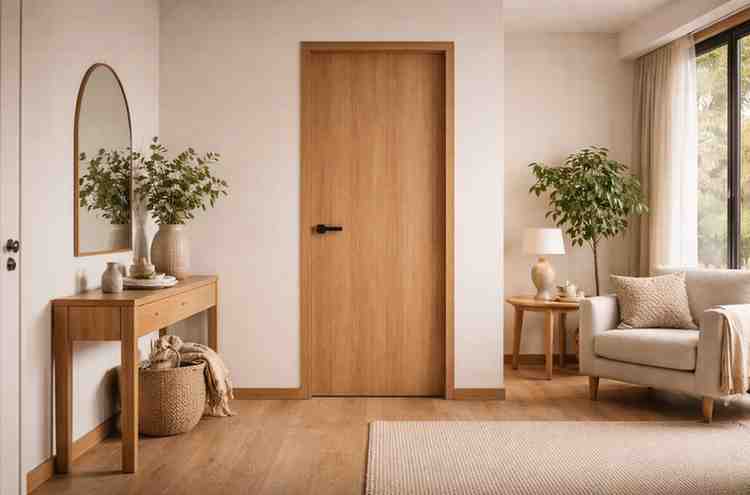
Have you ever heard someone say “Wigwam Ply flush door” and figured it was the same as a standard flush door?
You are not alone; we’ve’ all been there.
Most people have no idea what a Wigwam Ply flush door is. From the exterior, it resembles a regular flush door, but it sounds professional. However, the construction on the inside is different, which is where moisture resistance, strength, and longevity come into play.
In this article, we’ll describe what a Wigwam Ply flush door is, how it differs from a standard flush door, and what you should know about size, price, design, and real-world uses.
What Is a Wigwam Ply Flush Door?
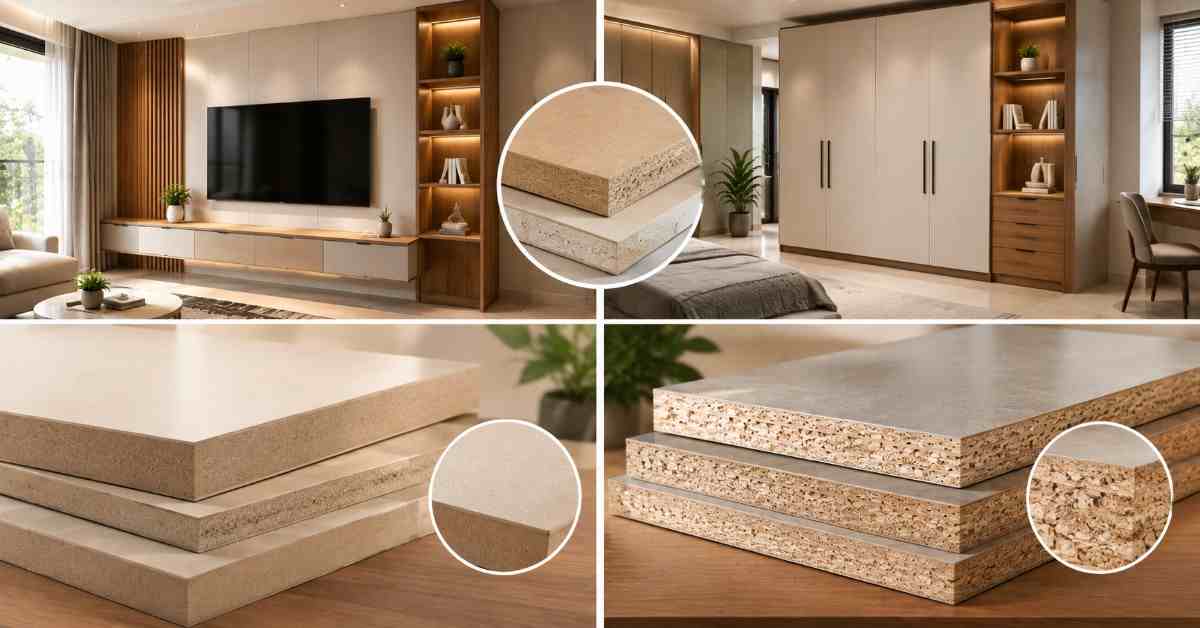
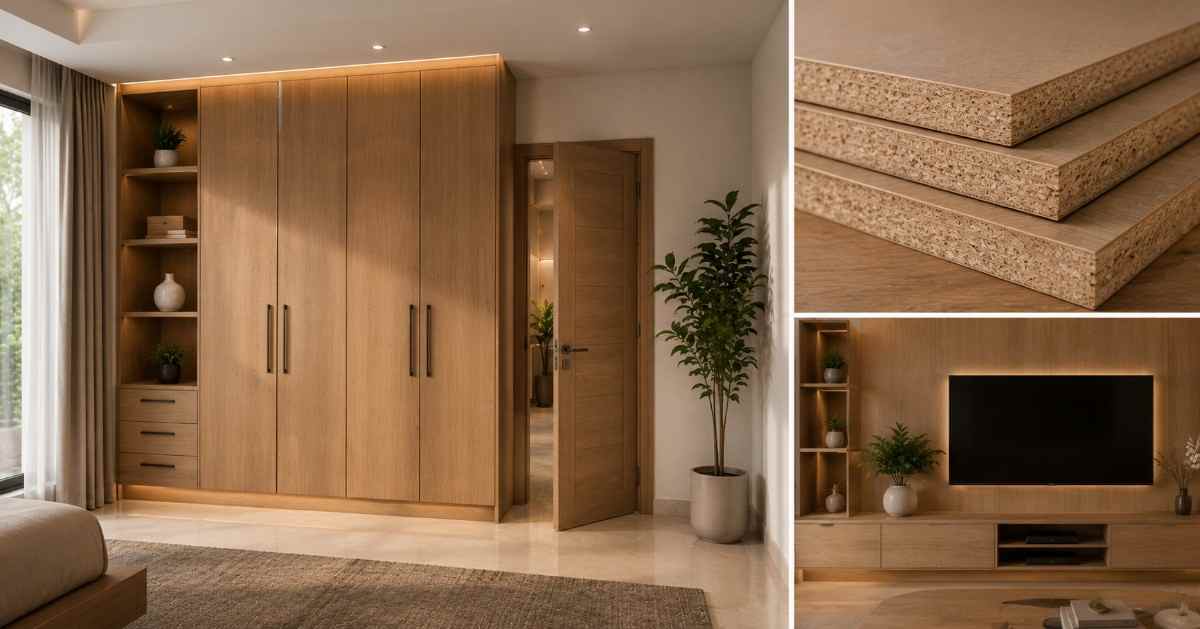
A Wigwam Ply flush door is a type of flush door built with a stronger, more solid core. Instead of a lighter internal filling, it usually has a dense core that’s bonded under pressure. This makes it heavier and more stable than standard flush doors.
Because of this solid construction:
- It handles impact better
- It lasts longer
- It resists bending and warping
I usually see Wigwam Ply flush doors used in bedrooms, main internal doors, and areas where durability matters more than just looks.
Wigwam Ply Flush Door vs Flush Door: What’s the Difference?
Wigwam Ply flush doors and other brand’s flush doors differ primarily in their core strength.
A standard flush door may have a lighter core, which functions well in areas with less use.
The core and bonding of a Wigwam Ply flush door are denser. This enhances long-term performance and durability.
Wigwam Ply flush doors often perform better in resisting moisture, especially when manufactured with the right materials.
A standard flush door can still function in a low-traffic area if on a tight budget. Not every place needs heavy-duty strength.
Is Wigwam Ply Flush Door Waterproof and Durable?
A common question is, “Is a Wigwam Ply flush door waterproof?”
A high-quality waterproof Wigwam Ply flush door is more resilient to humidity than a standard door. However, no wooden door should be left exposed to moisture.
Moisture-resistant varieties are a safer option for bathrooms and kitchens. Wigwam Ply flush doors can last for many years without swelling or splitting if installed and finished properly.
Durability is mainly defined by:
- Fundamental quality
- bonding procedure
- Installation
Confused about flush doors? Then check this guide to find everything about these unsung heroes of interior design.
Wigwam Ply Flush Door Sizes and Thickness Explained
Wigwam Ply flush door sizes and thicknesses are often conventional for homes and offices. In general, thicker doors feel more substantial and are more durable.
The following factors decide the ideal Wigwam Ply flush door size:
- Door frame measurements
- Type of Room
- Expected usage
Standard sizes are usually adequate for interior use, unless you’re doing anything unique.
Wigwam Ply Flush Door for Interior Use
Wigwam Ply flush doors for interior application are common in:
- Doors to bedrooms
- Living room partitions
- Office Cabins
- High-traffic zones
It is appropriate for locations where doors are regularly opened and closed so require strength. It looks good in contemporary interiors if you’re looking for a mix between longevity and neat appearance.
Wigwam Ply Flush Door Design Options for Modern Homes
Wigwam Ply flush doors come in a variety of styles. You can choose:
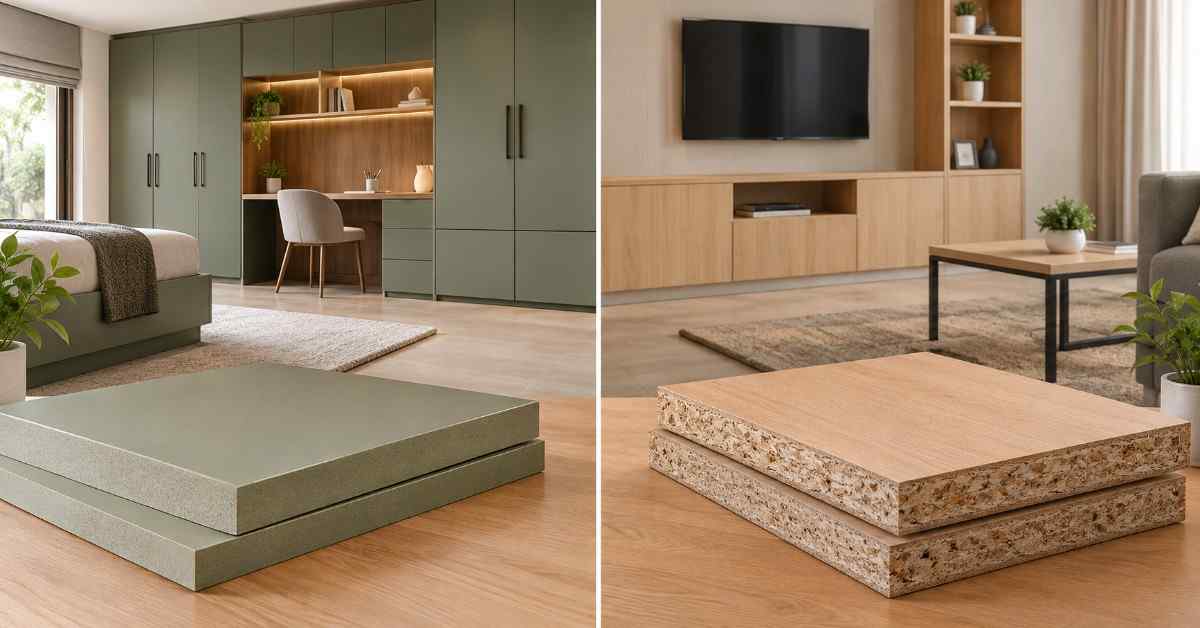
- A Veneer finish is an option for a wood-like look.
- Painted finish for a simple appearance
Modern homes frequently favor simple, flat designs with clear edges. Wigwam Ply flush door design options are versatile enough to accommodate a variety of styles, which is a plus.
Wigwam Ply Flush Door Price – What Affects It?
Wigwam Ply flush door prices are determined by various practical variables.
- One factor is thickness; thicker doors are more expensive.
- Core quality is important; denser cores cost more and are more durable.
- Finish type paint, veneer, or laminate—affects the price.
- Size: Compared to normal sizes, bespoke sizes cost extra.
As Wigwam Ply has different types of flush doors, so they are available at different price ranges.
Is a Wigwam Ply Flush Door Worth It for Modern Interiors?
A Wigwam Ply flush door is a good choice if you want a door that feels substantial, lasts longer, and can withstand heavy use.
A simple flush door might be sufficient if cost is the primary consideration and the room is rarely used.
It all depends on how much use the door will get. Spending a little extra up front can spare you from having to replace it later on for long-term performance.
Check how durable flush doors are, their uses, and maintenance tips to keep them lasting longer.
Conclusion
When it comes to strength, stability, and longevity, a Wigwam Ply flush door is superior to a standard flush door. It works well in interior areas where regular use is expected. When selecting a door, consider whether you plan to replace it in a few years or simply forget about it after installation.
If you’re searching for reliable, long-lasting door solutions for contemporary interiors, go and check out Wigwam Ply’s high-quality selection and materials that hold up over time.
FAQs
1. What is a Wigwam Ply flush door?
A Wigwam Ply flush door is basically a solid flush door with a stronger inside. From the outside, you won’t see much difference. The strength is in the core. It’s built to feel more solid and last longer compared to basic flush doors.
2. How is a Wigwam Ply flush door different from a regular flush door?
The difference is mostly internal; a regular flush door may have a lighter core. A Wigwam Ply flush door usually has a denser filling and stronger bonding. That makes it heavier and sturdier. You can actually feel the difference when you open and close it.
3. Is a Wigwam Ply flush door waterproof?
Not automatically, some types are moisture-resistant, but “waterproof” depends on the grade and treatment. If it’s for humid areas, you should check the specification instead of assuming all Wigwam Ply flush doors are the same. No wooden door should be in water permanently.
4. Can Wigwam Ply flush doors be used as main doors?
Yes, they can be used as main doors in apartments or interior entrances. But if the door is directly exposed to rain and sun all day, you may need extra protection or a different type of door; it really depends on exposure.
5. What are the standard sizes of Wigwam Ply flush doors?
They usually come in common door sizes used in homes and offices. Thickness varies, and thicker doors generally feel stronger. The right size depends on your door frame, so measurements matter more than guessing.
6. Is a Wigwam Ply flush door borer- and termite-resistant?
Many good brands treat their doors to resist termites and borers. But not every door is treated the same way. It’s better to ask specifically about treatment rather than assume it’s included.
7. What is the price range of Wigwam Ply flush doors?
There isn’t one fixed price. The cost depends on thickness, internal core quality, finish, and size. A basic door will cost less than one with premium veneer or better bonding. So price varies with quality.
8. Are Wigwam Ply flush doors suitable for commercial buildings?
Yes, they’re often used in offices and commercial interiors. Since they’re stronger than basic flush doors, they handle regular opening and closing better. That makes them suitable for workspaces.
9. What finishes are available for Wigwam Ply flush doors?
You can get them in veneer, laminate, or paint finishes. The inside strength stays the same. The finish mainly changes how it looks and how easy it is to maintain.
10. How long do Wigwam Ply flush doors last?
If the quality is good and installation is done properly, they can last many years. Most problems occur from moisture exposure or poor installation, not because the door itself is weak. Like most materials, durability depends on how and where it’s used.