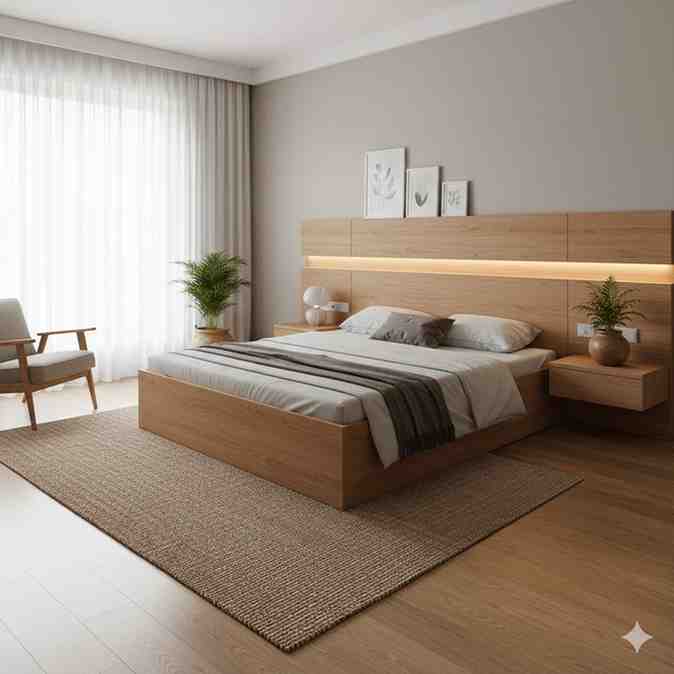
When it comes to buying a bed, design is usually the most crucial factor. The material used to create the bed, however, has the greatest impact on its comfort, stability, and longevity. This is why many modern houses now choose engineered wood beds.
They provide an excellent blend of strength and consistency for everyday use. Among them, blockboard stands out as a bedroom furniture option because it is robust without being too heavy and maintains stability over time.
In this blog, we will explain that blockboards are perfect for your rooms and their features.
What Is Blockboard?
Blockboard is an engineered wood panel that is widely used in furniture, doors, shelves, and partitions where strength and stability are important. It is recognized for flatness over time and handles daily loads better than many other boards.
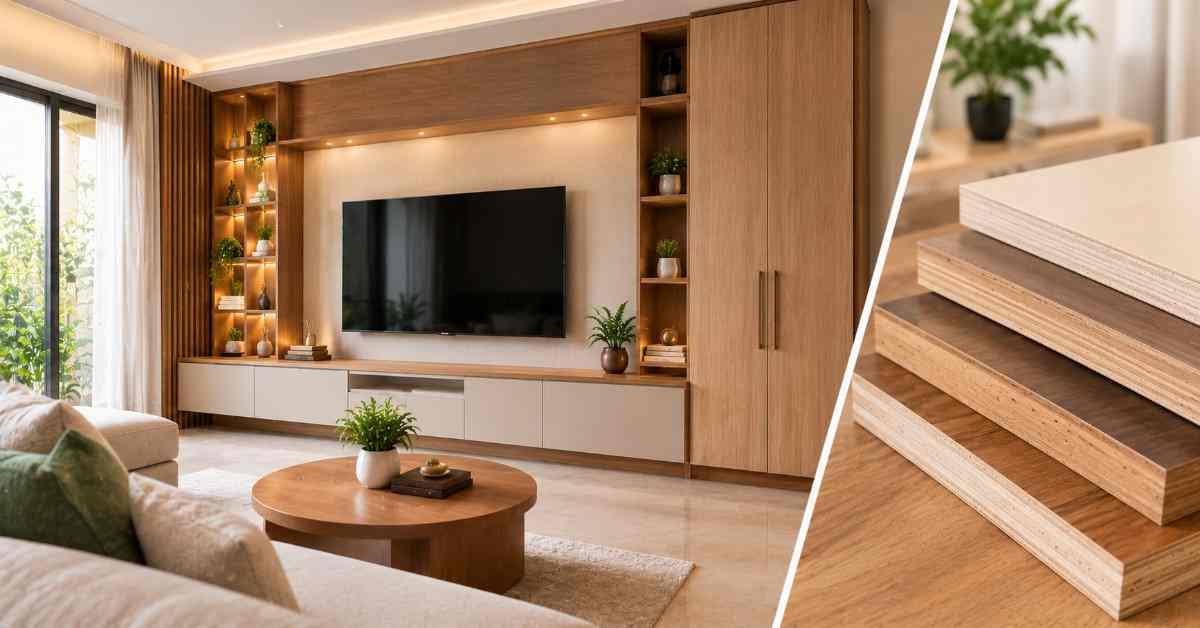
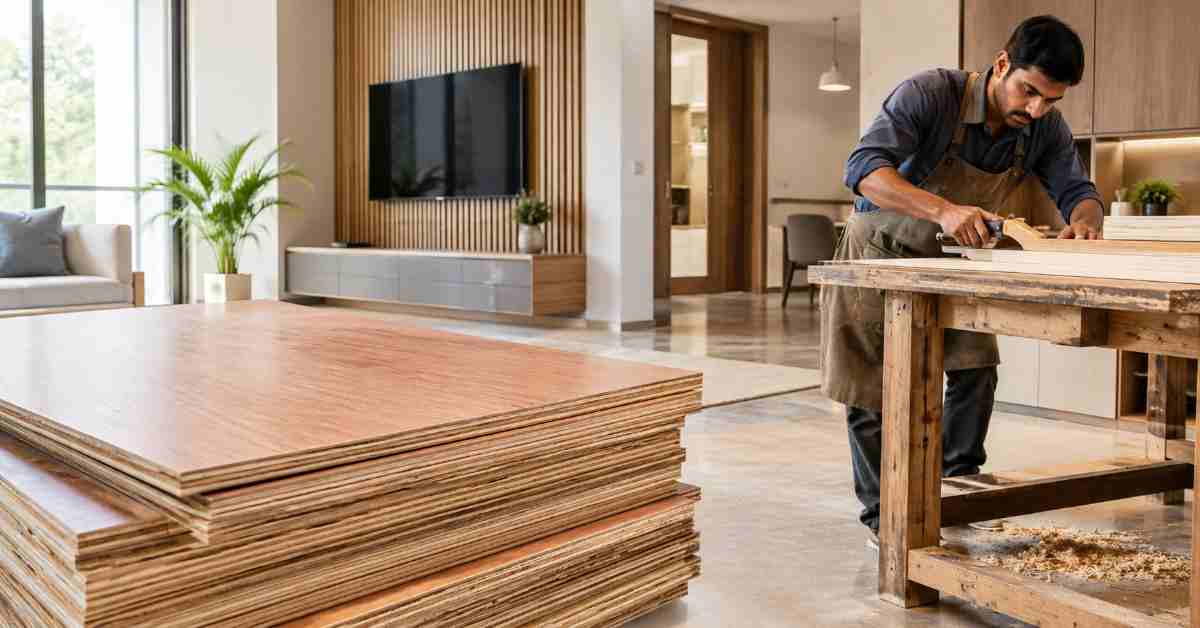
Blockboard is formed by stacking strong hardwood strips side by side on a core. After that, thin veneer sheets are applied to both sides of this core and pressure-bonded. The wooden strip core provides blockboard with strength, while the surrounding veneers give a smooth, usable surface for polishing or laminating.
Although it comprises solid wood, blockboard is categorized as engineered wood since it is manufactured in a factory by using layers, adhesives, and specified manufacturing techniques. This method lowers the inherent movement of the actual wood and increases consistency.
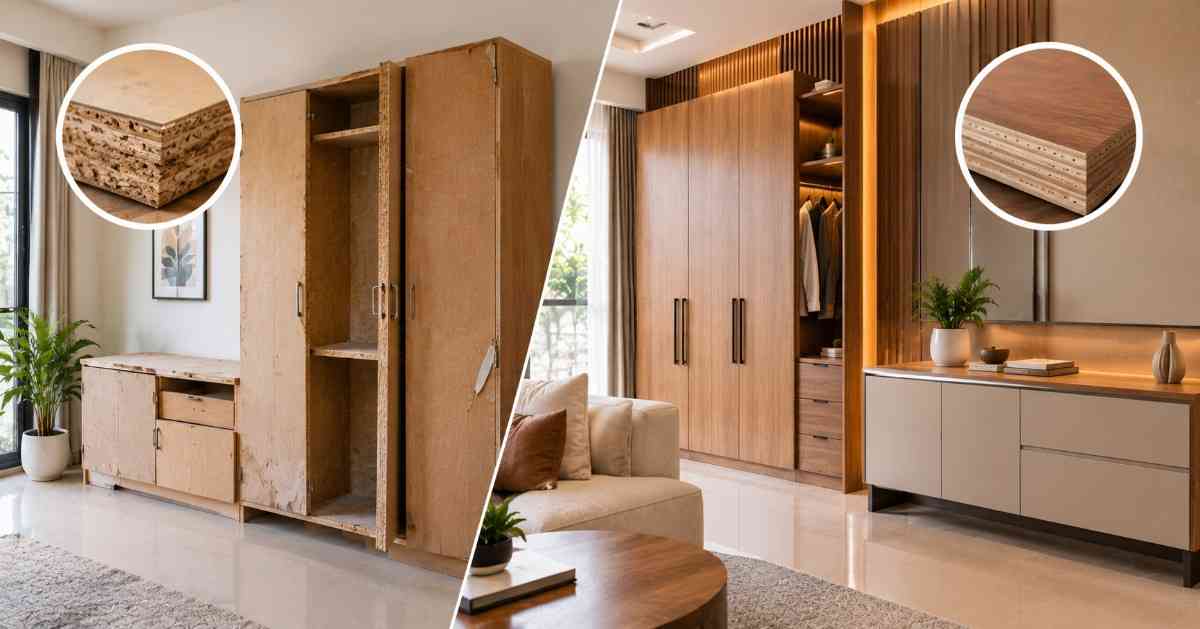
Blockboard is quite different from MDF and particleboard at a basic level. MDF is made from fine wood fibers and has a very smooth finish, although it has less screw-holding strength. Particle board is formed from wood chips and is heavier and less durable. In between, blockboard gives greater strength at a lower weight.
If you want to explore grades, uses, and how to choose the right one, you can read this detailed guide on Blockboard.
Why Blockboard Works Well for Beds
Blocked wood is a good choice for engineered wood beds since they need to stay straight over time, because they have long horizontal parts like frames and side rails. The wooden strip core helps the board withstand this span more effectively, lowering the possibility of sagging.
Blockboard is less likely to flex and distort under normal load than some manufactured boards. This is very important for bed frames because daily weight and movement can gradually deteriorate weaker materials.
When constructing solid bed frames, blockboard is also simpler to deal with. It supports correct joinery and retains screws, which firmly contribute to the creation of a strong structure. All things considered, blockboard is an excellent choice for beds; it was selected for its strength and stability rather than its popularity.
Key Benefits of Choosing a Blockboard Bed
A blockboard bed works well because it focuses on daily comfort and long-term use, while also supporting eco-friendly blockboard bed benefits—without turning the choice into a trend or a full blockboard vs plywood beds comparison.
- Handles long spans better: Blockboard performs well in side rails and headboards, reducing the chances of sagging over time.
- Less bending and warping: Compared to some engineered boards, blockboard stays more stable under daily load.
- Lightweight yet sturdy: Easier to move and install, while still offering dependable strength for bed frames.
- Good screw-holding strength: Supports solid joinery, helping bed frames stay firm and quiet over the years of use
- More responsible material use: Uses wood strips efficiently, making it a more eco-friendly option than heavy solid-wood constructions.
Blockboard Bed vs Plywood Bed: Main Difference
Blockboard over plywood ultimately boils down to how each board is constructed and how that impacts bed performance. Plywood is made up of several thin layers arranged cross-grain, whereas blockboard is made of a core of hardwood strips. Weight, handling, and prolonged use are all impacted by this structural variation.
Blockboard beds are usually easy to handle, light for an easier installation, and reduce joint stress. Plywood beds are often heavier and denser, providing rigidity but occasionally demanding stronger construction. Blockboard works well for routine daily use in most bedrooms, whereas plywood is commonly used when greater rigidity or moisture resistance is required.
Features to Look for in a Good Blockboard Bed
When comparing engineered wood beds, the quality of construction is more important than the label.
- Board thickness: Thicker boards lessen flex and handle loads better.
- Frame construction: A sturdy frame is built by equally distributing the weight.
- Joint strength: Sturdy bonding guarantees stability over time.
- Robust Support: The supporting slats and the middle beam keep the mattress from sagging over time.
- Surface finishing and edge sealing: Appropriate finishing increases moisture resistance and durability.
What to Consider Before Buying a Blockboard Bed
Consider how and where the bed will be used before deciding. Room characteristics, particularly ventilation and humidity, might influence performance. Usage type is also important—a guest bed and a daily-use bed experience quite different stresses.
Lastly, compare durability against cost, considering that superior construction often matters more than minor price variations.
Are Blockboard Beds Right for Every Bedroom?
For the majority of normal bedrooms where daily use, stability, and convenience of handling are important factors, blockboard beds make sense. They might not be the best option in extremely humid areas or in circumstances of abuse or excessive load.
Plywood or solid wood may be a better option in some situations. Being upfront about these boundaries fosters trust and sets reasonable standards.
Why Blockboard Beds Are a Practical Choice for Modern Homes
Blockboard beds are suitable for houses where furniture is designed to be used daily rather than merely admired. They provide a uniform combination of stability and strength, so the bed feels sturdy every night without requiring bulky or intricate construction.
Instead of temporarily chasing design trends, Blockboard focuses on what is truly important in a bedroom: support, balance, and consistency. Long-term benefits include increased comfort, fewer structural problems, and a bed that just works well.
Conclusion
Blockboard beds meet modern bedroom requirements because they are designed for everyday use rather than just beauty. They are appropriate for houses where durability is important since they provide a uniform blend of strength, stability, and comfort. More than the material, the quality of the construction—the frame, joints, and support system—determines how well a bed functions over time.
If you’re thinking about a blockboard bed, concentrate on selecting a sturdy construction from a reputable supplier. Wigwam Ply provides blockboard solutions for long-lasting furniture, helping you make a confident, smart decision for daily use and long-term comfort.
FAQs
1. What is a blockboard bed?
A blockboard bed is simply a frame created for a bed. Blockboard has wooden strips inside with a smooth outer layer, which helps the bed stay strong without becoming too heavy.
2. Why are blockboard beds popular for bedrooms?
Because they just work well for daily use. They stay stable, don’t bend easily, and are lighter than many other options. For a regular bedroom, that balance makes a lot of sense.
3. Are blockboard beds comfortable to sleep on?
The mattress does most of the work, but the bed frame matters too. A well-built blockboard bed gives it a solid base, so you don’t get uneven support or annoying creaks over time.
4. How do blockboard beds compare to plywood beds?
In simple terms, blockboard beds are easier to handle and less heavy, while plywood beds feel denser. For most bedrooms, blockboard does the job well. Plywood is usually picked when extra rigidity or moisture resistance is needed.
5. Can blockboard beds be eco-friendly?
Yes, they can be. Blockboard uses wood more efficiently than solid wood for less wastage. It’s a more sustainable option, if produced by a reliable manufacturer.
6. What thickness options are available for blockboard beds?
For beds, thicker boards are always better. Most blockboard beds use around 19 mm or more, as it gives better support and helps the frame last longer.