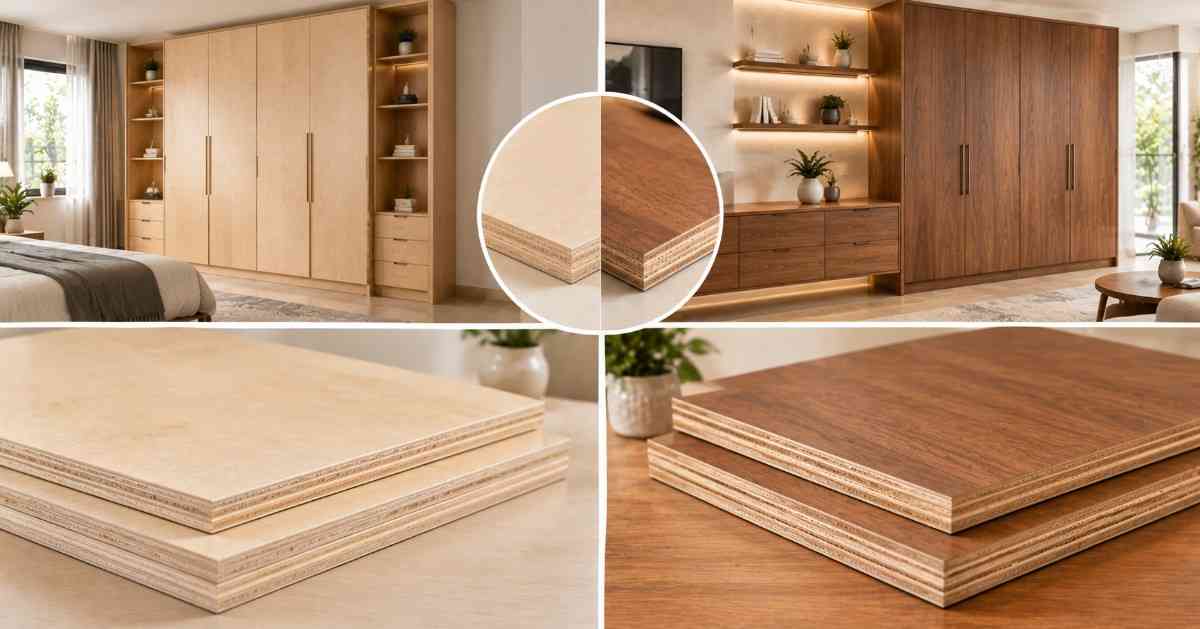
Many individuals consider the appearance or price of furniture when choosing materials for their homes. The real issues—doors that begin to buckle, shelves that sag, or surfaces that don’t handle regular use—usually manifest later.
This is where the difference between plywood and solid wood becomes apparent. How the material performs over time matters more than looks.
In this blog, we will explain why plywood has become a superior option for modern interiors, particularly in homes that experience frequent heat and weather changes.
Table of Contents
TogglePlywood vs Wood for Interiors: Key Differences
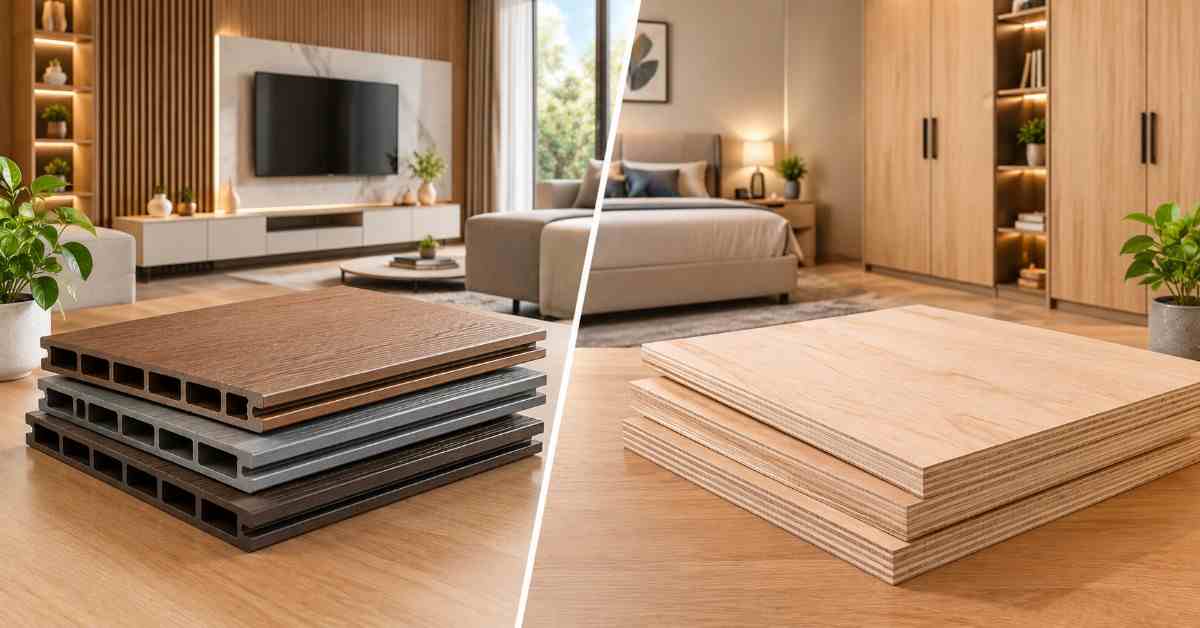
When it comes to interior design, plywood and solid wood differ significantly in their manufacturing process.
- Solid wood is made of a single piece of wood. Although it appears natural, heat and humidity can cause it to bend, crack, or shrink over time.
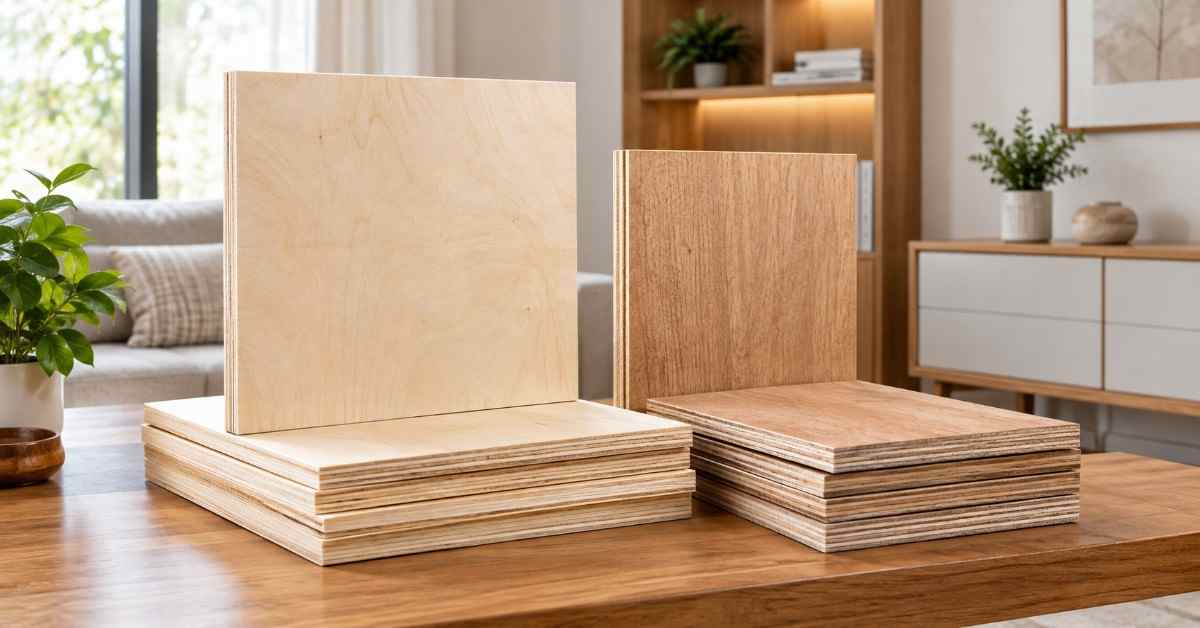
- Plywood is made of thin layers of wood that are bonded together with the grain oriented in various orientations. It is more reliable and constant due to its layered structure.
Plywood responds more consistently in ordinary home conditions due to its designed construction. It is more resilient to frequent usage, moisture, and temperature fluctuations than solid wood.
When comparing plywood with wood for interior spaces, long-term performance is more important than beauty.
Why Plywood Works Better for Furniture
For furniture, plywood is always a preferable option because it is designed to resist regular usage and changing circumstances.
- Enhanced stability and strength: Because plywood is constructed in layers, it maintains its strength and balance. As a result, furniture eventually feels sturdy and dependable.
- Reduced warping and fracture: Plywood is less sensitive to heat and humidity than solid wood. As a result, there will be fewer bends, cracks, and shape changes in the future.
- Easier to create and modify: Plywood complements modern styles effectively. Its ease of cutting, shaping, and finishing allows for greater interior freedom.
These are some of the main advantages of plywood for interior spaces, particularly when furniture is used frequently.
Check this guide if you’re in a dilemma about which lasts longer, plywood or MDF
Plywood Strength, Durability, and Moisture Resistance
When it comes to common furniture, plywood outperforms other materials.
- Cabinets and wardrobes that can support loads: Plywood maintains the strength of shelves, shutters, and closets over time by distributing weight equally among its layers.
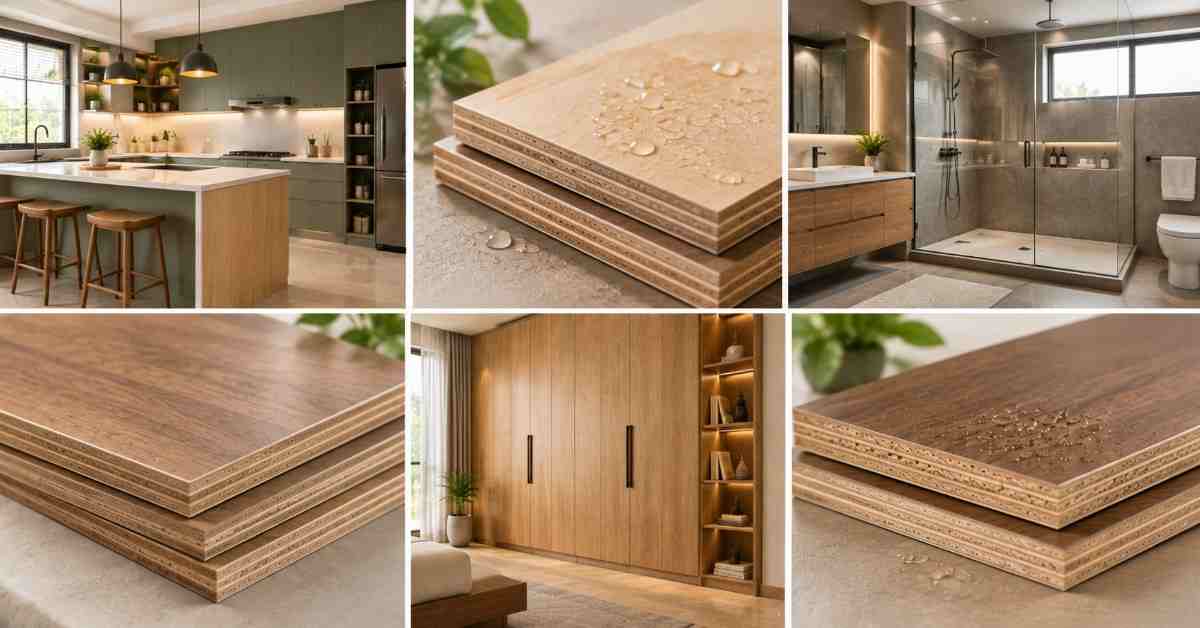
- Performance in the heat and humidity: Plywood is more resilient to both heat and moisture than solid wood. It is less likely to enlarge, contract, or change shape when the weather changes.
- Long-term dependability: Plywood’s sturdy structure allows it to remain consistent over time with minimum upkeep. It is therefore a more dependable option for interior design.
The strength of plywood is superior to that of wood because of the way it is constructed and reacts to actual living situations.
Cost and Value: Plywood vs Solid Wood
Cost-wise, the difference becomes apparent over time rather than in the initial days.
- Solid wood typically costs more initially and requires ongoing maintenance to prevent surface damage, bending, and cracks. Maintenance raises the cost over time.
- Plywood is easier to maintain and more affordable initially. It handles daily use better, keeping repair costs low.
Plywood always proves to be the more sensible choice over time as it requires fewer repairs and replacements.
Best Choice for Modular Kitchens and Interiors
Materials that can withstand heat, moisture, and frequent use are essential for kitchens and high-use interiors.
- The benefits of using plywood in kitchens: Engineered plywood is more suited for cabinets, drawers, and shutters because it can withstand heat and moisture.
- Where sturdy wood is weak: Solid wood can swell, split, or warp in the kitchen, especially if it is frequently exposed to steam and spillage.
For modular kitchens and modern decor, plywood is a more practical and stable option.
Conclusion
Plywood is superior to real wood for interior design due to its strength, stability, and ease of upkeep. It is a smart choice for contemporary homes because it can better sustain heat, dampness, and regular use.
Plywood provides superior long-term value and fewer problems over time for kitchens, wardrobes, and furniture.
Wigwam Ply is a reliable option to start if you’re looking for a solid solution without paying too much attention.
FAQs
1. Why is plywood considered better than wood for interiors?
In Indian homes, wood reacts to heat and moisture, so it remains stable. Plywood handles those conditions better and stays usable for longer.
2. Is plywood stronger than solid wood?
For most furniture, yes. Plywood distributes weight across layers, so shelves and cabinets don’t sag easily. Solid wood is strong, but it doesn’t always age well.
3. Does plywood cost less than solid wood?
In most cases, yes. Solid wood is expensive to buy and has high maintenance. Plywood is budget-friendly and easier maintain.
4. Can plywood replace solid wood for home furniture?
Yes, for most furniture, it already has. Wardrobes, kitchens, beds, and cabinets are commonly made with plywood today.
5. Is plywood less likely to warp than wood?
Yes, that’s one of the main reasons people choose it. Plywood is engineered to keep the balance, so warping is less common.
6. Which interior projects benefit most from plywood?
Kitchens, wardrobes, TV units, storage cabinets, and beds are projects where we use plywood primarily.
7. Is plywood good for interiors?
Yes, it’s reliable, flexible, and works well with laminates and finishes.
8. Is plywood better than wood?
For most interior work, yes. Wood is more about looks; plywood is about performance.
9. Is plywood good for interior walls?
Yes, it’s often used for wall paneling and decorative walls because it gives a clean finish and holds up well.